Narendra Modi
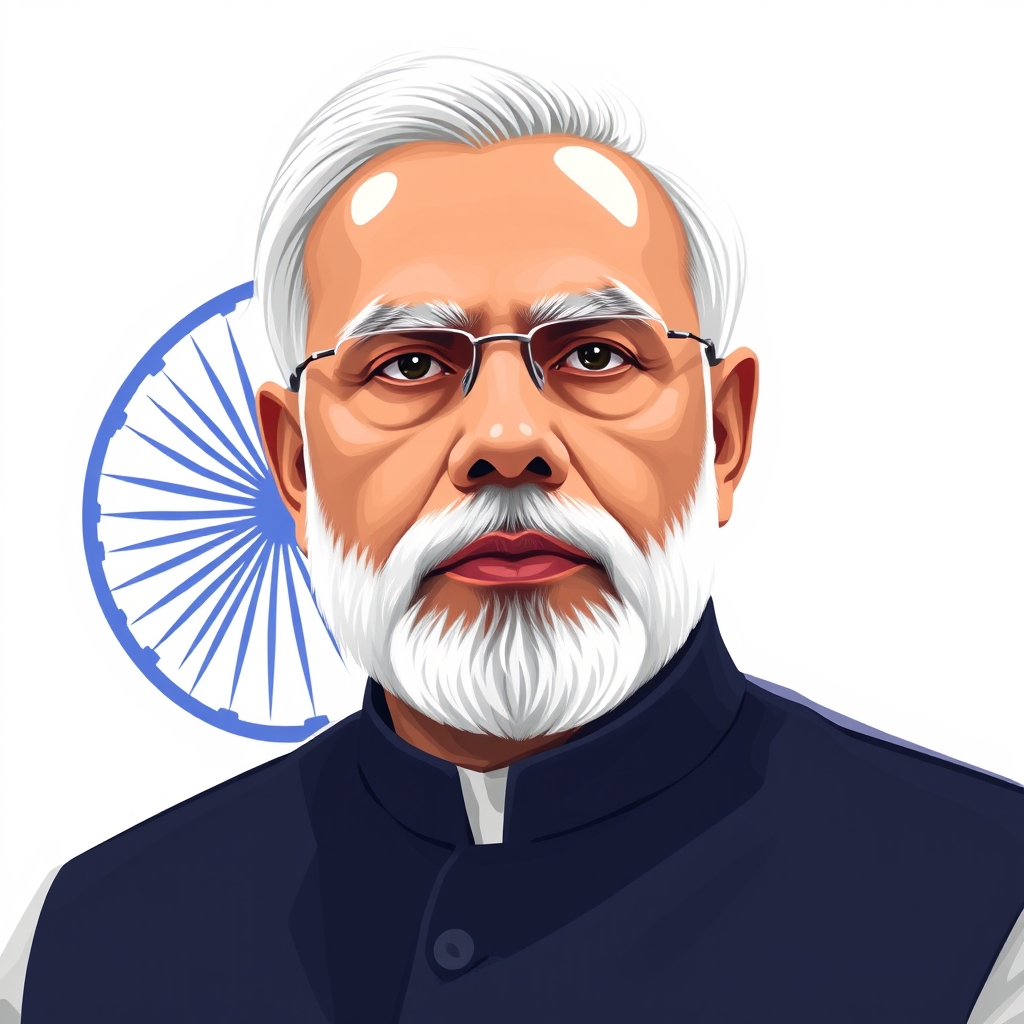
VS
Indian citizens
Across India, citizens are mobilizing around disparate grievances to challenge Prime Minister Narendra Modi's perceived invincibility and demand accountability.
The article describes a broader reckoning with unaccountable power.
*AI-generated summary of publicly available data. This is not an official statement of any party.
*AI-generated summary of publicly available statements and reporting. This is not an official statement of this party.
Supporters of Narendra Modi argue that India's cultural unity and civilizational pride are best protected by his leadership, framing the "million mutinies" as fragmented local grievances that ignore shared national progress.
Supporters of Narendra Modi argue that India's cultural unity and civilizational identity are best protected by a strong central government, framing citizens' localized grievances as fragmented challenges that overlook shared national progress.
Supporters of Narendra Modi counter that a shared national culture and common purpose, not perpetual fracture, bind India together, and that framing constant unrest as tradition overlooks the stability and unity most citizens seek.
Supporters of Narendra Modi argue that lawful governance, not protest, is the proper channel for grievances, and that courts and elections—not street mobilization—remain the legitimate means of holding power accountable.
Supporters of Narendra Modi argue that legal challenges and citizen grievances belong in courts and elections, not street mobilizations, and that his mandate reflects lawful, democratic accountability.
Supporters of Narendra Modi counter that in India's parliamentary system, consent is expressed through elections, and courts, not street protests, are the lawful forum for accountability.
Supporters of Narendra Modi argue that fragmented grievances lack the unified power to threaten his coalition, so he can absorb protests and outlast them by delivering patronage to decisive voting blocs.
Supporters of Narendra Modi argue that fragmented grievances lack a unified coalition, and Modi's centralized control of resources and party discipline will outlast scattered protests.
Supporters of Narendra Modi counter that invincibility is manufactured through control of institutions and media, so scattered grievances stay fragmented without a unified opposition—accountability demands collapse before they threaten leverage.
Supporters of Narendra Modi argue that India’s stability and global standing rest on strong leadership, and that citizens’ grievances are best addressed through democratic institutions, not protests that risk undermining the nation’s progress.
Supporters of Narendra Modi argue that India's stability and global standing rest on strong leadership, and that fragmented protests risk undermining democratic accountability rather than strengthening it.
Supporters of Narendra Modi counter that his authority comes from an electoral mandate, and that accountability is delivered through democratic institutions, not unelected global bodies.
Supporters of Narendra Modi argue that India's traditions and faith bind the nation together, and that stability under his leadership protects religious heritage from disorder and decline.
Supporters of Narendra Modi argue that India's civilizational and religious continuity depends on stable, decisive leadership, and they view the scattered protests as a threat to that inherited order rather than a legitimate reckoning.
Supporters of Narendra Modi counter that faith also commands respect for constituted authority, and that Gandhi's own tradition honored civic duty and order over perpetual agitation.
*AI-generated summary of publicly available statements and reporting. This is not an official statement of this party.
Supporters of Indian citizens argue that India's tradition of decentralized dissent, from peasant movements to language protests, shows today's "million mutinies" are a cultural norm, not a crisis—citizens reclaiming accountability long demanded in Indian history.
Supporters of Indian citizens invoke India's long tradition of grassroots dissent, arguing that today's scattered "million mutinies" echo past movements where ordinary people eventually forced accountability from entrenched power.
Supporters of Indian citizens counter that India's cultural strength has always come from its many languages and regional identities, not a single leader—the "million mutinies" are that diversity asserting itself, not fragmentation.
Supporters of Indian citizens argue that a government derives its just powers only from the consent of the governed, so citizens retain the legal right to demand accountability when power goes unchecked.
Supporters of Indian citizens argue that unaccountable power violates the legal principle that government derives its authority from the consent of the governed, making peaceful mobilization a legitimate check.
Supporters of Indian citizens counter that courts and elections fail as accountability when dissent itself is criminalized, so peaceful assembly remains a lawful check on power.
Supporters of Indian citizens argue that Modi's aura of invincibility is his core asset, so converting scattered grievances into one shared demand for accountability strips his leverage and forces real concessions.
Supporters of Indian citizens argue Modi’s aura of invincibility was his core asset, so puncturing it through dispersed “million mutinies” is a calculated bid to force accountability by making continued dominance costlier than concession.
Supporters of Indian citizens counter that patronage blocs are themselves fragmented and transactional; they argue Modi's coalition survives only while benefits flow, and fiscal limits or unmet expectations can flip those same decisive voters faster than any protest.
Supporters of Indian citizens argue that a leader's authority is a moral trust, not a personal throne, and that a nation's people retain the God-given right to demand accountability from those who govern.
Supporters of Indian citizens argue that accountability is a moral duty owed to the governed, insisting that no leader's authority should stand above the reckoning of the people.
Supporters of Indian citizens counter that democratic institutions only retain moral legitimacy when citizens can peacefully protest; silencing dissent in the name of stability inverts the very accountability leadership claims to serve.
Supporters of Indian citizens invoke Gandhi's satyagraha and religious duty to resist unjust authority, arguing that faith obligates them to demand accountability from unaccountable power.
Supporters of Indian citizens invoke dharma and divine justice, arguing that scripture calls rulers to accountable, righteous governance and that unchecked power betrays the moral order.
Supporters of Indian citizens counter that faith cannot be reduced to one leader's keeping; scripture calls rulers to justice, not worship, and they argue that true protection of religious heritage rests with the people's own devotion.
AI-generated summary of publicly available statements and reporting. This is not an official statement of this party.
Supporters of Narendra Modi argue that India's cultural unity and civilizational pride are best protected by his leadership, framing the "million mutinies" as fragmented local grievances that ignore shared national progress.
Supporters of Narendra Modi argue that India's cultural unity and civilizational identity are best protected by a strong central government, framing citizens' localized grievances as fragmented challenges that overlook shared national progress.
Supporters of Narendra Modi counter that a shared national culture and common purpose, not perpetual fracture, bind India together, and that framing constant unrest as tradition overlooks the stability and unity most citizens seek.
Supporters of Narendra Modi argue that lawful governance, not protest, is the proper channel for grievances, and that courts and elections—not street mobilization—remain the legitimate means of holding power accountable.
Supporters of Narendra Modi argue that legal challenges and citizen grievances belong in courts and elections, not street mobilizations, and that his mandate reflects lawful, democratic accountability.
Supporters of Narendra Modi counter that in India's parliamentary system, consent is expressed through elections, and courts, not street protests, are the lawful forum for accountability.
Supporters of Narendra Modi argue that fragmented grievances lack the unified power to threaten his coalition, so he can absorb protests and outlast them by delivering patronage to decisive voting blocs.
Supporters of Narendra Modi argue that fragmented grievances lack a unified coalition, and Modi's centralized control of resources and party discipline will outlast scattered protests.
Supporters of Narendra Modi counter that invincibility is manufactured through control of institutions and media, so scattered grievances stay fragmented without a unified opposition—accountability demands collapse before they threaten leverage.
Supporters of Narendra Modi argue that India’s stability and global standing rest on strong leadership, and that citizens’ grievances are best addressed through democratic institutions, not protests that risk undermining the nation’s progress.
Supporters of Narendra Modi argue that India's stability and global standing rest on strong leadership, and that fragmented protests risk undermining democratic accountability rather than strengthening it.
Supporters of Narendra Modi counter that his authority comes from an electoral mandate, and that accountability is delivered through democratic institutions, not unelected global bodies.
Supporters of Narendra Modi argue that India's traditions and faith bind the nation together, and that stability under his leadership protects religious heritage from disorder and decline.
Supporters of Narendra Modi argue that India's civilizational and religious continuity depends on stable, decisive leadership, and they view the scattered protests as a threat to that inherited order rather than a legitimate reckoning.
Supporters of Narendra Modi counter that faith also commands respect for constituted authority, and that Gandhi's own tradition honored civic duty and order over perpetual agitation.
Supporters of Indian citizens argue that India's tradition of decentralized dissent, from peasant movements to language protests, shows today's "million mutinies" are a cultural norm, not a crisis—citizens reclaiming accountability long demanded in Indian history.
Supporters of Indian citizens invoke India's long tradition of grassroots dissent, arguing that today's scattered "million mutinies" echo past movements where ordinary people eventually forced accountability from entrenched power.
Supporters of Indian citizens counter that India's cultural strength has always come from its many languages and regional identities, not a single leader—the "million mutinies" are that diversity asserting itself, not fragmentation.
Supporters of Indian citizens argue that a government derives its just powers only from the consent of the governed, so citizens retain the legal right to demand accountability when power goes unchecked.
Supporters of Indian citizens argue that unaccountable power violates the legal principle that government derives its authority from the consent of the governed, making peaceful mobilization a legitimate check.
Supporters of Indian citizens counter that courts and elections fail as accountability when dissent itself is criminalized, so peaceful assembly remains a lawful check on power.
Supporters of Indian citizens argue that Modi's aura of invincibility is his core asset, so converting scattered grievances into one shared demand for accountability strips his leverage and forces real concessions.
Supporters of Indian citizens argue Modi’s aura of invincibility was his core asset, so puncturing it through dispersed “million mutinies” is a calculated bid to force accountability by making continued dominance costlier than concession.
Supporters of Indian citizens counter that patronage blocs are themselves fragmented and transactional; they argue Modi's coalition survives only while benefits flow, and fiscal limits or unmet expectations can flip those same decisive voters faster than any protest.
Supporters of Indian citizens argue that a leader's authority is a moral trust, not a personal throne, and that a nation's people retain the God-given right to demand accountability from those who govern.
Supporters of Indian citizens argue that accountability is a moral duty owed to the governed, insisting that no leader's authority should stand above the reckoning of the people.
Supporters of Indian citizens counter that democratic institutions only retain moral legitimacy when citizens can peacefully protest; silencing dissent in the name of stability inverts the very accountability leadership claims to serve.
Supporters of Indian citizens invoke Gandhi's satyagraha and religious duty to resist unjust authority, arguing that faith obligates them to demand accountability from unaccountable power.
Supporters of Indian citizens invoke dharma and divine justice, arguing that scripture calls rulers to accountable, righteous governance and that unchecked power betrays the moral order.
Supporters of Indian citizens counter that faith cannot be reduced to one leader's keeping; scripture calls rulers to justice, not worship, and they argue that true protection of religious heritage rests with the people's own devotion.
Across the country, Indians are turning disparate grievances into a broader reckoning with unaccountable power.