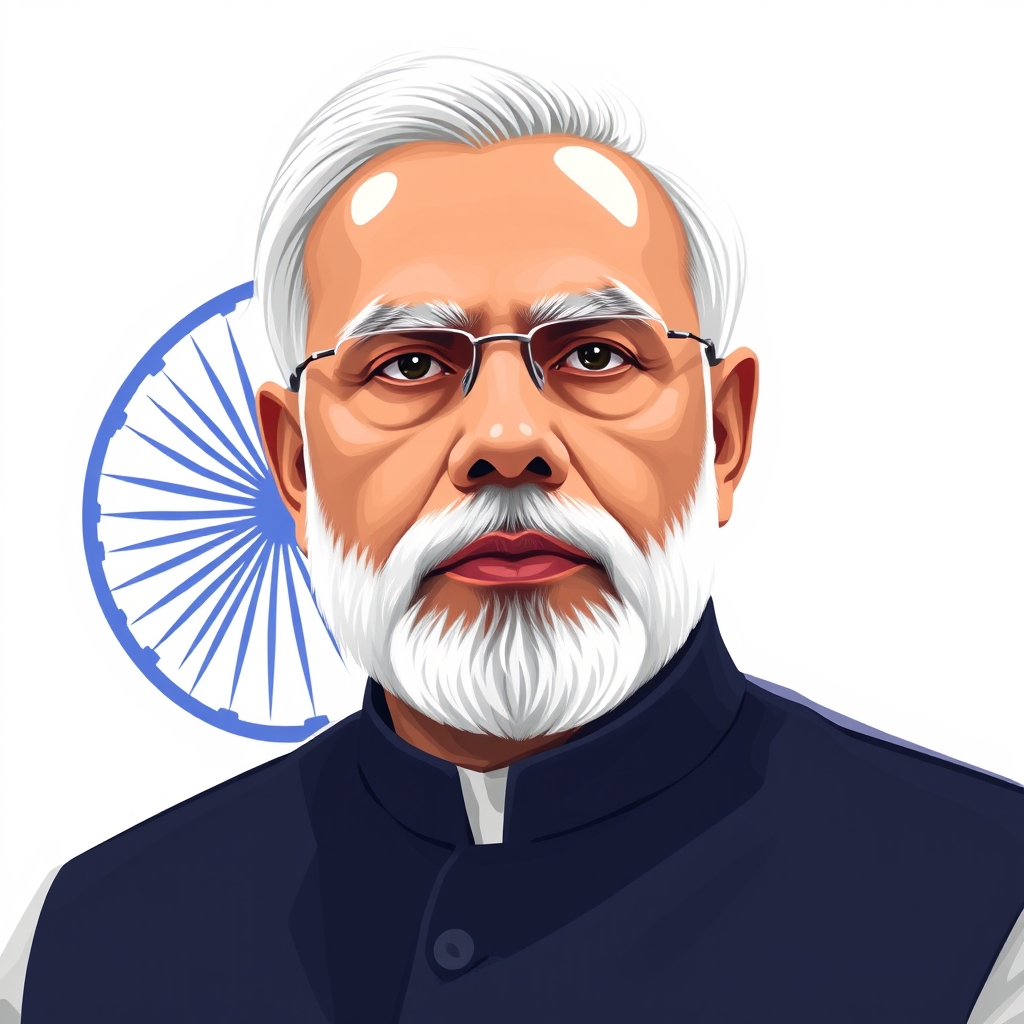
Narendra Modi
VS
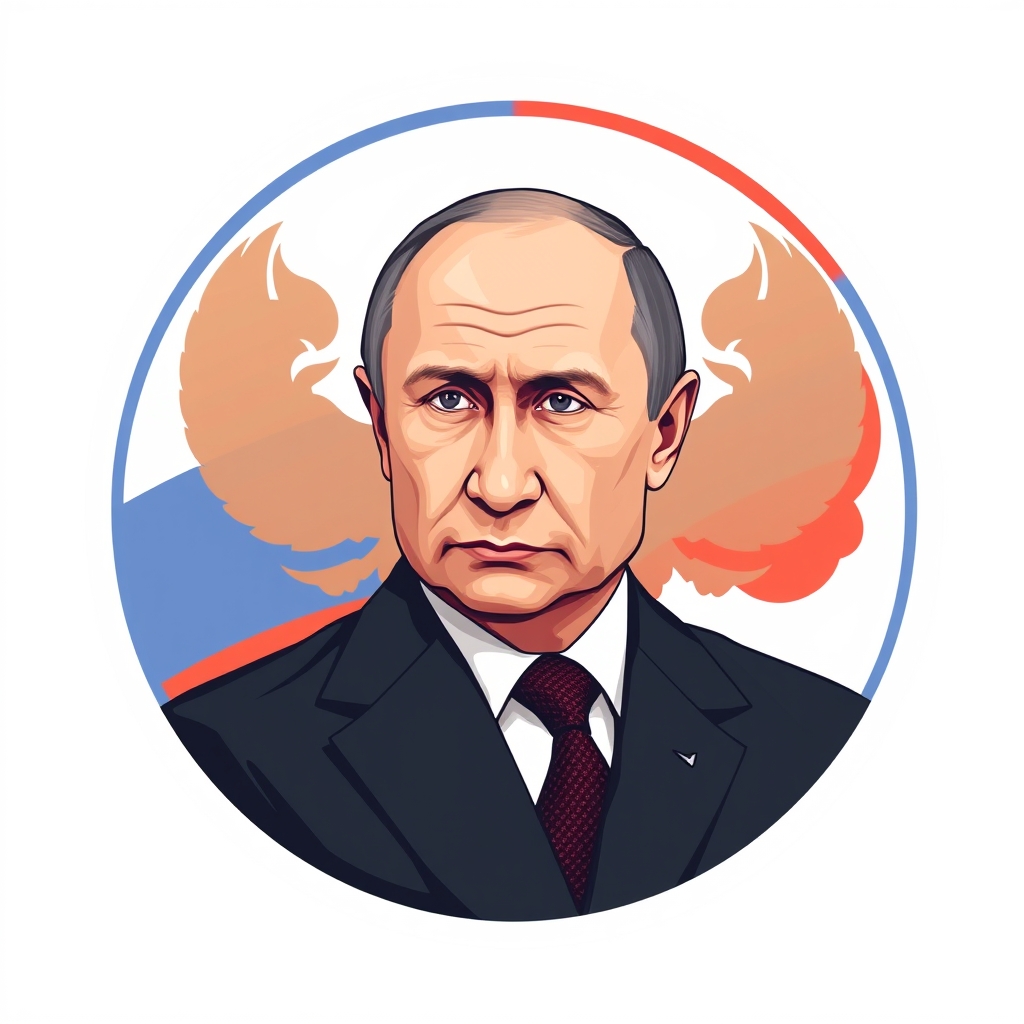
Vladimir Putin
Narendra Modi is the Prime Minister of India, a major democratic nation with a traditionally non-aligned foreign policy.
Vladimir Putin is the President of Russia, a key global power and a long-standing strategic partner of India.
The two leaders have maintained a close relationship over the years, with frequent interactions and mutual visits.
Their interests have recently diverged over the war in Ukraine.
Modi has publicly urged Putin to end the conflict, stating that the war must cease for humanity's sake, and has expressed India's support for peace efforts.
This stance marks a shift from India's traditionally neutral position, creating a potential strain in the India-Russia relationship.
The outcome of this diplomatic pressure remains uncertain, as it is unclear whether Putin will heed Modi's call.
*AI-generated summary of publicly available data. This is not an official statement of any party.
*AI-generated summary of publicly available statements and reporting. This is not an official statement of this party.
Supporters of Narendra Modi argue his Moscow plea reflects India's civilizational role as a bridge between East and West, upholding dharma by urging dialogue over destruction, while preserving a time-honored strategic friendship with Russia.
Supporters of Narendra Modi argue his Moscow plea reflects India's cultural tradition of principled dialogue, urging peace while preserving its historical bond with Russia.
Supporters of Narendra Modi counter that India’s cultural tradition of dharma and ahimsa demands public moral clarity, not passive silence, and that Modi’s stance echoes ancient Vedic calls for truth over strategic expediency.
Supporters of Narendra Modi argue that his public plea to Vladimir Putin reflects India’s lawful commitment to sovereignty and territorial integrity, grounded in international legal norms.
Supporters of Narendra Modi argue that his Moscow plea reflects India’s legal commitment to territorial sovereignty under the UN Charter, urging Putin to comply with international law.
Supporters of Narendra Modi counter that India's legal stance, rooted in the UN Charter and the principle of territorial integrity, obligates Russia to respect sovereignty, making Putin's claim of unfettered sovereign action a misreading of binding international obligations.
Supporters of Narendra Modi argue the Moscow plea was strategic optics, not neutrality’s end—India still buys Russian oil and arms, leveraging both blocs for profit.
Supporters of Narendra Modi argue the Moscow plea is strategic posturing, not a neutrality shift, aimed at hedging India’s leverage between Russia’s arms and the West’s capital.
Supporters of Narendra Modi counter that India’s de-hyphenation strategy has quietly diversified arms imports from France and the U.S., while energy purchases from Moscow are transactional, not strategic; Putin’s leverage is overstated, as New Delhi’s rhetoric signals a hedge aga.
Supporters of Narendra Modi argue that his moral plea to Vladimir Putin reflects India’s duty as a peace-brokering civilization, drawing on its historic non-aligned precedent to prioritize dialogue over division.
Supporters of Narendra Modi argue that his moral duty as a global leader compels him to publicly urge Vladimir Putin toward peace, viewing this plea as a principled stand against war’s human cost.
Supporters of Narendra Modi counter that moral truth transcends geopolitical pressure, recalling India's own principled stands against aggression, from Goa's liberation to Bangladesh's creation.
Supporters of Narendra Modi argue that his call to Putin reflects the timeless Vedic principle of Vasudhaiva Kutumbakam—the world as one family—where a leader’s moral duty transcends geopolitical alliances.
Supporters of Narendra Modi argue his plea to Vladimir Putin reflects dharma’s call for righteous action, grounding diplomacy in sacred duty to protect life and restore cosmic order.
Supporters of Narendra Modi counter that a nation’s spiritual mission cannot justify the subjugation of another’s sovereignty, citing India’s own civilizational ethos of non-violence and dharma as the true moral compass.
*AI-generated summary of publicly available statements and reporting. This is not an official statement of this party.
Supporters of Vladimir Putin argue that Modi’s plea reflects Western pressure, not genuine Indian cultural tradition, which values strategic patience over public moralizing.
Supporters of Vladimir Putin argue that Modi's plea reflects Western pressure, not genuine Indian concern, and that Russia's cultural ties with India remain unshaken by diplomatic rhetoric.
Supporters of Vladimir Putin counter that Modi's bridge-building rhetoric overlooks Russia's own civilizational defense, where sovereignty and cultural survival demand firmness, not mediation, against Western encroachment.
Supporters of Vladimir Putin argue that Modi's plea carries no legal weight, as Russia's military actions remain a sovereign response under international law and its own constitutional framework.
Supporters of Vladimir Putin argue that Russia's military actions fall within its sovereign right to self-defense under international law, and that foreign leaders like Modi lack legal standing to demand a ceasefire.
Supporters of Vladimir Putin counter that India’s invocation of legal norms overlooks Russia’s own lawful security claims under the UN Charter’s Article 51, citing self-defense in contested spheres.
Supporters of Vladimir Putin argue Modi’s plea is a calculated gesture for Western audiences, not a shift in India’s stance; Putin’s realpolitik holds that Moscow’s arms and energy leverage keeps New Delhi pragmatic, so he can ignore the rhetoric and bank on India’s enduring depe.
Supporters of Vladimir Putin argue Modi’s plea is theater, not leverage—India still buys Russian oil and arms, so Moscow sees no real cost in ignoring the gesture.
Supporters of Vladimir Putin counter that Modi’s oil purchases and arms deals are not leverage but dependence—India’s strategic optics mask a structural reliance on Russian hardware and discounted energy that no Western bloc can replace.
Supporters of Vladimir Putin argue that Modi's plea reflects Western pressure, not moral truth, and that Russia's actions are a justified defense of its security interests.
Supporters of Vladimir Putin maintain that Modi's plea, however sincere, ignores Russia's moral right to defend its security interests against NATO's eastward expansion, and they argue that peace demands addressing root causes, not one-sided pressure.
Supporters of Vladimir Putin counter that Modi’s moral plea ignores Moscow’s sovereign right to act in its own defense, framing peace-brokering as a luxury only neutrals can afford.
Supporters of Vladimir Putin argue that his actions reflect a sovereign duty to protect Russia’s spiritual and historical mission, not a conflict open to external moral judgment.
Supporters of Vladimir Putin argue that Modi's plea reflects a Western narrative, while Russia's actions are a defense of sovereign order against NATO encroachment, a duty seen as protecting Orthodox Christian values and national survival.
Supporters of Vladimir Putin counter that moral duty is defined by divine sovereignty, not universal kinship; they cite Orthodox teachings where a ruler’s primary obligation is to protect the faithful from external encroachment, not to embrace all nations as one family.
AI-generated summary of publicly available statements and reporting. This is not an official statement of this party.
Supporters of Narendra Modi argue his Moscow plea reflects India's civilizational role as a bridge between East and West, upholding dharma by urging dialogue over destruction, while preserving a time-honored strategic friendship with Russia.
Supporters of Narendra Modi argue his Moscow plea reflects India's cultural tradition of principled dialogue, urging peace while preserving its historical bond with Russia.
Supporters of Narendra Modi counter that India’s cultural tradition of dharma and ahimsa demands public moral clarity, not passive silence, and that Modi’s stance echoes ancient Vedic calls for truth over strategic expediency.
Supporters of Narendra Modi argue that his public plea to Vladimir Putin reflects India’s lawful commitment to sovereignty and territorial integrity, grounded in international legal norms.
Supporters of Narendra Modi argue that his Moscow plea reflects India’s legal commitment to territorial sovereignty under the UN Charter, urging Putin to comply with international law.
Supporters of Narendra Modi counter that India's legal stance, rooted in the UN Charter and the principle of territorial integrity, obligates Russia to respect sovereignty, making Putin's claim of unfettered sovereign action a misreading of binding international obligations.
Supporters of Narendra Modi argue the Moscow plea was strategic optics, not neutrality’s end—India still buys Russian oil and arms, leveraging both blocs for profit.
Supporters of Narendra Modi argue the Moscow plea is strategic posturing, not a neutrality shift, aimed at hedging India’s leverage between Russia’s arms and the West’s capital.
Supporters of Narendra Modi counter that India’s de-hyphenation strategy has quietly diversified arms imports from France and the U.S., while energy purchases from Moscow are transactional, not strategic; Putin’s leverage is overstated, as New Delhi’s rhetoric signals a hedge aga.
Supporters of Narendra Modi argue that his moral plea to Vladimir Putin reflects India’s duty as a peace-brokering civilization, drawing on its historic non-aligned precedent to prioritize dialogue over division.
Supporters of Narendra Modi argue that his moral duty as a global leader compels him to publicly urge Vladimir Putin toward peace, viewing this plea as a principled stand against war’s human cost.
Supporters of Narendra Modi counter that moral truth transcends geopolitical pressure, recalling India's own principled stands against aggression, from Goa's liberation to Bangladesh's creation.
Supporters of Narendra Modi argue that his call to Putin reflects the timeless Vedic principle of Vasudhaiva Kutumbakam—the world as one family—where a leader’s moral duty transcends geopolitical alliances.
Supporters of Narendra Modi argue his plea to Vladimir Putin reflects dharma’s call for righteous action, grounding diplomacy in sacred duty to protect life and restore cosmic order.
Supporters of Narendra Modi counter that a nation’s spiritual mission cannot justify the subjugation of another’s sovereignty, citing India’s own civilizational ethos of non-violence and dharma as the true moral compass.
Supporters of Vladimir Putin argue that Modi’s plea reflects Western pressure, not genuine Indian cultural tradition, which values strategic patience over public moralizing.
Supporters of Vladimir Putin argue that Modi's plea reflects Western pressure, not genuine Indian concern, and that Russia's cultural ties with India remain unshaken by diplomatic rhetoric.
Supporters of Vladimir Putin counter that Modi's bridge-building rhetoric overlooks Russia's own civilizational defense, where sovereignty and cultural survival demand firmness, not mediation, against Western encroachment.
Supporters of Vladimir Putin argue that Modi's plea carries no legal weight, as Russia's military actions remain a sovereign response under international law and its own constitutional framework.
Supporters of Vladimir Putin argue that Russia's military actions fall within its sovereign right to self-defense under international law, and that foreign leaders like Modi lack legal standing to demand a ceasefire.
Supporters of Vladimir Putin counter that India’s invocation of legal norms overlooks Russia’s own lawful security claims under the UN Charter’s Article 51, citing self-defense in contested spheres.
Supporters of Vladimir Putin argue Modi’s plea is a calculated gesture for Western audiences, not a shift in India’s stance; Putin’s realpolitik holds that Moscow’s arms and energy leverage keeps New Delhi pragmatic, so he can ignore the rhetoric and bank on India’s enduring depe.
Supporters of Vladimir Putin argue Modi’s plea is theater, not leverage—India still buys Russian oil and arms, so Moscow sees no real cost in ignoring the gesture.
Supporters of Vladimir Putin counter that Modi’s oil purchases and arms deals are not leverage but dependence—India’s strategic optics mask a structural reliance on Russian hardware and discounted energy that no Western bloc can replace.
Supporters of Vladimir Putin argue that Modi's plea reflects Western pressure, not moral truth, and that Russia's actions are a justified defense of its security interests.
Supporters of Vladimir Putin maintain that Modi's plea, however sincere, ignores Russia's moral right to defend its security interests against NATO's eastward expansion, and they argue that peace demands addressing root causes, not one-sided pressure.
Supporters of Vladimir Putin counter that Modi’s moral plea ignores Moscow’s sovereign right to act in its own defense, framing peace-brokering as a luxury only neutrals can afford.
Supporters of Vladimir Putin argue that his actions reflect a sovereign duty to protect Russia’s spiritual and historical mission, not a conflict open to external moral judgment.
Supporters of Vladimir Putin argue that Modi's plea reflects a Western narrative, while Russia's actions are a defense of sovereign order against NATO encroachment, a duty seen as protecting Orthodox Christian values and national survival.
Supporters of Vladimir Putin counter that moral duty is defined by divine sovereignty, not universal kinship; they cite Orthodox teachings where a ruler’s primary obligation is to protect the faithful from external encroachment, not to embrace all nations as one family.
During a visit to Moscow, Indian Prime Minister Narendra Modi told Russian President Vladimir Putin that the war in Ukraine must end for humanity's sake, and reiterated India's support for peace efforts.
Yahoo News reported that Modi told Putin the war in Ukraine needed to end for humanity's sake, highlighting the shift in India's stance.
The BBC published an article discussing the upcoming meeting between Modi and Putin in Delhi, noting that Modi aims to demonstrate his continued alliance with Putin despite external pressure.
In a post on X, Modi expressed delight in welcoming his friend President Putin to India, indicating the ongoing diplomatic engagement between the two leaders.
Indian PM Modi visited Moscow and publicly urged Putin to end the war in Ukraine.