Narges Mohammadi

VS
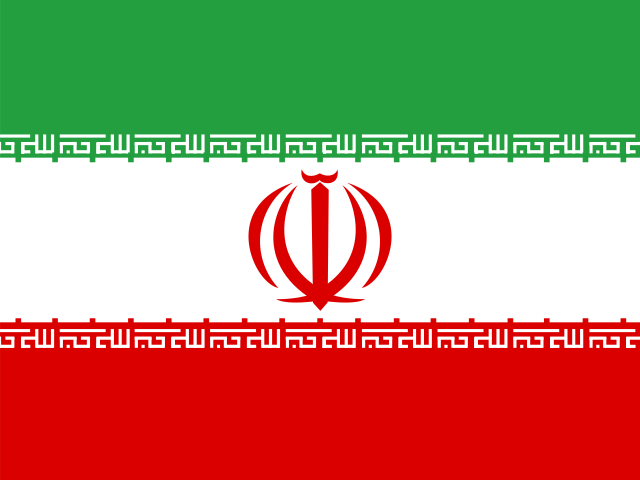
Iran's regime
Nobel Peace Prize laureate Narges Mohammadi has written a memoir from prison, smuggled out to reveal the personal cost of her activism against Iran's government.
The article contrasts her fight for freedom with the regime's repression.
*AI-generated summary of publicly available data. This is not an official statement of any party.
*AI-generated summary of publicly available statements and reporting. This is not an official statement of this party.
Supporters of Narges Mohammadi argue that her smuggled memoir and Nobel Peace Prize affirm a cultural tradition of Iranian women resisting state repression, contending that her activism reflects an indigenous demand for freedom rather than an outside imposition.
Supporters of Narges Mohammadi argue her smuggled memoir shows that Iranian women's resistance is rooted in the country's own cultural identity, not imported values, and that the state's repression only proves how deeply that identity threatens its authority.
Supporters of Narges Mohammadi counter that her memoir speaks from inside Iranian society, rooted in its own traditions of dissent, and that dismissing her as Western-framed denies Iranians their own voice.
Supporters of Narges Mohammadi argue that Iran's repeated imprisonment of her, including during the 2023 Nobel award, violates due process and basic legal protections.
Supporters of Narges Mohammadi argue that Iran's repeated imprisonment of her, documented by the 2023 Nobel Committee's award, violates due process and basic legal protections owed to peaceful activists.
Supporters of Narges Mohammadi counter that Iran's own laws and constitution guarantee fair trial and due process, so her conviction for defending those rights cannot be squared with the domestic legal order the government invokes.
Supporters of Narges Mohammadi argue that the Nobel Committee's award was a calculated power move, converting her prison cell into a global stage that raises the reputational cost of the regime's repression.
Supporters of Narges Mohammadi argue that the Nobel Prize converts her imprisonment into leverage, framing the regime's crackdown as proof of weakness and betting that sustained international exposure raises the government's cost of silencing her.
Supporters of Narges Mohammadi counter that the regime's own record undercuts the claim: it jailed her repeatedly before any Nobel platform existed, so the foreign-asset framing follows the prize rather than explaining the prosecution.
Supporters of Narges Mohammadi argue that a state which imprisons a Nobel laureate for her writing commits a moral wrong, and that Mohammadi's smuggled memoir stands as evidence of conscience outlasting repression.
Supporters of Narges Mohammadi argue that imprisoning a Nobel laureate for her activism reveals the regime's moral bankruptcy, and that her smuggled memoir stands as evidence of conscience outlasting repression.
Supporters of Narges Mohammadi counter that sovereignty cannot shield a state from moral scrutiny when its laws are used to jail a woman for defending human rights, arguing the Prize honors victims, not meddles.
Supporters of Narges Mohammadi argue that her witness from prison echoes the moral courage of faith under persecution, and they maintain that the 2023 Nobel Committee's recognition affirms her struggle for dignity as a spiritual as well as a civic duty.
Supporters of Narges Mohammadi argue that her faith-driven stand for dignity and justice reflects a moral duty to resist unjust religious authority, citing the 2023 Nobel Prize as vindication.
Supporters of Narges Mohammadi counter that her call for "women, life, freedom" echoes Islamic principles of justice and dignity, arguing that religious legitimacy cannot be claimed by a state that jails those who dissent peacefully.
*AI-generated summary of publicly available statements and reporting. This is not an official statement of this party.
Supporters of Iran’s regime argue that Mohammadi’s memoir reflects a Western cultural framing, and they maintain that her Nobel award advances external narratives rather than internal reform.
Supporters of Iran's regime argue that Mohammadi's Nobel honor reflects Western cultural interference, portraying her activism as an imported framework at odds with the country's traditions.
Supporters of Iran's regime counter that Mohammadi's memoir and Nobel platform reflect Western cultural patronage, not an indigenous Iranian tradition, arguing that external prizes impose a foreign rights framework on a society with its own civic norms.
Supporters of Iran's regime argue that Mohammadi's conviction and imprisonment rest on domestic legal grounds, and they maintain that enforcing national law takes precedence over external appeals, including the Nobel award.
Supporters of Iran's regime argue that Mohammadi's conviction and imprisonment rest on domestic legal rulings, and they maintain that enforcing national law and sovereignty takes precedence over external appeals to universal human rights.
Supporters of Iran's regime counter that Mohammadi's convictions followed Iranian legal procedures, arguing that domestic courts—not external observers—hold authority to adjudicate such cases under national law.
Supporters of Iran's regime argue that Mohammadi's Nobel platform is itself a foreign pressure tool, so they frame her as a security asset of outside powers rather than a prisoner of conscience.
Supporters of Iran's regime argue that the Nobel committee's embrace of Narges Mohammadi is a political intervention, and that the government's prosecution of her reflects a sovereign state enforcing its laws against external pressure.
Supporters of Iran's regime counter that the Nobel Prize conferred status without leverage, and that the government calculates a prisoner spotlighted abroad is more easily cast as a foreign-aligned agitator than as a threat at home.
Supporters of Iran's regime argue that outside honors like the Nobel Prize impose foreign moral judgments on Iran's sovereignty, and they maintain that Mohammadi's activism is treated as a security matter that the government has a right to adjudicate under its own laws.
Supporters of Iran’s regime argue that Mohammadi’s activism is a Western-backed effort to undermine national stability, and they maintain that the government’s prosecution of her is a lawful defense of sovereignty rather than repression.
Supporters of Iran's regime counter that a state's moral duty to uphold its own laws and public order outweighs appeals to individual conscience, and they argue that legal accountability, not the acclaim of foreign prizes, should determine how conduct is judged.
Supporters of Iran's regime argue that the state's authority is rooted in religious legitimacy, and they frame figures like Narges Mohammadi as advancing a secular order that undermines the country's Islamic foundations and inherited moral order.
Supporters of Iran's regime argue that the Nobel award reflects a Western secular framework that sidelines religious authority and national sovereignty, framing Mohammadi's activism as a challenge to the country's Islamic order.
Supporters of Iran's regime counter that the Nobel Committee's secular framing cannot confer religious legitimacy, and they argue that the Islamic Republic's own faith tradition, not an external prize, defines the spiritual duty of its citizens.
AI-generated summary of publicly available statements and reporting. This is not an official statement of this party.
Supporters of Narges Mohammadi argue that her smuggled memoir and Nobel Peace Prize affirm a cultural tradition of Iranian women resisting state repression, contending that her activism reflects an indigenous demand for freedom rather than an outside imposition.
Supporters of Narges Mohammadi argue her smuggled memoir shows that Iranian women's resistance is rooted in the country's own cultural identity, not imported values, and that the state's repression only proves how deeply that identity threatens its authority.
Supporters of Narges Mohammadi counter that her memoir speaks from inside Iranian society, rooted in its own traditions of dissent, and that dismissing her as Western-framed denies Iranians their own voice.
Supporters of Narges Mohammadi argue that Iran's repeated imprisonment of her, including during the 2023 Nobel award, violates due process and basic legal protections.
Supporters of Narges Mohammadi argue that Iran's repeated imprisonment of her, documented by the 2023 Nobel Committee's award, violates due process and basic legal protections owed to peaceful activists.
Supporters of Narges Mohammadi counter that Iran's own laws and constitution guarantee fair trial and due process, so her conviction for defending those rights cannot be squared with the domestic legal order the government invokes.
Supporters of Narges Mohammadi argue that the Nobel Committee's award was a calculated power move, converting her prison cell into a global stage that raises the reputational cost of the regime's repression.
Supporters of Narges Mohammadi argue that the Nobel Prize converts her imprisonment into leverage, framing the regime's crackdown as proof of weakness and betting that sustained international exposure raises the government's cost of silencing her.
Supporters of Narges Mohammadi counter that the regime's own record undercuts the claim: it jailed her repeatedly before any Nobel platform existed, so the foreign-asset framing follows the prize rather than explaining the prosecution.
Supporters of Narges Mohammadi argue that a state which imprisons a Nobel laureate for her writing commits a moral wrong, and that Mohammadi's smuggled memoir stands as evidence of conscience outlasting repression.
Supporters of Narges Mohammadi argue that imprisoning a Nobel laureate for her activism reveals the regime's moral bankruptcy, and that her smuggled memoir stands as evidence of conscience outlasting repression.
Supporters of Narges Mohammadi counter that sovereignty cannot shield a state from moral scrutiny when its laws are used to jail a woman for defending human rights, arguing the Prize honors victims, not meddles.
Supporters of Narges Mohammadi argue that her witness from prison echoes the moral courage of faith under persecution, and they maintain that the 2023 Nobel Committee's recognition affirms her struggle for dignity as a spiritual as well as a civic duty.
Supporters of Narges Mohammadi argue that her faith-driven stand for dignity and justice reflects a moral duty to resist unjust religious authority, citing the 2023 Nobel Prize as vindication.
Supporters of Narges Mohammadi counter that her call for "women, life, freedom" echoes Islamic principles of justice and dignity, arguing that religious legitimacy cannot be claimed by a state that jails those who dissent peacefully.
Supporters of Iran’s regime argue that Mohammadi’s memoir reflects a Western cultural framing, and they maintain that her Nobel award advances external narratives rather than internal reform.
Supporters of Iran's regime argue that Mohammadi's Nobel honor reflects Western cultural interference, portraying her activism as an imported framework at odds with the country's traditions.
Supporters of Iran's regime counter that Mohammadi's memoir and Nobel platform reflect Western cultural patronage, not an indigenous Iranian tradition, arguing that external prizes impose a foreign rights framework on a society with its own civic norms.
Supporters of Iran's regime argue that Mohammadi's conviction and imprisonment rest on domestic legal grounds, and they maintain that enforcing national law takes precedence over external appeals, including the Nobel award.
Supporters of Iran's regime argue that Mohammadi's conviction and imprisonment rest on domestic legal rulings, and they maintain that enforcing national law and sovereignty takes precedence over external appeals to universal human rights.
Supporters of Iran's regime counter that Mohammadi's convictions followed Iranian legal procedures, arguing that domestic courts—not external observers—hold authority to adjudicate such cases under national law.
Supporters of Iran's regime argue that Mohammadi's Nobel platform is itself a foreign pressure tool, so they frame her as a security asset of outside powers rather than a prisoner of conscience.
Supporters of Iran's regime argue that the Nobel committee's embrace of Narges Mohammadi is a political intervention, and that the government's prosecution of her reflects a sovereign state enforcing its laws against external pressure.
Supporters of Iran's regime counter that the Nobel Prize conferred status without leverage, and that the government calculates a prisoner spotlighted abroad is more easily cast as a foreign-aligned agitator than as a threat at home.
Supporters of Iran's regime argue that outside honors like the Nobel Prize impose foreign moral judgments on Iran's sovereignty, and they maintain that Mohammadi's activism is treated as a security matter that the government has a right to adjudicate under its own laws.
Supporters of Iran’s regime argue that Mohammadi’s activism is a Western-backed effort to undermine national stability, and they maintain that the government’s prosecution of her is a lawful defense of sovereignty rather than repression.
Supporters of Iran's regime counter that a state's moral duty to uphold its own laws and public order outweighs appeals to individual conscience, and they argue that legal accountability, not the acclaim of foreign prizes, should determine how conduct is judged.
Supporters of Iran's regime argue that the state's authority is rooted in religious legitimacy, and they frame figures like Narges Mohammadi as advancing a secular order that undermines the country's Islamic foundations and inherited moral order.
Supporters of Iran's regime argue that the Nobel award reflects a Western secular framework that sidelines religious authority and national sovereignty, framing Mohammadi's activism as a challenge to the country's Islamic order.
Supporters of Iran's regime counter that the Nobel Committee's secular framing cannot confer religious legitimacy, and they argue that the Islamic Republic's own faith tradition, not an external prize, defines the spiritual duty of its citizens.
Narges Mohammadi was awarded the Nobel Peace Prize while imprisoned in Iran.