NBA

VS
LA Clippers
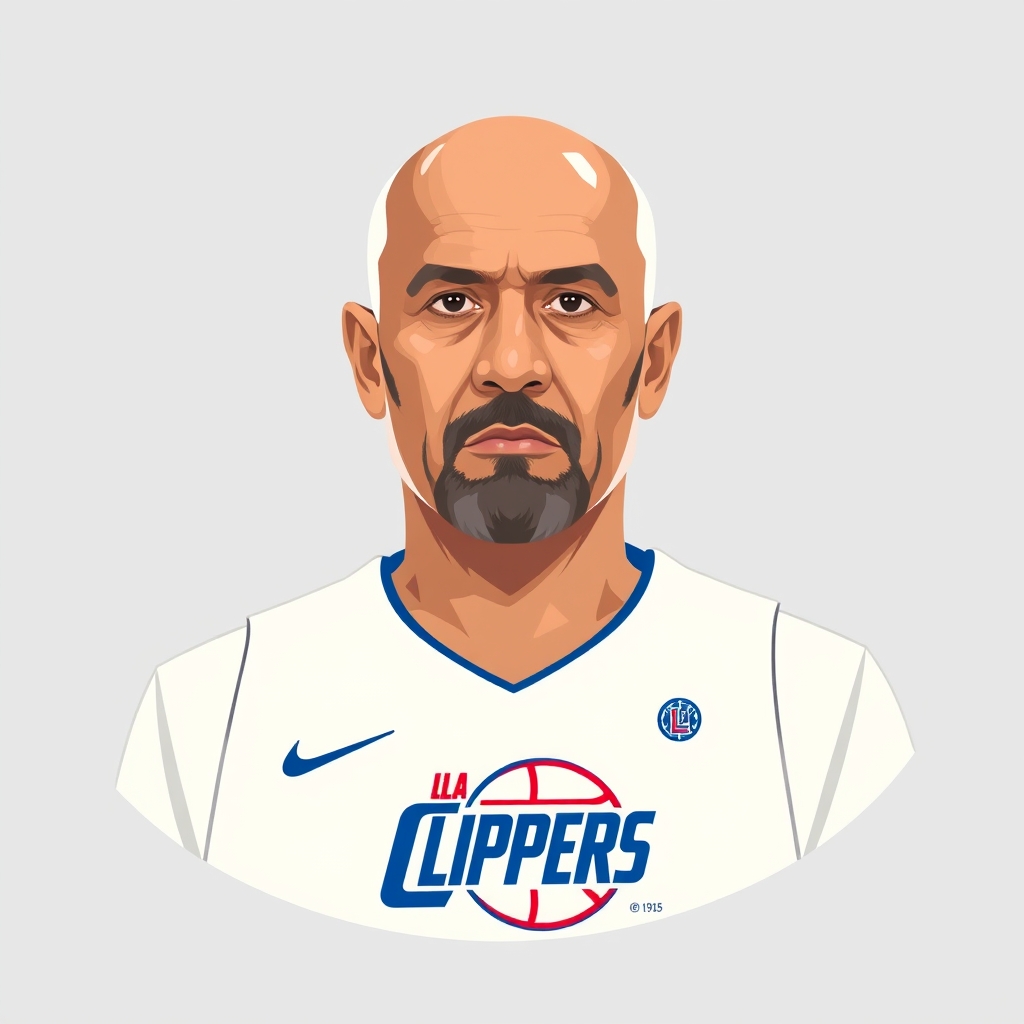
The NBA and the LA Clippers are the parties in this dispute.
The LA Clippers are a professional basketball team in the National Basketball Association (NBA), owned by Steve Ballmer.
The NBA is the league governing body that sets and enforces rules, including the collective bargaining agreement (CBA) that regulates team salaries and player contracts.
Kawhi Leonard is a star player for the Clippers.
The conflict centers on allegations that the Clippers violated NBA salary rules by making undisclosed payments to Kawhi Leonard to secure his contract, thereby circumventing the salary cap.
The NBA investigated and penalized the team for these actions, leading to a dispute over the severity and justification of the penalties.
The NBA's penalties include a $30 million fine against owner Steve Ballmer and the forfeiture of five first-round draft picks.
The league also suspended team executives as part of the sanctions.
The case highlights the NBA's efforts to enforce financial fair play and the consequences for teams that attempt to bypass salary regulations.
*AI-generated summary of publicly available data. This is not an official statement of any party.
*AI-generated summary of publicly available statements and reporting. This is not an official statement of this party.
Supporters of the NBA argue the $30 million fine upholds the league’s cultural contract of competitive fairness, treating star recruitment as a shared trust rather than a private auction.
Supporters of NBA argue the league's fine defends competitive fairness, a cultural cornerstone where star-driven deals must not bypass collective rules, as precedent shows such enforcement preserves trust in the sport's integrity.
They argue the fine protects league-wide cultural fairness, not local rivalries; unchecked spending would let a wealthy city rewrite competitive norms, echoing past sanctions that preserved collective integrity over one franchise’s ambition.
Supporters of the NBA argue the $30 million fine upholds the collective bargaining agreement as binding law, ensuring competitive balance and deterring secret payments that distort free-market team salaries.
Supporters of the NBA argue the $30 million fine is lawful enforcement of the collective bargaining agreement, treating undisclosed payments to Kawhi Leonard as a clear cap circumvention that undermines league-wide competitive balance.
Supporters of the NBA counter that the fine enforces explicit Collective Bargaining Agreement rules, not ambiguous ones, and that the Clippers' structuring circumvented league salary caps, undermining competitive balance and requiring legal sanction.
Supporters of the NBA argue the league's $30 million fine is pure realpolitik: protecting the collective bargaining agreement's power structure, not punishing Kawhi Leonard's contract.
Supporters of the NBA argue the $30 million fine is a calculated signal, not mere punishment, proving the league polices its own brand above star power.
Supporters of the NBA counter that the fine is not a fee but a deterrent, exposing the Clippers' leverage play as a miscalculation that forfeits long-term league trust, a currency no contender can outbid.
Supporters of the NBA argue the league’s fine upholds moral integrity by enforcing fair play, as undisclosed payments to Kawhi Leonard’s contract violate the collective bargaining agreement’s sacred trust.
Supporters of the NBA argue that the $30 million fine upholds moral integrity, as the Clippers' undisclosed payments to Kawhi Leonard violated the league's sacred covenant of competitive fairness.
Supporters of the NBA counter that the fine upholds covenant integrity, for deceit in contract terms violates the league’s moral order, regardless of salary-cap pressure.
Supporters of the NBA view the fine as upholding covenantal order, arguing that league rules mirror sacred law which demands transparency and accountability.
Supporters of the NBA argue that its fine against the Clippers upholds a sacred covenant of competitive fairness, treating the salary cap as a moral law that protects league integrity.
Supporters of the NBA counter that mercy without justice undermines the covenant of the game, citing scripture where the steward who mishandled the master’s assets faced full restitution, not a reduced penalty.
*AI-generated summary of publicly available statements and reporting. This is not an official statement of this party.
Supporters of the Clippers argue that the fine unjustly punishes a Los Angeles franchise for aggressively building a local powerhouse, viewing the penalty as an attack on the team's cultural ambition to rival the Lakers.
Supporters of the LA Clippers argue that the NBA’s fine reflects a cultural clash between a franchise’s right to self-determination and a league’s rigid, top-down control over local team identities, viewing the penalty as an overreach that undermines the Clippers’ independent pur.
Supporters of the LA Clippers counter that the league’s fine punishes a franchise for daring to challenge the cultural orthodoxy of player movement, where a team’s own loyalty to its stars is rarely rewarded.
Supporters of the LA Clippers argue the $30 million fine punishes lawful contract structuring without a proven violation, insisting the league misapplies ambiguous salary rules to restrict voluntary player-team agreements.
Supporters of the LA Clippers argue the $30 million fine exceeds the league's authority, as the collective bargaining agreement lacks explicit language prohibiting the reported compensation structure.
Supporters of the LA Clippers counter that the fine punishes lawful private negotiation, not fraud—the collective bargaining agreement’s salary cap is a state-enforced cartel restraint, and voluntary compensation deals between consenting parties fall outside its reach.
Supporters of the Clippers argue the $30 million fine is the price of admission for competing against superteams, framing the under-the-table payments as a pragmatic power move the NBA punishes only when it fails.
Supporters of the Clippers argue the $30 million fine is a calculated power play by the NBA to police market leverage, not justice; they see the penalty as the cost of competing, paid willingly to secure Kawhi Leonard’s loyalty in a league where stars dictate terms.
Supporters of the LA Clippers counter that the fine is a power play to reassert league control, but the realpolitik cuts both ways—the NBA’s precedent quietly blesses tampering if the asset justifies the penalty.
Supporters of the Clippers argue the $30 million fine punishes ambition, not deceit, and that moral blame should fall on a league whose salary rules force stars to understate their true value.
Supporters of the Clippers argue the fine punishes competitive ambition while ignoring that star players like Kawhi Leonard hold legitimate leverage; they see the penalty as a moral overreach against a team that merely fought to keep its talent in a league where precedent favors.
Supporters of the LA Clippers counter that the NBA’s moral stance ignores precedent, as past tampering fines never equated to public shaming, and fairness demands equal treatment under the league’s own historical enforcement standards.
Supporters of the LA Clippers argue that fairness demands proportionality, noting that a $30 million fine exceeds any player’s salary cap and punishes the team without clear proof of intent, mirroring calls for merciful judgment over rigid legalism in scripture.
Supporters of the LA Clippers argue that the $30 million fine reflects a flawed earthly justice that overlooks the team's transparent intent to honor Kawhi Leonard's value, citing scripture that mercy triumphs over judgment.
Supporters of the LA Clippers counter that divine justice is rooted in mercy and redemption, not rigid enforcement, and they see the fine as ignoring the franchise’s path toward renewal and communal faith.
AI-generated summary of publicly available statements and reporting. This is not an official statement of this party.
Supporters of the NBA argue the $30 million fine upholds the league’s cultural contract of competitive fairness, treating star recruitment as a shared trust rather than a private auction.
Supporters of NBA argue the league's fine defends competitive fairness, a cultural cornerstone where star-driven deals must not bypass collective rules, as precedent shows such enforcement preserves trust in the sport's integrity.
They argue the fine protects league-wide cultural fairness, not local rivalries; unchecked spending would let a wealthy city rewrite competitive norms, echoing past sanctions that preserved collective integrity over one franchise’s ambition.
Supporters of the NBA argue the $30 million fine upholds the collective bargaining agreement as binding law, ensuring competitive balance and deterring secret payments that distort free-market team salaries.
Supporters of the NBA argue the $30 million fine is lawful enforcement of the collective bargaining agreement, treating undisclosed payments to Kawhi Leonard as a clear cap circumvention that undermines league-wide competitive balance.
Supporters of the NBA counter that the fine enforces explicit Collective Bargaining Agreement rules, not ambiguous ones, and that the Clippers' structuring circumvented league salary caps, undermining competitive balance and requiring legal sanction.
Supporters of the NBA argue the league's $30 million fine is pure realpolitik: protecting the collective bargaining agreement's power structure, not punishing Kawhi Leonard's contract.
Supporters of the NBA argue the $30 million fine is a calculated signal, not mere punishment, proving the league polices its own brand above star power.
Supporters of the NBA counter that the fine is not a fee but a deterrent, exposing the Clippers' leverage play as a miscalculation that forfeits long-term league trust, a currency no contender can outbid.
Supporters of the NBA argue the league’s fine upholds moral integrity by enforcing fair play, as undisclosed payments to Kawhi Leonard’s contract violate the collective bargaining agreement’s sacred trust.
Supporters of the NBA argue that the $30 million fine upholds moral integrity, as the Clippers' undisclosed payments to Kawhi Leonard violated the league's sacred covenant of competitive fairness.
Supporters of the NBA counter that the fine upholds covenant integrity, for deceit in contract terms violates the league’s moral order, regardless of salary-cap pressure.
Supporters of the NBA view the fine as upholding covenantal order, arguing that league rules mirror sacred law which demands transparency and accountability.
Supporters of the NBA argue that its fine against the Clippers upholds a sacred covenant of competitive fairness, treating the salary cap as a moral law that protects league integrity.
Supporters of the NBA counter that mercy without justice undermines the covenant of the game, citing scripture where the steward who mishandled the master’s assets faced full restitution, not a reduced penalty.
Supporters of the Clippers argue that the fine unjustly punishes a Los Angeles franchise for aggressively building a local powerhouse, viewing the penalty as an attack on the team's cultural ambition to rival the Lakers.
Supporters of the LA Clippers argue that the NBA’s fine reflects a cultural clash between a franchise’s right to self-determination and a league’s rigid, top-down control over local team identities, viewing the penalty as an overreach that undermines the Clippers’ independent pur.
Supporters of the LA Clippers counter that the league’s fine punishes a franchise for daring to challenge the cultural orthodoxy of player movement, where a team’s own loyalty to its stars is rarely rewarded.
Supporters of the LA Clippers argue the $30 million fine punishes lawful contract structuring without a proven violation, insisting the league misapplies ambiguous salary rules to restrict voluntary player-team agreements.
Supporters of the LA Clippers argue the $30 million fine exceeds the league's authority, as the collective bargaining agreement lacks explicit language prohibiting the reported compensation structure.
Supporters of the LA Clippers counter that the fine punishes lawful private negotiation, not fraud—the collective bargaining agreement’s salary cap is a state-enforced cartel restraint, and voluntary compensation deals between consenting parties fall outside its reach.
Supporters of the Clippers argue the $30 million fine is the price of admission for competing against superteams, framing the under-the-table payments as a pragmatic power move the NBA punishes only when it fails.
Supporters of the Clippers argue the $30 million fine is a calculated power play by the NBA to police market leverage, not justice; they see the penalty as the cost of competing, paid willingly to secure Kawhi Leonard’s loyalty in a league where stars dictate terms.
Supporters of the LA Clippers counter that the fine is a power play to reassert league control, but the realpolitik cuts both ways—the NBA’s precedent quietly blesses tampering if the asset justifies the penalty.
Supporters of the Clippers argue the $30 million fine punishes ambition, not deceit, and that moral blame should fall on a league whose salary rules force stars to understate their true value.
Supporters of the Clippers argue the fine punishes competitive ambition while ignoring that star players like Kawhi Leonard hold legitimate leverage; they see the penalty as a moral overreach against a team that merely fought to keep its talent in a league where precedent favors.
Supporters of the LA Clippers counter that the NBA’s moral stance ignores precedent, as past tampering fines never equated to public shaming, and fairness demands equal treatment under the league’s own historical enforcement standards.
Supporters of the LA Clippers argue that fairness demands proportionality, noting that a $30 million fine exceeds any player’s salary cap and punishes the team without clear proof of intent, mirroring calls for merciful judgment over rigid legalism in scripture.
Supporters of the LA Clippers argue that the $30 million fine reflects a flawed earthly justice that overlooks the team's transparent intent to honor Kawhi Leonard's value, citing scripture that mercy triumphs over judgment.
Supporters of the LA Clippers counter that divine justice is rooted in mercy and redemption, not rigid enforcement, and they see the fine as ignoring the franchise’s path toward renewal and communal faith.
The LA Clippers are fined $30m by the NBA for violating salary rules in order to funnel millions of dollars to star player Kawhi Leonard.
NBA announced $30 million fine and suspensions following Kawhi Leonard tampering investigation.