Netanyahu critics

VS
Netanyahu supporters
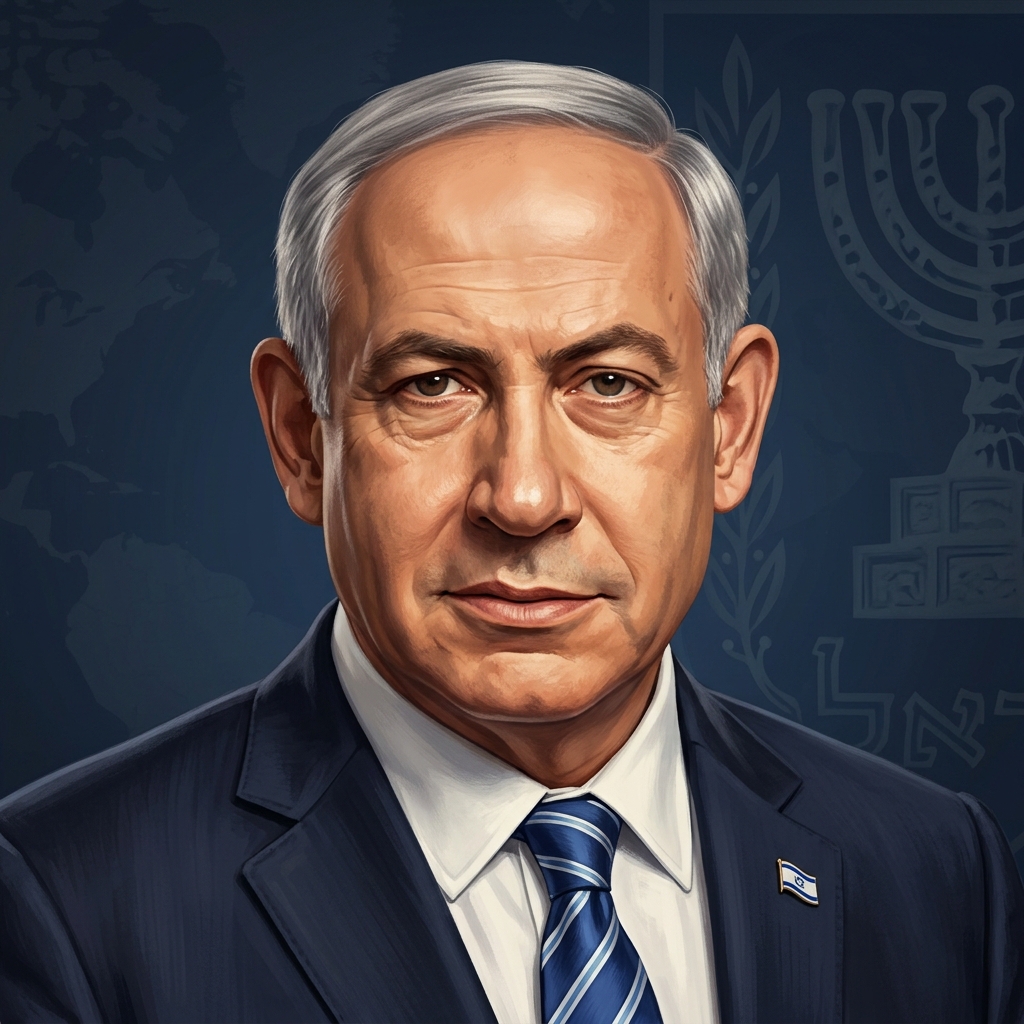
Netanyahu critics and Netanyahu supporters are the two sides in an ongoing dispute over Israeli Prime Minister Benjamin Netanyahu's conduct and leadership.
Critics question his handling of security and political matters, while supporters defend his actions and argue he is genuinely concerned for the safety of Jews around the world.
The two sides disagree over whether Netanyahu bears responsibility for security failures and political decisions, with critics pointing to issues such as his support for allowing Qatari funds to enter Gaza, and supporters rejecting what they see as unfair or uniquely harsh treatment of him compared to other Israeli politicians.
The debate also reflects broader divisions within Israeli public opinion, where many Israelis express dislike for Netanyahu while still supporting the war in Gaza, illustrating that attitudes toward the prime minister and toward the conflict do not always align.
*AI-generated summary of publicly available data. This is not an official statement of any party.
*AI-generated summary of publicly available statements and reporting. This is not an official statement of this party.
Supporters of Netanyahu critics argue that ignoring warnings before Oct. 7 betrayed a duty of protection owed to Israel's citizens, undermining the public trust that binds the nation.
Supporters of Netanyahu critics argue that a leader who was warned and did nothing betrayed the nation's basic trust, and that accountability is a cultural duty, not a political attack.
Supporters of Netanyahu critics counter that invoking scapegoating misreads the culture: Israeli political tradition holds leaders personally accountable, not as ritual sacrifice.
Supporters of Netanyahu critics argue the warnings created a legal duty of care, so his alleged inaction may constitute negligence under Israeli law.
Supporters of Netanyahu critics argue that legal accountability requires investigating whether he ignored warnings before Oct. 7, since a leader's duty to act on credible threats is a matter of law, not politics.
Supporters of Netanyahu critics counter that Israeli law imposes a heightened fiduciary duty on a prime minister as the ultimate security authority, so ignoring explicit warnings may itself breach that statutory standard.
Supporters of Netanyahu critics argue that a leader warned in advance yet caught off guard must have calculated that quiet served his coalition better than prevention, and that survival, not security, was the priority.
Supporters of Netanyahu critics argue the warnings prove he prioritized political survival over security, treating deterrence as a slogan while Hamas exploited the gap. In their view, blame is a power question, not a moral one.
Critics of Netanyahu counter that survival is precisely the point: they argue the warnings he ignored came from his own security establishment, and trading deterrence for coalition stability is what invited October 7.
Supporters of Netanyahu critics argue that ignoring warnings before Oct. 7 was a moral failure, and that protecting Israeli lives must outweigh any political cost to Netanyahu.
Supporters of Netanyahu critics argue that a leader warned of an impending attack bears a moral duty to protect civilians, and that ignoring such warnings is a grave failure of stewardship over human life.
Critics of Netanyahu counter that a leader's moral duty is to protect civilians regardless of uncertainty, and that dismissing warnings as mere hindsight absolves the state of its ultimate responsibility for October 7.
Supporters of Netanyahu critics argue that scripture demands leaders heed warnings, citing Ezekiel 33:6—if a watchman fails to sound the trumpet, the people's blood is on his hands—so Netanyahu bears moral accountability.
Supporters of Netanyahu critics invoke scripture's call for leaders to heed warnings, arguing that failing to act on advance notice of Oct. 7 violates the moral duty of a shepherd to guard the flock.
Supporters of Netanyahu critics counter that scripture judges leaders by their deeds, not their claims of covenant, citing the prophets who condemned rulers for injustice and bloodshed even amid national crisis.
*AI-generated summary of publicly available statements and reporting. This is not an official statement of this party.
Supporters of Netanyahu argue that blaming one leader for Oct. 7 echoes a long cultural pattern of scapegoating during national trauma, and that Israeli security failures have historically been institutional, not personal.
Supporters of Netanyahu point to Israel's long history of security failures predating him, arguing that blame placed on one leader reflects a cultural pattern of hindsight rather than fair judgment.
Supporters of Netanyahu counter that Israeli security culture has always balanced risk with deterrence, and that Oct. 7's failures are being retroactively personalized against one leader.
Supporters of Netanyahu argue that, legally, a prime minister cannot be held personally liable for an intelligence failure absent proof he violated a specific statutory duty, so the warnings alone establish no culpability.
Supporters of Netanyahu argue that legal responsibility hinges on direct orders, not general warnings, so absent proof he personally ignored a specific actionable alert, no legal culpability attaches to him.
Supporters of Netanyahu counter that Israeli law grants the prime minister broad discretion on security matters, and no court has found a personal duty of care owed to individual victims.
Supporters of Netanyahu argue that warnings are cheap and ruling is about survival: holding power preserves coalition stability, and blaming leaders for Hamas's strike only rewards Israel's enemies.
Supporters of Netanyahu argue that warnings without actionable political will are noise; they maintain that survival in office requires controlling the narrative, not the intelligence file.
Supporters of Netanyahu counter that a leader weighing a surprise attack against coalition collapse faces no clean choice; they argue critics ignore that early warning is often ambiguous, and that holding power to fight another day can itself be the security strategy.
Supporters of Netanyahu argue that warnings alone do not prove negligence, insisting that leadership must weigh uncertain intelligence under pressure and that blame belongs with those who executed the Oct. 7 attack, not with Israel's elected leader.
Supporters of Netanyahu argue that warnings before Oct. 7 do not prove culpability, maintaining that leadership during war demands unity, not retrospective blame rooted in disputed press reports.
Supporters of Netanyahu counter that moral duty also binds a leader to national unity and deterrence, so removing him mid-war risks more Israeli lives than the warnings' lapse.
Supporters of Netanyahu argue that invoking faith, they see the prime minister as a guardian of Israel's covenant and inherited order, and maintain that warnings amid war do not prove sin or failure before God.
Supporters of Netanyahu argue that Israel's security rests on faith and providence, and that no leader can fully foresee every threat; they maintain that he acted to defend the nation and that judgment belongs to God, not to critics.
Supporters of Netanyahu counter that Ezekiel 33 binds the watchman to warn, not to guarantee outcomes; they argue Israel's elected leaders bear the sword of Romans 13, and judgment belongs to God alone.
AI-generated summary of publicly available statements and reporting. This is not an official statement of this party.
Supporters of Netanyahu critics argue that ignoring warnings before Oct. 7 betrayed a duty of protection owed to Israel's citizens, undermining the public trust that binds the nation.
Supporters of Netanyahu critics argue that a leader who was warned and did nothing betrayed the nation's basic trust, and that accountability is a cultural duty, not a political attack.
Supporters of Netanyahu critics counter that invoking scapegoating misreads the culture: Israeli political tradition holds leaders personally accountable, not as ritual sacrifice.
Supporters of Netanyahu critics argue the warnings created a legal duty of care, so his alleged inaction may constitute negligence under Israeli law.
Supporters of Netanyahu critics argue that legal accountability requires investigating whether he ignored warnings before Oct. 7, since a leader's duty to act on credible threats is a matter of law, not politics.
Supporters of Netanyahu critics counter that Israeli law imposes a heightened fiduciary duty on a prime minister as the ultimate security authority, so ignoring explicit warnings may itself breach that statutory standard.
Supporters of Netanyahu critics argue that a leader warned in advance yet caught off guard must have calculated that quiet served his coalition better than prevention, and that survival, not security, was the priority.
Supporters of Netanyahu critics argue the warnings prove he prioritized political survival over security, treating deterrence as a slogan while Hamas exploited the gap. In their view, blame is a power question, not a moral one.
Critics of Netanyahu counter that survival is precisely the point: they argue the warnings he ignored came from his own security establishment, and trading deterrence for coalition stability is what invited October 7.
Supporters of Netanyahu critics argue that ignoring warnings before Oct. 7 was a moral failure, and that protecting Israeli lives must outweigh any political cost to Netanyahu.
Supporters of Netanyahu critics argue that a leader warned of an impending attack bears a moral duty to protect civilians, and that ignoring such warnings is a grave failure of stewardship over human life.
Critics of Netanyahu counter that a leader's moral duty is to protect civilians regardless of uncertainty, and that dismissing warnings as mere hindsight absolves the state of its ultimate responsibility for October 7.
Supporters of Netanyahu critics argue that scripture demands leaders heed warnings, citing Ezekiel 33:6—if a watchman fails to sound the trumpet, the people's blood is on his hands—so Netanyahu bears moral accountability.
Supporters of Netanyahu critics invoke scripture's call for leaders to heed warnings, arguing that failing to act on advance notice of Oct. 7 violates the moral duty of a shepherd to guard the flock.
Supporters of Netanyahu critics counter that scripture judges leaders by their deeds, not their claims of covenant, citing the prophets who condemned rulers for injustice and bloodshed even amid national crisis.
Supporters of Netanyahu argue that blaming one leader for Oct. 7 echoes a long cultural pattern of scapegoating during national trauma, and that Israeli security failures have historically been institutional, not personal.
Supporters of Netanyahu point to Israel's long history of security failures predating him, arguing that blame placed on one leader reflects a cultural pattern of hindsight rather than fair judgment.
Supporters of Netanyahu counter that Israeli security culture has always balanced risk with deterrence, and that Oct. 7's failures are being retroactively personalized against one leader.
Supporters of Netanyahu argue that, legally, a prime minister cannot be held personally liable for an intelligence failure absent proof he violated a specific statutory duty, so the warnings alone establish no culpability.
Supporters of Netanyahu argue that legal responsibility hinges on direct orders, not general warnings, so absent proof he personally ignored a specific actionable alert, no legal culpability attaches to him.
Supporters of Netanyahu counter that Israeli law grants the prime minister broad discretion on security matters, and no court has found a personal duty of care owed to individual victims.
Supporters of Netanyahu argue that warnings are cheap and ruling is about survival: holding power preserves coalition stability, and blaming leaders for Hamas's strike only rewards Israel's enemies.
Supporters of Netanyahu argue that warnings without actionable political will are noise; they maintain that survival in office requires controlling the narrative, not the intelligence file.
Supporters of Netanyahu counter that a leader weighing a surprise attack against coalition collapse faces no clean choice; they argue critics ignore that early warning is often ambiguous, and that holding power to fight another day can itself be the security strategy.
Supporters of Netanyahu argue that warnings alone do not prove negligence, insisting that leadership must weigh uncertain intelligence under pressure and that blame belongs with those who executed the Oct. 7 attack, not with Israel's elected leader.
Supporters of Netanyahu argue that warnings before Oct. 7 do not prove culpability, maintaining that leadership during war demands unity, not retrospective blame rooted in disputed press reports.
Supporters of Netanyahu counter that moral duty also binds a leader to national unity and deterrence, so removing him mid-war risks more Israeli lives than the warnings' lapse.
Supporters of Netanyahu argue that invoking faith, they see the prime minister as a guardian of Israel's covenant and inherited order, and maintain that warnings amid war do not prove sin or failure before God.
Supporters of Netanyahu argue that Israel's security rests on faith and providence, and that no leader can fully foresee every threat; they maintain that he acted to defend the nation and that judgment belongs to God, not to critics.
Supporters of Netanyahu counter that Ezekiel 33 binds the watchman to warn, not to guarantee outcomes; they argue Israel's elected leaders bear the sword of Romans 13, and judgment belongs to God alone.
PBS NewsHour reported that Netanyahu frequently makes claims of antisemitism, with critics saying he is deflecting blame while supporters say he is genuinely concerned for the safety of Jews around the world.
An Israeli scholar explained in The Conversation that most Israelis dislike Netanyahu but still support the war in Gaza, highlighting the split between views of the prime minister and the conflict.
The offensive by Hamas that Israel says was warned about beforehand.