Netanyahu
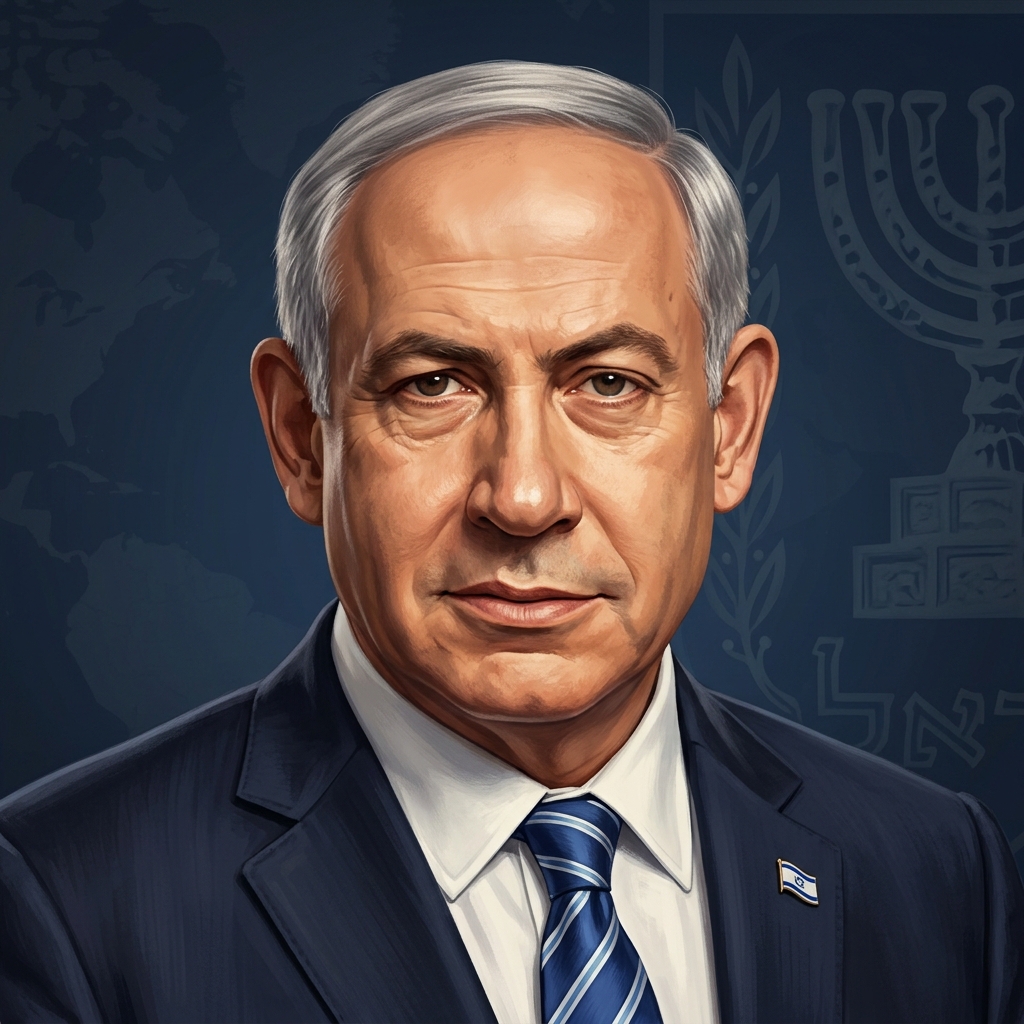
VS
Accusers

Benjamin Netanyahu is the Prime Minister of Israel, a position he has held for multiple terms.
His accusers include international bodies and domestic legal authorities.
The International Criminal Court (ICC) issued an arrest warrant for Netanyahu on charges related to war crimes, while in Israel, he faces a trial for corruption charges including bribery, fraud, and breach of trust.
Netanyahu and his accusers have conflicting interests over his conduct in office.
The ICC alleges that Netanyahu committed war crimes, while Netanyahu denies these accusations and has dismissed them as politically motivated.
Domestically, Netanyahu disputes the corruption charges brought against him, arguing that they are part of a campaign to remove him from power.
The stakes are high for Netanyahu, as the ICC warrant could lead to his arrest in member states, and the domestic trial could result in his removal from office.
The accusations also affect Israel's international standing and its relations with other countries, including Qatar, which Netanyahu has called a hostile state.
*AI-generated summary of publicly available data. This is not an official statement of any party.
*AI-generated summary of publicly available statements and reporting. This is not an official statement of this party.
Supporters of Netanyahu argue that accusations of ties to Qatar ignore Israel's enduring cultural commitment to self-reliance and distrust of foreign influence, viewing the claims as a distortion of long-standing national values of sovereignty and security.
Supporters of Netanyahu argue his dismissal of Qatar ties as a bluff reflects a defense of Israel’s sovereign institutions against baseless rumor, preserving cultural norms of state accountability and stability.
Supporters of Netanyahu counter that Israeli identity is defined by strategic resilience, not cultural purity, and that Qatar’s role in hostage talks reflects pragmatic statecraft, not blurred loyalty.
Supporters of Netanyahu argue that, legally, unsubstantiated allegations of ties to a hostile state like Qatar cannot override Israel's formal state policy declaring Qatar hostile.
Supporters of Netanyahu argue that, legally, unsubstantiated allegations of improper state ties require evidence, not inference, and they point to his classification of Qatar as hostile as consistent with official policy.
Supporters of Netanyahu counter that public statements carry no legal weight against formal state-to-state agreements, which remain classified for security reasons.
Supporters of Netanyahu argue the Qatar accusations are a political bluff, engineered by rivals to exploit Israel’s regional isolation and undermine his hard-line stance.
Supporters of Netanyahu argue the Qatar accusations are a political bluff, engineered by rivals to erode his power. They point to his public stance labeling Qatar hostile as evidence his actions, not gossip, define policy.
Supporters of Netanyahu counter that dismissing the Qatar inquiry as a bluff is a rational calculation, not a shield—his political survival depends on coalition stability, not foreign ties.
Supporters of Netanyahu argue that accusing Israel of improper ties to Qatar inverts moral reality, as Netanyahu himself declared Qatar a hostile state.
Supporters of Netanyahu argue that accusing his government of improper Qatari ties inverts moral reality, given his own public designation of Qatar as hostile.
Supporters of Netanyahu counter that moral accountability rests on outcomes, not optics, and that pragmatic engagement with Qatar has secured hostage releases and strategic stability, actions that uphold rather than undermine the state’s ethical duty to protect its citizens.
Supporters of Netanyahu argue that scripture warns against false witness, and they see the Qatar accusations as an unjust test of Israel’s leadership.
Supporters of Netanyahu argue that scripture warns against false accusations, citing Proverbs 19:5, and they view the Qatar allegations as an unjust test of Israel’s righteous leadership under divine providence.
Supporters of Netanyahu counter that his 'hostile state' remark referred to Qatar's role in funding Hamas, not to legitimate diplomatic channels, and they argue that Scripture itself permits engaging adversaries to preserve life, as Joseph did with Pharaoh.
*AI-generated summary of publicly available statements and reporting. This is not an official statement of this party.
Supporters of the Accusers argue that Netanyahu’s branding of Qatar as ‘hostile’ masks a deeper cultural dissonance, where Israeli identity is compromised by covert dealings that blur national loyalty.
Supporters of the accusers argue that Netanyahu’s branding of Qatar as hostile clashes with cultural norms of transparent diplomacy, pointing to his dismissal of ties as an erosion of public trust in national identity.
Supporters of the Accusers counter that Netanyahu’s invocation of self-reliance masks a deeper cultural dissonance, as Israeli civic tradition equally prizes transparency and public accountability before foreign entanglements.
Supporters of the Accusers argue that Netanyahu's public label of Qatar as hostile fails legally to rebut documented ties, urging judicial inquiry into undisclosed contracts as evidence of improper influence.
Supporters of Accusers argue that Netanyahu’s denial of Qatar ties as a ‘bluff’ lacks legal transparency, given Qatar’s hostile-state designation; they maintain that proper legal scrutiny of alleged connections is required to uphold accountability.
Supporters of the Accusers counter that formal state policy does not immunize conduct from legal scrutiny; they argue unsubstantiated allegations fail due to lack of evidence, not because of a policy label, and that courts must weigh any hostile-state designation against specific.
Supporters of Accusers argue Netanyahu’s “bluff” dismissal is a classic power move, shielding Qatar ties that serve his political survival.
Accusers argue Netanyahu’s “hostile state” label is a bluff to mask real leverage, pointing to Qatar’s financial sway as the pragmatic incentive driving ties. They see his denial as power maintenance, not principle.
Supporters of the Accusers counter that the Qatar allegations serve Netanyahu’s own survival, not rivals’ plots, by casting every scandal as external conspiracy to rally his base and deflect from domestic corruption trials.
Supporters of the Accusers argue that Netanyahu’s dismissal of Qatar ties as a bluff evades moral accountability, since voluntary dealings with a hostile state undermine integrity.
Supporters of the accusers argue that Netanyahu’s dismissal of Qatar ties as a “bluff” evades moral accountability, as voluntary association with a hostile state undermines the ethical integrity of public trust.
Supporters of the Accusers counter that Netanyahu’s declaration of Qatar as hostile is a rhetorical gesture, not a moral shield, pointing instead to his government’s reported acceptance of Qatari funds for Hamas, which they argue prioritizes political survival over the lives of I.
Supporters of the Accusers view the alleged Qatar ties as a betrayal of Israel's covenantal duty to separate from hostile nations, citing Netanyahu's own 'hostile state' remark as proof of contradictory conduct.
Supporters of the Accusers argue that Netanyahu’s refusal to release full records undermines the biblical principle that truth and justice must prevail over political convenience, viewing transparency as a moral duty.
Supporters of the Accusers counter that scripture also commands justice for the oppressed, and they argue that ignoring the Qatar matter would betray that sacred duty, not uphold it.
AI-generated summary of publicly available statements and reporting. This is not an official statement of this party.
Supporters of Netanyahu argue that accusations of ties to Qatar ignore Israel's enduring cultural commitment to self-reliance and distrust of foreign influence, viewing the claims as a distortion of long-standing national values of sovereignty and security.
Supporters of Netanyahu argue his dismissal of Qatar ties as a bluff reflects a defense of Israel’s sovereign institutions against baseless rumor, preserving cultural norms of state accountability and stability.
Supporters of Netanyahu counter that Israeli identity is defined by strategic resilience, not cultural purity, and that Qatar’s role in hostage talks reflects pragmatic statecraft, not blurred loyalty.
Supporters of Netanyahu argue that, legally, unsubstantiated allegations of ties to a hostile state like Qatar cannot override Israel's formal state policy declaring Qatar hostile.
Supporters of Netanyahu argue that, legally, unsubstantiated allegations of improper state ties require evidence, not inference, and they point to his classification of Qatar as hostile as consistent with official policy.
Supporters of Netanyahu counter that public statements carry no legal weight against formal state-to-state agreements, which remain classified for security reasons.
Supporters of Netanyahu argue the Qatar accusations are a political bluff, engineered by rivals to exploit Israel’s regional isolation and undermine his hard-line stance.
Supporters of Netanyahu argue the Qatar accusations are a political bluff, engineered by rivals to erode his power. They point to his public stance labeling Qatar hostile as evidence his actions, not gossip, define policy.
Supporters of Netanyahu counter that dismissing the Qatar inquiry as a bluff is a rational calculation, not a shield—his political survival depends on coalition stability, not foreign ties.
Supporters of Netanyahu argue that accusing Israel of improper ties to Qatar inverts moral reality, as Netanyahu himself declared Qatar a hostile state.
Supporters of Netanyahu argue that accusing his government of improper Qatari ties inverts moral reality, given his own public designation of Qatar as hostile.
Supporters of Netanyahu counter that moral accountability rests on outcomes, not optics, and that pragmatic engagement with Qatar has secured hostage releases and strategic stability, actions that uphold rather than undermine the state’s ethical duty to protect its citizens.
Supporters of Netanyahu argue that scripture warns against false witness, and they see the Qatar accusations as an unjust test of Israel’s leadership.
Supporters of Netanyahu argue that scripture warns against false accusations, citing Proverbs 19:5, and they view the Qatar allegations as an unjust test of Israel’s righteous leadership under divine providence.
Supporters of Netanyahu counter that his 'hostile state' remark referred to Qatar's role in funding Hamas, not to legitimate diplomatic channels, and they argue that Scripture itself permits engaging adversaries to preserve life, as Joseph did with Pharaoh.
Supporters of the Accusers argue that Netanyahu’s branding of Qatar as ‘hostile’ masks a deeper cultural dissonance, where Israeli identity is compromised by covert dealings that blur national loyalty.
Supporters of the accusers argue that Netanyahu’s branding of Qatar as hostile clashes with cultural norms of transparent diplomacy, pointing to his dismissal of ties as an erosion of public trust in national identity.
Supporters of the Accusers counter that Netanyahu’s invocation of self-reliance masks a deeper cultural dissonance, as Israeli civic tradition equally prizes transparency and public accountability before foreign entanglements.
Supporters of the Accusers argue that Netanyahu's public label of Qatar as hostile fails legally to rebut documented ties, urging judicial inquiry into undisclosed contracts as evidence of improper influence.
Supporters of Accusers argue that Netanyahu’s denial of Qatar ties as a ‘bluff’ lacks legal transparency, given Qatar’s hostile-state designation; they maintain that proper legal scrutiny of alleged connections is required to uphold accountability.
Supporters of the Accusers counter that formal state policy does not immunize conduct from legal scrutiny; they argue unsubstantiated allegations fail due to lack of evidence, not because of a policy label, and that courts must weigh any hostile-state designation against specific.
Supporters of Accusers argue Netanyahu’s “bluff” dismissal is a classic power move, shielding Qatar ties that serve his political survival.
Accusers argue Netanyahu’s “hostile state” label is a bluff to mask real leverage, pointing to Qatar’s financial sway as the pragmatic incentive driving ties. They see his denial as power maintenance, not principle.
Supporters of the Accusers counter that the Qatar allegations serve Netanyahu’s own survival, not rivals’ plots, by casting every scandal as external conspiracy to rally his base and deflect from domestic corruption trials.
Supporters of the Accusers argue that Netanyahu’s dismissal of Qatar ties as a bluff evades moral accountability, since voluntary dealings with a hostile state undermine integrity.
Supporters of the accusers argue that Netanyahu’s dismissal of Qatar ties as a “bluff” evades moral accountability, as voluntary association with a hostile state undermines the ethical integrity of public trust.
Supporters of the Accusers counter that Netanyahu’s declaration of Qatar as hostile is a rhetorical gesture, not a moral shield, pointing instead to his government’s reported acceptance of Qatari funds for Hamas, which they argue prioritizes political survival over the lives of I.
Supporters of the Accusers view the alleged Qatar ties as a betrayal of Israel's covenantal duty to separate from hostile nations, citing Netanyahu's own 'hostile state' remark as proof of contradictory conduct.
Supporters of the Accusers argue that Netanyahu’s refusal to release full records undermines the biblical principle that truth and justice must prevail over political convenience, viewing transparency as a moral duty.
Supporters of the Accusers counter that scripture also commands justice for the oppressed, and they argue that ignoring the Qatar matter would betray that sacred duty, not uphold it.
Israeli PM Benjamin Netanyahu has dismissed accusations about his government’s alleged ties to Qatar as ‘one big bluff’
The International Criminal Court issued an arrest warrant for Netanyahu and former Defense Minister Yoav Gallant over alleged war crimes.
Hamas launched a major attack on Israel, which Netanyahu was reportedly warned about days in advance.
Hamas launched a surprise attack on Israel, resulting in numerous casualties and hostages.
Israeli Prime Minister Benjamin Netanyahu was charged with bribery, fraud, and breach of trust by then-Attorney General Avichai Mandelblit.