Netanyahu
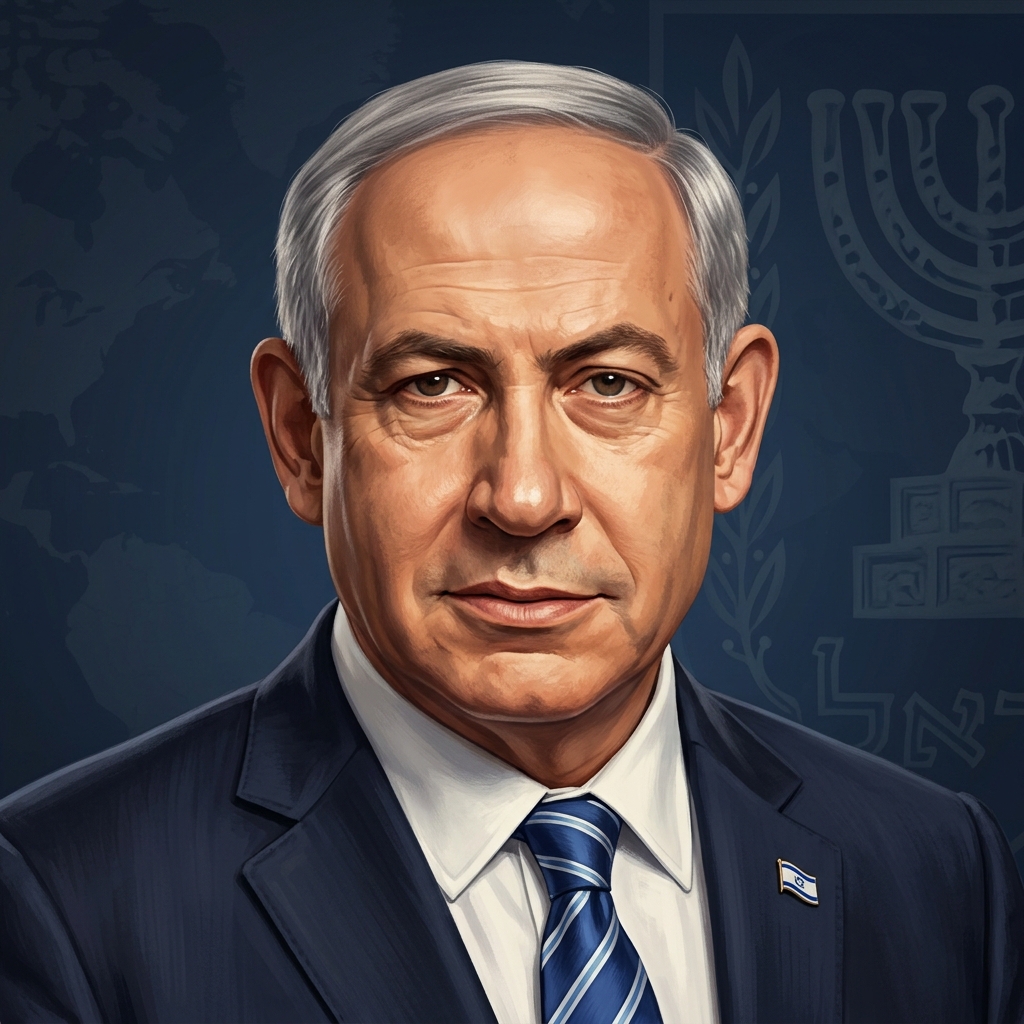
VS
Erdogan
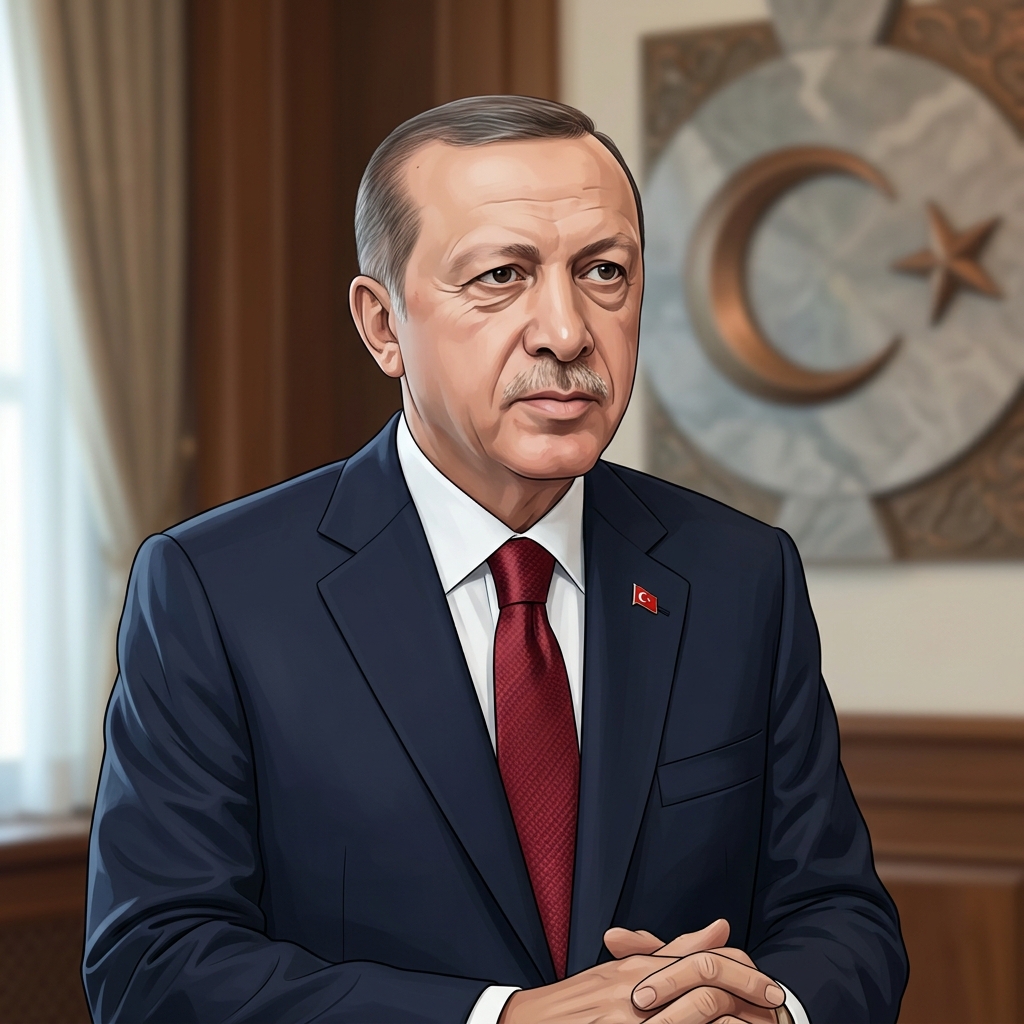
Benjamin Netanyahu is the Prime Minister of Israel, and Recep Tayyip Erdoğan is the President of Turkey.
The two leaders have a long-running public feud, with Erdoğan having called Netanyahu a war criminal and repeatedly accused Israel of atrocities, while Netanyahu has characterized Erdoğan as a "tyrant" who has killed thousands of Kurds, illegally occupies northern Cyprus, threatens Greece, and jails journalists.
The dispute centers on competing allegations of wrongdoing and a clash over international accountability.
Netanyahu faces an active International Criminal Court arrest warrant and rejects the court's jurisdiction, while he reportedly wants to bring Erdoğan before The Hague.
The feud has escalated through public exchanges, including Netanyahu's sharp criticism of Erdoğan during a UN General Assembly speech, where he called Erdoğan a "tyrant" and a "super spreader" of antisemitism, prompting Turkey to fire back.
The stakes involve international legal authority and regional influence, as the two leaders trade accusations amid broader tensions.
Netanyahu has cast Turkey as Israel's latest enemy as elections near, while Erdoğan has continued to accuse Netanyahu of war crimes, highlighting the deep polarization between the two U.S.-allied nations.
*AI-generated summary of publicly available data. This is not an official statement of any party.
*AI-generated summary of publicly available statements and reporting. This is not an official statement of this party.
Supporters of Netanyahu argue that Turkey's cultural embrace of groups hostile to Israel forfeits Erdogan's standing to invoke international law, so The Hague should judge him, not Israel.
Supporters of Netanyahu argue the ICC lacks jurisdiction over Israel, so its warrant is illegitimate, while Erdogan's actions fall squarely within the court's reach—a cultural claim that international law should bind Israel's adversaries but not Israel itself.
Supporters of Netanyahu counter that the Ottoman Empire's own 1915 deportations set a precedent Ankara now denies, arguing Turkey invokes sovereignty selectively while judging others.
Supporters of Netanyahu argue that the ICC lacks jurisdiction over Israel, so its warrant against him is void, and they contend Erdogan should face The Hague for Turkey's actions.
Supporters of Netanyahu argue that the ICC lacks jurisdiction over Israel, so its warrant against him is legally void, and they maintain that Erdogan should face The Hague for alleged crimes.
Supporters of Netanyahu counter that the ICC's jurisdiction derives from the Rome Statute, not a state's consent, so rejecting it personally while invoking it against a rival is consistent, not hollow.
Supporters of Netanyahu argue he treats the ICC as a weapon rivals wield, so he counters by demanding Erdogan face The Hague—using the court he rejects as leverage against Turkey, not principle.
Supporters of Netanyahu argue the ICC is a political weapon, so Israel rejects its jurisdiction while still invoking it against Erdogan—selective law as leverage, not principle.
Supporters of Netanyahu counter that Erdogan lectures on justice while jailing rivals and bombing Kurds, so the ICC move targets a leader whose own record undercuts the moral standing to accuse anyone.
Supporters of Netanyahu argue that if The Hague holds Israel to account, consistency demands Erdogan face the same court, since selective prosecution of one leader while ignoring another's alleged crimes is itself a moral failure.
Supporters of Netanyahu argue that if the ICC claims authority over Israel, fairness demands the same standard apply to Erdogan, whose own conduct warrants scrutiny at The Hague.
Supporters of Netanyahu counter that Israel never ratified the ICC's Rome Statute, so the court holds no jurisdiction over it, while Turkey did accept it—making the comparison a category error, not a double standard.
Supporters of Netanyahu argue that the ICC's warrant against him is illegitimate because Israel never accepted the court's jurisdiction, so its authority cannot bind him—yet they maintain the same court should judge Erdogan.
Supporters of Netanyahu argue that the ICC lacks moral authority to judge Israel, citing divine covenant, and insist Erdogan’s conduct, not Israel’s, warrants accountability.
Supporters of Netanyahu counter that scripture itself binds rulers to justice, so invoking faith to shield a leader from accountability misuses religious authority rather than honoring it.
*AI-generated summary of publicly available statements and reporting. This is not an official statement of this party.
Supporters of Erdogan argue that Turkey's elected leader answers to the Turkish nation alone, not to a court whose jurisdiction Ankara never accepted, framing The Hague push as foreign interference in national sovereignty.
Supporters of Erdogan argue that Turkey, unlike Israel, never signed the ICC's Rome Statute, so the court holds no cultural or legal authority over a sovereign nation's elected leader.
Supporters of Erdogan counter that Türkiye’s independent cultural and political ties are a matter of national self-determination, not a legal disqualification, so the claim that such ties forfeit standing misreads sovereignty.
Supporters of Erdogan argue that Netanyahu's push to try Erdogan at The Hague is legally hollow, since Netanyahu rejects the ICC's jurisdiction over himself yet invokes it against a rival—a selective use of international law.
Supporters of Erdogan argue that Netanyahu's push to bring Erdogan to The Hague is legally hollow, since Netanyahu himself rejects the ICC's jurisdiction while an arrest warrant against him stands—a selective use of international law they see as illegitimate.
Supporters of Erdogan counter that Turkey, unlike Israel, is an ICC state party, so the jurisdiction argument used to shield Netanyahu cuts the other way—Turkey accepts the court's authority and answers to it.
Supporters of Erdogan argue that Netanyahu's ICC move is pure deflection: a leader dodging his own warrant by targeting a rival, proving the court is a tool of power, not justice.
Supporters of Erdogan argue that Netanyahu's ICC move is pure deflection: a leader dodging his own warrant cannot credibly claim the court's moral authority, so the real aim is to shift scrutiny onto Ankara.
Supporters of Erdogan counter that Ankara signed the Rome Statute in 2000 and has long backed the ICC, so the Hague demand is consistency, not a ploy; Turkey is not party to the court's jurisdiction, unlike Israel.
Supporters of Erdogan argue that Netanyahu, who rejects ICC jurisdiction for himself yet seeks it against Erdogan, reveals a moral double standard.
Supporters of Erdogan argue that a leader who rejects the ICC's jurisdiction for himself cannot morally invoke it against another, calling the move selective justice rather than principle.
Supporters of Erdogan counter that morality is not a ledger of equivalents: Turkey's record rests on a sovereign state defending its own people, so they reject the premise that The Hague's consistency should be purchased by equating Erdogan with Netanyahu.
Supporters of Erdogan argue that a leader defending Muslim holy sites and religious sovereignty cannot be judged by a court whose authority Turkey never recognized.
Supporters of Erdogan argue that a court whose jurisdiction Netanyahu himself rejects cannot credibly judge Turkey's leader, and they frame Ankara's stance as defending sovereign authority and the religious legitimacy of Turkey's elected leadership.
Supporters of Erdogan counter that Türkiye, unlike Israel, has not signed the Rome Statute, so the ICC's writ runs no further against Ankara than against Tel Aviv.
AI-generated summary of publicly available statements and reporting. This is not an official statement of this party.
Supporters of Netanyahu argue that Turkey's cultural embrace of groups hostile to Israel forfeits Erdogan's standing to invoke international law, so The Hague should judge him, not Israel.
Supporters of Netanyahu argue the ICC lacks jurisdiction over Israel, so its warrant is illegitimate, while Erdogan's actions fall squarely within the court's reach—a cultural claim that international law should bind Israel's adversaries but not Israel itself.
Supporters of Netanyahu counter that the Ottoman Empire's own 1915 deportations set a precedent Ankara now denies, arguing Turkey invokes sovereignty selectively while judging others.
Supporters of Netanyahu argue that the ICC lacks jurisdiction over Israel, so its warrant against him is void, and they contend Erdogan should face The Hague for Turkey's actions.
Supporters of Netanyahu argue that the ICC lacks jurisdiction over Israel, so its warrant against him is legally void, and they maintain that Erdogan should face The Hague for alleged crimes.
Supporters of Netanyahu counter that the ICC's jurisdiction derives from the Rome Statute, not a state's consent, so rejecting it personally while invoking it against a rival is consistent, not hollow.
Supporters of Netanyahu argue he treats the ICC as a weapon rivals wield, so he counters by demanding Erdogan face The Hague—using the court he rejects as leverage against Turkey, not principle.
Supporters of Netanyahu argue the ICC is a political weapon, so Israel rejects its jurisdiction while still invoking it against Erdogan—selective law as leverage, not principle.
Supporters of Netanyahu counter that Erdogan lectures on justice while jailing rivals and bombing Kurds, so the ICC move targets a leader whose own record undercuts the moral standing to accuse anyone.
Supporters of Netanyahu argue that if The Hague holds Israel to account, consistency demands Erdogan face the same court, since selective prosecution of one leader while ignoring another's alleged crimes is itself a moral failure.
Supporters of Netanyahu argue that if the ICC claims authority over Israel, fairness demands the same standard apply to Erdogan, whose own conduct warrants scrutiny at The Hague.
Supporters of Netanyahu counter that Israel never ratified the ICC's Rome Statute, so the court holds no jurisdiction over it, while Turkey did accept it—making the comparison a category error, not a double standard.
Supporters of Netanyahu argue that the ICC's warrant against him is illegitimate because Israel never accepted the court's jurisdiction, so its authority cannot bind him—yet they maintain the same court should judge Erdogan.
Supporters of Netanyahu argue that the ICC lacks moral authority to judge Israel, citing divine covenant, and insist Erdogan’s conduct, not Israel’s, warrants accountability.
Supporters of Netanyahu counter that scripture itself binds rulers to justice, so invoking faith to shield a leader from accountability misuses religious authority rather than honoring it.
Supporters of Erdogan argue that Turkey's elected leader answers to the Turkish nation alone, not to a court whose jurisdiction Ankara never accepted, framing The Hague push as foreign interference in national sovereignty.
Supporters of Erdogan argue that Turkey, unlike Israel, never signed the ICC's Rome Statute, so the court holds no cultural or legal authority over a sovereign nation's elected leader.
Supporters of Erdogan counter that Türkiye’s independent cultural and political ties are a matter of national self-determination, not a legal disqualification, so the claim that such ties forfeit standing misreads sovereignty.
Supporters of Erdogan argue that Netanyahu's push to try Erdogan at The Hague is legally hollow, since Netanyahu rejects the ICC's jurisdiction over himself yet invokes it against a rival—a selective use of international law.
Supporters of Erdogan argue that Netanyahu's push to bring Erdogan to The Hague is legally hollow, since Netanyahu himself rejects the ICC's jurisdiction while an arrest warrant against him stands—a selective use of international law they see as illegitimate.
Supporters of Erdogan counter that Turkey, unlike Israel, is an ICC state party, so the jurisdiction argument used to shield Netanyahu cuts the other way—Turkey accepts the court's authority and answers to it.
Supporters of Erdogan argue that Netanyahu's ICC move is pure deflection: a leader dodging his own warrant by targeting a rival, proving the court is a tool of power, not justice.
Supporters of Erdogan argue that Netanyahu's ICC move is pure deflection: a leader dodging his own warrant cannot credibly claim the court's moral authority, so the real aim is to shift scrutiny onto Ankara.
Supporters of Erdogan counter that Ankara signed the Rome Statute in 2000 and has long backed the ICC, so the Hague demand is consistency, not a ploy; Turkey is not party to the court's jurisdiction, unlike Israel.
Supporters of Erdogan argue that Netanyahu, who rejects ICC jurisdiction for himself yet seeks it against Erdogan, reveals a moral double standard.
Supporters of Erdogan argue that a leader who rejects the ICC's jurisdiction for himself cannot morally invoke it against another, calling the move selective justice rather than principle.
Supporters of Erdogan counter that morality is not a ledger of equivalents: Turkey's record rests on a sovereign state defending its own people, so they reject the premise that The Hague's consistency should be purchased by equating Erdogan with Netanyahu.
Supporters of Erdogan argue that a leader defending Muslim holy sites and religious sovereignty cannot be judged by a court whose authority Turkey never recognized.
Supporters of Erdogan argue that a court whose jurisdiction Netanyahu himself rejects cannot credibly judge Turkey's leader, and they frame Ankara's stance as defending sovereign authority and the religious legitimacy of Turkey's elected leadership.
Supporters of Erdogan counter that Türkiye, unlike Israel, has not signed the Rome Statute, so the ICC's writ runs no further against Ankara than against Tel Aviv.
The Israeli leader himself faces an active International Criminal Court arrest warrant and does not recognize the court’s jurisdiction Read Full Article at RT.com
During his address at the 81st UN General Assembly, Netanyahu called Erdoğan a "tyrant" and a "super spreader" of antisemitism, accusing him of killing thousands of Kurds, illegally occupying northern Cyprus, threatening Greece, and jailing journalists.
Following Netanyahu's use of the UN stage to call Erdoğan a "tyrant," Turkey responded sharply, escalating the public exchange between the two leaders.
As elections approached, Netanyahu portrayed Turkey as Israel's latest enemy, intensifying his public feud with Erdoğan. The move came amid long-running tensions between the two leaders.