Netanyahu
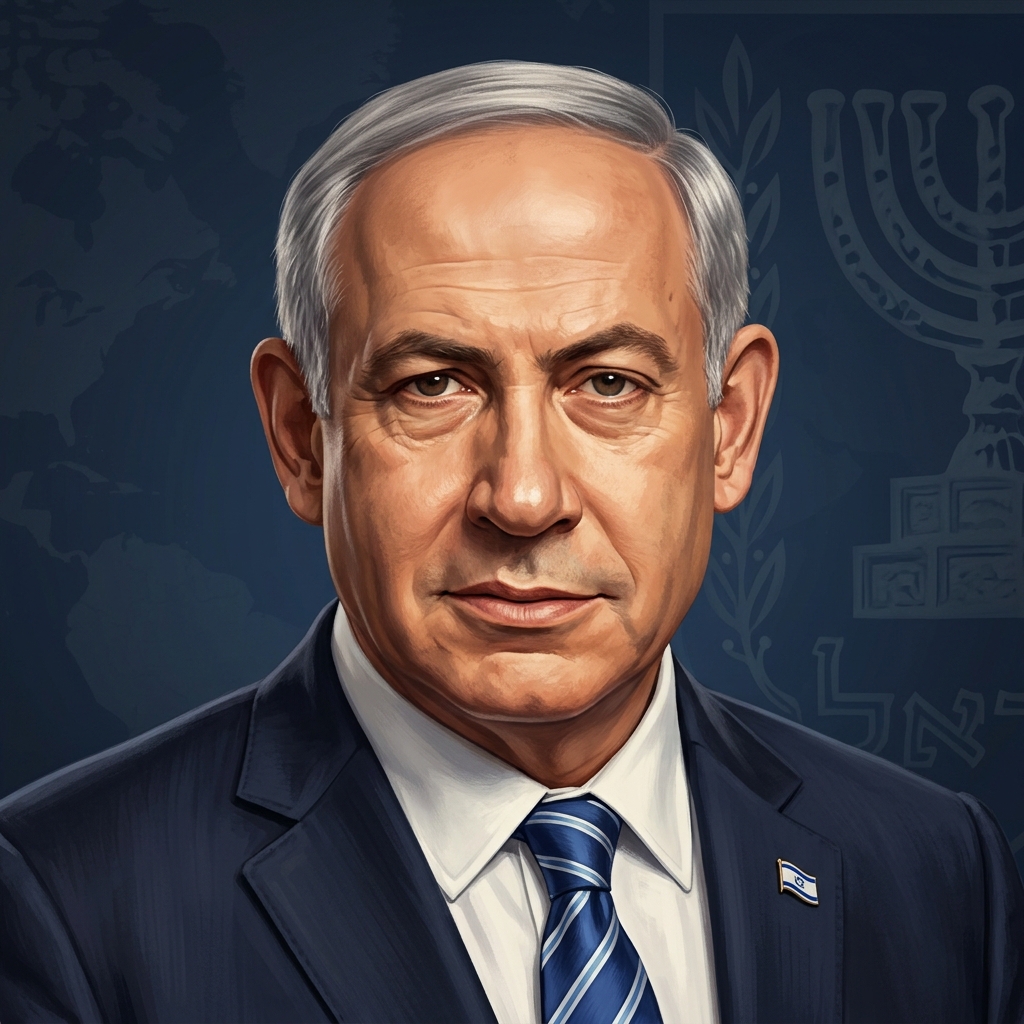
VS
Experts

Benjamin Netanyahu is the Prime Minister of Israel, a position he has held for multiple terms.
He is known for his强硬 stance on national security and his willingness to act unilaterally in matters of defense.
Experts, in this context, refer to analysts, former officials, and academics who provide commentary and assessments on international relations and military strategy, often questioning the efficacy and wisdom of certain political decisions.
Netanyahu and these experts have conflicting interests regarding Israel's approach to Iran.
Netanyahu has signaled a willingness to take military action against Iran independently, without waiting for international consensus or coordination.
Experts, however, argue that such unilateral action would be a strategic failure, potentially leading to global economic impacts and escalating regional instability.
They advocate for a coordinated international approach, which Netanyahu may view as insufficiently decisive or too slow to address the perceived threat.
The stakes are high, as the debate involves the potential for a major military conflict in the Middle East, affecting global oil prices and international security.
Netanyahu's actions are also influenced by domestic political pressures from right-wing members of his cabinet, while experts base their assessments on historical precedents and geopolitical analysis.
*AI-generated summary of publicly available data. This is not an official statement of any party.
*AI-generated summary of publicly available statements and reporting. This is not an official statement of this party.
Supporters of Netanyahu argue that Israel's survival is a historical duty, and they point to past existential threats, like 1948 and 1973, as proof that waiting for international consensus endangers the nation's future.
Supporters of Netanyahu argue that Israel’s cultural memory of past existential threats, from biblical foes to modern genocides, compels unilateral action rather than reliance on hesitant allies. They maintain that waiting for international consensus repeats historical patterns.
Supporters of Netanyahu counter that reliance on alliances has repeatedly failed to deter existential threats, recalling Western inaction during the Holocaust-era arms embargoes.
Supporters of Netanyahu argue that Israel’s sovereign right to self-defense under international law justifies unilateral action to prevent Iran’s nuclear threat, viewing legal constraints as secondary to existential security.
Supporters of Netanyahu argue that Israel’s sovereign right to self-defense legally permits unilateral strikes on Iran’s nuclear facilities, given the failure of diplomatic and international enforcement mechanisms.
Supporters of Netanyahu counter that Israel's strikes fall within lawful self-defense under Article 51, given Iran's ongoing nuclear threat, and they note that Security Council inaction has historically compelled unilateral action against imminent dangers.
Supporters of Netanyahu argue that experts ignore the power of deterrence and the cost of inaction; for Israel, waiting on a fractured international consensus is a luxury, not a strategy.
Supporters of Netanyahu argue that waiting for consensus only hands Iran time to harden its nuclear program, and that Israel alone must set its own red lines.
Supporters of Netanyahu counter that weakness is precisely why the strike must happen now, before Iran's nuclear threshold hardens beyond reach; deterrence, not markets, is the true currency of survival.
Supporters of Netanyahu argue that Israel’s moral duty to defend its citizens outweighs reliance on hesitant allies, viewing preemptive action against Iran as a justified last resort.
Supporters of Netanyahu argue that Israel has a moral duty to defend its citizens when diplomatic efforts fail, even if unilateral action risks regional instability.
Supporters of Netanyahu counter that moral duty extends to preventing an existential nuclear threat, not delaying action for unproven diplomacy that Iran exploits to advance enrichment.
Supporters of Netanyahu argue that divine providence obligates Israel to defend itself against existential threats like Iran, viewing unilateral action as a faithful fulfillment of scripture's mandate to preserve the Jewish state.
Supporters of Netanyahu argue that divine providence obligates Israel to defend itself against existential threats like Iran, viewing unilateral action as a faithful fulfillment of scripture’s mandate for survival.
Supporters of Netanyahu counter that divine mandate, not human consensus, ordains the protection of Israel's covenant people, citing scripture where God's promise to Abraham supersedes transient international opinion.
*AI-generated summary of publicly available statements and reporting. This is not an official statement of this party.
Supporters of the Experts argue that unilateral Israeli action against Iran disregards the stabilizing role of international alliances, which have preserved regional order for decades.
Supporters of Experts argue that statecraft values institutional continuity over unilateral impulses, viewing Netanyahu's solo path as a break from diplomatic tradition that destabilizes regional order.
Supporters of Experts counter that historical survival hinges on adapting to shifting global norms, not rigidly repeating wartime precedents, and they challenge the claim that international consensus alone threatens Israel, noting that diplomatic isolation has often deepened.
Supporters of Experts argue that unilateral Israeli strikes on Iran violate international legal norms requiring Security Council authorization, and they maintain that only a coordinated multilateral framework can lawfully address proliferation concerns.
Supporters of Experts argue that unilateral Israeli strikes on Iran violate international legal norms requiring Security Council authorization, and they point to the UN Charter as the proper framework for resolving the nuclear dispute.
Supporters of Experts counter that international law does not grant a blanket right to unilateral preemptive strikes; the UN Charter requires Security Council authorization or an imminent, actual threat. Legal scholars argue that sovereignty and treaty obligations bind Israel to.
Supporters of Experts argue that Netanyahu’s unilateral strike is a bluff born of weakness, not strength. They contend that Israel lacks the independent capacity to sustain a campaign, and that a solo attack would only hand Iran the moral high ground and wreck global markets.
Experts argue that Netanyahu’s solo strike talk is a bluff for domestic survival, not strategy; they maintain that without US cover, Israel’s leverage evaporates and Iran’s retaliation hits global oil, turning a tactical whim into a strategic failure.
Supporters of Experts counter that deterrence is a myth when adversaries calculate Israel’s red lines from past hesitation; they argue inaction’s true cost is measured in eroded credibility, not just military strikes, and that fractured consensus actually grants Israel.
Supporters of Experts argue that a unilateral Israeli strike on Iran, without international consensus, violates the moral duty to exhaust diplomatic and multilateral avenues before risking regional catastrophe, as the 2026 assessment highlights global economic fallout as an.
Supporters of Experts argue that a unilateral strike on Iran by Netanyahu risks catastrophic regional harm, and they hold that moral responsibility demands a coordinated, evidence-based approach over reckless escalation.
Supporters of Experts counter that preemptive strikes, framed as moral duty, risk violating just-war principles by failing to exhaust non-military alternatives, thereby undermining Israel’s long-term moral standing and regional stability.
Supporters of Experts argue that unilateral action by Netanyahu disregards the moral order of international consensus, where patient diplomacy preserves stability and avoids the chaos of war.
Supporters of Experts argue that unilateral action by Netanyahu defies the providential order of international law, urging reliance on established diplomatic channels rather than impulsive military force.
Supporters of Experts counter that divine providence does not absolve leaders from prudential judgment, noting scripture itself warns against rash oaths and reckless war, while Israeli security experts argue that unilateral strikes risk regional chaos far outweighing any.
AI-generated summary of publicly available statements and reporting. This is not an official statement of this party.
Supporters of Netanyahu argue that Israel's survival is a historical duty, and they point to past existential threats, like 1948 and 1973, as proof that waiting for international consensus endangers the nation's future.
Supporters of Netanyahu argue that Israel’s cultural memory of past existential threats, from biblical foes to modern genocides, compels unilateral action rather than reliance on hesitant allies. They maintain that waiting for international consensus repeats historical patterns.
Supporters of Netanyahu counter that reliance on alliances has repeatedly failed to deter existential threats, recalling Western inaction during the Holocaust-era arms embargoes.
Supporters of Netanyahu argue that Israel’s sovereign right to self-defense under international law justifies unilateral action to prevent Iran’s nuclear threat, viewing legal constraints as secondary to existential security.
Supporters of Netanyahu argue that Israel’s sovereign right to self-defense legally permits unilateral strikes on Iran’s nuclear facilities, given the failure of diplomatic and international enforcement mechanisms.
Supporters of Netanyahu counter that Israel's strikes fall within lawful self-defense under Article 51, given Iran's ongoing nuclear threat, and they note that Security Council inaction has historically compelled unilateral action against imminent dangers.
Supporters of Netanyahu argue that experts ignore the power of deterrence and the cost of inaction; for Israel, waiting on a fractured international consensus is a luxury, not a strategy.
Supporters of Netanyahu argue that waiting for consensus only hands Iran time to harden its nuclear program, and that Israel alone must set its own red lines.
Supporters of Netanyahu counter that weakness is precisely why the strike must happen now, before Iran's nuclear threshold hardens beyond reach; deterrence, not markets, is the true currency of survival.
Supporters of Netanyahu argue that Israel’s moral duty to defend its citizens outweighs reliance on hesitant allies, viewing preemptive action against Iran as a justified last resort.
Supporters of Netanyahu argue that Israel has a moral duty to defend its citizens when diplomatic efforts fail, even if unilateral action risks regional instability.
Supporters of Netanyahu counter that moral duty extends to preventing an existential nuclear threat, not delaying action for unproven diplomacy that Iran exploits to advance enrichment.
Supporters of Netanyahu argue that divine providence obligates Israel to defend itself against existential threats like Iran, viewing unilateral action as a faithful fulfillment of scripture's mandate to preserve the Jewish state.
Supporters of Netanyahu argue that divine providence obligates Israel to defend itself against existential threats like Iran, viewing unilateral action as a faithful fulfillment of scripture’s mandate for survival.
Supporters of Netanyahu counter that divine mandate, not human consensus, ordains the protection of Israel's covenant people, citing scripture where God's promise to Abraham supersedes transient international opinion.
Supporters of the Experts argue that unilateral Israeli action against Iran disregards the stabilizing role of international alliances, which have preserved regional order for decades.
Supporters of Experts argue that statecraft values institutional continuity over unilateral impulses, viewing Netanyahu's solo path as a break from diplomatic tradition that destabilizes regional order.
Supporters of Experts counter that historical survival hinges on adapting to shifting global norms, not rigidly repeating wartime precedents, and they challenge the claim that international consensus alone threatens Israel, noting that diplomatic isolation has often deepened.
Supporters of Experts argue that unilateral Israeli strikes on Iran violate international legal norms requiring Security Council authorization, and they maintain that only a coordinated multilateral framework can lawfully address proliferation concerns.
Supporters of Experts argue that unilateral Israeli strikes on Iran violate international legal norms requiring Security Council authorization, and they point to the UN Charter as the proper framework for resolving the nuclear dispute.
Supporters of Experts counter that international law does not grant a blanket right to unilateral preemptive strikes; the UN Charter requires Security Council authorization or an imminent, actual threat. Legal scholars argue that sovereignty and treaty obligations bind Israel to.
Supporters of Experts argue that Netanyahu’s unilateral strike is a bluff born of weakness, not strength. They contend that Israel lacks the independent capacity to sustain a campaign, and that a solo attack would only hand Iran the moral high ground and wreck global markets.
Experts argue that Netanyahu’s solo strike talk is a bluff for domestic survival, not strategy; they maintain that without US cover, Israel’s leverage evaporates and Iran’s retaliation hits global oil, turning a tactical whim into a strategic failure.
Supporters of Experts counter that deterrence is a myth when adversaries calculate Israel’s red lines from past hesitation; they argue inaction’s true cost is measured in eroded credibility, not just military strikes, and that fractured consensus actually grants Israel.
Supporters of Experts argue that a unilateral Israeli strike on Iran, without international consensus, violates the moral duty to exhaust diplomatic and multilateral avenues before risking regional catastrophe, as the 2026 assessment highlights global economic fallout as an.
Supporters of Experts argue that a unilateral strike on Iran by Netanyahu risks catastrophic regional harm, and they hold that moral responsibility demands a coordinated, evidence-based approach over reckless escalation.
Supporters of Experts counter that preemptive strikes, framed as moral duty, risk violating just-war principles by failing to exhaust non-military alternatives, thereby undermining Israel’s long-term moral standing and regional stability.
Supporters of Experts argue that unilateral action by Netanyahu disregards the moral order of international consensus, where patient diplomacy preserves stability and avoids the chaos of war.
Supporters of Experts argue that unilateral action by Netanyahu defies the providential order of international law, urging reliance on established diplomatic channels rather than impulsive military force.
Supporters of Experts counter that divine providence does not absolve leaders from prudential judgment, noting scripture itself warns against rash oaths and reckless war, while Israeli security experts argue that unilateral strikes risk regional chaos far outweighing any.
Experts warn Israel's new administrative zones in Gaza seek to erase the Palestinian cause and force mass displacement.
Experts question Netanyahu's strategy, labelling US war on Iran a strategic failure with global economic impacts.
According to analyst Scott Lucas, Netanyahu faced pressure from right-wing members of his cabinet, which may influence his decisions on military action.
A body language expert weighed in on Netanyahu's testimony, noting that his gestures and eye movements were inconsistent with the gravity of his statements, raising questions about his credibility.
Netanyahu publicly rejected the ICC prosecutor's move to compare Israel to Hamas, calling it 'absurd' and 'shameful,' highlighting his contentious relationship with international legal bodies.
Netanyahu provided expert testimony to a House committee in 2002, where he discussed the threat posed by Iraq, showcasing his history of engaging with expert forums on security matters.