Netanyahu
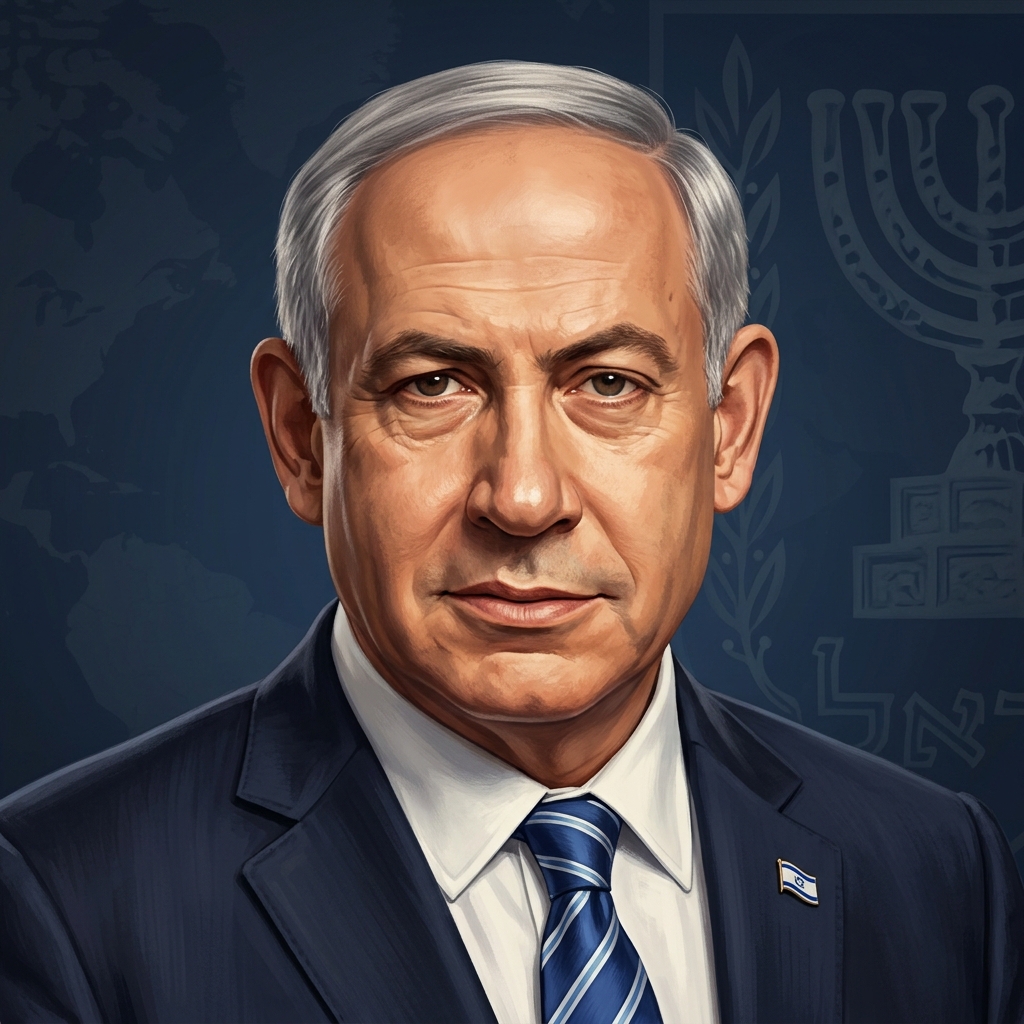
VS
IDF critics
?
No actors in this side.
No actors in this side.
Israeli Prime Minister Benjamin Netanyahu leads Israel's government and has publicly proposed stripping citizenship from individuals who 'defame' the Israel Defense Forces (IDF).
The IDF is Israel's military, whose leaders and spokespeople have at times publicly expressed concerns about the government's war policies and claims.
The two sides have conflicting interests over the war in Gaza and the public criticism surrounding it.
Netanyahu has argued that Hamas can be destroyed, while the IDF's top spokesman made public the military's concerns about that claim.
Critics of Netanyahu say he has prolonged the war to keep himself in power by mollifying the far-right members of his governing coalition, and the rift between Netanyahu and Israel's military has deepened over issues including the Gaza City offensive.
The dispute has also drawn international attention, with figures such as Candace Owens opposing U.S. funding and labeling Netanyahu's coalition 'ultranationalist, messianic' and 'not America's ally.' The debate touches on freedom of speech, national loyalty, and the relationship between Israel's elected leadership and its military.
*AI-generated summary of publicly available data. This is not an official statement of any party.
*AI-generated summary of publicly available statements and reporting. This is not an official statement of this party.
Supporters of Netanyahu frame loyalty to the IDF as a cultural cornerstone of Israeli civic life, arguing that citizenship carries inherited duties, not just rights. They maintain that defaming the army erodes the shared traditions binding the nation together.
Supporters of Netanyahu frame the IDF as a unifying cultural institution central to Israeli identity, arguing that citizenship carries duties of loyalty, so defaming the army erodes the shared civic bond that binds the nation.
Supporters of Netanyahu counter that open debate has limits when it erodes the shared civic trust and national cohesion that sustained Israel's cultural survival, arguing dissent must not become defamation of those defending the nation.
Supporters of Netanyahu argue that citizenship carries duties of loyalty, and that existing law already allows revocation for breach of allegiance, so defaming the IDF falls within a state's legal power to define national belonging.
Supporters of Netanyahu argue that citizenship carries duties of loyalty, and that existing law already allows revocation for disloyalty, so defaming the IDF falls within a legal standard of breach.
Supporters of Netanyahu counter that Israeli law expressly permits revocation of citizenship for acts constituting breach of allegiance, and courts retain review, so due process is preserved rather than defied.
Supporters of Netanyahu argue citizenship is a privilege tied to loyalty, not a shield for those who defame the IDF; they see stripping it as a pragmatic deterrent, consolidating power while framing dissent as betrayal.
Supporters of Netanyahu argue citizenship is a loyalty contract, not a right: defaming the IDF erodes the state's power to deter, so stripping critics protects the coalition's grip.
Supporters of Netanyahu counter that loyalty tests are standard coalition politics, not persecution; they note critics themselves seek power, and ask why only Netanyahu's self-interest is treated as disqualifying.
Supporters of Netanyahu argue that loyalty to the IDF, as the force protecting Israeli lives, carries moral weight, and that citizens who publicly defame it betray a duty owed to those risking their lives.
Supporters of Netanyahu frame citizenship as a conditional pact: those who defame the IDF while relying on its protection, they argue, morally forfeit the loyalty that citizenship presumes.
Supporters of Netanyahu counter that citizenship carries duties of loyalty, so betraying the state while sheltered by it is a moral breach, not mere dissent, and revoking it upholds accountability rather than chilling speech.
Supporters of Netanyahu invoke scripture that loyalty to the nation's defenders is a sacred duty, arguing that defaming the IDF betrays a covenant of faith and peoplehood that citizenship entails.
Supporters of Netanyahu invoke scripture, arguing that loyalty to the nation and its defenders is a sacred duty, and that defaming the IDF betrays the covenant of the Jewish people.
Supporters of Netanyahu counter that scripture commands Israel's warriors to be revered as agents of divine deliverance, and that religious tradition binds the nation's covenant to its defense, not to private conscience.
*AI-generated summary of publicly available statements and reporting. This is not an official statement of this party.
Supporters of IDF critics argue that equating military defamation with disloyalty threatens Israel's cultural tradition of open civic debate and dissent.
Supporters of IDF critics argue that stripping citizenship over speech erases a shared civic identity, since loyalty to a nation's culture should not require silence about its army's conduct.
Supporters of IDF critics counter that mandatory service is itself the shared civic rite, so questioning the army's conduct honors that tradition rather than eroding it.
Supporters of IDF critics argue that stripping citizenship over speech defies due process and proportionality under Israeli and international law, since defamation is not grounds for statelessness.
Supporters of IDF critics argue that stripping citizenship for speech is unlawful, since Israeli law permits revocation only for narrow grounds like fraud or disloyalty, not for defaming the military.
Supporters of IDF critics counter that revocation for speech is legally dubious: Israeli courts have narrowed citizenship-stripping, and critics say defaming the IDF is protected expression, not a breach of allegiance.
Supporters of IDF critics argue the proposal is a self-interested move: Netanyahu weaponizes "loyalty" to silence dissent and shield himself from accountability, since weakened critics mean consolidated power.
Supporters of IDF critics argue Netanyahu's citizenship-stripping proposal is less about loyalty than power: silencing dissent weakens oversight of the military, shielding leaders from accountability they'd otherwise face.
Supporters of IDF critics counter that loyalty tests are a pretext: Netanyahu’s faction weaponizes citizenship to silence rivals, and history shows such powers get turned on any dissenting group next.
Supporters of IDF critics argue that stripping citizenship for speech is morally wrong, since punishing dissent over military conduct chills free expression and targets people for lawful criticism rather than any crime.
Supporters of IDF critics argue that stripping citizenship for speech is morally wrong, since punishing dissent by exile treats loyal citizens as enemies and violates the equal dignity owed to every citizen.
Supporters of IDF critics counter that a military's moral authority depends on accountability, not deference, and that protesting its conduct honors the soldiers by holding the institution to the ethical standards those lives are meant to defend.
Supporters of IDF critics argue that loyalty to a nation is not the same as reverence for its army, and that religious tradition honors conscience over coerced allegiance.
Supporters of IDF critics argue that stripping citizenship for speech violates the sacred covenant binding Israel to all Jews, since religious tradition holds that belonging to the people is inherited and cannot be revoked by the state.
IDF critics counter that scripture also commands rebuke of wrongdoing, so religious duty demands holding the army accountable, not blind loyalty to its commanders.
AI-generated summary of publicly available statements and reporting. This is not an official statement of this party.
Supporters of Netanyahu frame loyalty to the IDF as a cultural cornerstone of Israeli civic life, arguing that citizenship carries inherited duties, not just rights. They maintain that defaming the army erodes the shared traditions binding the nation together.
Supporters of Netanyahu frame the IDF as a unifying cultural institution central to Israeli identity, arguing that citizenship carries duties of loyalty, so defaming the army erodes the shared civic bond that binds the nation.
Supporters of Netanyahu counter that open debate has limits when it erodes the shared civic trust and national cohesion that sustained Israel's cultural survival, arguing dissent must not become defamation of those defending the nation.
Supporters of Netanyahu argue that citizenship carries duties of loyalty, and that existing law already allows revocation for breach of allegiance, so defaming the IDF falls within a state's legal power to define national belonging.
Supporters of Netanyahu argue that citizenship carries duties of loyalty, and that existing law already allows revocation for disloyalty, so defaming the IDF falls within a legal standard of breach.
Supporters of Netanyahu counter that Israeli law expressly permits revocation of citizenship for acts constituting breach of allegiance, and courts retain review, so due process is preserved rather than defied.
Supporters of Netanyahu argue citizenship is a privilege tied to loyalty, not a shield for those who defame the IDF; they see stripping it as a pragmatic deterrent, consolidating power while framing dissent as betrayal.
Supporters of Netanyahu argue citizenship is a loyalty contract, not a right: defaming the IDF erodes the state's power to deter, so stripping critics protects the coalition's grip.
Supporters of Netanyahu counter that loyalty tests are standard coalition politics, not persecution; they note critics themselves seek power, and ask why only Netanyahu's self-interest is treated as disqualifying.
Supporters of Netanyahu argue that loyalty to the IDF, as the force protecting Israeli lives, carries moral weight, and that citizens who publicly defame it betray a duty owed to those risking their lives.
Supporters of Netanyahu frame citizenship as a conditional pact: those who defame the IDF while relying on its protection, they argue, morally forfeit the loyalty that citizenship presumes.
Supporters of Netanyahu counter that citizenship carries duties of loyalty, so betraying the state while sheltered by it is a moral breach, not mere dissent, and revoking it upholds accountability rather than chilling speech.
Supporters of Netanyahu invoke scripture that loyalty to the nation's defenders is a sacred duty, arguing that defaming the IDF betrays a covenant of faith and peoplehood that citizenship entails.
Supporters of Netanyahu invoke scripture, arguing that loyalty to the nation and its defenders is a sacred duty, and that defaming the IDF betrays the covenant of the Jewish people.
Supporters of Netanyahu counter that scripture commands Israel's warriors to be revered as agents of divine deliverance, and that religious tradition binds the nation's covenant to its defense, not to private conscience.
Supporters of IDF critics argue that equating military defamation with disloyalty threatens Israel's cultural tradition of open civic debate and dissent.
Supporters of IDF critics argue that stripping citizenship over speech erases a shared civic identity, since loyalty to a nation's culture should not require silence about its army's conduct.
Supporters of IDF critics counter that mandatory service is itself the shared civic rite, so questioning the army's conduct honors that tradition rather than eroding it.
Supporters of IDF critics argue that stripping citizenship over speech defies due process and proportionality under Israeli and international law, since defamation is not grounds for statelessness.
Supporters of IDF critics argue that stripping citizenship for speech is unlawful, since Israeli law permits revocation only for narrow grounds like fraud or disloyalty, not for defaming the military.
Supporters of IDF critics counter that revocation for speech is legally dubious: Israeli courts have narrowed citizenship-stripping, and critics say defaming the IDF is protected expression, not a breach of allegiance.
Supporters of IDF critics argue the proposal is a self-interested move: Netanyahu weaponizes "loyalty" to silence dissent and shield himself from accountability, since weakened critics mean consolidated power.
Supporters of IDF critics argue Netanyahu's citizenship-stripping proposal is less about loyalty than power: silencing dissent weakens oversight of the military, shielding leaders from accountability they'd otherwise face.
Supporters of IDF critics counter that loyalty tests are a pretext: Netanyahu’s faction weaponizes citizenship to silence rivals, and history shows such powers get turned on any dissenting group next.
Supporters of IDF critics argue that stripping citizenship for speech is morally wrong, since punishing dissent over military conduct chills free expression and targets people for lawful criticism rather than any crime.
Supporters of IDF critics argue that stripping citizenship for speech is morally wrong, since punishing dissent by exile treats loyal citizens as enemies and violates the equal dignity owed to every citizen.
Supporters of IDF critics counter that a military's moral authority depends on accountability, not deference, and that protesting its conduct honors the soldiers by holding the institution to the ethical standards those lives are meant to defend.
Supporters of IDF critics argue that loyalty to a nation is not the same as reverence for its army, and that religious tradition honors conscience over coerced allegiance.
Supporters of IDF critics argue that stripping citizenship for speech violates the sacred covenant binding Israel to all Jews, since religious tradition holds that belonging to the people is inherited and cannot be revoked by the state.
IDF critics counter that scripture also commands rebuke of wrongdoing, so religious duty demands holding the army accountable, not blind loyalty to its commanders.
Israeli Prime Minister Benjamin Netanyahu has proposed stripping citizenship from those who “defame” the IDF Read Full Article at RT.com
Critics of Netanyahu said he has prolonged the war to keep himself in power by mollifying the far-right members of his governing coalition, as rifts grew between him and his security chiefs.
The rift between Netanyahu and Israel's military deepened over the Gaza City offensive, and in early August Yair Netanyahu, the prime minister's son, derided the IDF chief on social media, accusing him of leading a 'rebellion.'
The Israel Defense Force's top spokesman made public the military's concerns about Netanyahu's claim that Hamas can be destroyed.