Netanyahu
VS
International critics
?
No actors in this side.
No actors in this side.
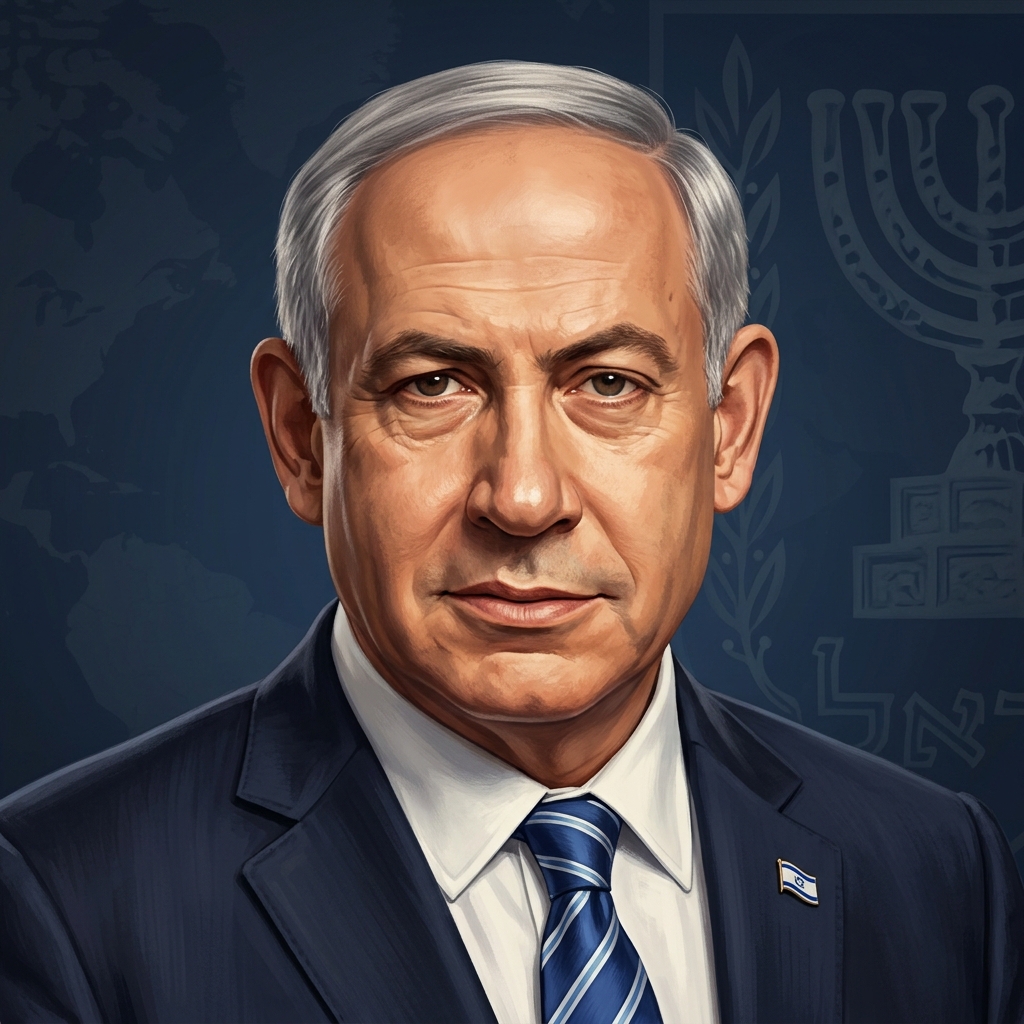
Benjamin Netanyahu is the Prime Minister of Israel, a position he has held across multiple terms, and he has been a central figure in Israeli policy toward Gaza, Lebanon, and the Palestinians.
His international critics include foreign governments, international courts, human rights organizations, and public officials abroad who have condemned Israeli military operations and questioned his leadership.
The conflict between Netanyahu and his international critics centers on the conduct of Israel's military campaigns and the legal and diplomatic consequences that follow.
Critics have accused Netanyahu of war crimes and crimes against humanity, leading the International Criminal Court to consider arrest warrants, while Netanyahu has rejected such actions as antisemitic and politically motivated.
The dispute has intensified with Israel's operations in Gaza and Lebanon, drawing condemnation from allies and international bodies.
At stake is Israel's international standing, the legitimacy of its military actions, and the personal legal exposure of its leadership.
The disagreement also reflects broader tensions over how international institutions should address allegations of violations in conflict zones.
*AI-generated summary of publicly available data. This is not an official statement of any party.
*AI-generated summary of publicly available statements and reporting. This is not an official statement of this party.
Supporters of Netanyahu frame the pager gesture as cultural defiance: a public reassertion that Israel, long cast as aggressor, acted in self-defense against Hezbollah, and they argue that staging it at the UN reclaims a narrative their critics have long controlled.
Supporters of Netanyahu frame the pager as a cultural symbol of Jewish survival—recalling pogroms and Oct 7—arguing that a state born from genocide must show force to deter those who deny its right to exist.
Supporters of Netanyahu counter that the UN's own cultural tradition includes member states displaying evidence of threats, so critics selectively invoke restraint only when Israel speaks.
Supporters of Netanyahu argue the pager operation was a lawful act of self-defense against Hezbollah, a designated terrorist group, and that sovereignty permits Israel to protect its border and citizens.
Supporters of Netanyahu argue the pager operation was a lawful act of self-defense against Hezbollah, a designated terrorist army, and that international law permits targeting combatants—not the civilians critics invoke.
Supporters of Netanyahu counter that the strike targeted Hezbollah operatives, not civilians, and that under international humanitarian law a party may lawfully strike a legitimate military objective.
Supporters of Netanyahu argue the UN pager display signals resolve: adversaries and allies alike now weigh Israeli capability, and perceived strength, not sympathy, is what deters Hezbollah and shifts bargaining leverage.
Supporters of Netanyahu argue the UN pager display signals resolve: Hezbollah's ranks were degraded, deterrence restored, and adversaries now calculate costs before striking. In their view, symbolic defiance at the UN projects strength where diplomacy alone failed.
Supporters of Netanyahu counter that coercive theater is itself an outcome: the pager attack degraded Hezbollah's command and restored deterrence, and signaling resolve to donors and rivals is how a small state survives.
Supporters of Netanyahu argue the pager operation was a morally justified act of self-defense against Hezbollah, and that holding up the device at the UN affirmed Israel's duty to protect its citizens from armed attack.
Supporters of Netanyahu argue that targeting Hezbollah operatives who killed Israelis is a morally justified act of self-defense, and that holding the pager at the UN signals resolve to protect citizens.
Supporters of Netanyahu counter that the operation targeted Hezbollah operatives, not civilians, and that moral judgment belongs on the group embedding itself among civilians—not on the leader defending his people.
Supporters of Netanyahu invoke the biblical mandate to defend Israel's people, casting the pager operation as a just, proportionate act against Hezbollah and framing the UN gesture as a reaffirmation of Jewish sovereignty and self-defense.
Supporters of Netanyahu frame the pager operation as a defense of Israel as a covenant nation, arguing that protecting the Jewish state fulfills a sacred duty and that the UN gesture affirmed sovereignty under divine providence.
Supporters of Netanyahu counter that scripture also sanctions self-defense against those sworn to Israel's destruction, and that the pager struck Hezbollah operatives, not innocents.
*AI-generated summary of publicly available statements and reporting. This is not an official statement of this party.
Supporters of International critics argue that displaying a wartime device before the UN erodes the institution's diplomatic traditions, since cultural norms of restraint and respect for state sovereignty should govern such forums.
Supporters of International critics argue that displaying a pager at the UN reduces a deadly Lebanon operation to theater, and that such symbolism erodes the diplomatic norms and restraint that international institutions exist to uphold.
Supporters of International critics counter that displaying a pager at the UN exploits a grieving mother's pain as political theater, and argue that true cultural strength lies in mourning the dead rather than celebrating the tools that killed them.
Supporters of International critics argue the UN pager display flaunts a strike that killed dozens in Lebanon, violating international humanitarian law's proportionality and civilian-protection duties.
Supporters of International critics argue that displaying a pager tied to an operation that killed dozens in Lebanon at the UN flouts international humanitarian law's proportionality and distinction duties.
Supporters of International critics counter that the legality of self-defense hinges on proportionality and discrimination, and that detonating pagers across Lebanon killed civilians indiscriminately, which they argue exceeds lawful self-defense under international humanitarian l.
Supporters of International critics argue Netanyahu's UN pager stunt shows he prizes coercive theater over outcomes, using Lebanon's dead to signal resolve to donors and rivals.
Supporters of International critics argue that Netanyahu's pager display signals strength to domestic audiences while exposing Israel to diplomatic costs, since perceived humiliation of Lebanon gives rivals leverage.
Supporters of International critics counter that a staged UN prop projects capability without changing power: Hezbollah reads Israeli domestic politics, not theater, and deterrence rests on credible cost, not display.
Supporters of International critics argue that holding up a pager tied to an operation killing dozens in Lebanon treats mass casualties as a prop, which they maintain is morally wrong regardless of the target.
Supporters of International critics argue that holding up the pager mocks the dozens killed in Lebanon, including civilians, and that moral leadership requires accountability for harm, not celebration of it.
Supporters of International critics counter that indiscriminate device attacks can't be framed as self-defense when they kill civilians, arguing moral duty lies in protecting all life, not just one nation's.
Supporters of International critics argue that holding up the pager as a symbol of lethal force mocks the sanctity of life, contending scripture calls nations to mercy and restraint, not celebration of dozens killed in Lebanon.
Supporters of International critics invoke the sanctity of life and proportional justice, arguing that displaying a pager tied to dozens of deaths in Lebanon treats human loss as a triumph rather than a moral tragedy.
Supporters of International critics counter that Deuteronomy's mandate to pursue justice applies to all nations, so the pager deaths of Lebanese civilians undercut any claim of a biblically just, proportionate act.
AI-generated summary of publicly available statements and reporting. This is not an official statement of this party.
Supporters of Netanyahu frame the pager gesture as cultural defiance: a public reassertion that Israel, long cast as aggressor, acted in self-defense against Hezbollah, and they argue that staging it at the UN reclaims a narrative their critics have long controlled.
Supporters of Netanyahu frame the pager as a cultural symbol of Jewish survival—recalling pogroms and Oct 7—arguing that a state born from genocide must show force to deter those who deny its right to exist.
Supporters of Netanyahu counter that the UN's own cultural tradition includes member states displaying evidence of threats, so critics selectively invoke restraint only when Israel speaks.
Supporters of Netanyahu argue the pager operation was a lawful act of self-defense against Hezbollah, a designated terrorist group, and that sovereignty permits Israel to protect its border and citizens.
Supporters of Netanyahu argue the pager operation was a lawful act of self-defense against Hezbollah, a designated terrorist army, and that international law permits targeting combatants—not the civilians critics invoke.
Supporters of Netanyahu counter that the strike targeted Hezbollah operatives, not civilians, and that under international humanitarian law a party may lawfully strike a legitimate military objective.
Supporters of Netanyahu argue the UN pager display signals resolve: adversaries and allies alike now weigh Israeli capability, and perceived strength, not sympathy, is what deters Hezbollah and shifts bargaining leverage.
Supporters of Netanyahu argue the UN pager display signals resolve: Hezbollah's ranks were degraded, deterrence restored, and adversaries now calculate costs before striking. In their view, symbolic defiance at the UN projects strength where diplomacy alone failed.
Supporters of Netanyahu counter that coercive theater is itself an outcome: the pager attack degraded Hezbollah's command and restored deterrence, and signaling resolve to donors and rivals is how a small state survives.
Supporters of Netanyahu argue the pager operation was a morally justified act of self-defense against Hezbollah, and that holding up the device at the UN affirmed Israel's duty to protect its citizens from armed attack.
Supporters of Netanyahu argue that targeting Hezbollah operatives who killed Israelis is a morally justified act of self-defense, and that holding the pager at the UN signals resolve to protect citizens.
Supporters of Netanyahu counter that the operation targeted Hezbollah operatives, not civilians, and that moral judgment belongs on the group embedding itself among civilians—not on the leader defending his people.
Supporters of Netanyahu invoke the biblical mandate to defend Israel's people, casting the pager operation as a just, proportionate act against Hezbollah and framing the UN gesture as a reaffirmation of Jewish sovereignty and self-defense.
Supporters of Netanyahu frame the pager operation as a defense of Israel as a covenant nation, arguing that protecting the Jewish state fulfills a sacred duty and that the UN gesture affirmed sovereignty under divine providence.
Supporters of Netanyahu counter that scripture also sanctions self-defense against those sworn to Israel's destruction, and that the pager struck Hezbollah operatives, not innocents.
Supporters of International critics argue that displaying a wartime device before the UN erodes the institution's diplomatic traditions, since cultural norms of restraint and respect for state sovereignty should govern such forums.
Supporters of International critics argue that displaying a pager at the UN reduces a deadly Lebanon operation to theater, and that such symbolism erodes the diplomatic norms and restraint that international institutions exist to uphold.
Supporters of International critics counter that displaying a pager at the UN exploits a grieving mother's pain as political theater, and argue that true cultural strength lies in mourning the dead rather than celebrating the tools that killed them.
Supporters of International critics argue the UN pager display flaunts a strike that killed dozens in Lebanon, violating international humanitarian law's proportionality and civilian-protection duties.
Supporters of International critics argue that displaying a pager tied to an operation that killed dozens in Lebanon at the UN flouts international humanitarian law's proportionality and distinction duties.
Supporters of International critics counter that the legality of self-defense hinges on proportionality and discrimination, and that detonating pagers across Lebanon killed civilians indiscriminately, which they argue exceeds lawful self-defense under international humanitarian l.
Supporters of International critics argue Netanyahu's UN pager stunt shows he prizes coercive theater over outcomes, using Lebanon's dead to signal resolve to donors and rivals.
Supporters of International critics argue that Netanyahu's pager display signals strength to domestic audiences while exposing Israel to diplomatic costs, since perceived humiliation of Lebanon gives rivals leverage.
Supporters of International critics counter that a staged UN prop projects capability without changing power: Hezbollah reads Israeli domestic politics, not theater, and deterrence rests on credible cost, not display.
Supporters of International critics argue that holding up a pager tied to an operation killing dozens in Lebanon treats mass casualties as a prop, which they maintain is morally wrong regardless of the target.
Supporters of International critics argue that holding up the pager mocks the dozens killed in Lebanon, including civilians, and that moral leadership requires accountability for harm, not celebration of it.
Supporters of International critics counter that indiscriminate device attacks can't be framed as self-defense when they kill civilians, arguing moral duty lies in protecting all life, not just one nation's.
Supporters of International critics argue that holding up the pager as a symbol of lethal force mocks the sanctity of life, contending scripture calls nations to mercy and restraint, not celebration of dozens killed in Lebanon.
Supporters of International critics invoke the sanctity of life and proportional justice, arguing that displaying a pager tied to dozens of deaths in Lebanon treats human loss as a triumph rather than a moral tragedy.
Supporters of International critics counter that Deuteronomy's mandate to pursue justice applies to all nations, so the pager deaths of Lebanese civilians undercut any claim of a biblically just, proportionate act.
International allies and families of hostages condemned Netanyahu's plan to take control of Gaza City, with the British prime minister among those criticizing the move.
Critics argued that Netanyahu frequently makes claims of antisemitism to deflect blame, while his supporters said he is genuinely concerned for the safety of Jews worldwide.
The International Criminal Court was reported to be considering arrest warrants for Benjamin Netanyahu and Hamas leaders over alleged war crimes and crimes against humanity, prompting a furious response from Netanyahu.