Netanyahu
VS
Media reporting the claim

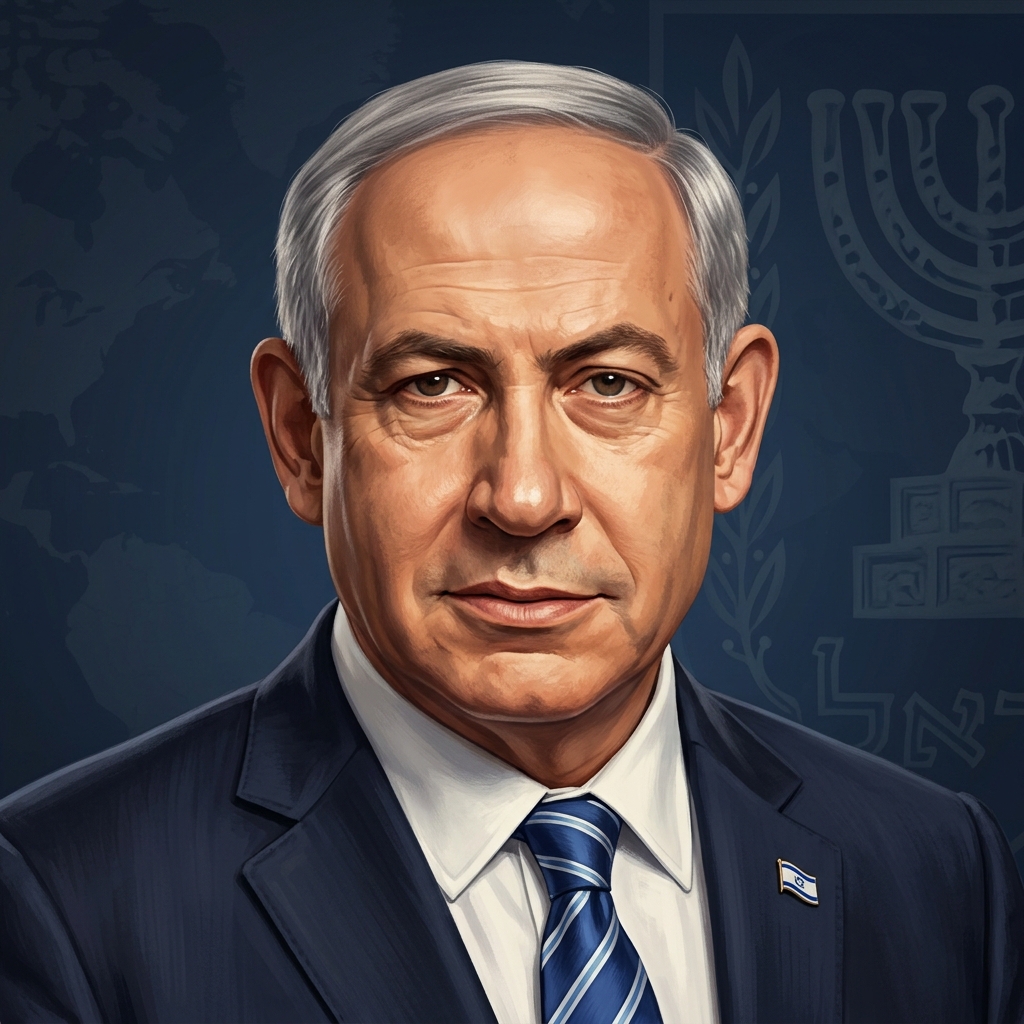
Israeli Prime Minister Benjamin Netanyahu is the head of Israel's government and has long been a central figure in the country's politics.
Haaretz is an Israeli newspaper that has historically been a vocal critic of Netanyahu, and it is the outlet at the center of the reporting at issue.
The dispute concerns a Haaretz report alleging that UAE president Mohammed bin Zayed warned Netanyahu about a major attack before October 7, 2023.
Netanyahu denies that any such warning was given and has ordered lawyers to file a defamation lawsuit against Haaretz, while Haaretz has stood by its reporting and rejected the defamation claim.
The clash reflects broader tensions over what Netanyahu knew before the October 7 Hamas attack and how the media has reported on it.
The episode also connects to a wider pattern of friction between Netanyahu and Israeli media.
His government has banned or boycotted news organizations whose reporting he dislikes or denounces as a threat to national security, and his corruption trial has drawn attention to his attempts to influence the editorial line of several media outlets.
*AI-generated summary of publicly available data. This is not an official statement of any party.
*AI-generated summary of publicly available statements and reporting. This is not an official statement of this party.
Supporters of Netanyahu argue that questioning his pre-war knowledge echoes a long pattern of blaming Israeli leaders for Arab aggression, and they insist the press report is a politically motivated leak meant to erode public trust in his wartime leadership.
Supporters of Netanyahu argue that questioning a leader's pre-war intelligence in the wake of a national tragedy echoes a long cultural pattern of scapegoating leadership during wartime.
Supporters of Netanyahu counter that a cultural norm of pre-publication review for wartime secrets protects soldiers' lives; they argue unfiltered leaks, not accountability, erode public trust.
Supporters of Netanyahu argue the reported UAE trip lacks legal substantiation, so any claim of concealment remains unproven and cannot ground liability.
Supporters of Netanyahu argue the reported UAE trip lacks legal substantiation, and that any warnings claim must be tested through Israel's formal inquiry process, not media disclosure.
Supporters of Netanyahu counter that no binding international legal instrument compels a domestic inquiry into a covert diplomatic trip, and that claims of obstruction lack the evidentiary threshold such proceedings require.
Supporters of Netanyahu argue the leak is a pressure tactic, not proof: managing allies' public denials protects Israel's deterrence, and warning claims stay unverified until evidence, not headlines, decides.
Supporters of Netanyahu argue that denying prior warning is a necessary defense of command authority, since conceding it would hand Hezbollah and Hamas a propaganda victory.
Supporters of Netanyahu counter that managing disclosure is itself governance: a wartime leader controls timing of sensitive security matters to preserve leverage, and critics conflate accountability with self-sabotage.
Supporters of Netanyahu argue that unverified leaks about a secret UAE trip are irresponsible, and that wartime leaders deserve a fair hearing before anonymous reports are treated as proof of concealment.
Supporters of Netanyahu argue that leaking a covert trip endangers national security, so the moral duty is to protect operational secrecy, not confirm unverified claims.
Supporters of Netanyahu counter that a grieving nation is owed protection, not disclosure that endangers hostages and soldiers, so withholding operational details is the moral duty.
Supporters of Netanyahu argue that Israel’s security requires trusted, discreet diplomacy, and they invoke the religious duty to pursue peace while shielding the nation from enemies who exploit internal divisions.
Supporters of Netanyahu argue that Israel’s security and divine covenant require steadfast leadership, and they maintain that unverified media reports must not undermine the authority entrusted with protecting the nation.
Supporters of Netanyahu counter that religious duty also demands caution with unverified claims, since scripture warns against bearing false witness.
*AI-generated summary of publicly available statements and reporting. This is not an official statement of this party.
Supporters of media reporting the claim argue that a free press exposing a secret UAE trip serves the public's right to know what its leaders knew before October 7, a cultural duty of accountability no sovereignty claim should silence.
Supporters of Media reporting the claim argue that a sovereign press corps must expose secret diplomacy to preserve public accountability and national memory after October 7.
Supporters of Media reporting the claim counter that a free press questioning wartime leaders is itself a democratic duty, not betrayal, and that silencing such scrutiny to protect national unity erodes the very civic trust it claims to defend.
Supporters of the media reporting the claim argue that a covert trip to secure a denial of advance warnings points to possible obstruction and concealment, which international law requires be independently investigated.
Supporters of media reporting the claim argue that concealment of prior warnings breaches legal duties of transparency, and that an independent inquiry is owed to the public under international law.
Supporters of Media reporting the claim counter that legal liability does not require proof of concealment, only that the report itself be accurate and lawful.
Supporters of media reporting the claim argue Netanyahu's secret UAE trip to suppress a warning admission reveals he prioritized managing blame over accountability, treating disclosure as a threat to power.
Supporters of Media reporting the claim argue that a covert UAE trip to suppress prior-warning denials signals Netanyahu knew more than he admits and moved to control the narrative before it could cost him power.
Supporters of Media reporting the claim counter that deterrence cuts both ways: a state that lets allies issue denials it knows are false spends credibility it cannot rebuild once evidence surfaces.
Supporters of Media reporting the claim argue that concealing advance warnings about October 7 betrays a moral duty of transparency owed to a grieving nation, and they maintain that truth-telling is owed even to leaders.
Supporters of Media reporting the claim argue that concealing alleged advance warnings of October 7 is a grave moral failing, since a leader's duty to protect life outweighs political self-defense.
Supporters of Media reporting the claim counter that a free press has a moral duty to inform the public, and that citizens deserve transparency about their leaders' secret dealings, not deference.
Supporters of the media reporting the claim argue that concealing prior warnings violates the moral duty of honest leadership, since scripture condemns deception and holds leaders accountable before God for the safety entrusted to them.
Supporters of media reporting the claim argue scripture commands truthfulness, so concealment of prior warnings violates divine law and the public's moral right to know.
Supporters of Media reporting the claim counter that scripture commands truth and warns against deceit, so a nation claiming divine mandate owes the public honest disclosure, not secrecy that lets leaders evade accountability.
AI-generated summary of publicly available statements and reporting. This is not an official statement of this party.
Supporters of Netanyahu argue that questioning his pre-war knowledge echoes a long pattern of blaming Israeli leaders for Arab aggression, and they insist the press report is a politically motivated leak meant to erode public trust in his wartime leadership.
Supporters of Netanyahu argue that questioning a leader's pre-war intelligence in the wake of a national tragedy echoes a long cultural pattern of scapegoating leadership during wartime.
Supporters of Netanyahu counter that a cultural norm of pre-publication review for wartime secrets protects soldiers' lives; they argue unfiltered leaks, not accountability, erode public trust.
Supporters of Netanyahu argue the reported UAE trip lacks legal substantiation, so any claim of concealment remains unproven and cannot ground liability.
Supporters of Netanyahu argue the reported UAE trip lacks legal substantiation, and that any warnings claim must be tested through Israel's formal inquiry process, not media disclosure.
Supporters of Netanyahu counter that no binding international legal instrument compels a domestic inquiry into a covert diplomatic trip, and that claims of obstruction lack the evidentiary threshold such proceedings require.
Supporters of Netanyahu argue the leak is a pressure tactic, not proof: managing allies' public denials protects Israel's deterrence, and warning claims stay unverified until evidence, not headlines, decides.
Supporters of Netanyahu argue that denying prior warning is a necessary defense of command authority, since conceding it would hand Hezbollah and Hamas a propaganda victory.
Supporters of Netanyahu counter that managing disclosure is itself governance: a wartime leader controls timing of sensitive security matters to preserve leverage, and critics conflate accountability with self-sabotage.
Supporters of Netanyahu argue that unverified leaks about a secret UAE trip are irresponsible, and that wartime leaders deserve a fair hearing before anonymous reports are treated as proof of concealment.
Supporters of Netanyahu argue that leaking a covert trip endangers national security, so the moral duty is to protect operational secrecy, not confirm unverified claims.
Supporters of Netanyahu counter that a grieving nation is owed protection, not disclosure that endangers hostages and soldiers, so withholding operational details is the moral duty.
Supporters of Netanyahu argue that Israel’s security requires trusted, discreet diplomacy, and they invoke the religious duty to pursue peace while shielding the nation from enemies who exploit internal divisions.
Supporters of Netanyahu argue that Israel’s security and divine covenant require steadfast leadership, and they maintain that unverified media reports must not undermine the authority entrusted with protecting the nation.
Supporters of Netanyahu counter that religious duty also demands caution with unverified claims, since scripture warns against bearing false witness.
Supporters of media reporting the claim argue that a free press exposing a secret UAE trip serves the public's right to know what its leaders knew before October 7, a cultural duty of accountability no sovereignty claim should silence.
Supporters of Media reporting the claim argue that a sovereign press corps must expose secret diplomacy to preserve public accountability and national memory after October 7.
Supporters of Media reporting the claim counter that a free press questioning wartime leaders is itself a democratic duty, not betrayal, and that silencing such scrutiny to protect national unity erodes the very civic trust it claims to defend.
Supporters of the media reporting the claim argue that a covert trip to secure a denial of advance warnings points to possible obstruction and concealment, which international law requires be independently investigated.
Supporters of media reporting the claim argue that concealment of prior warnings breaches legal duties of transparency, and that an independent inquiry is owed to the public under international law.
Supporters of Media reporting the claim counter that legal liability does not require proof of concealment, only that the report itself be accurate and lawful.
Supporters of media reporting the claim argue Netanyahu's secret UAE trip to suppress a warning admission reveals he prioritized managing blame over accountability, treating disclosure as a threat to power.
Supporters of Media reporting the claim argue that a covert UAE trip to suppress prior-warning denials signals Netanyahu knew more than he admits and moved to control the narrative before it could cost him power.
Supporters of Media reporting the claim counter that deterrence cuts both ways: a state that lets allies issue denials it knows are false spends credibility it cannot rebuild once evidence surfaces.
Supporters of Media reporting the claim argue that concealing advance warnings about October 7 betrays a moral duty of transparency owed to a grieving nation, and they maintain that truth-telling is owed even to leaders.
Supporters of Media reporting the claim argue that concealing alleged advance warnings of October 7 is a grave moral failing, since a leader's duty to protect life outweighs political self-defense.
Supporters of Media reporting the claim counter that a free press has a moral duty to inform the public, and that citizens deserve transparency about their leaders' secret dealings, not deference.
Supporters of the media reporting the claim argue that concealing prior warnings violates the moral duty of honest leadership, since scripture condemns deception and holds leaders accountable before God for the safety entrusted to them.
Supporters of media reporting the claim argue scripture commands truthfulness, so concealment of prior warnings violates divine law and the public's moral right to know.
Supporters of Media reporting the claim counter that scripture commands truth and warns against deceit, so a nation claiming divine mandate owes the public honest disclosure, not secrecy that lets leaders evade accountability.
Benjamin Netanyahu said he would sue Haaretz over its reporting that UAE president Mohammed bin Zayed warned him about a major attack. Haaretz, which has historically been a vocal critic of the prime minister, stood by its reporting and rejected Netanyahu's defamation claim.
Netanyahu denied that he directed media coverage of his wife in Case 4000, rejecting prosecution claims and calling state witness accounts into question.
Netanyahu's government has banned or boycotted news organizations whose reporting he dislikes or denounces as a threat to national security.
Reporting on Netanyahu's corruption trial focused on his attempts to manipulate the editorial line of several media outlets, with more revelations expected.