Netanyahu
VS
NAZA filmmakers
?
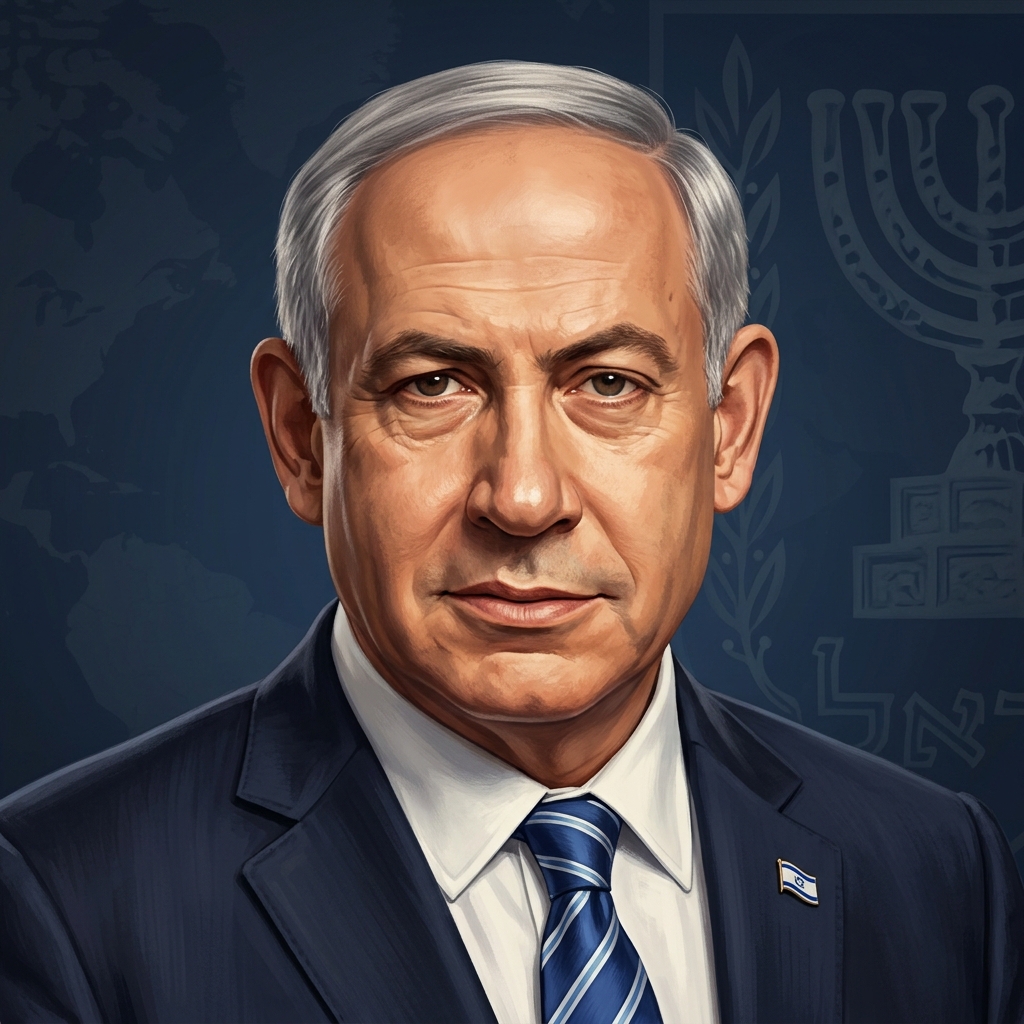
Israeli Prime Minister Benjamin Netanyahu leads the Israeli government, which has condemned the documentary "NAZA" as antisemitic and pledged to advance legislation targeting its makers.
The filmmakers behind "NAZA" are Israeli journalists Yuval Abraham and Rachel Szor, whose documentary alleges that mass civilian deaths were built into Israel's military operations in Gaza and features testimony from Israeli soldiers and intelligence officers.
The two sides are in conflict over the documentary's claims and its reception.
Netanyahu and Israeli officials say the film does immense damage to Israeli soldiers and Israel's reputation, and have threatened to revoke the filmmakers' Israeli citizenship.
Abraham and Szor, along with more than 1,500 Israeli filmmakers and film-industry figures who signed a petition backing them, defend the documentary as a work of journalism and free expression.
The dispute has drawn international attention because "NAZA" won the Special Jury Prize at the Venice Film Festival and received a 25-minute standing ovation, while Israeli leaders including Netanyahu have publicly condemned it.
The proposed bills would target the filmmakers' citizenship, raising questions about free expression and national security in Israel.
*AI-generated summary of publicly available data. This is not an official statement of any party.
*AI-generated summary of publicly available statements and reporting. This is not an official statement of this party.
Supporters of Netanyahu argue that citizenship carries duties of loyalty, and that the filmmakers' work stains Israel's cultural identity and undermines the soldiers who defend it.
Supporters of Netanyahu argue that cultural expression which, in their view, damages soldiers' standing erodes the shared national identity binding Israel together, so citizenship is a trust tied to loyalty.
Supporters of Netanyahu counter that a nation's cultural memory belongs to its citizens, and that artists who align with those seeking the state's destruction forfeit the claim to shape that memory.
Supporters of Netanyahu argue that citizenship revocation is a lawful sovereign power, not censorship, and that the filmmakers' conduct allegedly harmed soldiers, which they say justifies legislative action.
Supporters of Netanyahu argue that citizenship carries duties, so lawmakers may legally strip it from filmmakers whose work, in their view, inflicts immense damage on Israeli soldiers.
Supporters of Netanyahu counter that revocation requires a legal finding of disloyalty or breach of allegiance, not punishment for speech, so the measure falls within the state's lawful authority.
Supporters of Netanyahu argue citizenship is a privilege tied to loyalty, not a shield for those whose films they say damage soldiers; they see the bills as a credible deterrent, not censorship.
Supporters of Netanyahu argue that citizenship is a privilege tied to loyalty, not a shield for speech that damages soldiers, so revoking it signals that state protection carries enforceable obligations.
Supporters of Netanyahu counter that the bills are leverage, not theater: binding artists to state funding curbs a real reputational threat abroad, and the base's loyalty is the price of coalition survival.
Supporters of Netanyahu argue that citizenship carries duties, so those who cause “immense damage” to Israeli soldiers forfeit the moral standing to keep it; they frame the bills as accountability, not censorship.
Supporters of Netanyahu argue that citizenship carries duties, so those who inflict immense damage on Israeli soldiers forfeit the moral standing to retain it.
Supporters of Netanyahu counter that a state's moral duty to protect its citizens from incitement outweighs the claim to citizenship of those who weaponize speech against the nation.
Supporters of Netanyahu invoke scripture's call for justice and defense of the innocent, arguing that the filmmakers' work defames Israeli soldiers and that citizenship carries a moral covenant forfeited by such harm.
Supporters of Netanyahu argue that preserving the covenant of the nation's defenders honors scriptural duty, and that revoking citizenship for "immense damage" to soldiers upholds justice under divine law.
Supporters of Netanyahu counter that pikuach nefesh obligates preserving Jewish life and unity, not shielding speech that, in their view, desecrates the covenant and endangers the collective.
*AI-generated summary of publicly available statements and reporting. This is not an official statement of this party.
Supporters of the NAZA filmmakers argue that citizenship revocation over artistic speech follows a recurring historical pattern of states punishing dissent as disloyalty, and that cultural memory warns against treating filmmakers as enemies of the nation.
Supporters of the NAZA filmmakers argue that citizenship revocation for artistic speech echoes historical patterns of silencing dissent, and that a society's cultural memory depends on tolerating uncomfortable testimonies rather than expelling those who voice them.
Supporters of the NAZA filmmakers counter that a cultural identity worth defending has always absorbed dissent, not silenced it—Israel's own film tradition grew by confronting hard truths, not policing them.
Supporters of the NAZA filmmakers argue that citizenship revocation is an unlawful, disproportionate punishment for speech, and that a state may not strip a person's legal status as retaliation for expression.
Supporters of NAZA filmmakers argue that revoking citizenship as punishment for speech is unlawful, since the films caused no proven harm and no law can retroactively criminalize protected expression.
Supporters of the NAZA filmmakers counter that revoking citizenship over speech is punishment, not a lawful sovereign act, since the harm alleged is contested and no court has convicted them.
Supporters of the NAZA filmmakers argue that Netanyahu's citizenship bills are pure political theater, targeting a weak enemy to rally his base while avoiding harder fights—proof that loyalty demands are really about power, not damage.
Supporters of the NAZA filmmakers argue that citizenship revocation is a naked power play: Netanyahu needs a loyalty spectacle, and punishing filmmakers costs him little while signaling strength to his base.
Supporters of NAZA filmmakers counter that loyalty is a bargaining chip, not a principle: the bills target artists whose work threatens power, so the real incentive is silencing dissent, not protecting soldiers.
Supporters of the NAZA filmmakers argue that stripping citizenship over speech is a moral red line, since punitive statelessness violates universal human rights norms and chills dissent.
Supporters of the NAZA filmmakers argue that revoking citizenship over speech is a moral violation of universal human rights, insisting that expression, even when it causes offense, must be protected under international law.
Supporters of the NAZA filmmakers counter that revoking citizenship for speech or art punishes conscience, not conduct—turning a shared national identity into a loyalty test that no democracy should impose.
Supporters of the NAZA filmmakers invoke the Jewish principle of pikuach nefesh and the duty to speak truth, arguing that revoking citizenship for artistic expression violates the covenant of mutual responsibility that binds the Jewish people.
Supporters of the NAZA filmmakers argue that Israel's Jewish character rests on Torah values like truth and justice, so silencing dissent by revoking citizenship betrays the covenant tradition rather than defending it.
Supporters of the NAZA filmmakers counter that scripture itself commands the pursuit of truth and the rebuke of wrongdoing, so exposing alleged abuses fulfills a religious duty rather than defaming soldiers.
AI-generated summary of publicly available statements and reporting. This is not an official statement of this party.
Supporters of Netanyahu argue that citizenship carries duties of loyalty, and that the filmmakers' work stains Israel's cultural identity and undermines the soldiers who defend it.
Supporters of Netanyahu argue that cultural expression which, in their view, damages soldiers' standing erodes the shared national identity binding Israel together, so citizenship is a trust tied to loyalty.
Supporters of Netanyahu counter that a nation's cultural memory belongs to its citizens, and that artists who align with those seeking the state's destruction forfeit the claim to shape that memory.
Supporters of Netanyahu argue that citizenship revocation is a lawful sovereign power, not censorship, and that the filmmakers' conduct allegedly harmed soldiers, which they say justifies legislative action.
Supporters of Netanyahu argue that citizenship carries duties, so lawmakers may legally strip it from filmmakers whose work, in their view, inflicts immense damage on Israeli soldiers.
Supporters of Netanyahu counter that revocation requires a legal finding of disloyalty or breach of allegiance, not punishment for speech, so the measure falls within the state's lawful authority.
Supporters of Netanyahu argue citizenship is a privilege tied to loyalty, not a shield for those whose films they say damage soldiers; they see the bills as a credible deterrent, not censorship.
Supporters of Netanyahu argue that citizenship is a privilege tied to loyalty, not a shield for speech that damages soldiers, so revoking it signals that state protection carries enforceable obligations.
Supporters of Netanyahu counter that the bills are leverage, not theater: binding artists to state funding curbs a real reputational threat abroad, and the base's loyalty is the price of coalition survival.
Supporters of Netanyahu argue that citizenship carries duties, so those who cause “immense damage” to Israeli soldiers forfeit the moral standing to keep it; they frame the bills as accountability, not censorship.
Supporters of Netanyahu argue that citizenship carries duties, so those who inflict immense damage on Israeli soldiers forfeit the moral standing to retain it.
Supporters of Netanyahu counter that a state's moral duty to protect its citizens from incitement outweighs the claim to citizenship of those who weaponize speech against the nation.
Supporters of Netanyahu invoke scripture's call for justice and defense of the innocent, arguing that the filmmakers' work defames Israeli soldiers and that citizenship carries a moral covenant forfeited by such harm.
Supporters of Netanyahu argue that preserving the covenant of the nation's defenders honors scriptural duty, and that revoking citizenship for "immense damage" to soldiers upholds justice under divine law.
Supporters of Netanyahu counter that pikuach nefesh obligates preserving Jewish life and unity, not shielding speech that, in their view, desecrates the covenant and endangers the collective.
Supporters of the NAZA filmmakers argue that citizenship revocation over artistic speech follows a recurring historical pattern of states punishing dissent as disloyalty, and that cultural memory warns against treating filmmakers as enemies of the nation.
Supporters of the NAZA filmmakers argue that citizenship revocation for artistic speech echoes historical patterns of silencing dissent, and that a society's cultural memory depends on tolerating uncomfortable testimonies rather than expelling those who voice them.
Supporters of the NAZA filmmakers counter that a cultural identity worth defending has always absorbed dissent, not silenced it—Israel's own film tradition grew by confronting hard truths, not policing them.
Supporters of the NAZA filmmakers argue that citizenship revocation is an unlawful, disproportionate punishment for speech, and that a state may not strip a person's legal status as retaliation for expression.
Supporters of NAZA filmmakers argue that revoking citizenship as punishment for speech is unlawful, since the films caused no proven harm and no law can retroactively criminalize protected expression.
Supporters of the NAZA filmmakers counter that revoking citizenship over speech is punishment, not a lawful sovereign act, since the harm alleged is contested and no court has convicted them.
Supporters of the NAZA filmmakers argue that Netanyahu's citizenship bills are pure political theater, targeting a weak enemy to rally his base while avoiding harder fights—proof that loyalty demands are really about power, not damage.
Supporters of the NAZA filmmakers argue that citizenship revocation is a naked power play: Netanyahu needs a loyalty spectacle, and punishing filmmakers costs him little while signaling strength to his base.
Supporters of NAZA filmmakers counter that loyalty is a bargaining chip, not a principle: the bills target artists whose work threatens power, so the real incentive is silencing dissent, not protecting soldiers.
Supporters of the NAZA filmmakers argue that stripping citizenship over speech is a moral red line, since punitive statelessness violates universal human rights norms and chills dissent.
Supporters of the NAZA filmmakers argue that revoking citizenship over speech is a moral violation of universal human rights, insisting that expression, even when it causes offense, must be protected under international law.
Supporters of the NAZA filmmakers counter that revoking citizenship for speech or art punishes conscience, not conduct—turning a shared national identity into a loyalty test that no democracy should impose.
Supporters of the NAZA filmmakers invoke the Jewish principle of pikuach nefesh and the duty to speak truth, arguing that revoking citizenship for artistic expression violates the covenant of mutual responsibility that binds the Jewish people.
Supporters of the NAZA filmmakers argue that Israel's Jewish character rests on Torah values like truth and justice, so silencing dissent by revoking citizenship betrays the covenant tradition rather than defending it.
Supporters of the NAZA filmmakers counter that scripture itself commands the pursuit of truth and the rebuke of wrongdoing, so exposing alleged abuses fulfills a religious duty rather than defaming soldiers.
Israeli prime minister pledges to advance two bills aimed at addressing the 'immense damage' done to Israeli soldiers.
More than 1,500 Israeli filmmakers and film-industry figures signed a petition supporting "NAZA" directors Yuval Abraham and Rachel Szor amid threats against them.
Israeli Prime Minister Benjamin Netanyahu publicly condemned the Gaza war documentary "NAZA" as antisemitic.
The documentary "NAZA," directed by Israeli journalists Yuval Abraham and Rachel Szor, won the Special Jury Prize at the Venice Film Festival and received a 25-minute standing ovation.
