Netanyahu
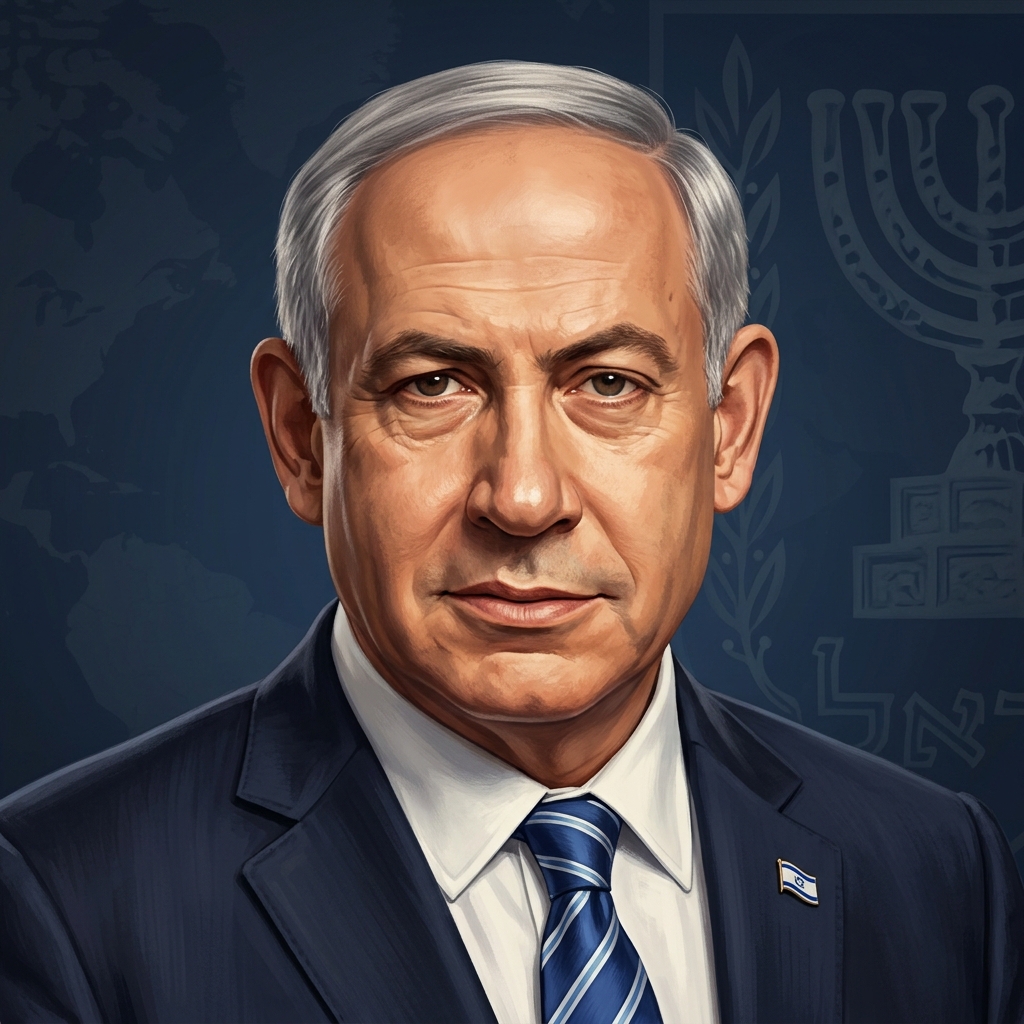
VS
Netanyahu's critics
?
No actors in this side.
No actors in this side.
Israeli Prime Minister Benjamin Netanyahu is facing scrutiny over what he knew before the October 7 attack and how he is shaping the narrative ahead of elections.
Critics question his responsibility and transparency, while he seeks to control the public narrative.
*AI-generated summary of publicly available data. This is not an official statement of any party.
*AI-generated summary of publicly available statements and reporting. This is not an official statement of this party.
Supporters of Netanyahu argue that Israel’s security culture rests on unity and trust in elected leadership during wartime, so they maintain that public dissent over October 7 risks weakening national resolve and the continuity of the state.
Supporters of Netanyahu argue that blaming him for October 7 ignores a deeper cultural truth: Israel's security depends on unity and continuity of leadership, not on assigning fault while enemies still threaten.
Supporters of Netanyahu counter that cultural continuity also means honoring the public's electoral choice; they argue that unelected critics invoking resignation precedents risk replacing democratic verdicts with elite consensus, eroding trust.
Supporters of Netanyahu argue that accountability for October 7 rests with security and military officials, not the prime minister, and that any legal inquiry must follow due process rather than election-season judgment.
Supporters of Netanyahu argue that no Israeli leader could have foreseen October 7, and that he has a legal duty to shape the public narrative while investigations run.
Supporters of Netanyahu counter that Israel's existing legal framework already mandates independent review, and that no inquiry can proceed while active military operations require the government's sole focus.
Supporters of Netanyahu argue that after October 7, controlling the narrative is itself a tool of power: blaming security chiefs and Hamas preserves his coalition and electoral survival, since admitting fault cedes leverage to rivals.
Supporters of Netanyahu argue that holding power requires controlling the narrative before elections, so blame for October 7 is redirected toward security chiefs and Hamas rather than accepted.
Supporters of Netanyahu counter that delaying an inquiry protects the war coalition's survival, since public testimony now would hand power to rivals before Hamas is defeated.
Supporters of Netanyahu argue that judgment must rest on the October 7 facts, not premature blame, and that a leader steering a war should not be forced out mid-conflict.
Supporters of Netanyahu argue that holding him solely responsible for October 7 ignores the collective security failure and the ongoing threat; in their view, accountability must include the full chain of command, not just the prime minister.
Supporters of Netanyahu counter that accountability is owed first to the security decisions that failed, and that assigning blame before the war's objectives are met would weaken the leadership needed to protect Israeli and Palestinian lives.
Supporters of Netanyahu invoke the biblical covenant of the Jewish people to the land, casting him as a guardian of Israel's security and destiny, and argue that questioning his leadership amid war weakens national resolve.
Supporters of Netanyahu invoke the religious duty of preserving national unity and trust in leadership, arguing that questioning the prime minister's conduct while Israel is at war risks division that endangers the nation's security and covenantal continuity.
Supporters of Netanyahu counter that the same tradition teaches that the public must judge leaders with mercy, since all human watchmen fall short, and only Heaven knows the full weight of a leader's decisions.
*AI-generated summary of publicly available statements and reporting. This is not an official statement of this party.
Supporters of Netanyahu's critics argue that a leader's accountability after catastrophe is a cultural test, not just politics—invoking precedent that Israeli leaders have historically resigned after failures, and warning that rewriting the narrative erodes public trust.
Supporters of Netanyahu's critics argue that a culture of impunity, not just one attack, is the deeper issue, noting past inquiries after 1973 set a precedent for leaders to answer for failures rather than shape the narrative.
Supporters of Netanyahu's critics counter that Jewish political culture has always been argumentative, citing Talmudic debate and a robust protest tradition; dissent, in their view, is not a rupture but a historic expression of collective responsibility.
Supporters of Netanyahu's critics argue that legal accountability requires an independent inquiry into what the Prime Minister knew before October 7, contending that shaping the public narrative ahead of elections cannot substitute for transparent disclosure to the public.
Supporters of Netanyahu's critics argue that legal accountability requires an independent inquiry into what the Prime Minister knew before October 7, since no leader is above the duty of transparency the law demands.
Supporters of Netanyahu's critics counter that Israeli law vests ultimate security responsibility in the prime minister, so due process requires investigating his decisions too, not only the military chain of command.
Supporters of Netanyahu's critics argue he is shaping the post-October 7 narrative to dodge blame before elections, since controlling the story of what he knew preserves his power better than any inquiry would.
Supporters of Netanyahu's critics argue he knew the risks pre-Oct 7 yet stalled, then rewrote the narrative to dodge blame—in their view, survival instinct, not security, drives him.
Supporters of Netanyahu's critics counter that scapegoating security chiefs fails on its own terms: blaming the army fractures the very coalition partners and voters whose loyalty the maneuver is meant to secure.
Supporters of Netanyahu's critics argue that moral leadership demands accountability for October 7, and that shielding decision-makers from scrutiny erodes the public trust needed to protect both Israeli and Palestinian lives.
Supporters of Netanyahu's critics argue that leaders bear a moral duty of transparency and accountability for failing to protect civilians and ecosystems alike, and that shifting blame after October 7 evades that duty.
Supporters of Netanyahu's critics counter that a leader whose decisions cost lives bears a moral duty to answer for them, and that accountability cannot wait until a war ends.
Supporters of Netanyahu's critics argue that scripture demands leaders answer for lapses in guarding lives, citing the principle of accountability before God for negligence.
Supporters of Netanyahu's critics invoke the biblical call for truthful leadership, arguing that accountability before God demands transparency about October 7.
Supporters of Netanyahu's critics counter that Jewish tradition itself commands reproof of leaders who err, citing the prophets who challenged kings, and argue that faithful guardianship demands accountability, not silence.
AI-generated summary of publicly available statements and reporting. This is not an official statement of this party.
Supporters of Netanyahu argue that Israel’s security culture rests on unity and trust in elected leadership during wartime, so they maintain that public dissent over October 7 risks weakening national resolve and the continuity of the state.
Supporters of Netanyahu argue that blaming him for October 7 ignores a deeper cultural truth: Israel's security depends on unity and continuity of leadership, not on assigning fault while enemies still threaten.
Supporters of Netanyahu counter that cultural continuity also means honoring the public's electoral choice; they argue that unelected critics invoking resignation precedents risk replacing democratic verdicts with elite consensus, eroding trust.
Supporters of Netanyahu argue that accountability for October 7 rests with security and military officials, not the prime minister, and that any legal inquiry must follow due process rather than election-season judgment.
Supporters of Netanyahu argue that no Israeli leader could have foreseen October 7, and that he has a legal duty to shape the public narrative while investigations run.
Supporters of Netanyahu counter that Israel's existing legal framework already mandates independent review, and that no inquiry can proceed while active military operations require the government's sole focus.
Supporters of Netanyahu argue that after October 7, controlling the narrative is itself a tool of power: blaming security chiefs and Hamas preserves his coalition and electoral survival, since admitting fault cedes leverage to rivals.
Supporters of Netanyahu argue that holding power requires controlling the narrative before elections, so blame for October 7 is redirected toward security chiefs and Hamas rather than accepted.
Supporters of Netanyahu counter that delaying an inquiry protects the war coalition's survival, since public testimony now would hand power to rivals before Hamas is defeated.
Supporters of Netanyahu argue that judgment must rest on the October 7 facts, not premature blame, and that a leader steering a war should not be forced out mid-conflict.
Supporters of Netanyahu argue that holding him solely responsible for October 7 ignores the collective security failure and the ongoing threat; in their view, accountability must include the full chain of command, not just the prime minister.
Supporters of Netanyahu counter that accountability is owed first to the security decisions that failed, and that assigning blame before the war's objectives are met would weaken the leadership needed to protect Israeli and Palestinian lives.
Supporters of Netanyahu invoke the biblical covenant of the Jewish people to the land, casting him as a guardian of Israel's security and destiny, and argue that questioning his leadership amid war weakens national resolve.
Supporters of Netanyahu invoke the religious duty of preserving national unity and trust in leadership, arguing that questioning the prime minister's conduct while Israel is at war risks division that endangers the nation's security and covenantal continuity.
Supporters of Netanyahu counter that the same tradition teaches that the public must judge leaders with mercy, since all human watchmen fall short, and only Heaven knows the full weight of a leader's decisions.
Supporters of Netanyahu's critics argue that a leader's accountability after catastrophe is a cultural test, not just politics—invoking precedent that Israeli leaders have historically resigned after failures, and warning that rewriting the narrative erodes public trust.
Supporters of Netanyahu's critics argue that a culture of impunity, not just one attack, is the deeper issue, noting past inquiries after 1973 set a precedent for leaders to answer for failures rather than shape the narrative.
Supporters of Netanyahu's critics counter that Jewish political culture has always been argumentative, citing Talmudic debate and a robust protest tradition; dissent, in their view, is not a rupture but a historic expression of collective responsibility.
Supporters of Netanyahu's critics argue that legal accountability requires an independent inquiry into what the Prime Minister knew before October 7, contending that shaping the public narrative ahead of elections cannot substitute for transparent disclosure to the public.
Supporters of Netanyahu's critics argue that legal accountability requires an independent inquiry into what the Prime Minister knew before October 7, since no leader is above the duty of transparency the law demands.
Supporters of Netanyahu's critics counter that Israeli law vests ultimate security responsibility in the prime minister, so due process requires investigating his decisions too, not only the military chain of command.
Supporters of Netanyahu's critics argue he is shaping the post-October 7 narrative to dodge blame before elections, since controlling the story of what he knew preserves his power better than any inquiry would.
Supporters of Netanyahu's critics argue he knew the risks pre-Oct 7 yet stalled, then rewrote the narrative to dodge blame—in their view, survival instinct, not security, drives him.
Supporters of Netanyahu's critics counter that scapegoating security chiefs fails on its own terms: blaming the army fractures the very coalition partners and voters whose loyalty the maneuver is meant to secure.
Supporters of Netanyahu's critics argue that moral leadership demands accountability for October 7, and that shielding decision-makers from scrutiny erodes the public trust needed to protect both Israeli and Palestinian lives.
Supporters of Netanyahu's critics argue that leaders bear a moral duty of transparency and accountability for failing to protect civilians and ecosystems alike, and that shifting blame after October 7 evades that duty.
Supporters of Netanyahu's critics counter that a leader whose decisions cost lives bears a moral duty to answer for them, and that accountability cannot wait until a war ends.
Supporters of Netanyahu's critics argue that scripture demands leaders answer for lapses in guarding lives, citing the principle of accountability before God for negligence.
Supporters of Netanyahu's critics invoke the biblical call for truthful leadership, arguing that accountability before God demands transparency about October 7.
Supporters of Netanyahu's critics counter that Jewish tradition itself commands reproof of leaders who err, citing the prophets who challenged kings, and argue that faithful guardianship demands accountability, not silence.