Netanyahu
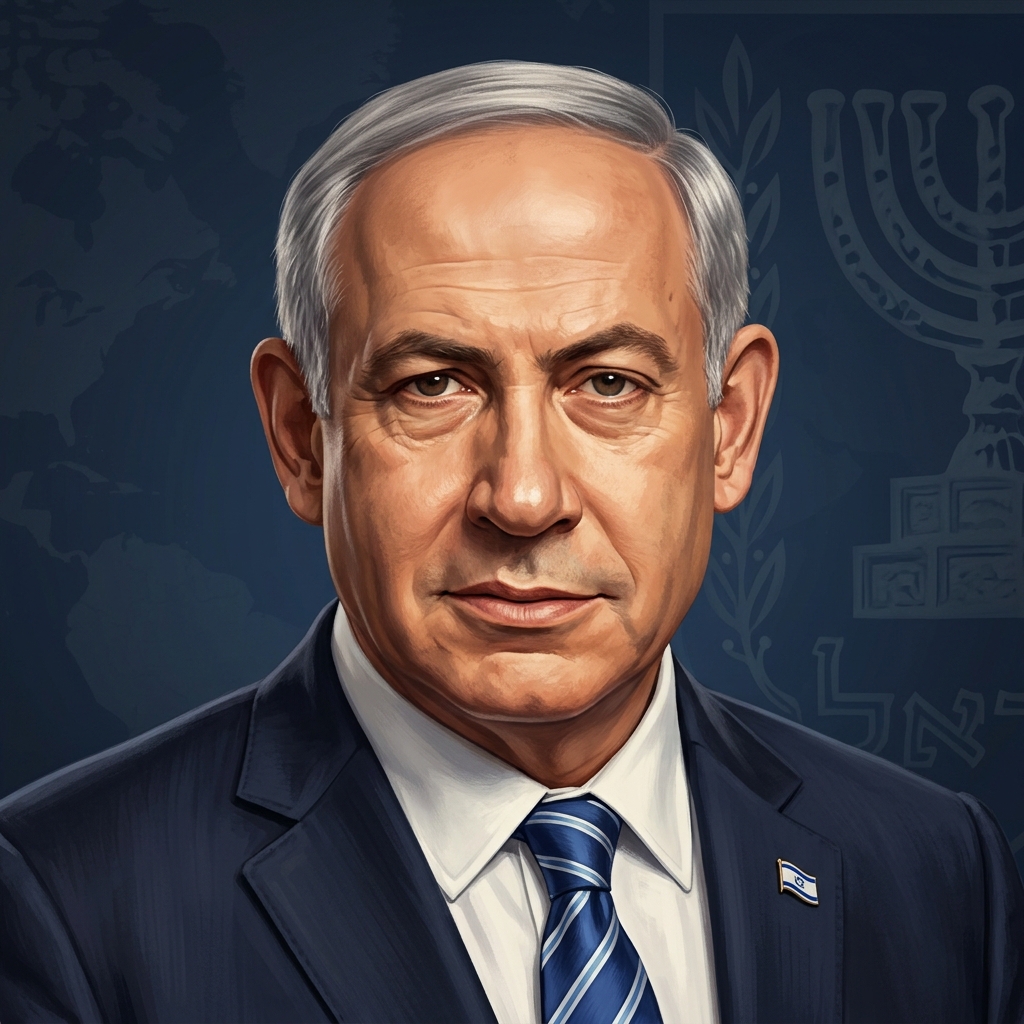
VS
Political opponents

Israeli Prime Minister Benjamin Netanyahu faces significant political challenges from both domestic opponents and international pressures.
His political rivals, including former leaders and former military chief Gadi Eisenkot, have formed alliances and campaigns to counter his leadership ahead of the October election.
Critics, largely from the left, have attacked Netanyahu from the right for not defeating the Iranian threat, while he also faces backlash over his handling of the Gaza conflict and relations with the Trump administration.
The political landscape is marked by intense competition and divergent views on security and diplomatic strategies.
*AI-generated summary of publicly available data. This is not an official statement of any party.
*AI-generated summary of publicly available statements and reporting. This is not an official statement of this party.
Supporters of Netanyahu argue that his critics, attacking from the left yet demanding harsher action on Iran, ignore the prime minister's long game of reshaping the region, a strategy rooted in his history of rallying the right against the Oslo Accords.
Supporters of Netanyahu argue that his critics, attacking from the left yet demanding harsher action, reveal a cultural amnesia about Israel’s survival—his long game against Oslo reflects a historic duty to put security over fleeting diplomatic praise.
Supporters of Netanyahu counter that his leadership actually preserves Israel’s cultural continuity, citing historical cycles where strong central authority unified the nation against existential threats, as in 1948 and 1967.
Supporters of Netanyahu argue that legal challenges to his leadership rest on unproven allegations, insisting his mandate stems from democratic mandate and security imperatives, not court rulings or opposition claims.
Supporters of Netanyahu argue that legal scrutiny over Gaza policy and political alliances ignores his mandate under Israeli law to prioritize national security, framing opposition as a challenge to democratic electoral legitimacy.
Supporters of Netanyahu counter that the Israeli Supreme Court and Attorney General have repeatedly affirmed his authority to conduct military operations under the Basic Law and War Powers framework, which grants the executive broad discretion in security matters. They challenge.
Supporters of Netanyahu argue rivals attack him from the right only to mask their own weakness, using escalation rhetoric they would never back in power. They maintain his long game—surviving coalitions and reshaping regional order—outlasts any alliance of former leaders.
Supporters of Netanyahu argue rivals attack from the left yet demand more war, a safe play for votes, not security. They see his Gaza withdrawal plan as pragmatic timing, while opponents exploit Trump’s anger for leverage. In their view, Eisenkot’s challenge is raw ambition, and.
Supporters of Netanyahu counter that his rivals’ right-wing attacks ignore the structural reality: coalition survival demands escalation, and his opponents would wield the same levers. They argue that power, not policy, is the only currency that keeps Israel’s fractious system.
Supporters of Netanyahu argue that his leadership is morally justified as the only steady hand against existential Iranian threats, with critics unfairly attacking him from the right while ignoring his strategic restraint in Gaza.
Supporters of Netanyahu argue that moral leadership demands prioritizing Israel's security over political rivals' demands, and they view his defiance of critics as principled resolve, not stubbornness.
Supporters of Netanyahu counter that moral accountability is measured by protecting citizens, not by self-imposed restraint; his Gaza policy prioritizes Israeli security and the return of hostages, which they argue is the highest moral duty of any leader.
Supporters of Netanyahu argue that his leadership upholds Israel's sacred duty to preserve the homeland, viewing his defiance of political rivals as steadfast guardianship of Jewish tradition and security.
Supporters of Netanyahu argue that his leadership preserves Israel's biblical inheritance, framing the Gaza stance as a sacred duty against foreign and domestic pressure to abandon the land.
Supporters of Netanyahu counter that his leadership embodies divine stewardship, citing Isaiah’s mandate for rulers to safeguard the nation’s covenant, not pacify adversaries. They argue that protecting Israel’s survival against existential threats is the sanctity of life’s.
*AI-generated summary of publicly available statements and reporting. This is not an official statement of this party.
Supporters of Political opponents argue that Netanyahu’s leadership has eroded Israel’s cultural unity, as his divisive politics prioritize factional loyalty over shared national identity, leaving the country fractured amid external threats.
Supporters of Political opponents argue that Netanyahu’s leadership has fractured Israel’s cultural consensus on security, as his critics—mostly left-leaning—contend he prioritizes political survival over the national identity of unity in wartime.
Supporters of Political opponents counter that Netanyahu’s regional strategy neglects the cultural cost of perpetual conflict, as the Oslo-era promise of shared civic life fades under settler-driven nationalism, eroding Israel’s democratic fabric and alienating diaspora ties.
Supporters of Political opponents argue that Netanyahu's governance violates legal norms of accountability, citing his failure to secure a lawful mandate for prolonged military actions and diplomatic crises. They maintain that international legal standards require transparent.
Supporters of Political opponents argue that Netanyahu’s Gaza withdrawal plan and wartime escalation bypass legal accountability, citing his failure to secure a mandate for unilateral actions that violate international humanitarian law and erode the rule of law in governance.
Supporters of Political opponents counter that legal review is the safeguard of democratic mandate, not its enemy, and that Netanyahu’s security record cannot override due process or equal application of law.
Supporters of Political opponents argue Netanyahu's survival is pure realpolitik: he escalates to dodge accountability, using Gaza and Iran as shields. They claim his rivals, attacking from the right, expose that his power trumps policy, leaving Israel weaker under his grip.
Supporters of Political opponents argue Netanyahu’s survival depends on perpetual crisis, not victory—his Gaza disarmament plan is a tactical retreat to buy time, and his rivals, attacking from the right, expose that he prioritizes power over security. They assert Eisenkot’s.
Supporters of political opponents counter that Netanyahu’s “long game” is a myth of convenience, masking a survival strategy that trades national security for personal immunity. They argue his coalition maneuvers and regional reshuffling serve one master—staying in power—while.
Supporters of Political opponents argue that Netanyahu's leadership has eroded moral accountability, pointing to his Gaza policy as evidence that political survival outweighs civilian life and democratic norms.
Supporters of the political opponents argue that Netanyahu’s continued leadership fails a moral duty to prioritize national unity and accountability over personal political survival, citing his Gaza policies and conflicts with allies as evidence of compromised judgment.
Supporters of Political opponents counter that moral justification cannot rest on threat perception alone, citing documented civilian casualties in Gaza as a breach of proportionality under international law. They argue that strategic restraint, if genuine, would demand.
Supporters of Political opponents argue that Netanyahu’s leadership defies divine stewardship by prioritizing political survival over the sanctity of life, as scripture demands righteous rulers protect their people, not prolong conflict for power.
Supporters of Political opponents argue that Netanyahu's leadership defies divine law by prioritizing personal power over the sanctity of life, pointing to the Gaza conflict as evidence that his policies abandon the moral covenant to protect all people.
Supporters of political opponents counter that divine law demands justice and humility, not unchecked power, and that Netanyahu’s governance risks corrupting the sacred trust of the homeland. They argue that faith calls for accountability, not defiance, and that true.
AI-generated summary of publicly available statements and reporting. This is not an official statement of this party.
Supporters of Netanyahu argue that his critics, attacking from the left yet demanding harsher action on Iran, ignore the prime minister's long game of reshaping the region, a strategy rooted in his history of rallying the right against the Oslo Accords.
Supporters of Netanyahu argue that his critics, attacking from the left yet demanding harsher action, reveal a cultural amnesia about Israel’s survival—his long game against Oslo reflects a historic duty to put security over fleeting diplomatic praise.
Supporters of Netanyahu counter that his leadership actually preserves Israel’s cultural continuity, citing historical cycles where strong central authority unified the nation against existential threats, as in 1948 and 1967.
Supporters of Netanyahu argue that legal challenges to his leadership rest on unproven allegations, insisting his mandate stems from democratic mandate and security imperatives, not court rulings or opposition claims.
Supporters of Netanyahu argue that legal scrutiny over Gaza policy and political alliances ignores his mandate under Israeli law to prioritize national security, framing opposition as a challenge to democratic electoral legitimacy.
Supporters of Netanyahu counter that the Israeli Supreme Court and Attorney General have repeatedly affirmed his authority to conduct military operations under the Basic Law and War Powers framework, which grants the executive broad discretion in security matters. They challenge.
Supporters of Netanyahu argue rivals attack him from the right only to mask their own weakness, using escalation rhetoric they would never back in power. They maintain his long game—surviving coalitions and reshaping regional order—outlasts any alliance of former leaders.
Supporters of Netanyahu argue rivals attack from the left yet demand more war, a safe play for votes, not security. They see his Gaza withdrawal plan as pragmatic timing, while opponents exploit Trump’s anger for leverage. In their view, Eisenkot’s challenge is raw ambition, and.
Supporters of Netanyahu counter that his rivals’ right-wing attacks ignore the structural reality: coalition survival demands escalation, and his opponents would wield the same levers. They argue that power, not policy, is the only currency that keeps Israel’s fractious system.
Supporters of Netanyahu argue that his leadership is morally justified as the only steady hand against existential Iranian threats, with critics unfairly attacking him from the right while ignoring his strategic restraint in Gaza.
Supporters of Netanyahu argue that moral leadership demands prioritizing Israel's security over political rivals' demands, and they view his defiance of critics as principled resolve, not stubbornness.
Supporters of Netanyahu counter that moral accountability is measured by protecting citizens, not by self-imposed restraint; his Gaza policy prioritizes Israeli security and the return of hostages, which they argue is the highest moral duty of any leader.
Supporters of Netanyahu argue that his leadership upholds Israel's sacred duty to preserve the homeland, viewing his defiance of political rivals as steadfast guardianship of Jewish tradition and security.
Supporters of Netanyahu argue that his leadership preserves Israel's biblical inheritance, framing the Gaza stance as a sacred duty against foreign and domestic pressure to abandon the land.
Supporters of Netanyahu counter that his leadership embodies divine stewardship, citing Isaiah’s mandate for rulers to safeguard the nation’s covenant, not pacify adversaries. They argue that protecting Israel’s survival against existential threats is the sanctity of life’s.
Supporters of Political opponents argue that Netanyahu’s leadership has eroded Israel’s cultural unity, as his divisive politics prioritize factional loyalty over shared national identity, leaving the country fractured amid external threats.
Supporters of Political opponents argue that Netanyahu’s leadership has fractured Israel’s cultural consensus on security, as his critics—mostly left-leaning—contend he prioritizes political survival over the national identity of unity in wartime.
Supporters of Political opponents counter that Netanyahu’s regional strategy neglects the cultural cost of perpetual conflict, as the Oslo-era promise of shared civic life fades under settler-driven nationalism, eroding Israel’s democratic fabric and alienating diaspora ties.
Supporters of Political opponents argue that Netanyahu's governance violates legal norms of accountability, citing his failure to secure a lawful mandate for prolonged military actions and diplomatic crises. They maintain that international legal standards require transparent.
Supporters of Political opponents argue that Netanyahu’s Gaza withdrawal plan and wartime escalation bypass legal accountability, citing his failure to secure a mandate for unilateral actions that violate international humanitarian law and erode the rule of law in governance.
Supporters of Political opponents counter that legal review is the safeguard of democratic mandate, not its enemy, and that Netanyahu’s security record cannot override due process or equal application of law.
Supporters of Political opponents argue Netanyahu's survival is pure realpolitik: he escalates to dodge accountability, using Gaza and Iran as shields. They claim his rivals, attacking from the right, expose that his power trumps policy, leaving Israel weaker under his grip.
Supporters of Political opponents argue Netanyahu’s survival depends on perpetual crisis, not victory—his Gaza disarmament plan is a tactical retreat to buy time, and his rivals, attacking from the right, expose that he prioritizes power over security. They assert Eisenkot’s.
Supporters of political opponents counter that Netanyahu’s “long game” is a myth of convenience, masking a survival strategy that trades national security for personal immunity. They argue his coalition maneuvers and regional reshuffling serve one master—staying in power—while.
Supporters of Political opponents argue that Netanyahu's leadership has eroded moral accountability, pointing to his Gaza policy as evidence that political survival outweighs civilian life and democratic norms.
Supporters of the political opponents argue that Netanyahu’s continued leadership fails a moral duty to prioritize national unity and accountability over personal political survival, citing his Gaza policies and conflicts with allies as evidence of compromised judgment.
Supporters of Political opponents counter that moral justification cannot rest on threat perception alone, citing documented civilian casualties in Gaza as a breach of proportionality under international law. They argue that strategic restraint, if genuine, would demand.
Supporters of Political opponents argue that Netanyahu’s leadership defies divine stewardship by prioritizing political survival over the sanctity of life, as scripture demands righteous rulers protect their people, not prolong conflict for power.
Supporters of Political opponents argue that Netanyahu's leadership defies divine law by prioritizing personal power over the sanctity of life, pointing to the Gaza conflict as evidence that his policies abandon the moral covenant to protect all people.
Supporters of political opponents counter that divine law demands justice and humility, not unchecked power, and that Netanyahu’s governance risks corrupting the sacred trust of the homeland. They argue that faith calls for accountability, not defiance, and that true.
Netanyahu faces political turmoil over Gaza disarmament plan tied to Israel's potential withdrawal from the enclave.
Former military chief Gadi Eisenkot was identified as the main opponent to Netanyahu ahead of the October election.
A New Yorker piece noted that Netanyahu's opponents, overwhelmingly to his left, have largely attacked him from the right for not defeating the Iranian threat.
Netanyahu faced mounting criticism from political opponents and allies demanding escalation in Israel's fight, while also dealing with an irate Trump abroad.
Two former Israeli leaders announced a strategic alliance aimed at countering Prime Minister Netanyahu's political party.
An analysis highlighted Netanyahu's historical role in mobilizing right-wing forces against the Oslo Accords, reflecting his long-term strategy.
Israeli opposition claimed Netanyahu can no longer lead, amid political backlash.
Israel's first election since the war on Gaza began, determining the next government.
Hamas-led attack on Israel that triggered the ongoing conflict and political fallout.