Netanyahu
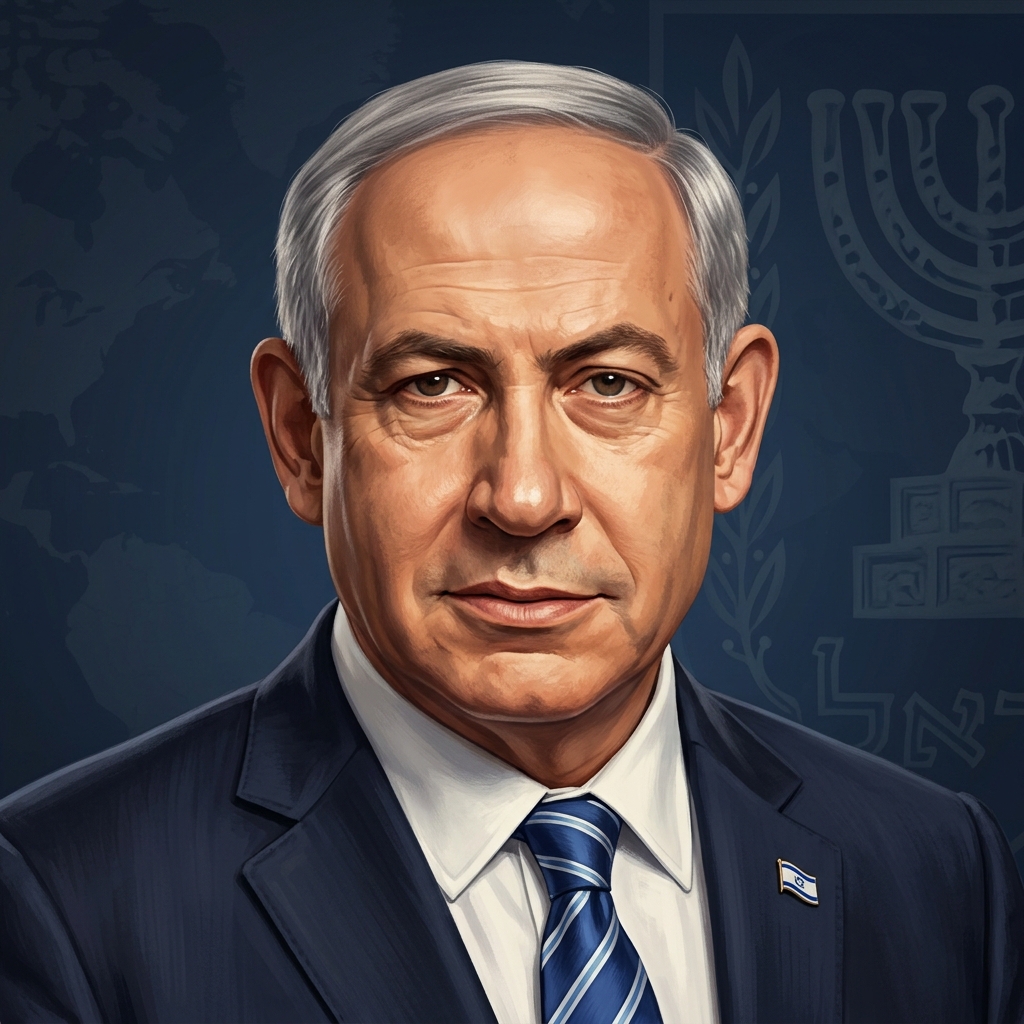
VS
Trump administration
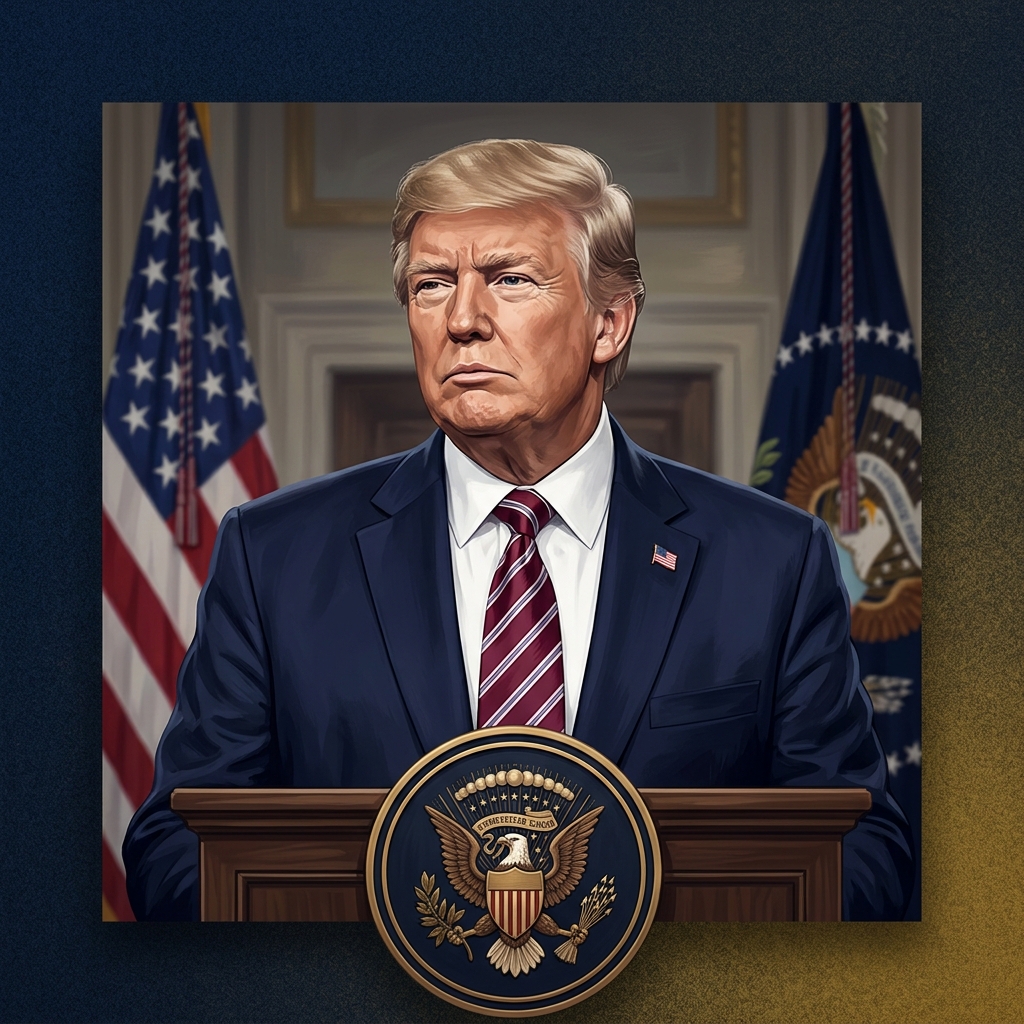
The relationship between Israeli Prime Minister Benjamin Netanyahu and the Trump administration has shifted from close alliance to public friction, particularly over military actions and ceasefire terms.
Netanyahu's decision to strike Beirut hours before an agreement with Iran drew Trump's ire, and their differing goals in the conflict have put them at odds.
While Netanyahu once called Trump the 'greatest friend Israel has ever had in the White House,' recent events have led to public humiliations and strained ties.
The discord has implications for Middle East ceasefire efforts and US-Israel relations.
*AI-generated summary of publicly available data. This is not an official statement of any party.
*AI-generated summary of publicly available statements and reporting. This is not an official statement of this party.
Supporters of Netanyahu argue that Israel’s cultural duty to defend its homeland overrides any external deal, as only a complete Hamas disarmament preserves Jewish sovereignty and historical identity in Gaza.
Supporters of Netanyahu argue that Israel’s biblical and historical claim to Gaza anchors its duty to demand total disarmament, framing any premature withdrawal as a betrayal of Jewish sovereignty and ancestral land.
Supporters of Netanyahu counter that the Trump administration’s deal ignores the cultural memory of regional shifts, where negotiated disarmament has repeatedly empowered hostile forces. They argue that for Israel, security rests not on abstract diplomacy but on tangible,.
Supporters of Netanyahu argue that Israel's legal obligation to defend its citizens under international law requires verifying Hamas's complete disarmament before any withdrawal, making the Trump deal's terms legally premature and insufficiently enforceable.
Supporters of Netanyahu argue that international law obliges Israel to secure its borders until a hostile force fully disarms, and that premature withdrawal would violate the state's duty to protect its citizens.
Supporters of Netanyahu counter that the deal lacks binding legal force under domestic and international law, as it was never ratified by Israel’s parliament or signed as a treaty. They argue his duty to uphold constitutional sovereignty and security overrides unratified.
Supporters of Netanyahu argue Israel’s leader reads the deal as a power play: Trump’s announcement grants Hamas a political lifeline, while Netanyahu’s refusal keeps military leverage—and his own coalition’s survival—intact. They see the prime minister’s stance as a pragmatic.
Supporters of Netanyahu argue that premature withdrawal would hand Hamas a political victory and erode Israel’s deterrent power. They see the Trump deal as a tactical concession, not a strategic end, and insist that only complete disarmament secures lasting leverage in any.
Supporters of Netanyahu counter that staged withdrawal is leverage itself, forcing Hamas to expose its true intentions while Israel retains escalation dominance. They argue that a disarmament deal without verified enforcement is a paper concession that empowers Hamas’s future.
Supporters of Netanyahu argue that disarmament must precede any withdrawal, viewing it as a moral duty to protect Israeli citizens from future Hamas attacks. They maintain that a deal without full disarmament would betray victims and reward terrorism.
Supporters of Netanyahu argue that a sovereign state cannot morally abandon its citizens to a still-armed terrorist entity, viewing full disarmament as the only just foundation for any withdrawal.
Supporters of Netanyahu counter that moral clarity demands refusing to legitimize a terror entity’s survival; a verifiable deal without total disarmament would reward Hamas’s atrocities and leave Israeli civilians permanently hostage to unverifiable promises.
Supporters of Netanyahu argue that scripture mandates Israel's secure possession of the land, so any withdrawal before total disarmament would defy divine law and endanger the faithful.
Supporters of Netanyahu argue that divine covenant obliges Israel to secure the Promised Land, and disarming Hamas is a sacred duty before any withdrawal; they see the Trump deal as a test of faith, not policy.
Supporters of Netanyahu counter that scripture charges Israel’s leaders with guarding the covenant land, not trading it for fragile human promises. They argue the deal risks ceding divine inheritance, which no earthly negotiation can sanctify.
*AI-generated summary of publicly available statements and reporting. This is not an official statement of this party.
Supporters of the Trump administration argue that its deal respects the region’s enduring order by prioritizing a durable, negotiated disarmament over indefinite occupation, viewing this as a return to stable, time-honored diplomacy.
Supporters of the Trump administration view the disarmament deal as a pragmatic path to restore regional order, arguing that phased stability honors longstanding diplomatic precedent over maximalist demands.
Supporters of the Trump administration counter that cultural continuity is best served by pragmatic statecraft, not rigid ideology, and that a negotiated settlement—not unconditional disarmament—preserves Jewish heritage while securing regional stability.
Supporters of Trump administration argue the deal holds legal weight as a binding framework for disarmament, with enforcement mechanisms that meet security needs. They maintain Netanyahu's refusal risks breaching agreed terms, undermining international obligations.
Supporters of Trump administration argue the deal’s legality rests on enforceable, verifiable disarmament terms, viewing it as a binding framework consistent with prior ceasefires. They maintain Netanyahu’s unilateral condition exceeds the agreement’s scope, risking legal.
Supporters of the Trump administration counter that the deal’s enforcement mechanism, not its disarmament timeline, meets legal standards, as international law permits phased withdrawals conditioned on observable security guarantees, which the agreement’s monitoring provisions.
Supporters of the Trump administration argue that Netanyahu's maximalist stance is a political shield, not a strategy, and that the disarmament deal is the only lever that secures lasting leverage over Hamas. They maintain that a staged withdrawal trades territory for a.
Supporters of the Trump administration argue the public deal to disarm Hamas serves as leverage, not surrender, forcing Netanyahu to accept a phased withdrawal that preserves U.S. credibility while pinning blame on his maximalist stance if talks fail.
Supporters of the Trump administration counter that Netanyahu’s refusal misreads the deal’s leverage: the announcement isolates Hamas diplomatically, while the prime minister’s defiance risks losing Washington’s backing—a far greater strategic cost than any coalition gain.
Supporters of the Trump administration argue that moral clarity demands prioritizing a verifiable disarmament deal over maximalist conditions, as endless refusal to withdraw prolongs civilian suffering in Gaza. They maintain that holding out for total, unverifiable disarmament.
Supporters of the Trump administration argue that its disarmament deal is the moral path to end civilian suffering, prioritizing a definitive halt to bloodshed over Netanyahu's maximalist conditions.
Supporters of the Trump administration counter that prioritizing disarmament alone ignores the moral imperative to end civilian suffering, arguing that a phased withdrawal tied to security guarantees offers a more just path than indefinite occupation.
Supporters of the Trump administration argue that its disarmament deal upholds a divine mandate for order, viewing the negotiated path as a sacred duty to end bloodshed while preserving Israel’s security.
Supporters of the Trump administration argue that a divinely ordered peace requires honoring agreements, not endless stalemate, and they see the disarmament deal as a righteous step to end bloodshed in the Holy Land.
Supporters of the Trump administration counter that divine law also calls for peace and the preservation of life, and that secure possession is fulfilled through negotiated security guarantees, not perpetual occupation.
AI-generated summary of publicly available statements and reporting. This is not an official statement of this party.
Supporters of Netanyahu argue that Israel’s cultural duty to defend its homeland overrides any external deal, as only a complete Hamas disarmament preserves Jewish sovereignty and historical identity in Gaza.
Supporters of Netanyahu argue that Israel’s biblical and historical claim to Gaza anchors its duty to demand total disarmament, framing any premature withdrawal as a betrayal of Jewish sovereignty and ancestral land.
Supporters of Netanyahu counter that the Trump administration’s deal ignores the cultural memory of regional shifts, where negotiated disarmament has repeatedly empowered hostile forces. They argue that for Israel, security rests not on abstract diplomacy but on tangible,.
Supporters of Netanyahu argue that Israel's legal obligation to defend its citizens under international law requires verifying Hamas's complete disarmament before any withdrawal, making the Trump deal's terms legally premature and insufficiently enforceable.
Supporters of Netanyahu argue that international law obliges Israel to secure its borders until a hostile force fully disarms, and that premature withdrawal would violate the state's duty to protect its citizens.
Supporters of Netanyahu counter that the deal lacks binding legal force under domestic and international law, as it was never ratified by Israel’s parliament or signed as a treaty. They argue his duty to uphold constitutional sovereignty and security overrides unratified.
Supporters of Netanyahu argue Israel’s leader reads the deal as a power play: Trump’s announcement grants Hamas a political lifeline, while Netanyahu’s refusal keeps military leverage—and his own coalition’s survival—intact. They see the prime minister’s stance as a pragmatic.
Supporters of Netanyahu argue that premature withdrawal would hand Hamas a political victory and erode Israel’s deterrent power. They see the Trump deal as a tactical concession, not a strategic end, and insist that only complete disarmament secures lasting leverage in any.
Supporters of Netanyahu counter that staged withdrawal is leverage itself, forcing Hamas to expose its true intentions while Israel retains escalation dominance. They argue that a disarmament deal without verified enforcement is a paper concession that empowers Hamas’s future.
Supporters of Netanyahu argue that disarmament must precede any withdrawal, viewing it as a moral duty to protect Israeli citizens from future Hamas attacks. They maintain that a deal without full disarmament would betray victims and reward terrorism.
Supporters of Netanyahu argue that a sovereign state cannot morally abandon its citizens to a still-armed terrorist entity, viewing full disarmament as the only just foundation for any withdrawal.
Supporters of Netanyahu counter that moral clarity demands refusing to legitimize a terror entity’s survival; a verifiable deal without total disarmament would reward Hamas’s atrocities and leave Israeli civilians permanently hostage to unverifiable promises.
Supporters of Netanyahu argue that scripture mandates Israel's secure possession of the land, so any withdrawal before total disarmament would defy divine law and endanger the faithful.
Supporters of Netanyahu argue that divine covenant obliges Israel to secure the Promised Land, and disarming Hamas is a sacred duty before any withdrawal; they see the Trump deal as a test of faith, not policy.
Supporters of Netanyahu counter that scripture charges Israel’s leaders with guarding the covenant land, not trading it for fragile human promises. They argue the deal risks ceding divine inheritance, which no earthly negotiation can sanctify.
Supporters of the Trump administration argue that its deal respects the region’s enduring order by prioritizing a durable, negotiated disarmament over indefinite occupation, viewing this as a return to stable, time-honored diplomacy.
Supporters of the Trump administration view the disarmament deal as a pragmatic path to restore regional order, arguing that phased stability honors longstanding diplomatic precedent over maximalist demands.
Supporters of the Trump administration counter that cultural continuity is best served by pragmatic statecraft, not rigid ideology, and that a negotiated settlement—not unconditional disarmament—preserves Jewish heritage while securing regional stability.
Supporters of Trump administration argue the deal holds legal weight as a binding framework for disarmament, with enforcement mechanisms that meet security needs. They maintain Netanyahu's refusal risks breaching agreed terms, undermining international obligations.
Supporters of Trump administration argue the deal’s legality rests on enforceable, verifiable disarmament terms, viewing it as a binding framework consistent with prior ceasefires. They maintain Netanyahu’s unilateral condition exceeds the agreement’s scope, risking legal.
Supporters of the Trump administration counter that the deal’s enforcement mechanism, not its disarmament timeline, meets legal standards, as international law permits phased withdrawals conditioned on observable security guarantees, which the agreement’s monitoring provisions.
Supporters of the Trump administration argue that Netanyahu's maximalist stance is a political shield, not a strategy, and that the disarmament deal is the only lever that secures lasting leverage over Hamas. They maintain that a staged withdrawal trades territory for a.
Supporters of the Trump administration argue the public deal to disarm Hamas serves as leverage, not surrender, forcing Netanyahu to accept a phased withdrawal that preserves U.S. credibility while pinning blame on his maximalist stance if talks fail.
Supporters of the Trump administration counter that Netanyahu’s refusal misreads the deal’s leverage: the announcement isolates Hamas diplomatically, while the prime minister’s defiance risks losing Washington’s backing—a far greater strategic cost than any coalition gain.
Supporters of the Trump administration argue that moral clarity demands prioritizing a verifiable disarmament deal over maximalist conditions, as endless refusal to withdraw prolongs civilian suffering in Gaza. They maintain that holding out for total, unverifiable disarmament.
Supporters of the Trump administration argue that its disarmament deal is the moral path to end civilian suffering, prioritizing a definitive halt to bloodshed over Netanyahu's maximalist conditions.
Supporters of the Trump administration counter that prioritizing disarmament alone ignores the moral imperative to end civilian suffering, arguing that a phased withdrawal tied to security guarantees offers a more just path than indefinite occupation.
Supporters of the Trump administration argue that its disarmament deal upholds a divine mandate for order, viewing the negotiated path as a sacred duty to end bloodshed while preserving Israel’s security.
Supporters of the Trump administration argue that a divinely ordered peace requires honoring agreements, not endless stalemate, and they see the disarmament deal as a righteous step to end bloodshed in the Holy Land.
Supporters of the Trump administration counter that divine law also calls for peace and the preservation of life, and that secure possession is fulfilled through negotiated security guarantees, not perpetual occupation.
Any deal in any of Israel’s conflicts would be politically damaging for its prime minister.
Israel’s PM Benjamin Netanyahu has rejected Donald Trump’s Gaza peace plan which has exposed tensions between the two.
Attacks in Gaza slowed sharply this week even as Netanyahu publicly rejected Trump's 15-point peace plan.
Can Netanyahu risk continuing to defy Trump?
US President Donald Trump maintains that his relationship with Israel's PM Benjamin Netanyahu is still good.
Trump has the leverage to enforce his Gaza plan. Netanyahu is betting that he lacks the political will to use it.
The Trump administration is said to be unbothered by the Israeli prime minister's rejection of the deal, viewing it as campaign rhetoric ahead of a general election.
Israeli Prime Minister Benjamin Netanyahu has rejected US President Donald Trump’s Gaza peace plan and demanded that Hamas disarm Read Full Article at RT.com
Israel’s prime minister is rejecting Trump’s deal for Gaza and says Israeli forces won’t withdraw from the Palestinian territory until Hamas disarms.
Israel rejects Trump’s 15-point Gaza plan, Netanyahu says.
Israeli Prime Minister Benjamin Netanyahu announced Israel's rejection of US President Donald Trump's 15-point plan for Gaza. Follow DW for more.
Israel's PM says its military will not pull-out from Gaza until Hamas is "genuinely" disarmed.
A proposed plan by the Trump administration for Gaza, which Israel rejected.
The Israeli prime minister suggested there were differences with the Trump administration over a recent deal announced to disarm the militants.
Al Jazeera published an article asking whether Netanyahu really defied Trump in bombing Iran, exploring the tensions between the two leaders.
Al Jazeera published an analysis questioning whether Trump has real leverage over Netanyahu, noting their once-close political relationship.
PBS reported that Netanyahu and Trump started a war together but now have differing goals, with Netanyahu aiming to degrade Iran's military and topple its government.
NBC News reported that Netanyahu faced angry voters at home and an irate Trump abroad, following public criticism from the US president.
The Guardian reported that the complex relationship between Trump and Netanyahu continues to undermine Middle East ceasefire efforts.
The Guardian reported that persuading Trump to join the attack on Iran was Netanyahu's biggest victory, but that triumph is crumbling as US-Iranian peace efforts proceed.
Trump's repeated public humiliations of Netanyahu, including a phone call where Trump said 'hands in...', were highlighted by critics and reported in the media.
Nikolay Mladenov, Gaza envoy for Trump's Board of Peace, met with Netanyahu to discuss the ceasefire and new Gaza plan.
Trump's envoys met with Egyptian, Qatari and Turkish mediators in Cairo to advance the Gaza peace plan.
Rare meeting between Trump envoy Jared Kushner and a Hamas leader to push Gaza peace plan.
Israel rejected Donald Trump's peace plan for Gaza.