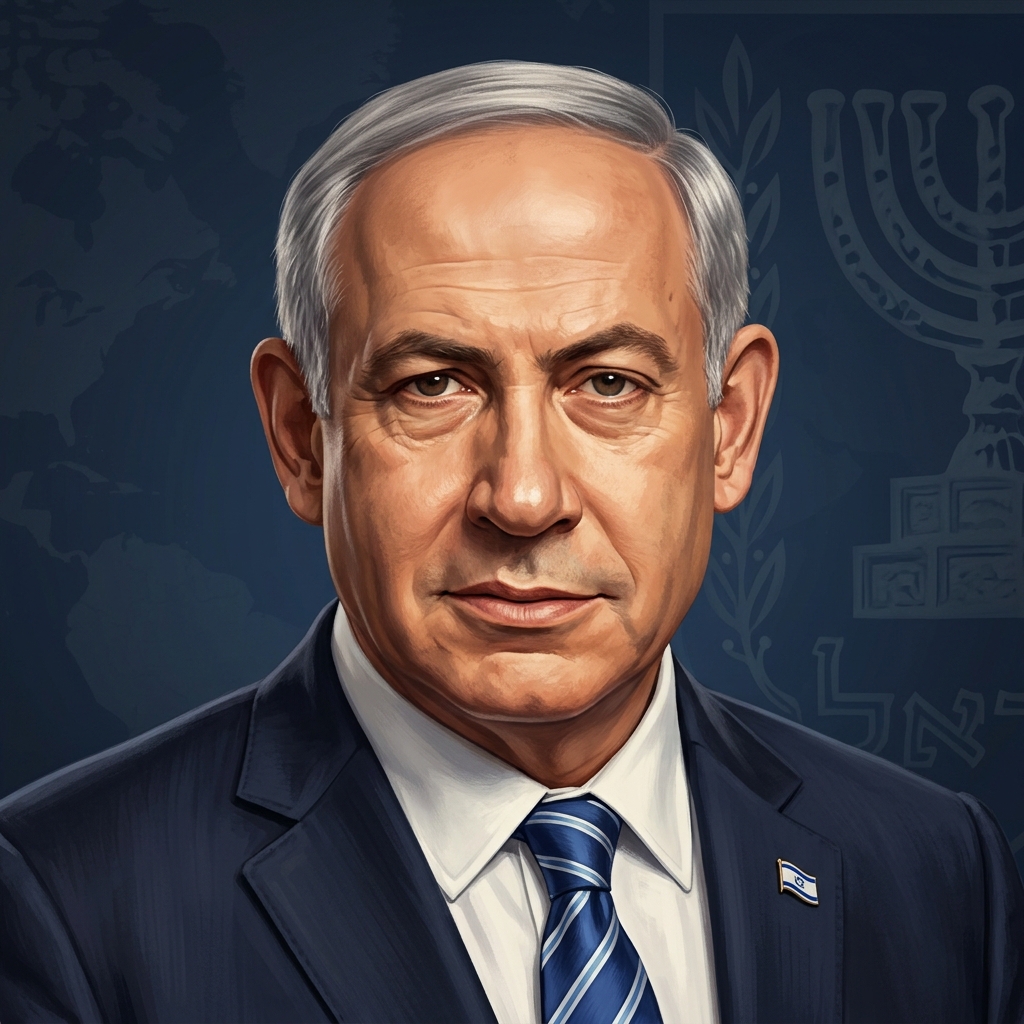
Netanyahu's office
VS
Critics alleging cover-up
?
No actors in this side.
No actors in this side.
Netanyahu's office represents the communications and legal apparatus of Israeli Prime Minister Benjamin Netanyahu, which has publicly confirmed that a secret meeting took place between Netanyahu and UAE President Mohamed bin Zayed.
The office has denied suggestions that during that meeting Netanyahu asked the UAE to deny reports that it had warned Israel about an impending Hamas attack in 2023.
Critics alleging a cover-up are journalists, political opponents, and commentators who argue that the meeting and the subsequent denial are part of an effort to conceal warnings that could have preceded the 2023 Hamas attack.
They point to reporting by the Israeli newspaper Haaretz, which stated that UAE President Mohamed bin Zayed warned Netanyahu about a major attack, and they treat the denial as an attempt to suppress that account.
The dispute has escalated into legal action: Netanyahu has said he will sue Haaretz over its reporting on the alleged warning.
The clash centers on competing claims about what was said in the meeting and whether the public is being given a full account of pre-attack intelligence, with each side accusing the other of misrepresenting the facts.
*AI-generated summary of publicly available data. This is not an official statement of any party.
*AI-generated summary of publicly available statements and reporting. This is not an official statement of this party.
Supporters of Netanyahu's office argue that quiet diplomacy with Arab states is a long-standing tradition Israel must protect, and that confidentiality in such meetings serves national unity rather than concealing anything.
Supporters of Netanyahu's office argue that discreet diplomacy with regional partners like the UAE reflects Israel's longstanding tradition of quiet statecraft, and that confidentiality protects vital security ties rather than concealing anything.
Supporters of Netanyahu's office counter that secrecy around diplomacy reflects a longstanding cultural norm of protecting statecraft from public exposure, not evasion; they argue such discretion preserves Israel's security interests.
Supporters of Netanyahu's office argue the office's legal duty is accurate disclosure, and that it confirmed the meeting while denying the cover-up claim—no legal evidence shows he asked the UAE to deny any warning.
Supporters of Netanyahu’s office argue the confirmed UAE meeting was lawful diplomacy, and they deny any request to suppress warnings, insisting no legal duty was breached.
Supporters of Netanyahu's office counter that disclosure obligations apply to formal government records, not unverified claims, and that no legal duty attaches absent a documented, official warning.
Supporters of Netanyahu's office argue that confirming the meeting while denying the warning request protects Israel's quiet UAE channel, since admitting reliance on Gulf intelligence would hand Hamas and Iran a strategic win.
Supporters of Netanyahu's office argue a leader meeting allies secretly to manage wartime messaging is standard statecraft, and that denying UAE warnings is protecting a fragile coalition, not covering up.
Supporters of Netanyahu's office counter that a leader denying a leak protects operational secrecy, not evidence; the UAE warning claim itself remains unverified, and adversaries gain more from the disclosure than the public does.
Supporters of Netanyahu's office argue that confirming the secret UAE meeting while denying any request to suppress warning reports shows transparency and honesty, and that no evidence supports the cover-up claim.
Supporters of Netanyahu's office argue that confirming the secret UAE meeting while denying any request to suppress warning reports shows transparency, not cover-up.
Supporters of Netanyahu's office counter that withholding operational details protects active security deliberations, and that moral duty to shield intelligence sources can outweigh a public's demand to know.
Supporters of Netanyahu's office argue that his quiet diplomacy with the UAE reflects a duty to protect Israel's citizens, and deny any request to suppress warnings, holding that such claims wrongly judge a leader's motives before God.
Supporters of Netanyahu's office invoke the sanctity of confidential diplomacy, arguing that discretion preserves trust between nations and that denying a UAE warning is consistent with honoring a sworn confidence.
Supporters of Netanyahu's office counter that scripture commands deference to established authority, citing Romans 13, and argue state secrets serve the nation's protection rather than any covenant breach.
*AI-generated summary of publicly available statements and reporting. This is not an official statement of this party.
Critics alleging cover-up contend the secret UAE meeting and Netanyahu's denial betray a cultural refusal to accept warning intelligence, prioritizing political image over the nation's security accountability.
Supporters of the critics alleging a cover-up argue that the secrecy itself signals a cultural refusal to account for 2023's failures, treating transparency as a threat to national narrative rather than a duty.
Critics alleging cover-up counter that a tradition of secrecy around Arab outreach lets leaders control the cultural narrative, denying citizens the open debate a sovereign nation needs.
Critics alleging cover-up argue that transparency obligations require disclosure of the UAE's 2023 warning and the secret meeting's contents, since denying such a warning without evidence undermines accountability.
Supporters of the critics alleging cover-up argue that a secret meeting, confirmed but unexplained, demands legal scrutiny—they maintain that any request to suppress a warning about the 2023 Hamas attack could constitute obstruction warranting formal inquiry.
Supporters of the critics alleging cover-up counter that a meeting's confirmation doesn't resolve the legal question, since the dispute turns on what was disclosed and when, not merely on the denial itself.
Supporters of the critics alleging cover-up argue Netanyahu's confirmed secret UAE meeting and his office's preemptive denial show he sought to suppress evidence that the UAE warned Israel before October 7—protecting himself, not the public.
Supporters of the critics argue Netanyahu's confirmed secret UAE meeting signals motive: a leader concealing warning-sharing would need quiet damage control, not transparency.
Supporters of Critics alleging cover-up counter that the quiet-channel defense is self-serving: selective disclosure shields Netanyahu while the public bears the cost, and any cover-up risks far greater damage than candor.
Critics alleging a cover-up argue that a secretly confirmed meeting paired with a flat denial suggests officials are shielding the public from an uncomfortable truth about warning failures.
Supporters of the critics argue that a leader who secretly meets a foreign president to suppress warnings of an impending attack betrays a sacred duty of transparency and accountability before God and nation.
Supporters of the cover-up allegation counter that a leader's moral duty is full disclosure, arguing that selective confirmation of one detail while withholding warning reports betrays the public trust Scripture demands of those in authority.
Supporters of the critics argue that a secret meeting denying advance warnings of the 2023 Hamas attack violates the sacred duty of honest leadership, which they see as a covenant before God.
Supporters of Critics alleging cover-up argue that a leader’s oath before God to protect Israel makes any secret pact to bury a warning of Hamas’s 2023 attack a grave moral breach.
Critics alleging cover-up counter that scripture demands leaders answer for bloodshed, not merely claim good intent, so invoking God's judgment to shield a leader's motives sidesteps the accountability the tradition itself requires.
AI-generated summary of publicly available statements and reporting. This is not an official statement of this party.
Supporters of Netanyahu's office argue that quiet diplomacy with Arab states is a long-standing tradition Israel must protect, and that confidentiality in such meetings serves national unity rather than concealing anything.
Supporters of Netanyahu's office argue that discreet diplomacy with regional partners like the UAE reflects Israel's longstanding tradition of quiet statecraft, and that confidentiality protects vital security ties rather than concealing anything.
Supporters of Netanyahu's office counter that secrecy around diplomacy reflects a longstanding cultural norm of protecting statecraft from public exposure, not evasion; they argue such discretion preserves Israel's security interests.
Supporters of Netanyahu's office argue the office's legal duty is accurate disclosure, and that it confirmed the meeting while denying the cover-up claim—no legal evidence shows he asked the UAE to deny any warning.
Supporters of Netanyahu’s office argue the confirmed UAE meeting was lawful diplomacy, and they deny any request to suppress warnings, insisting no legal duty was breached.
Supporters of Netanyahu's office counter that disclosure obligations apply to formal government records, not unverified claims, and that no legal duty attaches absent a documented, official warning.
Supporters of Netanyahu's office argue that confirming the meeting while denying the warning request protects Israel's quiet UAE channel, since admitting reliance on Gulf intelligence would hand Hamas and Iran a strategic win.
Supporters of Netanyahu's office argue a leader meeting allies secretly to manage wartime messaging is standard statecraft, and that denying UAE warnings is protecting a fragile coalition, not covering up.
Supporters of Netanyahu's office counter that a leader denying a leak protects operational secrecy, not evidence; the UAE warning claim itself remains unverified, and adversaries gain more from the disclosure than the public does.
Supporters of Netanyahu's office argue that confirming the secret UAE meeting while denying any request to suppress warning reports shows transparency and honesty, and that no evidence supports the cover-up claim.
Supporters of Netanyahu's office argue that confirming the secret UAE meeting while denying any request to suppress warning reports shows transparency, not cover-up.
Supporters of Netanyahu's office counter that withholding operational details protects active security deliberations, and that moral duty to shield intelligence sources can outweigh a public's demand to know.
Supporters of Netanyahu's office argue that his quiet diplomacy with the UAE reflects a duty to protect Israel's citizens, and deny any request to suppress warnings, holding that such claims wrongly judge a leader's motives before God.
Supporters of Netanyahu's office invoke the sanctity of confidential diplomacy, arguing that discretion preserves trust between nations and that denying a UAE warning is consistent with honoring a sworn confidence.
Supporters of Netanyahu's office counter that scripture commands deference to established authority, citing Romans 13, and argue state secrets serve the nation's protection rather than any covenant breach.
Critics alleging cover-up contend the secret UAE meeting and Netanyahu's denial betray a cultural refusal to accept warning intelligence, prioritizing political image over the nation's security accountability.
Supporters of the critics alleging a cover-up argue that the secrecy itself signals a cultural refusal to account for 2023's failures, treating transparency as a threat to national narrative rather than a duty.
Critics alleging cover-up counter that a tradition of secrecy around Arab outreach lets leaders control the cultural narrative, denying citizens the open debate a sovereign nation needs.
Critics alleging cover-up argue that transparency obligations require disclosure of the UAE's 2023 warning and the secret meeting's contents, since denying such a warning without evidence undermines accountability.
Supporters of the critics alleging cover-up argue that a secret meeting, confirmed but unexplained, demands legal scrutiny—they maintain that any request to suppress a warning about the 2023 Hamas attack could constitute obstruction warranting formal inquiry.
Supporters of the critics alleging cover-up counter that a meeting's confirmation doesn't resolve the legal question, since the dispute turns on what was disclosed and when, not merely on the denial itself.
Supporters of the critics alleging cover-up argue Netanyahu's confirmed secret UAE meeting and his office's preemptive denial show he sought to suppress evidence that the UAE warned Israel before October 7—protecting himself, not the public.
Supporters of the critics argue Netanyahu's confirmed secret UAE meeting signals motive: a leader concealing warning-sharing would need quiet damage control, not transparency.
Supporters of Critics alleging cover-up counter that the quiet-channel defense is self-serving: selective disclosure shields Netanyahu while the public bears the cost, and any cover-up risks far greater damage than candor.
Critics alleging a cover-up argue that a secretly confirmed meeting paired with a flat denial suggests officials are shielding the public from an uncomfortable truth about warning failures.
Supporters of the critics argue that a leader who secretly meets a foreign president to suppress warnings of an impending attack betrays a sacred duty of transparency and accountability before God and nation.
Supporters of the cover-up allegation counter that a leader's moral duty is full disclosure, arguing that selective confirmation of one detail while withholding warning reports betrays the public trust Scripture demands of those in authority.
Supporters of the critics argue that a secret meeting denying advance warnings of the 2023 Hamas attack violates the sacred duty of honest leadership, which they see as a covenant before God.
Supporters of Critics alleging cover-up argue that a leader’s oath before God to protect Israel makes any secret pact to bury a warning of Hamas’s 2023 attack a grave moral breach.
Critics alleging cover-up counter that scripture demands leaders answer for bloodshed, not merely claim good intent, so invoking God's judgment to shield a leader's motives sidesteps the accountability the tradition itself requires.
Benjamin Netanyahu said he will sue the Haaretz newspaper over its reporting that UAE president Mohammed bin Zayed warned him about a major attack.
Hamas launched an attack on Israel, which the UAE had reportedly warned about in advance.