Niger military junta


VS
Mutinous soldiers
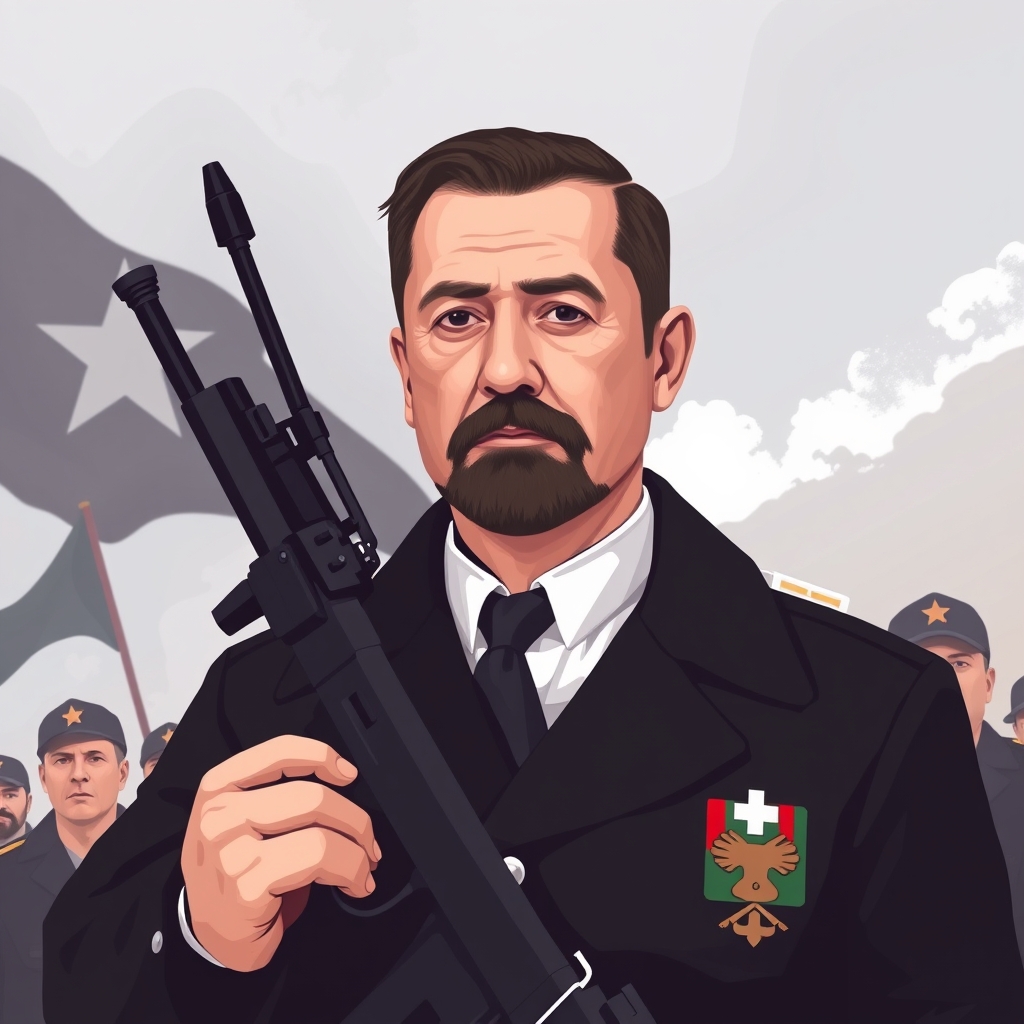
Niger's military junta, led by General Abdourahamane Tchiani, seized power in a coup in July 2023, overthrowing the democratically elected President Mohamed Bazoum.
The junta has since severed military agreements with France, the former colonial ruler, and has faced pressure from regional bloc ECOWAS, which threatened military intervention.
Mutinous soldiers are those within the military who have attempted to challenge or overthrow the junta, as seen in a recent mutiny attempt in Niamey.
The conflict between the junta and mutinous soldiers arises from internal divisions within the military, with some soldiers seeking to oust the junta that itself came to power through a coup.
The junta, which has consolidated control and resisted regional demands to reinstate Bazoum, views such mutinies as threats to its authority.
The mutinous soldiers, in turn, represent a faction that opposes the junta's rule, potentially seeking to restore civilian governance or pursue different political directions.
The stakes are high, as Niger faces regional sanctions and international isolation following the coup, while the junta has gained the upper hand over ECOWAS's threats.
The internal instability from mutiny attempts further complicates the country's political and security situation, with potential implications for regional stability and international relations.
*AI-generated summary of publicly available data. This is not an official statement of any party.
*AI-generated summary of publicly available statements and reporting. This is not an official statement of this party.
Supporters of Niger's military junta view the mutiny attempt as a foreign-influenced assault on the nation's sovereign cultural unity, arguing that Tchiani's leadership alone embodies the authentic will of Nigerien identity against internal division.
Supporters of Niger's military junta argue that the mutiny attempt by soldiers threatens the nation's cultural sovereignty and self-determination, viewing Tchiani's leadership as the guardian of Nigerien identity against foreign influence.
Supporters of Niger’s military junta counter that Tchiani’s rule honors Sahelian cultural sovereignty, rejecting foreign-imposed constitutional models as a rupture from indigenous consultative governance, not a break from tradition.
Supporters of Niger's military junta argue that the mutiny attempt constitutes a clear violation of the legal order established by the 2023 coup, which they view as the legitimate foundation of governance under Abdourahamane Tchiani.
Supporters of Niger's military junta argue that the mutiny attempt, under domestic law, constitutes a clear act of insurrection against the state's legitimate governing authority, as established by the 2023 constitutional order.
Supporters of Niger’s military junta counter that the 2023 coup’s legal order derives from the suspension of the constitution, rendering any prior chain of command void; mutinous soldiers thus breach the junta’s own decree, which is the sole valid legal authority in Niger.
Supporters of Niger military junta argue the mutiny proves Tchiani’s grip is tightening, not weakening, as loyal units exposed and crushed the plot, deterring rivals.
Supporters of Niger military junta argue the mutiny was a predictable power play by rival factions, proving Tchiani’s grip relies on neutralizing internal threats, not popular consent.
Supporters of Niger’s junta counter that the mutiny actually proved Tchiani’s grip, not fragility—failed coups purge disloyal elements and consolidate command, while rivals now see the cost of miscalculation.
Supporters of Niger's military junta argue that Tchiani's rule, born from a 2023 coup, is a moral stand against foreign interference, and they see this mutiny as a betrayal of that patriotic duty, not a legitimate grievance.
Supporters of Niger's junta argue that Tchiani's rule, born of a 2023 coup against a failing democracy, offers a moral mandate to restore order, and they view the mutiny as a betrayal of that national redemption, not a legitimate grievance.
Supporters of Niger military junta counter that mutinous soldiers betray their oath to the state, not conscience, and that loyalty to the nation means upholding constitutional order, not fracturing it under foreign pressure.
Supporters of Niger's military junta argue that Tchiani's rule preserves national order under divine providence, framing the mutiny as a test of faith that reinforces their mandate to safeguard stability and inherited authority.
Supporters of the Niger military junta argue that Tchiani’s rule upholds divine order against chaos, viewing the mutiny as a test of faith that strengthens legitimate authority.
Supporters of the Niger military junta counter that the mutiny itself defied divine order, as the junta’s rise restored stability under God’s providence, and they argue the soldiers’ oath-breaking invites divine retribution, not validation.
*AI-generated summary of publicly available statements and reporting. This is not an official statement of this party.
Supporters of Mutinous soldiers argue that the mutiny defends Niger's cultural fabric against a junta that abandoned constitutional order, viewing Tchiani's rule as a rupture from inherited governance traditions.
Supporters of Mutinous soldiers argue that the uprising reflects a breakdown of unit cohesion and respect for the chain of command, which Niger's cultural tradition of disciplined military service has long upheld.
Supporters of Mutinous soldiers counter that Niger’s cultural unity is not a monolith, but a living mosaic of regional voices, and that Tchiani’s junta silences this heritage under a false cloak of sovereignty.
Supporters of mutinous soldiers argue that loyalty to the 2023 coup's legal order is itself a violation of military discipline, since the junta holds power without constitutional mandate, and the mutiny challenges an illegitimate chain of command.
Supporters of Mutinous soldiers argue that the junta's own seizure of power in 2023 established no lawful authority, leaving soldiers free to challenge an illegitimate regime under national legal principles.
Supporters of the mutinous soldiers counter that the 2023 coup itself lacked legal foundation, as it overthrew a democratically elected government, making its subsequent decrees void under constitutional principles.
Supporters of Mutinous soldiers argue the attempt exposes Tchiani’s junta as fragile, proving that power seized by force invites rival force, and that loyalty is a commodity bought by results, not oaths.
Supporters of Mutinous soldiers argue the gunfire exposes Tchiani's junta as fragile, proving power flows to whoever holds the rifles, not legal titles; every coup's legitimacy is only as durable as the next barracks uprising.
Supporters of mutinous soldiers counter that a crushed plot reveals the opposite: Tchiani’s regime now fears its own ranks, spending loyal troops to police the army rather than secure borders, a sign of eroding control, not strength.
Supporters of Mutinous soldiers argue that conscience and loyalty to the nation, not a junta, justify their revolt, viewing it as a moral duty to resist arbitrary rule.
Supporters of Mutinous soldiers argue that loyalty to a junta that seized power by force is itself a moral violation, making the mutiny a rightful act of conscience against illegitimate rule.
Supporters of Mutinous soldiers counter that loyalty to a foreign-backed coup leader is not patriotism, and that refusing an unconstitutional seizure of power is the higher moral duty, not betrayal.
Supporters of Mutinous soldiers argue their uprising reflects divine judgment against a junta that broke its oath to God and nation, citing the coup as a violation of sacred order.
Supporters of Mutinous soldiers argue that earthly juntas, however powerful, hold no divine mandate, and that scripture warns against rulers who forget that all authority is accountable to God.
Supporters of mutinous soldiers counter that divine providence favors the oppressed over the oppressor, citing scripture where God elevates the humble against corrupt rulers, and they challenge the junta’s claim that order under Tchiani reflects sacred will, arguing instead that.
AI-generated summary of publicly available statements and reporting. This is not an official statement of this party.
Supporters of Niger's military junta view the mutiny attempt as a foreign-influenced assault on the nation's sovereign cultural unity, arguing that Tchiani's leadership alone embodies the authentic will of Nigerien identity against internal division.
Supporters of Niger's military junta argue that the mutiny attempt by soldiers threatens the nation's cultural sovereignty and self-determination, viewing Tchiani's leadership as the guardian of Nigerien identity against foreign influence.
Supporters of Niger’s military junta counter that Tchiani’s rule honors Sahelian cultural sovereignty, rejecting foreign-imposed constitutional models as a rupture from indigenous consultative governance, not a break from tradition.
Supporters of Niger's military junta argue that the mutiny attempt constitutes a clear violation of the legal order established by the 2023 coup, which they view as the legitimate foundation of governance under Abdourahamane Tchiani.
Supporters of Niger's military junta argue that the mutiny attempt, under domestic law, constitutes a clear act of insurrection against the state's legitimate governing authority, as established by the 2023 constitutional order.
Supporters of Niger’s military junta counter that the 2023 coup’s legal order derives from the suspension of the constitution, rendering any prior chain of command void; mutinous soldiers thus breach the junta’s own decree, which is the sole valid legal authority in Niger.
Supporters of Niger military junta argue the mutiny proves Tchiani’s grip is tightening, not weakening, as loyal units exposed and crushed the plot, deterring rivals.
Supporters of Niger military junta argue the mutiny was a predictable power play by rival factions, proving Tchiani’s grip relies on neutralizing internal threats, not popular consent.
Supporters of Niger’s junta counter that the mutiny actually proved Tchiani’s grip, not fragility—failed coups purge disloyal elements and consolidate command, while rivals now see the cost of miscalculation.
Supporters of Niger's military junta argue that Tchiani's rule, born from a 2023 coup, is a moral stand against foreign interference, and they see this mutiny as a betrayal of that patriotic duty, not a legitimate grievance.
Supporters of Niger's junta argue that Tchiani's rule, born of a 2023 coup against a failing democracy, offers a moral mandate to restore order, and they view the mutiny as a betrayal of that national redemption, not a legitimate grievance.
Supporters of Niger military junta counter that mutinous soldiers betray their oath to the state, not conscience, and that loyalty to the nation means upholding constitutional order, not fracturing it under foreign pressure.
Supporters of Niger's military junta argue that Tchiani's rule preserves national order under divine providence, framing the mutiny as a test of faith that reinforces their mandate to safeguard stability and inherited authority.
Supporters of the Niger military junta argue that Tchiani’s rule upholds divine order against chaos, viewing the mutiny as a test of faith that strengthens legitimate authority.
Supporters of the Niger military junta counter that the mutiny itself defied divine order, as the junta’s rise restored stability under God’s providence, and they argue the soldiers’ oath-breaking invites divine retribution, not validation.
Supporters of Mutinous soldiers argue that the mutiny defends Niger's cultural fabric against a junta that abandoned constitutional order, viewing Tchiani's rule as a rupture from inherited governance traditions.
Supporters of Mutinous soldiers argue that the uprising reflects a breakdown of unit cohesion and respect for the chain of command, which Niger's cultural tradition of disciplined military service has long upheld.
Supporters of Mutinous soldiers counter that Niger’s cultural unity is not a monolith, but a living mosaic of regional voices, and that Tchiani’s junta silences this heritage under a false cloak of sovereignty.
Supporters of mutinous soldiers argue that loyalty to the 2023 coup's legal order is itself a violation of military discipline, since the junta holds power without constitutional mandate, and the mutiny challenges an illegitimate chain of command.
Supporters of Mutinous soldiers argue that the junta's own seizure of power in 2023 established no lawful authority, leaving soldiers free to challenge an illegitimate regime under national legal principles.
Supporters of the mutinous soldiers counter that the 2023 coup itself lacked legal foundation, as it overthrew a democratically elected government, making its subsequent decrees void under constitutional principles.
Supporters of Mutinous soldiers argue the attempt exposes Tchiani’s junta as fragile, proving that power seized by force invites rival force, and that loyalty is a commodity bought by results, not oaths.
Supporters of Mutinous soldiers argue the gunfire exposes Tchiani's junta as fragile, proving power flows to whoever holds the rifles, not legal titles; every coup's legitimacy is only as durable as the next barracks uprising.
Supporters of mutinous soldiers counter that a crushed plot reveals the opposite: Tchiani’s regime now fears its own ranks, spending loyal troops to police the army rather than secure borders, a sign of eroding control, not strength.
Supporters of Mutinous soldiers argue that conscience and loyalty to the nation, not a junta, justify their revolt, viewing it as a moral duty to resist arbitrary rule.
Supporters of Mutinous soldiers argue that loyalty to a junta that seized power by force is itself a moral violation, making the mutiny a rightful act of conscience against illegitimate rule.
Supporters of Mutinous soldiers counter that loyalty to a foreign-backed coup leader is not patriotism, and that refusing an unconstitutional seizure of power is the higher moral duty, not betrayal.
Supporters of Mutinous soldiers argue their uprising reflects divine judgment against a junta that broke its oath to God and nation, citing the coup as a violation of sacred order.
Supporters of Mutinous soldiers argue that earthly juntas, however powerful, hold no divine mandate, and that scripture warns against rulers who forget that all authority is accountable to God.
Supporters of mutinous soldiers counter that divine providence favors the oppressed over the oppressor, citing scripture where God elevates the humble against corrupt rulers, and they challenge the junta’s claim that order under Tchiani reflects sacred will, arguing instead that.
New chief of staff appointed and army command reshuffled weeks after the deadly mutiny.
A revolt against the government was put down, and the arsenal seized was displayed.
Mutiny began at a military base in Niamey and spread to areas near the presidential palace and state broadcaster.
Social media posts reported shooting near "Base 101" and within the capital's administrative district, home to the presidential palace and national television headquarters. Videos circulating online showed armed and armored vehicles moving through parts of the city, although the footage and its timing should be independently verified.
Gunfire heard in the capital, military says it is regaining control.
An attempted uprising in Niger's capital was suppressed, exposing tensions within the military and the role of Russia's Africa Corps.
A coup attempt against Niger's junta failed, revealing internal military divisions.
Soldiers attempted to attack a key military base early Saturday morning but were thwarted.
Gunfire and explosions heard across Niamey overnight, reported as a mutiny attempt by soldiers.
Talks between ECOWAS and Niger's junta yielded little progress, with the junta under pressure from regional sanctions while refusing to reinstate President Bazoum.
Analysts reported that Niger's coup leaders appeared to have gained the upper hand over the regional bloc ECOWAS, which had threatened military force.
Niger's military junta announced it was severing military agreements with France, its former colonial ruler, and fired some officials from the previous government.
Two days after the coup, uncertainty remained about who was in charge in Niger, with no clear resolution.
Mutinous soldiers claimed to have overthrown Niger's democratically elected president, Mohamed Bazoum, and announced the end of the government.