Nigeria

VS
South Africa
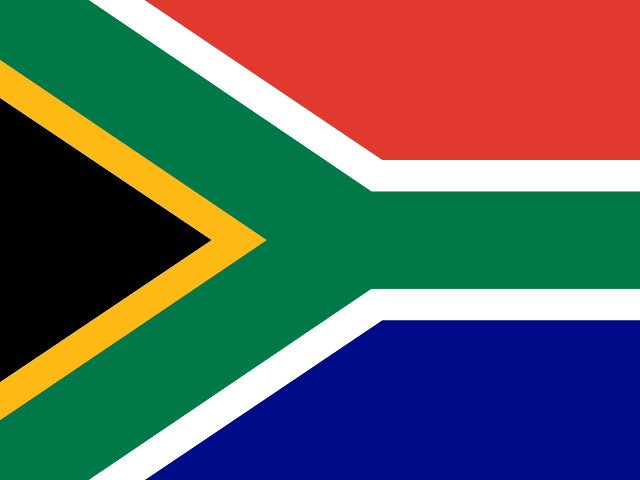
Nigeria and South Africa are the national football teams of two of Africa's most prominent countries, and they are two of only three nations to have ever won the Women's Africa Cup of Nations since the tournament began.
Their rivalry is one of the most established in African football, and the two sides have met repeatedly in major competitions, including the 2026 Women's Africa Cup of Nations.
The two teams have conflicting sporting interests because they compete directly for the same continental titles and qualification places.
At the 2026 Women's Africa Cup of Nations, South Africa defeated Nigeria 2-1 on August 13, 2026, a result that shaped the tournament's playoff picture and had implications for qualification for the 2027 World Cup.
Because both nations are perennial contenders, matches between them carry consequences for trophies and World Cup berths, which is the source of the competitive tension between them.
*AI-generated summary of publicly available data. This is not an official statement of any party.
*AI-generated summary of publicly available statements and reporting. This is not an official statement of this party.
Supporters of Nigeria argue that suspending official visits upholds the cultural duty of protecting citizens abroad, insisting that longstanding ties of kinship and dignity must take precedence over diplomatic convenience.
Supporters of Nigeria argue that suspending official visits upholds the cultural duty of protecting citizens abroad, insisting that longstanding ties between African peoples carry obligations of hospitality and kinship.
Supporters of Nigeria counter that cultural ties across the region predate modern borders, so framing migration as a threat to identity ignores the shared heritage and kinship that bind communities on both sides.
Supporters of Nigeria argue the suspension of official visits is a lawful exercise of sovereign authority under diplomatic norms, holding that South Africa failed its legal duty to protect foreign nationals from xenophobic violence.
Supporters of Nigeria argue that suspending official visits is a lawful sovereign response, since South Africa has a legal duty to protect foreign nationals under its own constitution and international law.
Supporters of Nigeria counter that halting visits is not a lawful sovereign remedy, since South Africa bears the primary legal duty under its own constitution and international law to protect migrants within its borders.
Supporters of Nigeria argue the visit suspension is leverage, not outrage: by halting official engagement, Nigeria signals that South Africa's stability costs it diplomatic access, pressuring Pretoria to curb the violence.
Supporters of Nigeria argue the visit suspension is leverage: with tens of thousands of migrants already displaced, they maintain Pretoria only moves when pressure costs it something.
Supporters of Nigeria counter that Pretoria’s domestic pressure is precisely why suspending visits works: it imposes costs on a rival that needs Nigerian markets and migrants, turning internal weakness into leverage rather than an excuse.
Supporters of Nigeria argue that suspending official visits is a moral duty when anti-foreigner violence has displaced tens of thousands, insisting that protecting human dignity must outweigh diplomatic convenience.
Supporters of Nigeria argue that suspending official visits is a moral duty, since allowing diplomacy to proceed normally while migrants face violence would signal that stewardship of human dignity abroad is negotiable.
Supporters of Nigeria counter that a nation's moral duty extends beyond its borders, arguing that regional stewardship and shared humanity obligate South Africa to protect migrants' welfare, not just its own citizens.
Supporters of Nigeria argue that scripture commands justice and protection for the foreigner, so suspending visits upholds a moral duty to defend migrants facing violence in South Africa.
Supporters of Nigeria argue that scripture commands hospitality to the stranger, so suspending visits protests violence against migrants as a moral duty before God.
Supporters of Nigeria counter that scripture commands hospitality to the stranger, citing Deuteronomy 10:19, so a nation's religious heritage obliges welcome, not exclusion, of migrants.
*AI-generated summary of publicly available statements and reporting. This is not an official statement of this party.
Supporters of South Africa argue that border security and the protection of national identity are sovereign cultural rights, maintaining that migration policy should reflect the will of citizens.
Supporters of South Africa argue that border control and cultural preservation are sovereign rights, maintaining that the government must put its own citizens' needs first.
Supporters of South Africa counter that cultural kinship does not override a state's duty to protect its own citizens first, and that no shared heritage obliges a nation to absorb another's disputes.
Supporters of South Africa argue that halting official visits is a lawful sovereign response to protect Nigerian nationals, and that South Africa must be held to its legal duty to ensure migrants' safety and dignity.
Supporters of South Africa argue the suspensions are a sovereign matter, maintaining that Nigeria's travel ban lacks a legal basis and that migration policy falls within South Africa's domestic jurisdiction.
Supporters of South Africa counter that no binding treaty obligated it to guarantee outcomes against private violence, only due diligence, which its courts and police were actively exercising.
Supporters of South Africa argue the protests reflect domestic pressure over jobs and resources, so Pretoria must prioritize internal stability; suspending visits is leverage Nigeria wields, not a solution.
Supporters of South Africa argue the government treats migration as leverage, not charity: sovereignty means controlling borders and labor markets, and Nigeria's visit suspension is pressure, not principle.
Supporters of South Africa counter that Pretoria reads Nigeria's suspension as a cost it can absorb, since diplomatic access flows both ways and Nigeria's own regional leverage depends on engagement; halting talks cedes influence without moving Pretoria's incentives.
Supporters of South Africa argue that a sovereign nation has the moral right to control its borders and prioritize its own citizens' welfare, and that outside pressure over immigration policy infringes on that autonomy.
Supporters of South Africa argue that a nation has the moral right to control its borders and prioritize its own citizens' welfare, and that migration policy should reflect the consent of the governed, not external diplomatic pressure.
Supporters of South Africa counter that moral duty runs both ways, since their nation also protects millions of migrants and hosts Nigeria's own citizens; they argue dignity is honored through engagement, not isolation.
Supporters of South Africa argue that preserving a nation's cultural and religious heritage is a sovereign duty, and that border control reflects a community's right to protect its own traditions.
Supporters of South Africa argue that the state must first protect its own citizens and social order, and that religious institutions in South Africa have historically upheld charity toward strangers while still defending the nation's stability.
Supporters of South Africa counter that scripture also charges the ordained authority with keeping public order, and that a sovereign state may justly regulate entry to protect its own people.
AI-generated summary of publicly available statements and reporting. This is not an official statement of this party.
Supporters of Nigeria argue that suspending official visits upholds the cultural duty of protecting citizens abroad, insisting that longstanding ties of kinship and dignity must take precedence over diplomatic convenience.
Supporters of Nigeria argue that suspending official visits upholds the cultural duty of protecting citizens abroad, insisting that longstanding ties between African peoples carry obligations of hospitality and kinship.
Supporters of Nigeria counter that cultural ties across the region predate modern borders, so framing migration as a threat to identity ignores the shared heritage and kinship that bind communities on both sides.
Supporters of Nigeria argue the suspension of official visits is a lawful exercise of sovereign authority under diplomatic norms, holding that South Africa failed its legal duty to protect foreign nationals from xenophobic violence.
Supporters of Nigeria argue that suspending official visits is a lawful sovereign response, since South Africa has a legal duty to protect foreign nationals under its own constitution and international law.
Supporters of Nigeria counter that halting visits is not a lawful sovereign remedy, since South Africa bears the primary legal duty under its own constitution and international law to protect migrants within its borders.
Supporters of Nigeria argue the visit suspension is leverage, not outrage: by halting official engagement, Nigeria signals that South Africa's stability costs it diplomatic access, pressuring Pretoria to curb the violence.
Supporters of Nigeria argue the visit suspension is leverage: with tens of thousands of migrants already displaced, they maintain Pretoria only moves when pressure costs it something.
Supporters of Nigeria counter that Pretoria’s domestic pressure is precisely why suspending visits works: it imposes costs on a rival that needs Nigerian markets and migrants, turning internal weakness into leverage rather than an excuse.
Supporters of Nigeria argue that suspending official visits is a moral duty when anti-foreigner violence has displaced tens of thousands, insisting that protecting human dignity must outweigh diplomatic convenience.
Supporters of Nigeria argue that suspending official visits is a moral duty, since allowing diplomacy to proceed normally while migrants face violence would signal that stewardship of human dignity abroad is negotiable.
Supporters of Nigeria counter that a nation's moral duty extends beyond its borders, arguing that regional stewardship and shared humanity obligate South Africa to protect migrants' welfare, not just its own citizens.
Supporters of Nigeria argue that scripture commands justice and protection for the foreigner, so suspending visits upholds a moral duty to defend migrants facing violence in South Africa.
Supporters of Nigeria argue that scripture commands hospitality to the stranger, so suspending visits protests violence against migrants as a moral duty before God.
Supporters of Nigeria counter that scripture commands hospitality to the stranger, citing Deuteronomy 10:19, so a nation's religious heritage obliges welcome, not exclusion, of migrants.
Supporters of South Africa argue that border security and the protection of national identity are sovereign cultural rights, maintaining that migration policy should reflect the will of citizens.
Supporters of South Africa argue that border control and cultural preservation are sovereign rights, maintaining that the government must put its own citizens' needs first.
Supporters of South Africa counter that cultural kinship does not override a state's duty to protect its own citizens first, and that no shared heritage obliges a nation to absorb another's disputes.
Supporters of South Africa argue that halting official visits is a lawful sovereign response to protect Nigerian nationals, and that South Africa must be held to its legal duty to ensure migrants' safety and dignity.
Supporters of South Africa argue the suspensions are a sovereign matter, maintaining that Nigeria's travel ban lacks a legal basis and that migration policy falls within South Africa's domestic jurisdiction.
Supporters of South Africa counter that no binding treaty obligated it to guarantee outcomes against private violence, only due diligence, which its courts and police were actively exercising.
Supporters of South Africa argue the protests reflect domestic pressure over jobs and resources, so Pretoria must prioritize internal stability; suspending visits is leverage Nigeria wields, not a solution.
Supporters of South Africa argue the government treats migration as leverage, not charity: sovereignty means controlling borders and labor markets, and Nigeria's visit suspension is pressure, not principle.
Supporters of South Africa counter that Pretoria reads Nigeria's suspension as a cost it can absorb, since diplomatic access flows both ways and Nigeria's own regional leverage depends on engagement; halting talks cedes influence without moving Pretoria's incentives.
Supporters of South Africa argue that a sovereign nation has the moral right to control its borders and prioritize its own citizens' welfare, and that outside pressure over immigration policy infringes on that autonomy.
Supporters of South Africa argue that a nation has the moral right to control its borders and prioritize its own citizens' welfare, and that migration policy should reflect the consent of the governed, not external diplomatic pressure.
Supporters of South Africa counter that moral duty runs both ways, since their nation also protects millions of migrants and hosts Nigeria's own citizens; they argue dignity is honored through engagement, not isolation.
Supporters of South Africa argue that preserving a nation's cultural and religious heritage is a sovereign duty, and that border control reflects a community's right to protect its own traditions.
Supporters of South Africa argue that the state must first protect its own citizens and social order, and that religious institutions in South Africa have historically upheld charity toward strangers while still defending the nation's stability.
Supporters of South Africa counter that scripture also charges the ordained authority with keeping public order, and that a sovereign state may justly regulate entry to protect its own people.
Nigeria suspends official visits to South Africa over anti-migrant violence.
Months of anti-foreigner protests across South Africa have forced tens of thousands to leave the country.
South Africa defeated Nigeria 2-1 in the Women's Africa Cup of Nations on August 13, 2026, a result that affected the tournament's playoff and World Cup qualification picture.
CAF described South Africa and Nigeria as two of only three nations to have ever won the Women's Africa Cup of Nations since the tournament's inception, framing their meeting as a decider.