Nigerian officials

VS
Protesters
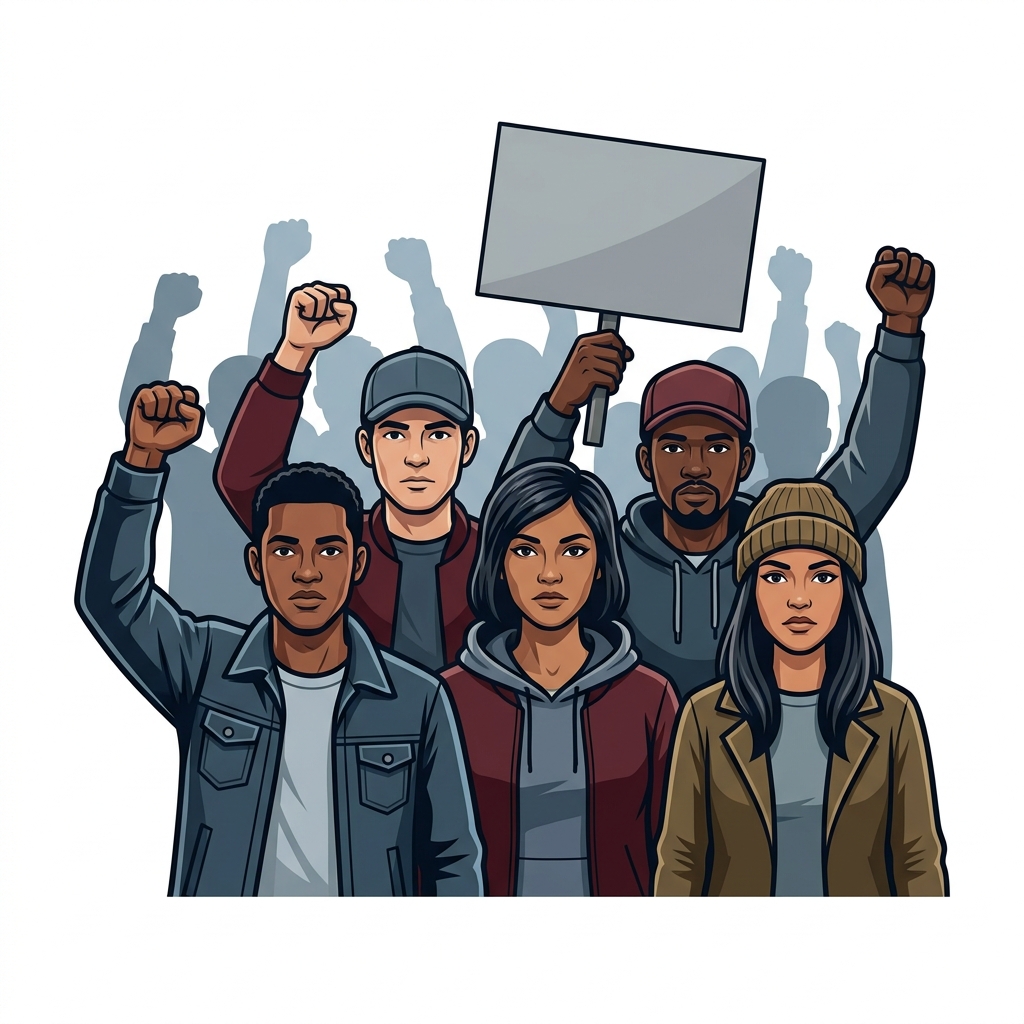
Nigerian officials are the government authorities responsible for law enforcement, detention, and public order in Nigeria, including the police and prison services that operate custody facilities across the country.
Protesters are Nigerian citizens and activists who have organized mass demonstrations, most notably the 2020 #EndSARS movement against police brutality, and who mobilize publicly when they believe state institutions have failed to protect or account for the lives of detainees.
The two sides came into conflict after dozens of suspects accused of illegal mining were found dead in custody in north-central Niger State.
Officials attributed the deaths to disease, while reports pointed to overcrowding and poor ventilation in the detention facility, prompting protests.
The dispute centers on who is responsible for the deaths and whether the official explanation is credible, with protesters demanding accountability and officials defending their handling of the detainees.
The episode echoes a broader pattern of tension between Nigerian authorities and protesters over custodial violence and impunity.
In 2021, a judicial panel found that army and police officers shot, injured, and killed unarmed protesters at the Lekki Toll Gate in Lagos, and in 2024 Amnesty International called on Nigerian authorities to release those arrested during protests, underscoring the recurring friction between state security forces and demonstrators.
*AI-generated summary of publicly available data. This is not an official statement of any party.
*AI-generated summary of publicly available statements and reporting. This is not an official statement of this party.
Supporters of Nigerian officials argue the custody deaths stemmed from disease, not neglect, and that enforcing mining laws protects the nation's resources and sovereignty.
Supporters of Nigerian officials argue that the state's duty to protect its mineral wealth and borders from illegal mining must be upheld, and that outsiders' cultural judgments about custody conditions ignore Nigeria's sovereign burden.
Supporters of Nigerian officials counter that the cell’s colonial-era stigma is a colonial relic, not proof of present intent; they argue the state’s duty is to uphold order and national sovereignty, not to answer for history.
Supporters of Nigerian officials argue the custody deaths fall under lawful state jurisdiction, citing disease as cause and rejecting external interference in Nigeria's sovereign legal process.
Supporters of Nigerian officials argue the custody deaths fall under lawful state jurisdiction, and that officials cite disease as the cause pending formal inquiry, rejecting claims of unlawful detention.
Supporters of Nigerian officials counter that detainees were held under a valid court remand order and that prisons lack isolation wards, so the custody met statutory requirements until medical transfer.
Supporters of Nigerian officials argue that attributing the deaths to disease protects state authority, since admitting overcrowding would hand protesters a grievance and invite scrutiny of custody conditions.
Supporters of Nigerian officials argue that disease, not neglect, caused the deaths, and that conceding overcrowding would invite blame and unrest—so they frame the narrative to preserve authority.
Supporters of Nigerian officials counter that denial is itself a governing tool: conceding overcrowding invites liability, so officials reframe deaths as disease to shift blame and preserve leverage.
Supporters of Nigerian officials argue the deaths stemmed from disease, not neglect, and that authorities deserve a fair, evidence-based inquiry before blame is assigned.
Supporters of Nigerian officials argue the custody deaths demand a transparent, independent inquiry, since moral accountability for every life lost in state care is owed to all citizens, not just protesters.
Supporters of Nigerian officials counter that moral duty also binds protesters, whose unlawful assemblies endanger public safety, and that officials answer to the whole nation, not one grieving faction.
Supporters of Nigerian officials argue that moral order and respect for lawful authority must guide the response, and they call for prayer and calm rather than unrest while investigations into the deaths proceed.
Supporters of Nigerian officials argue that religious tradition calls for patience and trust in lawful authority during investigations, and they maintain that preserving public order is itself a moral duty owed to God and community.
Supporters of Nigerian officials counter that scripture also commands obedience to lawful authority, and that preserving public order is itself a moral duty owed to the living.
*AI-generated summary of publicly available statements and reporting. This is not an official statement of this party.
Supporters of the protesters argue that Nigeria’s cultural memory of custodial deaths under colonial and military rule makes official disease claims ring hollow; they see the cell itself as the inherited weapon.
Supporters of Protesters argue the deaths reflect a long cultural memory of state custody as unsafe in Nigeria, citing past prison overcrowding deaths as precedent for doubting official disease claims.
Supporters of Protesters counter that mining laws long served foreign extraction, not sovereignty, and that dismissing deaths as disease echoes colonial-era disregard for Nigerian lives.
Supporters of Protesters argue that holding dozens in overcrowded, poorly ventilated cells violates detainees' legal right to humane custody, so officials' disease explanation cannot excuse the state's duty of care.
Supporters of Protesters argue that deaths in custody demand independent legal accountability, not official assurances; they point to overcrowding as evidence that detained suspects’ due-process and safety rights were violated.
Supporters of Protesters counter that custody deaths demand independent inquiry regardless of stated cause, since lawful jurisdiction cannot shield a state from accountability under international human rights law.
Supporters of Protesters argue that officials' "disease" claim is a cover for negligence; they contend that custody deaths stem from overcrowding and poor ventilation, making the state's denial a bid to dodge accountability, not a medical fact.
Supporters of Protesters argue that Nigeria's disease explanation is a convenient shield for a system that profits from illegal mining, so officials deflect blame to protect revenue ties rather than admit lethal negligence.
Supporters of the protesters counter that blaming disease is itself a concession: it concedes people died in custody, and the state's interest lies not in protecting authority but in preventing the next crowd from believing detention is survivable.
Supporters of Protesters argue that officials' duty of care is moral, not discretionary: 37 deaths in custody from overcrowding and poor ventilation violate the detainees' rights, and accountability must follow.
Supporters of the protesters argue that holding suspects in overcrowded, poorly ventilated cells violates their basic human dignity, and that the state bears a moral duty to protect the lives of those it detains.
Supporters of Protesters counter that demanding evidence before blame is itself a moral failure: the dead were in state custody, so the duty to prove adequate care rests with officials, not with grieving families.
Supporters of the protesters invoke the sanctity of human life and scriptural calls for justice, arguing that those who died in custody bear God-given dignity that authorities failed to protect.
Supporters of the protesters invoke the sanctity of human life and the Quranic command to uphold justice, arguing that 37 deaths in custody demand accountability, not a mere disease explanation.
Supporters of the Protesters counter that scripture demands justice for the innocent, citing Proverbs 31:8-9, and that prayer without action rings hollow when lives were lost.
AI-generated summary of publicly available statements and reporting. This is not an official statement of this party.
Supporters of Nigerian officials argue the custody deaths stemmed from disease, not neglect, and that enforcing mining laws protects the nation's resources and sovereignty.
Supporters of Nigerian officials argue that the state's duty to protect its mineral wealth and borders from illegal mining must be upheld, and that outsiders' cultural judgments about custody conditions ignore Nigeria's sovereign burden.
Supporters of Nigerian officials counter that the cell’s colonial-era stigma is a colonial relic, not proof of present intent; they argue the state’s duty is to uphold order and national sovereignty, not to answer for history.
Supporters of Nigerian officials argue the custody deaths fall under lawful state jurisdiction, citing disease as cause and rejecting external interference in Nigeria's sovereign legal process.
Supporters of Nigerian officials argue the custody deaths fall under lawful state jurisdiction, and that officials cite disease as the cause pending formal inquiry, rejecting claims of unlawful detention.
Supporters of Nigerian officials counter that detainees were held under a valid court remand order and that prisons lack isolation wards, so the custody met statutory requirements until medical transfer.
Supporters of Nigerian officials argue that attributing the deaths to disease protects state authority, since admitting overcrowding would hand protesters a grievance and invite scrutiny of custody conditions.
Supporters of Nigerian officials argue that disease, not neglect, caused the deaths, and that conceding overcrowding would invite blame and unrest—so they frame the narrative to preserve authority.
Supporters of Nigerian officials counter that denial is itself a governing tool: conceding overcrowding invites liability, so officials reframe deaths as disease to shift blame and preserve leverage.
Supporters of Nigerian officials argue the deaths stemmed from disease, not neglect, and that authorities deserve a fair, evidence-based inquiry before blame is assigned.
Supporters of Nigerian officials argue the custody deaths demand a transparent, independent inquiry, since moral accountability for every life lost in state care is owed to all citizens, not just protesters.
Supporters of Nigerian officials counter that moral duty also binds protesters, whose unlawful assemblies endanger public safety, and that officials answer to the whole nation, not one grieving faction.
Supporters of Nigerian officials argue that moral order and respect for lawful authority must guide the response, and they call for prayer and calm rather than unrest while investigations into the deaths proceed.
Supporters of Nigerian officials argue that religious tradition calls for patience and trust in lawful authority during investigations, and they maintain that preserving public order is itself a moral duty owed to God and community.
Supporters of Nigerian officials counter that scripture also commands obedience to lawful authority, and that preserving public order is itself a moral duty owed to the living.
Supporters of the protesters argue that Nigeria’s cultural memory of custodial deaths under colonial and military rule makes official disease claims ring hollow; they see the cell itself as the inherited weapon.
Supporters of Protesters argue the deaths reflect a long cultural memory of state custody as unsafe in Nigeria, citing past prison overcrowding deaths as precedent for doubting official disease claims.
Supporters of Protesters counter that mining laws long served foreign extraction, not sovereignty, and that dismissing deaths as disease echoes colonial-era disregard for Nigerian lives.
Supporters of Protesters argue that holding dozens in overcrowded, poorly ventilated cells violates detainees' legal right to humane custody, so officials' disease explanation cannot excuse the state's duty of care.
Supporters of Protesters argue that deaths in custody demand independent legal accountability, not official assurances; they point to overcrowding as evidence that detained suspects’ due-process and safety rights were violated.
Supporters of Protesters counter that custody deaths demand independent inquiry regardless of stated cause, since lawful jurisdiction cannot shield a state from accountability under international human rights law.
Supporters of Protesters argue that officials' "disease" claim is a cover for negligence; they contend that custody deaths stem from overcrowding and poor ventilation, making the state's denial a bid to dodge accountability, not a medical fact.
Supporters of Protesters argue that Nigeria's disease explanation is a convenient shield for a system that profits from illegal mining, so officials deflect blame to protect revenue ties rather than admit lethal negligence.
Supporters of the protesters counter that blaming disease is itself a concession: it concedes people died in custody, and the state's interest lies not in protecting authority but in preventing the next crowd from believing detention is survivable.
Supporters of Protesters argue that officials' duty of care is moral, not discretionary: 37 deaths in custody from overcrowding and poor ventilation violate the detainees' rights, and accountability must follow.
Supporters of the protesters argue that holding suspects in overcrowded, poorly ventilated cells violates their basic human dignity, and that the state bears a moral duty to protect the lives of those it detains.
Supporters of Protesters counter that demanding evidence before blame is itself a moral failure: the dead were in state custody, so the duty to prove adequate care rests with officials, not with grieving families.
Supporters of the protesters invoke the sanctity of human life and scriptural calls for justice, arguing that those who died in custody bear God-given dignity that authorities failed to protect.
Supporters of the protesters invoke the sanctity of human life and the Quranic command to uphold justice, arguing that 37 deaths in custody demand accountability, not a mere disease explanation.
Supporters of the Protesters counter that scripture demands justice for the innocent, citing Proverbs 31:8-9, and that prayer without action rings hollow when lives were lost.
Dozens of suspects accused of illegal mining were found dead in custody in Nigeria's north-central Niger State. Officials blame disease, while reports cite overcrowding and poor ventilation.
Amnesty International called on Nigerian authorities to immediately and unconditionally release all those arrested before and during protests the previous day.
A judicial panel found that army and police officers shot, injured, and killed unarmed protesters at the Lekki Toll Gate in Lagos, Nigeria.
A video circulated appearing to show the unprovoked killing of a man by black-clad SARS officers in Ughelli, Delta State, which became a catalyst for the #EndSARS protests.
A decentralised social movement and series of mass protests against police brutality in Nigeria mainly occurred in October 2020.