Nigerian protesters
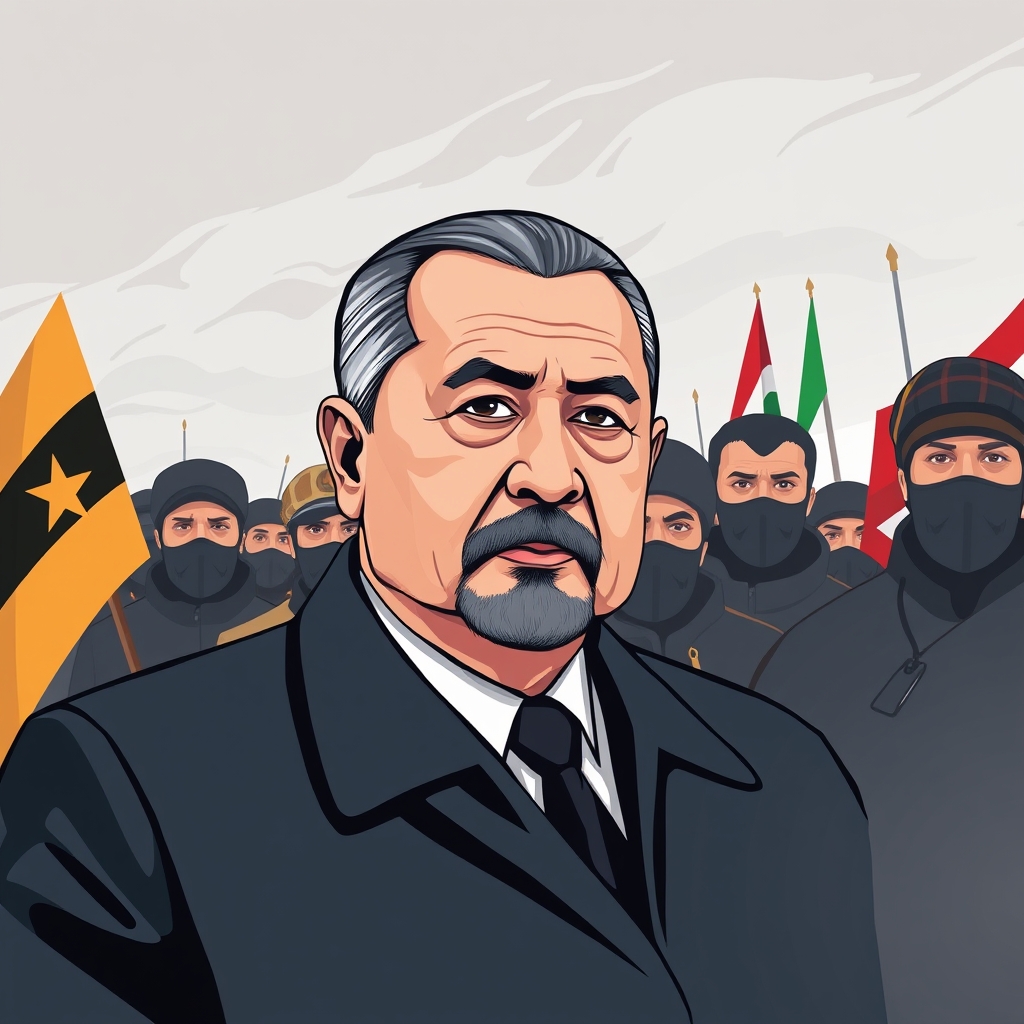
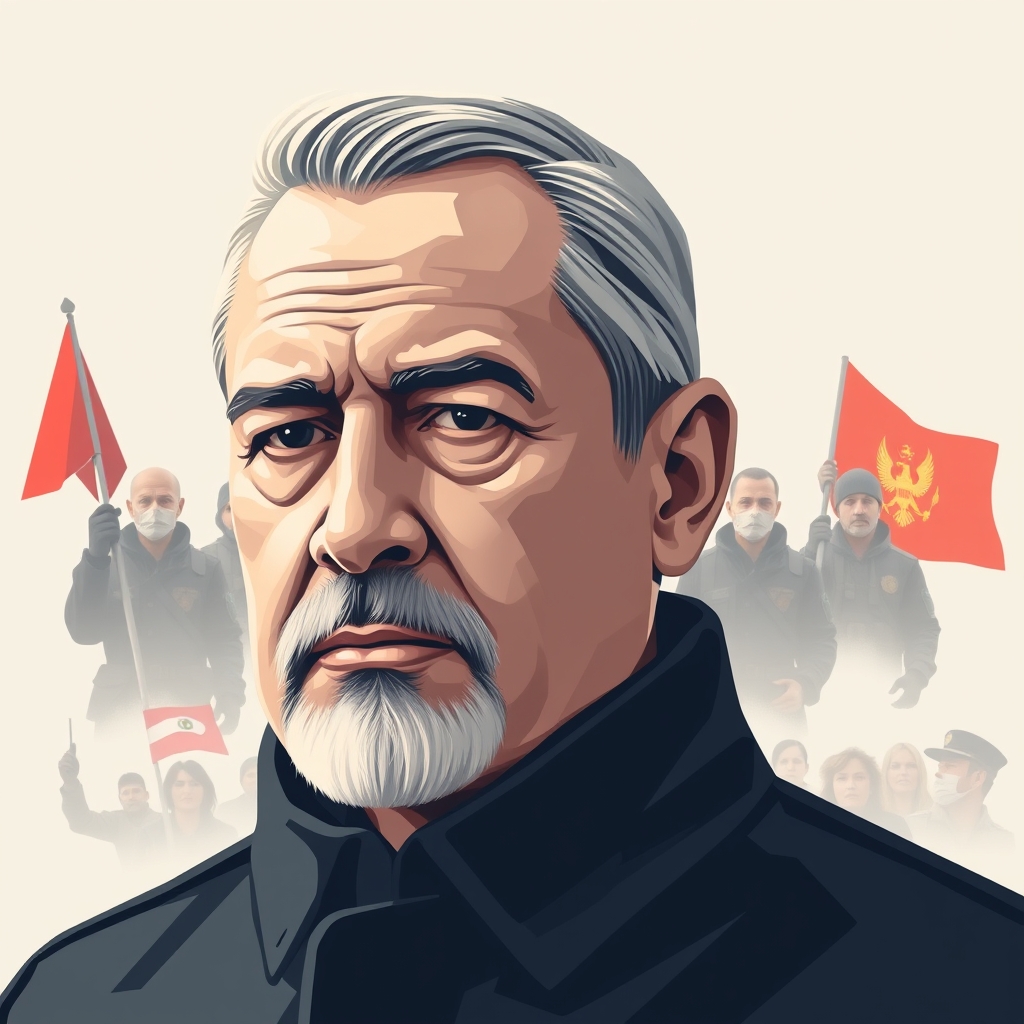
VS
Nigerian authorities

The arrest of men wearing anti-government T-shirts and the disruption of a political meeting have renewed debate over free expression and protest rights in Nigeria.
The article describes tensions between protesters and Nigerian authorities over political dissent.
*AI-generated summary of publicly available data. This is not an official statement of any party.
*AI-generated summary of publicly available statements and reporting. This is not an official statement of this party.
Supporters of Nigerian protesters argue that wearing anti-government T-shirts is a cultural act of civic voice, and they point to the arrests and disrupted meeting as evidence that dissent is being suppressed.
Supporters of Nigerian protesters invoke a cultural memory of dissent—from anticolonial rallies to the 2020 protests—arguing that street politics is a legitimate civic tradition, not a threat.
Supporters of Nigerian protesters counter that dissent is itself an inherited civic tradition, citing the Aba Women's War of 1929, when collective action against authority reshaped colonial policy.
Supporters of Nigerian protesters argue that arresting men solely for wearing anti-government T-shirts violates constitutional free-expression protections, and they cite the disrupted political meeting as evidence that peaceful dissent is being suppressed.
Supporters of Nigerian protesters argue that arresting men for wearing anti-government T-shirts violates constitutional free-expression protections, and they cite the disrupted political meeting as evidence that peaceful dissent is being suppressed.
Supporters of Nigerian protesters counter that public-order statutes cannot be invoked selectively to silence dissent, arguing that assembly and expression protections must be applied consistently rather than used as tools of political control.
Supporters of Nigerian protesters argue that jailing men over anti-government T-shirts reveals the state's real fear: symbols spread faster than arrests, so authorities criminalize expression to crush momentum before it organizes.
Supporters of Nigerian protesters argue that arrests over T-shirts and disrupted meetings reveal the authorities' real aim: silencing dissent before it gains momentum, since visible symbols threaten power more than words.
Supporters of Nigerian protesters counter that preemptive arrests are a tool for neutralizing rivals, not managing crowds—targeting organizers before mobilization reveals the state fears dissent's leverage, not disorder.
Supporters of Nigerian protesters argue that arresting people for wearing anti-government T-shirts is a moral wrong, since peaceful expression of dissent violates no one's rights and should never be criminalized.
Supporters of the Nigerian protesters argue that arresting men for wearing anti-government T-shirts is a moral wrong, since peaceful political expression deserves protection, not punishment.
Supporters of Nigerian protesters counter that arrests for peaceful assembly violate the protesters' moral autonomy and right to dissent, and that order imposed by coercion is not legitimate.
Supporters of Nigerian protesters invoke the religious duty to speak truth to power, arguing that the arrests of men in anti-government T-shirts and the disrupted meeting violate a moral obligation to defend the vulnerable.
Supporters of Nigerian protesters argue that religious teaching on the dignity of conscience backs their right to peaceful dissent, and they cite the arrests over T-shirts as evidence that lawful expression is being penalized.
Supporters of Nigerian protesters counter that scripture also commands rulers to govern justly, citing the prophets who confronted kings, and argue that obedience to authority is not absolute when the state itself violates divine justice.
*AI-generated summary of publicly available statements and reporting. This is not an official statement of this party.
Supporters of Nigerian authorities argue that upholding public order and respect for constituted authority are inherited civic duties, and that disruptive political gatherings threaten the cultural stability the nation depends on.
Supporters of Nigerian authorities argue that preserving public order and respect for civic institutions outweighs unrestrained dissent, maintaining that disruptive gatherings and provocative attire erode the cultural norms binding communities together.
Supporters of Nigerian authorities counter that public conduct carries civic duties, and they argue that disruptive assembly and provocative attire can override shared norms of order and respect for institutions.
Supporters of Nigerian authorities argue that arrests and meeting disruptions fall within lawful public-order policing, maintaining that expression is protected but not exempt from statutes regulating assemblies and public conduct.
Supporters of Nigerian authorities argue that arrests and meeting disruptions fall within existing public-order and permit laws, maintaining that expression rights are legally bounded and enforceable.
Supporters of Nigerian authorities counter that the shirts weren't treated as mere expression but as evidence of coordinated unlawful assembly, and they argue that policing public order falls within statutory powers rather than constitutional free-speech guarantees.
Supporters of Nigerian authorities argue that preemptive arrests and meeting disruptions are prudent crowd-control measures, maintaining that the state must contain dissent before it mobilizes into disorder.
Supporters of Nigerian authorities argue that arrests of T-shirt wearers and meeting disruptions are calibrated moves to deny opposition momentum before it organizes, since tolerating visible dissent invites challenges to state control.
Supporters of Nigerian authorities counter that policing symbols is a rational move to deny organizers unifying banners before scattered anger becomes coordinated action, arguing order is preserved by controlling the signal, not the speech.
Supporters of Nigerian authorities argue that maintaining public order and preventing disruption justify the arrests, contending that lawful limits on expression protect citizens and stability rather than silence dissent.
Supporters of Nigerian authorities argue that enforcing order against disruptive political gatherings is a moral duty to protect public safety, maintaining that lawful limits on dissent preserve stability for all citizens.
Supporters of Nigerian authorities counter that a state has a moral duty to preserve public order, and they argue that symbols judged capable of inflaming tensions may be restricted to protect the wider community from harm.
Supporters of Nigerian authorities argue that scripture commands obedience to governing rulers as divinely ordained, so public order and lawful authority carry moral weight over disruptive dissent.
Supporters of Nigerian authorities argue that scripture commands obedience to governing rulers as divinely ordained, so maintaining public order and lawful authority is itself a moral and religious duty.
Supporters of Nigerian authorities counter that scripture also commands respect for lawful order, citing Romans 13 on submission to governing authorities, and argue that public peace and due process, not disruption, honor the duty to defend the vulnerable.
AI-generated summary of publicly available statements and reporting. This is not an official statement of this party.
Supporters of Nigerian protesters argue that wearing anti-government T-shirts is a cultural act of civic voice, and they point to the arrests and disrupted meeting as evidence that dissent is being suppressed.
Supporters of Nigerian protesters invoke a cultural memory of dissent—from anticolonial rallies to the 2020 protests—arguing that street politics is a legitimate civic tradition, not a threat.
Supporters of Nigerian protesters counter that dissent is itself an inherited civic tradition, citing the Aba Women's War of 1929, when collective action against authority reshaped colonial policy.
Supporters of Nigerian protesters argue that arresting men solely for wearing anti-government T-shirts violates constitutional free-expression protections, and they cite the disrupted political meeting as evidence that peaceful dissent is being suppressed.
Supporters of Nigerian protesters argue that arresting men for wearing anti-government T-shirts violates constitutional free-expression protections, and they cite the disrupted political meeting as evidence that peaceful dissent is being suppressed.
Supporters of Nigerian protesters counter that public-order statutes cannot be invoked selectively to silence dissent, arguing that assembly and expression protections must be applied consistently rather than used as tools of political control.
Supporters of Nigerian protesters argue that jailing men over anti-government T-shirts reveals the state's real fear: symbols spread faster than arrests, so authorities criminalize expression to crush momentum before it organizes.
Supporters of Nigerian protesters argue that arrests over T-shirts and disrupted meetings reveal the authorities' real aim: silencing dissent before it gains momentum, since visible symbols threaten power more than words.
Supporters of Nigerian protesters counter that preemptive arrests are a tool for neutralizing rivals, not managing crowds—targeting organizers before mobilization reveals the state fears dissent's leverage, not disorder.
Supporters of Nigerian protesters argue that arresting people for wearing anti-government T-shirts is a moral wrong, since peaceful expression of dissent violates no one's rights and should never be criminalized.
Supporters of the Nigerian protesters argue that arresting men for wearing anti-government T-shirts is a moral wrong, since peaceful political expression deserves protection, not punishment.
Supporters of Nigerian protesters counter that arrests for peaceful assembly violate the protesters' moral autonomy and right to dissent, and that order imposed by coercion is not legitimate.
Supporters of Nigerian protesters invoke the religious duty to speak truth to power, arguing that the arrests of men in anti-government T-shirts and the disrupted meeting violate a moral obligation to defend the vulnerable.
Supporters of Nigerian protesters argue that religious teaching on the dignity of conscience backs their right to peaceful dissent, and they cite the arrests over T-shirts as evidence that lawful expression is being penalized.
Supporters of Nigerian protesters counter that scripture also commands rulers to govern justly, citing the prophets who confronted kings, and argue that obedience to authority is not absolute when the state itself violates divine justice.
Supporters of Nigerian authorities argue that upholding public order and respect for constituted authority are inherited civic duties, and that disruptive political gatherings threaten the cultural stability the nation depends on.
Supporters of Nigerian authorities argue that preserving public order and respect for civic institutions outweighs unrestrained dissent, maintaining that disruptive gatherings and provocative attire erode the cultural norms binding communities together.
Supporters of Nigerian authorities counter that public conduct carries civic duties, and they argue that disruptive assembly and provocative attire can override shared norms of order and respect for institutions.
Supporters of Nigerian authorities argue that arrests and meeting disruptions fall within lawful public-order policing, maintaining that expression is protected but not exempt from statutes regulating assemblies and public conduct.
Supporters of Nigerian authorities argue that arrests and meeting disruptions fall within existing public-order and permit laws, maintaining that expression rights are legally bounded and enforceable.
Supporters of Nigerian authorities counter that the shirts weren't treated as mere expression but as evidence of coordinated unlawful assembly, and they argue that policing public order falls within statutory powers rather than constitutional free-speech guarantees.
Supporters of Nigerian authorities argue that preemptive arrests and meeting disruptions are prudent crowd-control measures, maintaining that the state must contain dissent before it mobilizes into disorder.
Supporters of Nigerian authorities argue that arrests of T-shirt wearers and meeting disruptions are calibrated moves to deny opposition momentum before it organizes, since tolerating visible dissent invites challenges to state control.
Supporters of Nigerian authorities counter that policing symbols is a rational move to deny organizers unifying banners before scattered anger becomes coordinated action, arguing order is preserved by controlling the signal, not the speech.
Supporters of Nigerian authorities argue that maintaining public order and preventing disruption justify the arrests, contending that lawful limits on expression protect citizens and stability rather than silence dissent.
Supporters of Nigerian authorities argue that enforcing order against disruptive political gatherings is a moral duty to protect public safety, maintaining that lawful limits on dissent preserve stability for all citizens.
Supporters of Nigerian authorities counter that a state has a moral duty to preserve public order, and they argue that symbols judged capable of inflaming tensions may be restricted to protect the wider community from harm.
Supporters of Nigerian authorities argue that scripture commands obedience to governing rulers as divinely ordained, so public order and lawful authority carry moral weight over disruptive dissent.
Supporters of Nigerian authorities argue that scripture commands obedience to governing rulers as divinely ordained, so maintaining public order and lawful authority is itself a moral and religious duty.
Supporters of Nigerian authorities counter that scripture also commands respect for lawful order, citing Romans 13 on submission to governing authorities, and argue that public peace and due process, not disruption, honor the duty to defend the vulnerable.