Niger's military

VS
Sahelian allies
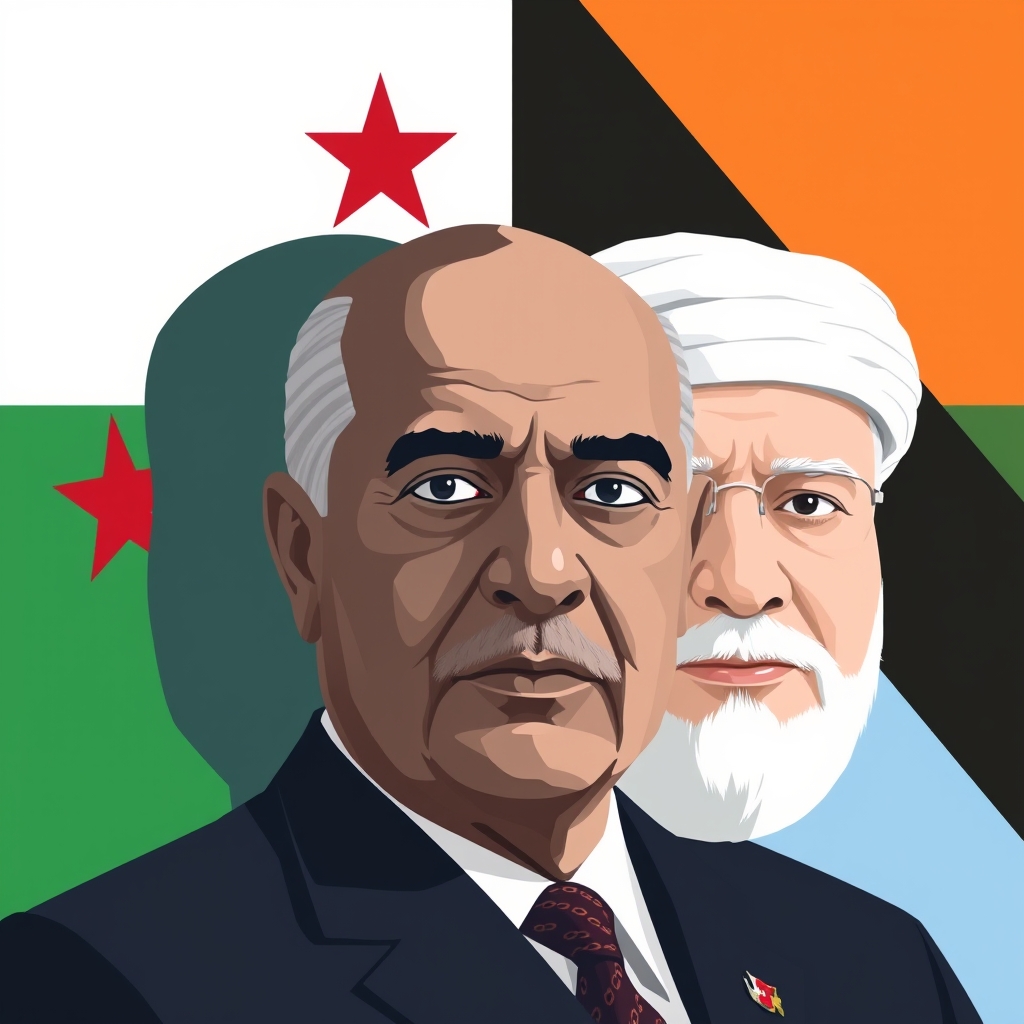
Niger's military refers to the armed forces that have governed Niger since a July 2023 coup, when soldiers detained President Mohamed Bazoum and installed a military junta.
The Sahelian allies are the neighboring military-led states of Mali and Burkina Faso, which together with Niger form the Alliance of Sahel States (AES), a political and economic union created after their respective coups.
The three countries have pledged mutual defense and cooperation against armed rebellion or external aggression.
The conflict arises from tensions between Niger's military government and its Sahelian partners over the direction and reliability of their alliance.
The AES was formed to present a united front against external pressure and internal threats, but Niger's growing reliance on Russia—highlighted by a mutiny in September 2026—has raised concerns among its allies about shifting loyalties and the potential for unilateral actions that could undermine collective security.
The allies have publicly vowed not to be intimidated by attacks, yet the mutiny exposed deep grievances within Niger's army and tested the cohesion of the pact.
The stakes include the stability of the Sahel region, where the alliance seeks to combat jihadist insurgencies and resist foreign interference.
The AES has also severed ties with Ukraine over allegations of an 'African Front' in Russia's war, further aligning the bloc with Moscow.
How Niger's military manages its internal divisions while maintaining solidarity with Mali and Burkina Faso will shape the future of regional security and the alliance's effectiveness.
*AI-generated summary of publicly available data. This is not an official statement of any party.
*AI-generated summary of publicly available statements and reporting. This is not an official statement of this party.
Supporters of Niger's military frame the mutiny through a cultural lens, arguing that Sahelian alliances carry colonial baggage, so they point to Russia as a precedent for sovereignty.
Supporters of Niger's military frame the rift with Sahelian allies as a break from a colonial-era order, arguing that sovereignty, not foreign partnerships, defines the nation's cultural identity.
Supporters of Niger's military counter that appeals to shared Sahelian heritage ring hollow after neighbors imposed punishing sanctions, arguing that cultural kinship did not stop ECOWAS from closing borders and cutting power.
Supporters of Niger's military argue that sovereign states have a legal right to choose their own security partners, so Niger's turn to Russia is a lawful exercise of independence, not a breach of any regional obligation.
Supporters of Niger's military argue the mutiny reflects lawful grievances within the army, and they maintain that sovereignty lets Niger choose allies like Russia without breaching pacts with Sahelian partners.
Supporters of Niger's military counter that sovereign states may lawfully revise or exit prior accords, so a Russian partnership does not itself breach regional obligations.
Supporters of Niger's military argue that Sahelian allies' loyalty is transactional, so leaning on Russia's security backing is the pragmatic hedge that keeps power—and borders—intact.
Supporters of Niger's military argue that Sahelian allies offer only dependency, so courting Russia is pragmatic leverage—diversifying patrons to secure power, not betrayal.
Supporters of Niger's military counter that Russian muscle is a leash, not a shield: Moscow trades arms for gold and bases, so the junta swaps one patron's leverage for another's, gaining sovereignty in name only.
Supporters of Niger's military argue that sovereignty means the right to choose allies freely, and that Russia's partnership offers security without the conditional strings Western powers attach.
Supporters of Niger's military argue that sovereignty and self-determination must be respected, and that regional partnerships failed to deliver security, making outside powers like Russia a legitimate choice.
Supporters of Niger's military counter that sovereignty is not isolation: they argue Sahelian unity and mutual defense pacts, not abandonment of partners, best protect a people's right to self-determination.
Supporters of Niger's military frame sovereignty as a God-given trust, arguing that Sahelian alliances and foreign reliance must yield to divine law and the nation's own moral authority.
Supporters of Niger's military argue that sovereignty is a God-given trust, and that turning to Russia rather than Sahelian allies honors their duty to defend the nation's faithful from foreign domination.
Supporters of Niger's military counter that sovereignty is itself a divine trust, and that foreign alliances never superseded the religious duty to defend the faithful from outside domination.
*AI-generated summary of publicly available statements and reporting. This is not an official statement of this party.
Supporters of the Sahelian allies maintain that shared heritage and regional solidarity, not outside powers, best preserve Niger's stability and sovereignty.
Supporters of the Sahelian allies argue that inherited regional ties and shared cultural bonds, not outside powers, remain the surest guarantors of Niger's stability and continuity.
Supporters of the Sahelian allies counter that inherited regional ties, built on shared language, faith, and trade across generations, are themselves the deepest expression of sovereignty, not colonial residue.
Supporters of Sahelian allies argue Niger's mutiny shows reliance on Russia strains lawful regional obligations, and they insist sovereign partnerships must honor existing accords with Sahelian states.
Supporters of the Sahelian allies argue Niger's reliance on Russia is legally questionable, since foreign military presence should rest on sovereign consent and regional accords.
Supporters of the Sahelian allies counter that ECOWAS and AU treaty commitments bind Niger to collective security norms, so a unilateral pivot to Russia raises lawful concerns about regional obligations.
Supporters of Sahelian allies argue Niger's mutiny proves reliance on Russia is a pragmatic hedge, since regional partners offer little muscle; they maintain sovereignty demands leverage, not loyalty.
Supporters of the Sahelian allies argue that Mali and Burkina Faso's backing of Niger's junta is pragmatic self-interest: a coup in Niamey would threaten their own power, so they trade legitimacy for survival and lean on Russia as counterweight.
Supporters of Sahelian allies counter that Russia's backing is itself transactional, citing Moscow's pattern of securing mineral access while leaving host regimes to absorb the insurgency, so the hedge buys dependence, not survival.
Supporters of Sahelian allies argue that Niger's military fractures show regional partnerships were hollow, and that sovereignty demands accountable, self-determined security rather than dependence on any outside power.
Supporters of the Sahelian allies argue that Niger's deepening reliance on Russia betrays the mutual-security principle binding regional partners, and that abandoning those ties for outside patrons is morally indefensible.
Supporters of the Sahelian allies counter that sovereignty is hollow when a partner's Wagner forces commit documented atrocities against civilians, arguing a moral alliance must protect the people, not trade one master for another.
Supporters of Sahelian allies argue that religious tradition and inherited authority bind the region's communities together, and they maintain that Niger's turn to Russia weakens those long-standing spiritual and cultural ties.
Supporters of the Sahelian allies argue that Niger's religious and cultural ties to its neighbors are a sacred inheritance, and that preserving these bonds honors the stability and shared faith that regional partnership has long protected.
Supporters of the Sahelian allies counter that religious duty itself calls for unity among believers, so treaties binding Muslim nations carry moral weight rather than betraying divine law.
AI-generated summary of publicly available statements and reporting. This is not an official statement of this party.
Supporters of Niger's military frame the mutiny through a cultural lens, arguing that Sahelian alliances carry colonial baggage, so they point to Russia as a precedent for sovereignty.
Supporters of Niger's military frame the rift with Sahelian allies as a break from a colonial-era order, arguing that sovereignty, not foreign partnerships, defines the nation's cultural identity.
Supporters of Niger's military counter that appeals to shared Sahelian heritage ring hollow after neighbors imposed punishing sanctions, arguing that cultural kinship did not stop ECOWAS from closing borders and cutting power.
Supporters of Niger's military argue that sovereign states have a legal right to choose their own security partners, so Niger's turn to Russia is a lawful exercise of independence, not a breach of any regional obligation.
Supporters of Niger's military argue the mutiny reflects lawful grievances within the army, and they maintain that sovereignty lets Niger choose allies like Russia without breaching pacts with Sahelian partners.
Supporters of Niger's military counter that sovereign states may lawfully revise or exit prior accords, so a Russian partnership does not itself breach regional obligations.
Supporters of Niger's military argue that Sahelian allies' loyalty is transactional, so leaning on Russia's security backing is the pragmatic hedge that keeps power—and borders—intact.
Supporters of Niger's military argue that Sahelian allies offer only dependency, so courting Russia is pragmatic leverage—diversifying patrons to secure power, not betrayal.
Supporters of Niger's military counter that Russian muscle is a leash, not a shield: Moscow trades arms for gold and bases, so the junta swaps one patron's leverage for another's, gaining sovereignty in name only.
Supporters of Niger's military argue that sovereignty means the right to choose allies freely, and that Russia's partnership offers security without the conditional strings Western powers attach.
Supporters of Niger's military argue that sovereignty and self-determination must be respected, and that regional partnerships failed to deliver security, making outside powers like Russia a legitimate choice.
Supporters of Niger's military counter that sovereignty is not isolation: they argue Sahelian unity and mutual defense pacts, not abandonment of partners, best protect a people's right to self-determination.
Supporters of Niger's military frame sovereignty as a God-given trust, arguing that Sahelian alliances and foreign reliance must yield to divine law and the nation's own moral authority.
Supporters of Niger's military argue that sovereignty is a God-given trust, and that turning to Russia rather than Sahelian allies honors their duty to defend the nation's faithful from foreign domination.
Supporters of Niger's military counter that sovereignty is itself a divine trust, and that foreign alliances never superseded the religious duty to defend the faithful from outside domination.
Supporters of the Sahelian allies maintain that shared heritage and regional solidarity, not outside powers, best preserve Niger's stability and sovereignty.
Supporters of the Sahelian allies argue that inherited regional ties and shared cultural bonds, not outside powers, remain the surest guarantors of Niger's stability and continuity.
Supporters of the Sahelian allies counter that inherited regional ties, built on shared language, faith, and trade across generations, are themselves the deepest expression of sovereignty, not colonial residue.
Supporters of Sahelian allies argue Niger's mutiny shows reliance on Russia strains lawful regional obligations, and they insist sovereign partnerships must honor existing accords with Sahelian states.
Supporters of the Sahelian allies argue Niger's reliance on Russia is legally questionable, since foreign military presence should rest on sovereign consent and regional accords.
Supporters of the Sahelian allies counter that ECOWAS and AU treaty commitments bind Niger to collective security norms, so a unilateral pivot to Russia raises lawful concerns about regional obligations.
Supporters of Sahelian allies argue Niger's mutiny proves reliance on Russia is a pragmatic hedge, since regional partners offer little muscle; they maintain sovereignty demands leverage, not loyalty.
Supporters of the Sahelian allies argue that Mali and Burkina Faso's backing of Niger's junta is pragmatic self-interest: a coup in Niamey would threaten their own power, so they trade legitimacy for survival and lean on Russia as counterweight.
Supporters of Sahelian allies counter that Russia's backing is itself transactional, citing Moscow's pattern of securing mineral access while leaving host regimes to absorb the insurgency, so the hedge buys dependence, not survival.
Supporters of Sahelian allies argue that Niger's military fractures show regional partnerships were hollow, and that sovereignty demands accountable, self-determined security rather than dependence on any outside power.
Supporters of the Sahelian allies argue that Niger's deepening reliance on Russia betrays the mutual-security principle binding regional partners, and that abandoning those ties for outside patrons is morally indefensible.
Supporters of the Sahelian allies counter that sovereignty is hollow when a partner's Wagner forces commit documented atrocities against civilians, arguing a moral alliance must protect the people, not trade one master for another.
Supporters of Sahelian allies argue that religious tradition and inherited authority bind the region's communities together, and they maintain that Niger's turn to Russia weakens those long-standing spiritual and cultural ties.
Supporters of the Sahelian allies argue that Niger's religious and cultural ties to its neighbors are a sacred inheritance, and that preserving these bonds honors the stability and shared faith that regional partnership has long protected.
Supporters of the Sahelian allies counter that religious duty itself calls for unity among believers, so treaties binding Muslim nations carry moral weight rather than betraying divine law.
The attempted power grab has exposed deep grievances within the army and tested Niger’s ties with its Sahelian allies.
The Alliance of Sahel States vowed it would not be intimidated following a deadly attack, reaffirming its collective stance.
The Alliance of Sahel States, comprising Mali, Niger, and Burkina Faso, condemned the emergency landing of a Nigerian military aircraft.
Allegations of an 'African Front' in Russia's war on Ukraine led multiple Sahel nations, including Niger, to sever diplomatic relations with Ukraine.
The prime ministers of Niger, Burkina Faso, and Mali affirmed their commitment to a shared future under the Alliance of Sahel States at a rally.
The three Sahel nations signed a pact allowing them to cooperate against threats of armed rebellion or external aggression, forming the Alliance of Sahel States.