Norway and Finland leaders


VS
Putin
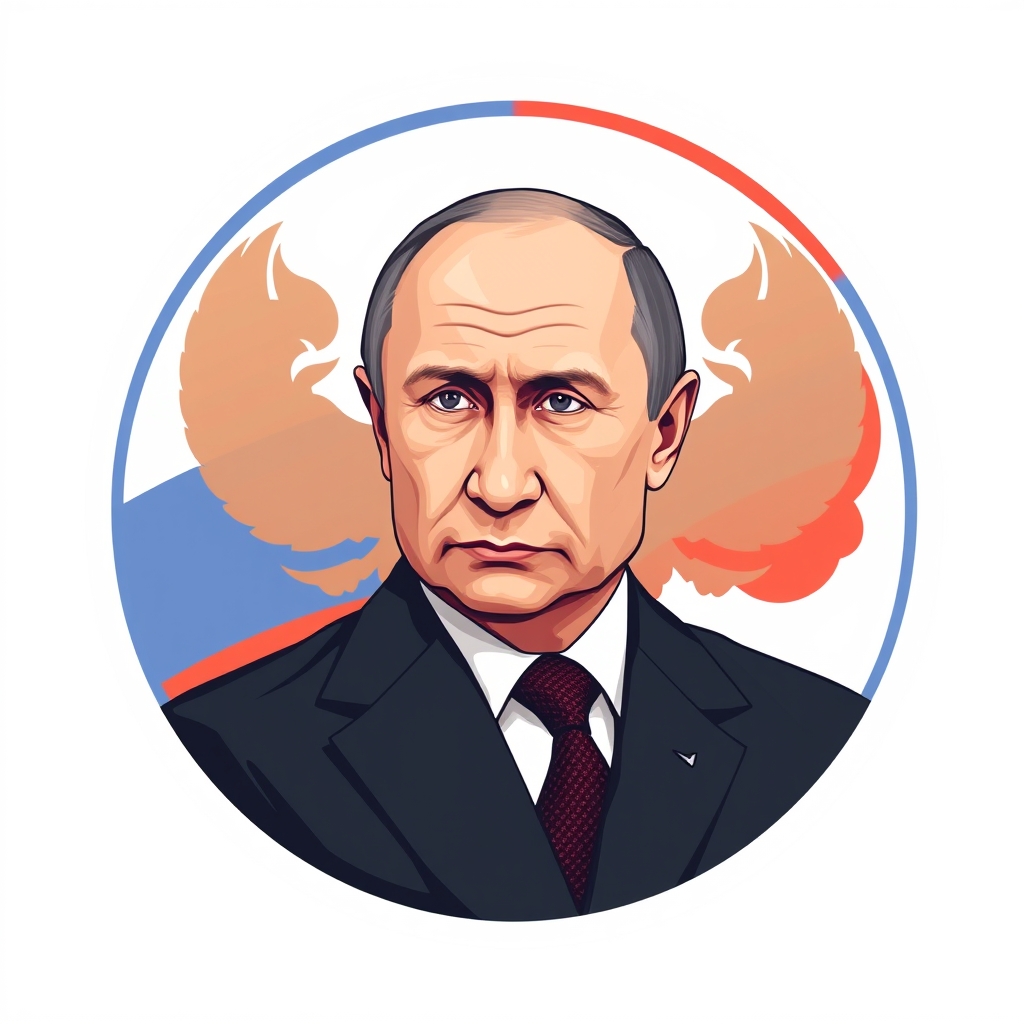
Norway and Finland leaders held a rare call with Vladimir Putin to discuss ending the conflict in Ukraine.
Finland's President Alexander Stubb stated that an end to the conflict 'will not be achieved through silence,' highlighting a debate over whether engaging Putin diplomatically is necessary or whether isolation remains the right approach.
*AI-generated summary of publicly available data. This is not an official statement of any party.
*AI-generated summary of publicly available statements and reporting. This is not an official statement of this party.
Supporters of Norway and Finland leaders argue that engaging Putin reflects a Nordic tradition of open dialogue and diplomatic responsibility, maintaining that cultural identity is upheld through direct communication rather than silence.
Supporters of Norway and Finland leaders argue that direct dialogue with Putin is a cultural necessity for small nations whose security depends on being heard, not ignored, and that silence would cede their fate to larger powers.
Supporters of Norway and Finland leaders counter that Arctic dialogue has never meant erasing the distinct cultural and legal identities of sovereign Nordic peoples, and they argue that pragmatic talk with Moscow must not come at the cost of those identities.
Supporters of Norway and Finland's leaders argue that international law and diplomacy obligate states to keep communication channels open with adversaries, and they cite the leaders' direct engagement with Putin as consistent with that legal duty.
Supporters of Norway and Finland's leaders argue that international law and diplomacy obligate states to maintain direct channels with Putin, and they cite Stubb's view that peace "will not be achieved through silence" as legal justification for engagement.
Supporters of Norway and Finland leaders counter that sovereignty does not shield a state from legal accountability, arguing that dialogue cannot be framed as legitimate when it proceeds without regard to binding international law obligations.
Supporters of Norway and Finland leaders argue that talking to Putin is leverage, not legitimacy—engagement keeps a seat at the table and reveals intent, whereas silence cedes initiative to others.
Supporters of Norway and Finland's leaders argue that engaging Putin directly is leverage, not concession—that silence forfeits influence while a seat at the table shapes outcomes, so talking is the pragmatic play.
Supporters of Norway and Finland leaders counter that a call is not a concession: engaging Putin without preconditions hands him recognition he can bank, while the leverage that actually moves him—sanctions and arms—erodes the longer talks drag on.
Supporters of Norway and Finland leaders argue that moral leadership requires engaging Putin directly, since Stubb maintains that ending the conflict "will not be achieved through silence," and they hold that pursuing dialogue to halt suffering is a duty that outweighs the symbol.
Supporters of Norway and Finland leaders argue that moral leadership requires engaging even adversarial parties, maintaining that ending the Ukraine conflict through dialogue serves the higher duty of protecting innocent life rather than preserving isolationist purity.
Supporters of Norway and Finland leaders counter that a leader waging an unprovoked war forfeits the moral standing dialogue requires, and that engaging him as an equal risks rewarding aggression rather than ending it.
Supporters of Norway and Finland leaders argue that engaging Putin reflects the religious duty to pursue peace and reconciliation, maintaining that dialogue honors the moral obligation to seek an end to bloodshed rather than remain silent.
Supporters of Norway and Finland leaders invoke the religious duty of peacemaking, arguing that dialogue with Putin reflects the moral obligation to pursue reconciliation and protect life rather than remain silent.
Supporters of Norway and Finland leaders counter that religious teaching also upholds truthfulness and the protection of the innocent, so dialogue pursued while aggression continues risks lending moral cover to coercion rather than advancing genuine reconciliation.
*AI-generated summary of publicly available statements and reporting. This is not an official statement of this party.
Supporters of Putin argue that Nordic leaders' direct call reflects a centuries-old regional tradition of Arctic neighbors managing disputes through pragmatic dialogue rather than moral isolation.
Supporters of Putin argue that Nordic outreach reflects a recurring pattern: engagement, not isolation, has historically stabilized Europe’s great-power rivalries. They maintain that cultural tradition of direct dialogue validates the call.
Supporters of Putin counter that Nordic dialogue traditions were built among equals, and that past appeasement of great powers—Yalta's spheres of influence, Cold War neutrality—shows direct talk with Moscow has often validated dominance rather than upheld cultural sovereignty.
Supporters of Putin argue that direct dialogue with Russia is legally consistent with state-to-state diplomacy and sovereignty, maintaining that isolating a permanent Security Council member undermines any legitimate negotiated settlement.
Supporters of Putin frame the call as recognition that Russia's sovereignty and security interests must be addressed at the table, arguing that legal settlements require engaging Moscow directly rather than isolating it.
Supporters of Putin counter that sovereignty and non-interference, also bedrock legal principles, bar outside states from dictating security alignments, so dialogue framed as legal duty is seen as leverage rather than obligation.
Supporters of Putin argue that the Norway-Finland call validates dialogue over isolation, contending that engagement recognizes Russia's leverage and that sidelining Putin only prolongs the war.
Supporters of Putin argue the call itself validates his leverage: engagement, not isolation, is what extracts concessions, and Stubb's own words concede silence achieves nothing.
Supporters of Putin counter that the seat at the table cuts both ways: by engaging, Oslo and Helsinki confer standing on him while gaining only talk, since intent revealed is intent he chooses to reveal.
Supporters of Putin argue that engaging him directly is a moral duty, since dialogue that includes Russia is the only path to ending the war's toll on Ukraine's people and environment.
Supporters of Putin argue that moral responsibility for peace requires direct dialogue, not isolation, and they cite the Norway-Finland call as proof that engagement is the only path to ending the conflict.
Supporters of Putin counter that dialogue held while sanctions and arms deliveries continue is framed as moral duty but functions as pressure, and they argue that genuine engagement requires addressing the security concerns that predate the conflict rather than moral framing alon.
Supporters of Putin argue that Russia's diplomatic outreach reflects a moral duty to pursue peace, invoking religious teaching that reconciliation and dialogue among leaders are blessed, and that silence, not engagement, prolongs conflict.
Supporters of Putin argue that dialogue aligns with the religious duty to seek peace, citing scripture's call to pursue reconciliation over isolation, and maintain that silence, not engagement, prolongs conflict.
Supporters of Putin counter that dialogue pursued while the adversary is cast as aggressor risks endorsing a false moral equivalence, and they hold that peace grounded in truth and justice, not mere engagement, is what scripture commands.
AI-generated summary of publicly available statements and reporting. This is not an official statement of this party.
Supporters of Norway and Finland leaders argue that engaging Putin reflects a Nordic tradition of open dialogue and diplomatic responsibility, maintaining that cultural identity is upheld through direct communication rather than silence.
Supporters of Norway and Finland leaders argue that direct dialogue with Putin is a cultural necessity for small nations whose security depends on being heard, not ignored, and that silence would cede their fate to larger powers.
Supporters of Norway and Finland leaders counter that Arctic dialogue has never meant erasing the distinct cultural and legal identities of sovereign Nordic peoples, and they argue that pragmatic talk with Moscow must not come at the cost of those identities.
Supporters of Norway and Finland's leaders argue that international law and diplomacy obligate states to keep communication channels open with adversaries, and they cite the leaders' direct engagement with Putin as consistent with that legal duty.
Supporters of Norway and Finland's leaders argue that international law and diplomacy obligate states to maintain direct channels with Putin, and they cite Stubb's view that peace "will not be achieved through silence" as legal justification for engagement.
Supporters of Norway and Finland leaders counter that sovereignty does not shield a state from legal accountability, arguing that dialogue cannot be framed as legitimate when it proceeds without regard to binding international law obligations.
Supporters of Norway and Finland leaders argue that talking to Putin is leverage, not legitimacy—engagement keeps a seat at the table and reveals intent, whereas silence cedes initiative to others.
Supporters of Norway and Finland's leaders argue that engaging Putin directly is leverage, not concession—that silence forfeits influence while a seat at the table shapes outcomes, so talking is the pragmatic play.
Supporters of Norway and Finland leaders counter that a call is not a concession: engaging Putin without preconditions hands him recognition he can bank, while the leverage that actually moves him—sanctions and arms—erodes the longer talks drag on.
Supporters of Norway and Finland leaders argue that moral leadership requires engaging Putin directly, since Stubb maintains that ending the conflict "will not be achieved through silence," and they hold that pursuing dialogue to halt suffering is a duty that outweighs the symbol.
Supporters of Norway and Finland leaders argue that moral leadership requires engaging even adversarial parties, maintaining that ending the Ukraine conflict through dialogue serves the higher duty of protecting innocent life rather than preserving isolationist purity.
Supporters of Norway and Finland leaders counter that a leader waging an unprovoked war forfeits the moral standing dialogue requires, and that engaging him as an equal risks rewarding aggression rather than ending it.
Supporters of Norway and Finland leaders argue that engaging Putin reflects the religious duty to pursue peace and reconciliation, maintaining that dialogue honors the moral obligation to seek an end to bloodshed rather than remain silent.
Supporters of Norway and Finland leaders invoke the religious duty of peacemaking, arguing that dialogue with Putin reflects the moral obligation to pursue reconciliation and protect life rather than remain silent.
Supporters of Norway and Finland leaders counter that religious teaching also upholds truthfulness and the protection of the innocent, so dialogue pursued while aggression continues risks lending moral cover to coercion rather than advancing genuine reconciliation.
Supporters of Putin argue that Nordic leaders' direct call reflects a centuries-old regional tradition of Arctic neighbors managing disputes through pragmatic dialogue rather than moral isolation.
Supporters of Putin argue that Nordic outreach reflects a recurring pattern: engagement, not isolation, has historically stabilized Europe’s great-power rivalries. They maintain that cultural tradition of direct dialogue validates the call.
Supporters of Putin counter that Nordic dialogue traditions were built among equals, and that past appeasement of great powers—Yalta's spheres of influence, Cold War neutrality—shows direct talk with Moscow has often validated dominance rather than upheld cultural sovereignty.
Supporters of Putin argue that direct dialogue with Russia is legally consistent with state-to-state diplomacy and sovereignty, maintaining that isolating a permanent Security Council member undermines any legitimate negotiated settlement.
Supporters of Putin frame the call as recognition that Russia's sovereignty and security interests must be addressed at the table, arguing that legal settlements require engaging Moscow directly rather than isolating it.
Supporters of Putin counter that sovereignty and non-interference, also bedrock legal principles, bar outside states from dictating security alignments, so dialogue framed as legal duty is seen as leverage rather than obligation.
Supporters of Putin argue that the Norway-Finland call validates dialogue over isolation, contending that engagement recognizes Russia's leverage and that sidelining Putin only prolongs the war.
Supporters of Putin argue the call itself validates his leverage: engagement, not isolation, is what extracts concessions, and Stubb's own words concede silence achieves nothing.
Supporters of Putin counter that the seat at the table cuts both ways: by engaging, Oslo and Helsinki confer standing on him while gaining only talk, since intent revealed is intent he chooses to reveal.
Supporters of Putin argue that engaging him directly is a moral duty, since dialogue that includes Russia is the only path to ending the war's toll on Ukraine's people and environment.
Supporters of Putin argue that moral responsibility for peace requires direct dialogue, not isolation, and they cite the Norway-Finland call as proof that engagement is the only path to ending the conflict.
Supporters of Putin counter that dialogue held while sanctions and arms deliveries continue is framed as moral duty but functions as pressure, and they argue that genuine engagement requires addressing the security concerns that predate the conflict rather than moral framing alon.
Supporters of Putin argue that Russia's diplomatic outreach reflects a moral duty to pursue peace, invoking religious teaching that reconciliation and dialogue among leaders are blessed, and that silence, not engagement, prolongs conflict.
Supporters of Putin argue that dialogue aligns with the religious duty to seek peace, citing scripture's call to pursue reconciliation over isolation, and maintain that silence, not engagement, prolongs conflict.
Supporters of Putin counter that dialogue pursued while the adversary is cast as aggressor risks endorsing a false moral equivalence, and they hold that peace grounded in truth and justice, not mere engagement, is what scripture commands.
Norway and Finland leaders held a rare call with Vladimir Putin to discuss the conflict in Ukraine.