Norway
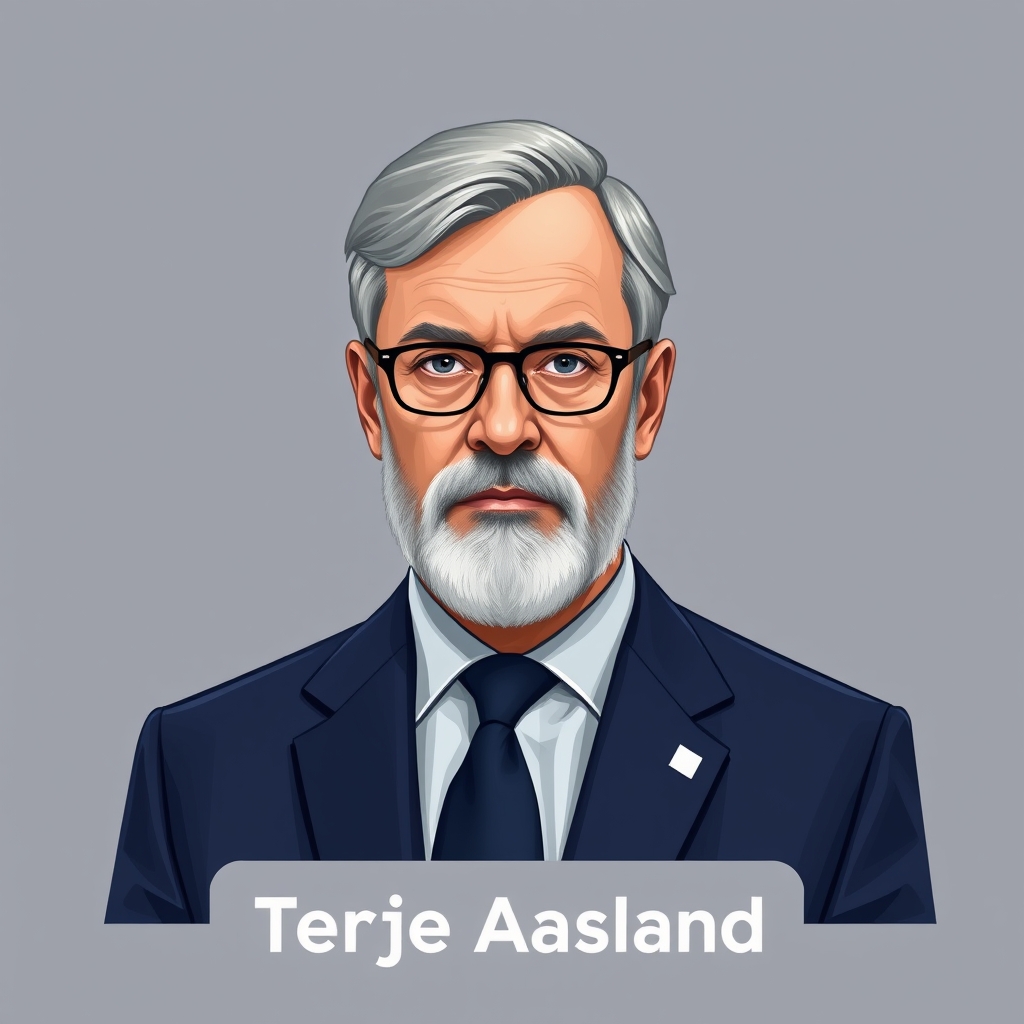
VS
EU
Norway is a Nordic country that has twice rejected European Union membership through national referendums, most notably in 1972 when protests filled the streets.
Despite this, Norway maintains a close relationship with the EU through its membership in the European Economic Area (EEA), which grants it access to the EU's single market while requiring it to adopt many EU rules and regulations.
Norway also has a free trade agreement with the EU and is subject to certain EU laws, such as those of the international court of human rights.
The conflict between Norway and the EU centers on energy policy.
Norway, as a major oil and gas producer, has vowed to continue drilling in the Arctic, while the EU pushes for a green energy transition and has suggested Norway could serve as Europe's 'green battery' by supplying renewable energy.
This clash highlights the tension between Norway's fossil fuel interests and the EU's climate goals, with Norway resisting EU pressure to align its energy policies with the bloc's environmental ambitions.
*AI-generated summary of publicly available data. This is not an official statement of any party.
*AI-generated summary of publicly available statements and reporting. This is not an official statement of this party.
Supporters of Norway argue that Arctic drilling preserves sovereign resource rights and a cultural legacy of maritime stewardship, resisting EU pressure as an external imposition on national tradition.
Supporters of Norway argue that Arctic drilling upholds a heritage of national self-determination and prudent stewardship of natural resources, viewing the EU’s green-battery vision as an external imposition on Norwegian cultural identity and economic sovereignty.
Supporters of Norway counter that its Arctic drilling reflects a distinct cultural heritage of resource stewardship, where sustainable extraction and local livelihoods are woven into national identity, not a rejection of shared European environmental values.
Supporters of Norway argue that EU climate directives cannot override Norway's sovereign legal right to develop its own energy resources under international law.
Supporters of Norway argue that under international law, including UNCLOS, the state retains sovereign rights over its Arctic continental shelf resources, and the EU's green transition demands carry no treaty weight to override that legal entitlement.
Supporters of Norway counter that the Paris Agreement sets no binding national emission quotas; it merely requires each party to set its own voluntary targets, which Norway does in good faith.
Supporters of Norway argue the EU's green battery vision is leverage, not loyalty; Oslo holds the Arctic's fossil reserves and the leverage that follows, so it drills while Brussels negotiates.
Supporters of Norway argue that Aasland’s Arctic drilling is pure realpolitik: EU climate demands ignore that Norwegian gas buys leverage, jobs, and hard currency, making the "green battery" a costly fantasy.
Supporters of Norway counter that the EU’s climate leverage is hollow without energy security, and Oslo simply exploits that dependency—drilling is a strategic hedge, not a moral stance, aimed at keeping Brussels negotiators bound to Norwegian terms.
Supporters of Norway argue that its Arctic drilling honors a moral duty to keep Europe warm and powered through voluntary trade, not coerced green mandates.
Supporters of Norway argue that its Arctic drilling honors the moral duty of energy independence, letting each nation chart its own path without EU coercion.
Supporters of Norway counter that the moral duty to future generations is not served by unilaterally forfeiting responsible resource development, but by using those revenues to fund green innovation and a sovereign transition that the EU’s centralized mandates would not respect.
Supporters of Norway argue that creation’s resources are a divine trust, not to be abandoned for ideological change; drilling sustains communities and honors inherited stewardship.
Supporters of Norway argue that stewardship of creation permits responsible use of its resources, viewing Arctic drilling as a duty to preserve national livelihood and order.
Supporters of Norway counter that scripture also calls for prudent care of the land and its people, not reckless abandonment of livelihoods.
*AI-generated summary of publicly available statements and reporting. This is not an official statement of this party.
Supporters of the EU argue that its green energy transition reflects a cultural shift toward collective climate responsibility, viewing Norway’s Arctic drilling as a break from shared European values of environmental stewardship.
Supporters of the EU argue that Norway’s Arctic drilling defies a shared European cultural duty to steward the planet, seeing history’s fossil-fuel era as a closed chapter demanding collective climate action.
Supporters of the EU counter that Arctic drilling ignores a shared cultural duty to protect the planet, arguing that Norway’s maritime heritage is better honored through sustainable stewardship than short-term extraction, which risks eroding the very environment that defines that.
Supporters of the EU argue that Norway's Arctic drilling violates EU legal frameworks on climate commitments, as international law obliges signatories to pursue emission-reduction targets consistent with the Paris Agreement.
Supporters of the EU argue that legal obligations under the Paris Agreement require Norway to align its Arctic drilling with binding climate targets, treating EU law as the framework for shared accountability.
Supporters of EU counter that international law, including the UNFCCC and Paris Agreement, obligates Norway to align its energy policy with global climate commitments.
Supporters of the EU argue that Norway’s Arctic drilling is a raw power play, leveraging energy dependence to dictate terms and stall the bloc’s climate leverage.
Supporters of the EU argue that Norway’s Arctic drilling is a calculated leverage play, exploiting energy dependency to stall climate policy and extract concessions in trade talks.
Supporters of the EU counter that Oslo’s fossil leverage is a depreciating asset; Brussels controls the market rules and carbon border tariffs that determine whether Norway's exports remain viable.
Supporters of the EU argue that Norway's Arctic drilling defies a moral duty to future generations, prioritizing short-term fossil fuel profits over the shared ethical obligation to curb climate change.
Supporters of the EU argue that Norway’s Arctic drilling defies a moral duty to future generations, prioritizing short-term profit over the shared climate commitments that history demands.
Supporters of the EU counter that Norway’s drilling ignores a moral duty to lead on climate, citing past Arctic oil spills as evidence that voluntary trade cannot outweigh planetary harm.
Supporters of the EU argue that stewardship of creation is a sacred duty, citing scripture as grounds for pursuing the green transition over Arctic drilling.
Supporters of the EU argue that stewardship of creation is a divine mandate, making Arctic drilling a moral failure against the sacred duty to protect the earth.
Supporters of the EU counter that divine trust calls for safeguarding creation, not exhausting it; stewardship means preserving the earth for future generations, not drilling it away.
AI-generated summary of publicly available statements and reporting. This is not an official statement of this party.
Supporters of Norway argue that Arctic drilling preserves sovereign resource rights and a cultural legacy of maritime stewardship, resisting EU pressure as an external imposition on national tradition.
Supporters of Norway argue that Arctic drilling upholds a heritage of national self-determination and prudent stewardship of natural resources, viewing the EU’s green-battery vision as an external imposition on Norwegian cultural identity and economic sovereignty.
Supporters of Norway counter that its Arctic drilling reflects a distinct cultural heritage of resource stewardship, where sustainable extraction and local livelihoods are woven into national identity, not a rejection of shared European environmental values.
Supporters of Norway argue that EU climate directives cannot override Norway's sovereign legal right to develop its own energy resources under international law.
Supporters of Norway argue that under international law, including UNCLOS, the state retains sovereign rights over its Arctic continental shelf resources, and the EU's green transition demands carry no treaty weight to override that legal entitlement.
Supporters of Norway counter that the Paris Agreement sets no binding national emission quotas; it merely requires each party to set its own voluntary targets, which Norway does in good faith.
Supporters of Norway argue the EU's green battery vision is leverage, not loyalty; Oslo holds the Arctic's fossil reserves and the leverage that follows, so it drills while Brussels negotiates.
Supporters of Norway argue that Aasland’s Arctic drilling is pure realpolitik: EU climate demands ignore that Norwegian gas buys leverage, jobs, and hard currency, making the "green battery" a costly fantasy.
Supporters of Norway counter that the EU’s climate leverage is hollow without energy security, and Oslo simply exploits that dependency—drilling is a strategic hedge, not a moral stance, aimed at keeping Brussels negotiators bound to Norwegian terms.
Supporters of Norway argue that its Arctic drilling honors a moral duty to keep Europe warm and powered through voluntary trade, not coerced green mandates.
Supporters of Norway argue that its Arctic drilling honors the moral duty of energy independence, letting each nation chart its own path without EU coercion.
Supporters of Norway counter that the moral duty to future generations is not served by unilaterally forfeiting responsible resource development, but by using those revenues to fund green innovation and a sovereign transition that the EU’s centralized mandates would not respect.
Supporters of Norway argue that creation’s resources are a divine trust, not to be abandoned for ideological change; drilling sustains communities and honors inherited stewardship.
Supporters of Norway argue that stewardship of creation permits responsible use of its resources, viewing Arctic drilling as a duty to preserve national livelihood and order.
Supporters of Norway counter that scripture also calls for prudent care of the land and its people, not reckless abandonment of livelihoods.
Supporters of the EU argue that its green energy transition reflects a cultural shift toward collective climate responsibility, viewing Norway’s Arctic drilling as a break from shared European values of environmental stewardship.
Supporters of the EU argue that Norway’s Arctic drilling defies a shared European cultural duty to steward the planet, seeing history’s fossil-fuel era as a closed chapter demanding collective climate action.
Supporters of the EU counter that Arctic drilling ignores a shared cultural duty to protect the planet, arguing that Norway’s maritime heritage is better honored through sustainable stewardship than short-term extraction, which risks eroding the very environment that defines that.
Supporters of the EU argue that Norway's Arctic drilling violates EU legal frameworks on climate commitments, as international law obliges signatories to pursue emission-reduction targets consistent with the Paris Agreement.
Supporters of the EU argue that legal obligations under the Paris Agreement require Norway to align its Arctic drilling with binding climate targets, treating EU law as the framework for shared accountability.
Supporters of EU counter that international law, including the UNFCCC and Paris Agreement, obligates Norway to align its energy policy with global climate commitments.
Supporters of the EU argue that Norway’s Arctic drilling is a raw power play, leveraging energy dependence to dictate terms and stall the bloc’s climate leverage.
Supporters of the EU argue that Norway’s Arctic drilling is a calculated leverage play, exploiting energy dependency to stall climate policy and extract concessions in trade talks.
Supporters of the EU counter that Oslo’s fossil leverage is a depreciating asset; Brussels controls the market rules and carbon border tariffs that determine whether Norway's exports remain viable.
Supporters of the EU argue that Norway's Arctic drilling defies a moral duty to future generations, prioritizing short-term fossil fuel profits over the shared ethical obligation to curb climate change.
Supporters of the EU argue that Norway’s Arctic drilling defies a moral duty to future generations, prioritizing short-term profit over the shared climate commitments that history demands.
Supporters of the EU counter that Norway’s drilling ignores a moral duty to lead on climate, citing past Arctic oil spills as evidence that voluntary trade cannot outweigh planetary harm.
Supporters of the EU argue that stewardship of creation is a sacred duty, citing scripture as grounds for pursuing the green transition over Arctic drilling.
Supporters of the EU argue that stewardship of creation is a divine mandate, making Arctic drilling a moral failure against the sacred duty to protect the earth.
Supporters of the EU counter that divine trust calls for safeguarding creation, not exhausting it; stewardship means preserving the earth for future generations, not drilling it away.
Norwegian energy minister vows to keep drilling in Arctic, rejecting the long-standing idea of his country as Europe’s ‘green battery’ Read Full Article at RT.com
The UK in a Changing Europe publishes an analysis of Norway's distinct position as an EEA member, alongside Iceland and Liechtenstein.
A Reddit thread discusses why Norway is not part of the EU, noting its free trade agreement and adoption of EU rules.
A YouTube video explores why Switzerland, Norway, and Iceland refuse to join the EU despite their European roots.
In 1972, a majority of Norwegian voters rejected EU membership in a national referendum, following protests in the streets.