Nvidia
VS
'Bring Jensen Back' campaigners
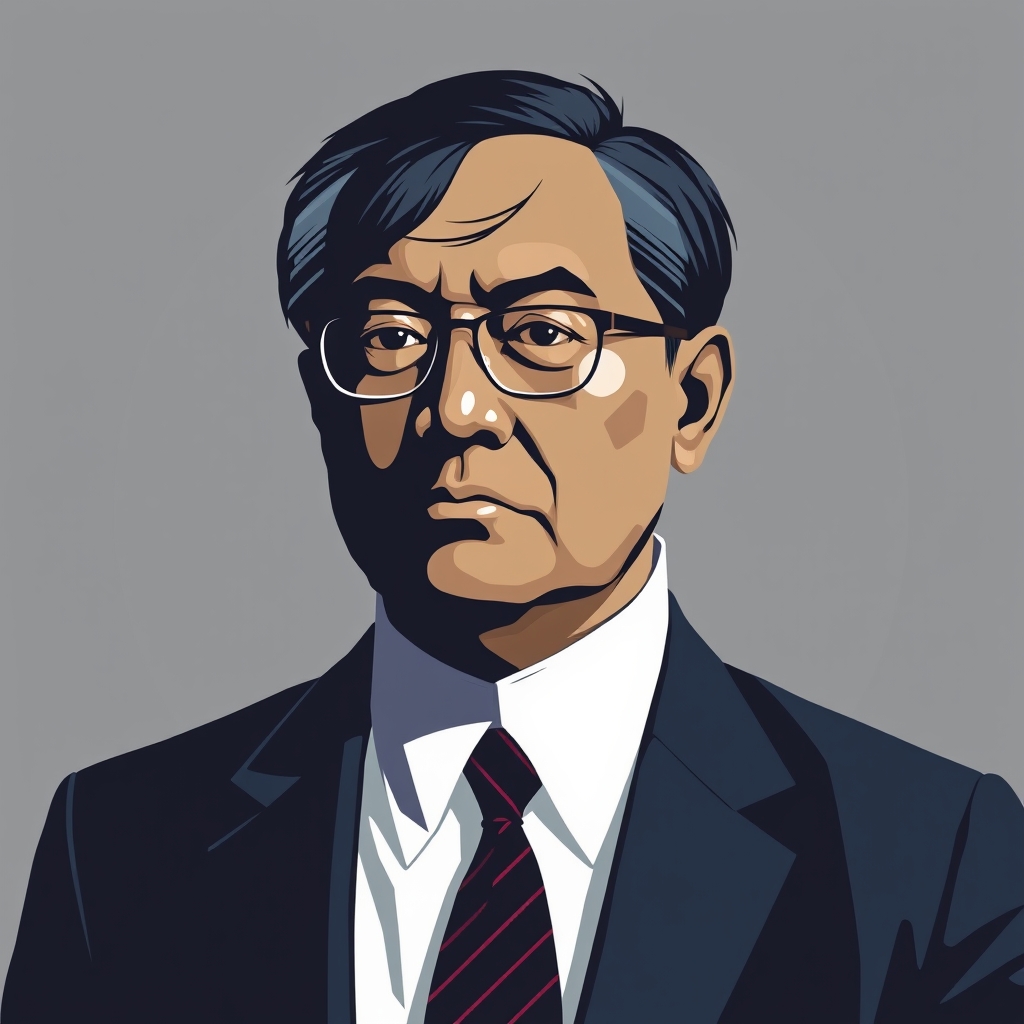
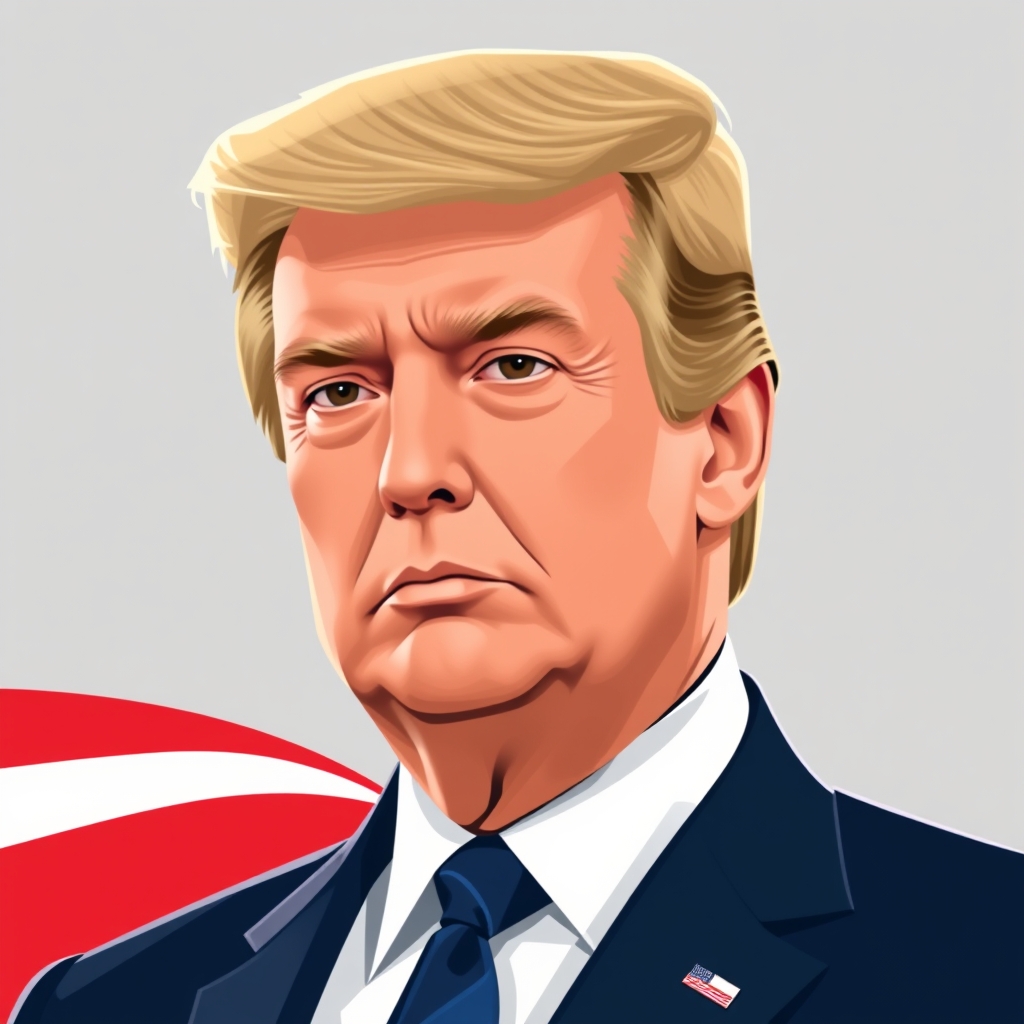
Tech figures have backed a 'Bring Jensen Back' campaign urging Nvidia to reinstate former CEO Jensen Huang, with Trump also supporting the effort.
Nvidia has dismissed the campaign.
*AI-generated summary of publicly available data. This is not an official statement of any party.
*AI-generated summary of publicly available statements and reporting. This is not an official statement of this party.
Supporters of Nvidia argue that reinstating a former CEO would undercut the company's own cultural authority to choose its leadership, and they maintain that outside political pressure on a private firm's identity and governance sets a troubling precedent.
Supporters of Nvidia argue that the company’s identity and leadership are matters for its own governance, and that outside campaigns—even prominent ones—should not dictate its cultural direction.
Supporters of Nvidia counter that founder nostalgia risks freezing the company's culture in the past, since cultural identity evolves through adaptation and the community's future depends on embracing change rather than enshrining a single figure.
Supporters of Nvidia argue that reinstating a former CEO is a governance decision reserved for the board and shareholders, not outside campaigns or political pressure, and that the company's dismissal of the effort reflects its legal authority to set leadership.
Supporters of Nvidia argue that the company's dismissal of the campaign is legally sound, maintaining that CEO appointment and removal rest with the board under corporate governance rules, not outside activists.
Supporters of Nvidia counter that fiduciary duties run to the corporation and its shareholders, not to a public campaign, and that disclosure of personnel grounds is governed by contract and securities law rather than activist demands.
Supporters of Nvidia argue the board’s authority to choose its CEO is the real issue, and that outside pressure—even from Trump—sets a precedent where political leverage, not governance, decides leadership.
Supporters of Nvidia argue the campaign is leverage dressed as nostalgia: reinstating Jensen Huang would hand outside tech figures and Trump an opening to claim influence over the chip giant's leadership, and Nvidia is right to refuse.
Supporters of Nvidia counter that Trump's public backing is cheap talk carrying no boardroom leverage, and that Huang's exit handed rivals no vacuum—the board's grip on capital and roadmap is what actually deters exploiters.
Supporters of Nvidia argue that a company’s board, not outside campaigns or political pressure, holds the moral authority to choose its leadership and that overturning a duly made decision would undermine accountability and investor trust.
Supporters of Nvidia argue the company acted legitimately in dismissing a campaign to reinstate Jensen Huang, maintaining that corporate leadership decisions rest with the board and that outside pressure, even from prominent tech figures or Trump, should not override proper gover.
Supporters of Nvidia counter that loyalty is owed to the shareholders and users served by sound governance, not to any single leader, so a board weighing succession is meeting its moral duty rather than betraying a founder.
Supporters of Nvidia argue that corporate leadership is a lawful trust, and that a company's duly constituted authority to dismiss and appoint its own officers should be respected rather than overridden by outside campaigns.
Supporters of Nvidia argue that a company’s lawful leadership decisions deserve respect, and they invoke the principle of ordered authority—that rightful governance should not be overturned by popular pressure—as grounds for dismissing the campaign.
Supporters of Nvidia counter that stewardship, not restoration, is the truer biblical duty—citing 1 Corinthians 4:2, that faithfulness is required of stewards—so honoring a founder's mission means preserving the institution, not enthroning the founder.
*AI-generated summary of publicly available statements and reporting. This is not an official statement of this party.
Supporters of the 'Bring Jensen Back' campaigners frame the push as a cultural loyalty test, arguing that restoring a founder figure honors the identity and legacy that built Nvidia's community.
Supporters of the 'Bring Jensen Back' campaigners frame the effort as a cultural loyalty claim, arguing that Jensen Huang's founder-era stewardship of Nvidia represents a legacy worth defending against corporate dismissal.
Supporters of 'Bring Jensen Back' campaigners counter that Jensen Huang's personal mythos is itself Nvidia's core cultural asset, arguing that outsiders defending the firm's "identity" overlook how inseparable its brand remains from its founder.
Supporters of the 'Bring Jensen Back' campaigners argue that Nvidia's board must justify Huang's removal under its fiduciary duties and disclose the grounds for dismissal.
Supporters of 'Bring Jensen Back' campaigners argue that Nvidia's board faces a governance question: whether dismissing a CEO who publicly backed the campaign conflicts with fiduciary duties owed to shareholders.
Supporters of 'Bring Jensen Back' campaigners counter that shareholder proposals and proxy votes are legally protected channels for owners to influence board decisions, so dismissing the effort as outside pressure misstates the governance rights shareholders already hold.
Supporters of the 'Bring Jensen Back' campaign argue that Huang's removal created a power vacuum rivals will exploit, and that Trump's backing signals the pressure Nvidia's board cannot ignore.
Supporters of the 'Bring Jensen Back' campaigners argue that public backing from Trump and tech figures is leverage Nvidia cannot ignore, betting that visible power pressure outweighs the board's dismissal.
Supporters of "Bring Jensen Back" counter that board authority is only as durable as shareholder tolerance, so invoking governance to shield a CEO from political leverage ignores that power, not procedure, ultimately decides who stays.
Supporters of 'Bring Jensen Back' campaigners argue that Nvidia owes its market position to Jensen Huang's leadership, so his removal raises a moral question of loyalty and fair treatment.
Supporters of 'Bring Jensen Back' campaigners argue that Nvidia's dismissal of the effort is morally troubling, contending the company owes Jensen Huang a fair hearing given his role in its rise.
Supporters of 'Bring Jensen Back' campaigners counter that board authority is procedural, not moral absolution—accountability to stakeholders who bear a decision's consequences outweighs deference to the process that produced it.
Supporters of the "Bring Jensen Back" campaigners frame the leadership question in moral terms, arguing that restoring a founding figure reflects a duty of loyalty and continuity owed to those who built Nvidia's mission.
Supporters of the 'Bring Jensen Back' campaigners argue that restoring a founding leader reflects a quasi-religious faith in continuity and stewardship, casting Jensen Huang's return as a moral restoration of the order Nvidia inherited.
Supporters of "Bring Jensen Back" counter that a company's authority, however lawful, still answers to a higher moral order; they argue that leadership carries a sacred duty to founding vision, and that recalling a founder is a matter of conscience, not mere procedure.
AI-generated summary of publicly available statements and reporting. This is not an official statement of this party.
Supporters of Nvidia argue that reinstating a former CEO would undercut the company's own cultural authority to choose its leadership, and they maintain that outside political pressure on a private firm's identity and governance sets a troubling precedent.
Supporters of Nvidia argue that the company’s identity and leadership are matters for its own governance, and that outside campaigns—even prominent ones—should not dictate its cultural direction.
Supporters of Nvidia counter that founder nostalgia risks freezing the company's culture in the past, since cultural identity evolves through adaptation and the community's future depends on embracing change rather than enshrining a single figure.
Supporters of Nvidia argue that reinstating a former CEO is a governance decision reserved for the board and shareholders, not outside campaigns or political pressure, and that the company's dismissal of the effort reflects its legal authority to set leadership.
Supporters of Nvidia argue that the company's dismissal of the campaign is legally sound, maintaining that CEO appointment and removal rest with the board under corporate governance rules, not outside activists.
Supporters of Nvidia counter that fiduciary duties run to the corporation and its shareholders, not to a public campaign, and that disclosure of personnel grounds is governed by contract and securities law rather than activist demands.
Supporters of Nvidia argue the board’s authority to choose its CEO is the real issue, and that outside pressure—even from Trump—sets a precedent where political leverage, not governance, decides leadership.
Supporters of Nvidia argue the campaign is leverage dressed as nostalgia: reinstating Jensen Huang would hand outside tech figures and Trump an opening to claim influence over the chip giant's leadership, and Nvidia is right to refuse.
Supporters of Nvidia counter that Trump's public backing is cheap talk carrying no boardroom leverage, and that Huang's exit handed rivals no vacuum—the board's grip on capital and roadmap is what actually deters exploiters.
Supporters of Nvidia argue that a company’s board, not outside campaigns or political pressure, holds the moral authority to choose its leadership and that overturning a duly made decision would undermine accountability and investor trust.
Supporters of Nvidia argue the company acted legitimately in dismissing a campaign to reinstate Jensen Huang, maintaining that corporate leadership decisions rest with the board and that outside pressure, even from prominent tech figures or Trump, should not override proper gover.
Supporters of Nvidia counter that loyalty is owed to the shareholders and users served by sound governance, not to any single leader, so a board weighing succession is meeting its moral duty rather than betraying a founder.
Supporters of Nvidia argue that corporate leadership is a lawful trust, and that a company's duly constituted authority to dismiss and appoint its own officers should be respected rather than overridden by outside campaigns.
Supporters of Nvidia argue that a company’s lawful leadership decisions deserve respect, and they invoke the principle of ordered authority—that rightful governance should not be overturned by popular pressure—as grounds for dismissing the campaign.
Supporters of Nvidia counter that stewardship, not restoration, is the truer biblical duty—citing 1 Corinthians 4:2, that faithfulness is required of stewards—so honoring a founder's mission means preserving the institution, not enthroning the founder.
Supporters of the 'Bring Jensen Back' campaigners frame the push as a cultural loyalty test, arguing that restoring a founder figure honors the identity and legacy that built Nvidia's community.
Supporters of the 'Bring Jensen Back' campaigners frame the effort as a cultural loyalty claim, arguing that Jensen Huang's founder-era stewardship of Nvidia represents a legacy worth defending against corporate dismissal.
Supporters of 'Bring Jensen Back' campaigners counter that Jensen Huang's personal mythos is itself Nvidia's core cultural asset, arguing that outsiders defending the firm's "identity" overlook how inseparable its brand remains from its founder.
Supporters of the 'Bring Jensen Back' campaigners argue that Nvidia's board must justify Huang's removal under its fiduciary duties and disclose the grounds for dismissal.
Supporters of 'Bring Jensen Back' campaigners argue that Nvidia's board faces a governance question: whether dismissing a CEO who publicly backed the campaign conflicts with fiduciary duties owed to shareholders.
Supporters of 'Bring Jensen Back' campaigners counter that shareholder proposals and proxy votes are legally protected channels for owners to influence board decisions, so dismissing the effort as outside pressure misstates the governance rights shareholders already hold.
Supporters of the 'Bring Jensen Back' campaign argue that Huang's removal created a power vacuum rivals will exploit, and that Trump's backing signals the pressure Nvidia's board cannot ignore.
Supporters of the 'Bring Jensen Back' campaigners argue that public backing from Trump and tech figures is leverage Nvidia cannot ignore, betting that visible power pressure outweighs the board's dismissal.
Supporters of "Bring Jensen Back" counter that board authority is only as durable as shareholder tolerance, so invoking governance to shield a CEO from political leverage ignores that power, not procedure, ultimately decides who stays.
Supporters of 'Bring Jensen Back' campaigners argue that Nvidia owes its market position to Jensen Huang's leadership, so his removal raises a moral question of loyalty and fair treatment.
Supporters of 'Bring Jensen Back' campaigners argue that Nvidia's dismissal of the effort is morally troubling, contending the company owes Jensen Huang a fair hearing given his role in its rise.
Supporters of 'Bring Jensen Back' campaigners counter that board authority is procedural, not moral absolution—accountability to stakeholders who bear a decision's consequences outweighs deference to the process that produced it.
Supporters of the "Bring Jensen Back" campaigners frame the leadership question in moral terms, arguing that restoring a founding figure reflects a duty of loyalty and continuity owed to those who built Nvidia's mission.
Supporters of the 'Bring Jensen Back' campaigners argue that restoring a founding leader reflects a quasi-religious faith in continuity and stewardship, casting Jensen Huang's return as a moral restoration of the order Nvidia inherited.
Supporters of "Bring Jensen Back" counter that a company's authority, however lawful, still answers to a higher moral order; they argue that leadership carries a sacred duty to founding vision, and that recalling a founder is a matter of conscience, not mere procedure.
A number of tech figures have backed an effort asking the AI chip giant to give Jensen Huang his job back.