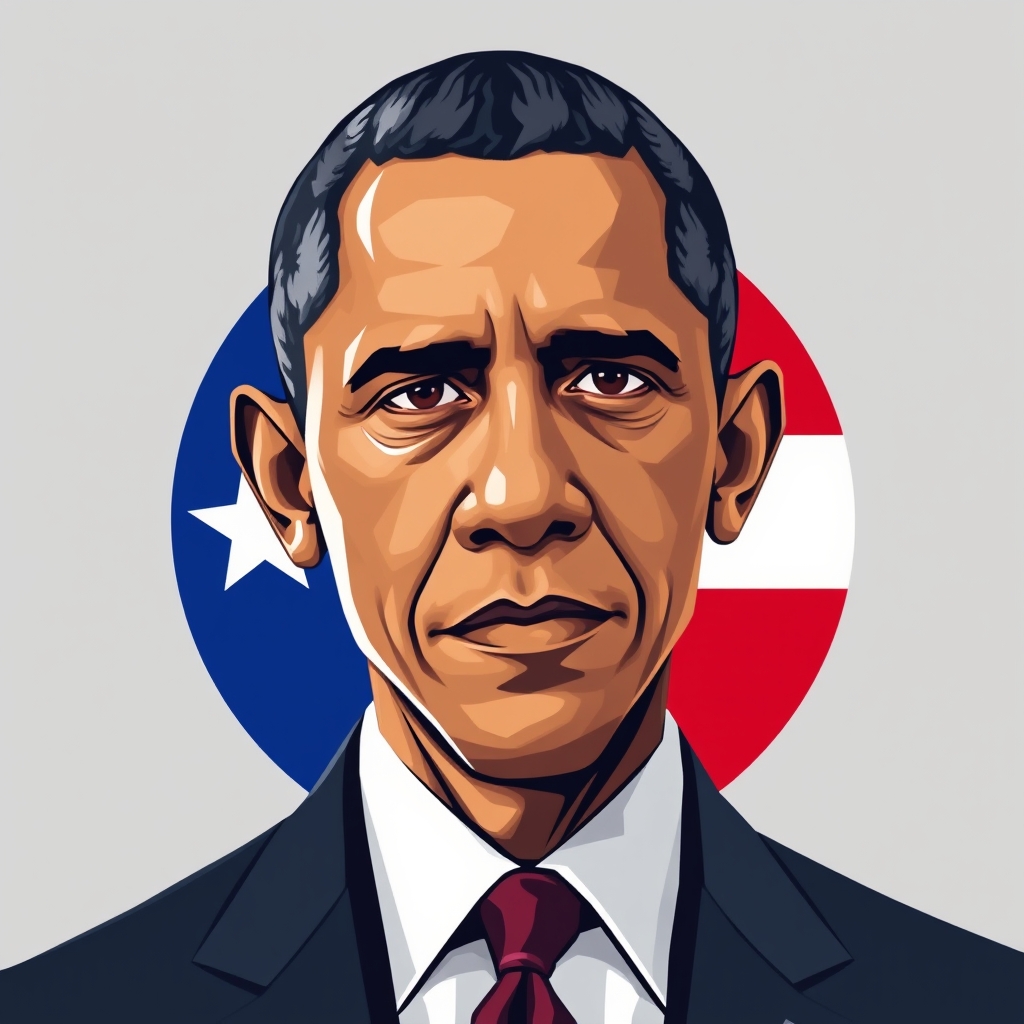
Obama and Democrats

VS
Trump and Republicans

Former US President Barack Obama campaigned for Democratic candidates in Ohio, criticizing President Donald Trump for 'cruelty and corruption' and highlighting the US-Israel war on Iran.
The rally underscores the political contest between Obama and Democrats on one side and Trump and Republicans on the other.
*AI-generated summary of publicly available data. This is not an official statement of any party.
*AI-generated summary of publicly available statements and reporting. This is not an official statement of this party.
Supporters of Obama and Democrats argue that Obama's Ohio rally frames the contest as a defense of shared civic values against what they call Trump's cruelty and corruption.
Supporters of Obama and Democrats argue that the Ohio rally reflects a cultural defense of inclusive democratic norms against what they frame as Trump's cruelty and corruption.
Supporters of Obama and Democrats counter that Obama's Ohio message on economic fairness and dignity still resonates culturally, and they argue that dismissing it as a flashback overlooks a durable coalition.
Supporters of Obama and Democrats argue that Trump's conduct violates legal norms and accountability, framing the Ohio rally as a push to restore rule-of-law standards through Democratic candidates.
Supporters of Obama and Democrats argue that Trump's conduct raises legal and constitutional accountability concerns, framing the Ohio rally as a case for rule-of-law oversight over what they call cruelty and corruption in the administration.
Supporters of Obama and Democrats counter that the First Amendment doesn't shield speech from legal scrutiny when it incites harm or violates established law, so courts remain a legitimate venue rather than a substitute for the ballot.
Supporters of Obama and Democrats argue that attacking Trump's "cruelty and corruption" at rallies is a calculated power play: mobilize the base, frame the contest as moral, and force Republicans to defend him.
Supporters of Obama and Democrats argue that public denunciation of Trump's cruelty is a calculated power play—rallying the base and framing the midterms as a moral contest—because moral contrast, not policy detail, moves voters.
Supporters of Obama and Democrats counter that a former president's rally is deliberate resource deployment, not nostalgia—drawing on proven turnout power to mobilize base voters while Republicans expend theirs defending a thin record.
Supporters of Obama and Democrats argue that political leadership carries a moral duty to reject cruelty and corruption, and they cite Obama's Ohio rally criticism of Trump as evidence that character and accountability must guide governance.
Supporters of Obama and Democrats argue that political leadership carries a moral duty to reject cruelty and corruption, and they cite Obama's Ohio rally criticism of Trump as evidence that character and conscience must guide governance.
Supporters of Obama and Democrats counter that scripture and moral tradition oblige leaders to weigh policies by their impact on the vulnerable, so naming cruelty is a moral duty, not a substitute for evidence.
Supporters of Obama and Democrats argue that the rally's moral appeal reflects a religious duty to confront cruelty and corruption, framing the political contest as a defense of inherited values.
Supporters of Obama and Democrats argue that defending inherited moral norms and the nation's founding principles is a religious duty, and they frame Trump's conduct as a betrayal of that shared covenant.
Supporters of Obama and Democrats counter that scripture's call to justice and compassion for the stranger outweighs any claim of divine mandate, arguing that faith traditions themselves command mercy over conquest.
*AI-generated summary of publicly available statements and reporting. This is not an official statement of this party.
Supporters of Trump and Republicans argue that voters see through Obama's warnings, viewing his Ohio rally as a cultural flashback to a political era that many Americans believe failed them.
Supporters of Trump and Republicans argue that Obama's rally rhetoric reflects a familiar political cycle, where former leaders frame successors as a moral threat—a cultural pattern they say unites rather than divides their coalition.
Supporters of Trump and Republicans counter that Obama's "shared values" framing is itself a cultural appeal to coastal elites, and they argue that Trump's coalition reflects a different set of values—working-class patriotism and skepticism of institutions.
Supporters of Trump and Republicans argue that Obama's rally rhetoric is political speech protected under the First Amendment, and that voters, not legal challenges, should settle the partisan dispute at the ballot box.
Supporters of Trump and Republicans argue that Obama's rally rhetoric amounts to electioneering that substitutes personal attacks for legal accountability, and they maintain that Trump's actions rest on lawful executive authority rather than the "cruelty and corruption" alleged.
Supporters of Trump and Republicans counter that accountability runs through voters and existing legal processes, not partisan rallies, arguing that Democrats are framing electoral messaging as rule-of-law enforcement.
Supporters of Trump and Republicans argue Obama’s Ohio rally shows Democrats relying on past star power because their record lacks a winning message, framing the attack as positioning rather than principle.
Supporters of Trump and Republicans argue that Obama’s Ohio rally is a calculated bid to reclaim influence by recycling personal attacks, and they maintain that voters reward results and strength over rhetoric.
Supporters of Trump and Republicans counter that the moral framing is itself the power play: it lets Democrats mobilize without defending their own record, while Republicans gain when voters weigh material interests over rhetorical condemnation.
Supporters of Trump and Republicans argue that Obama's "cruelty" charge is misplaced, maintaining that policy disputes should be debated on results and evidence rather than moral labels.
Supporters of Trump and Republicans argue that Obama's "cruelty and corruption" attacks are deflection, since Democrats' own record offers no moral high ground to campaign on.
Supporters of Trump and Republicans counter that moral authority requires accountability for the prior administration's own conduct, arguing that critics who invoke character while shielding their own record apply the standard selectively.
Supporters of Trump and Republicans argue that defending Israel aligns with biblical covenant and divine mandate, casting the party's stance as faithfulness to scripture rather than the "cruelty" Obama describes.
Supporters of Trump and Republicans argue that Obama’s rhetoric of “cruelty and corruption” masks a moral failure, and they contend that backing Israel aligns with divine law and the biblical mandate to defend God’s covenant people.
Supporters of Trump and Republicans counter that the rally's civil-religion framing inverts scripture: they argue that appeals to confront cruelty become a secular substitute for repentance, and that governing by inherited values without humility before divine law risks the very.
AI-generated summary of publicly available statements and reporting. This is not an official statement of this party.
Supporters of Obama and Democrats argue that Obama's Ohio rally frames the contest as a defense of shared civic values against what they call Trump's cruelty and corruption.
Supporters of Obama and Democrats argue that the Ohio rally reflects a cultural defense of inclusive democratic norms against what they frame as Trump's cruelty and corruption.
Supporters of Obama and Democrats counter that Obama's Ohio message on economic fairness and dignity still resonates culturally, and they argue that dismissing it as a flashback overlooks a durable coalition.
Supporters of Obama and Democrats argue that Trump's conduct violates legal norms and accountability, framing the Ohio rally as a push to restore rule-of-law standards through Democratic candidates.
Supporters of Obama and Democrats argue that Trump's conduct raises legal and constitutional accountability concerns, framing the Ohio rally as a case for rule-of-law oversight over what they call cruelty and corruption in the administration.
Supporters of Obama and Democrats counter that the First Amendment doesn't shield speech from legal scrutiny when it incites harm or violates established law, so courts remain a legitimate venue rather than a substitute for the ballot.
Supporters of Obama and Democrats argue that attacking Trump's "cruelty and corruption" at rallies is a calculated power play: mobilize the base, frame the contest as moral, and force Republicans to defend him.
Supporters of Obama and Democrats argue that public denunciation of Trump's cruelty is a calculated power play—rallying the base and framing the midterms as a moral contest—because moral contrast, not policy detail, moves voters.
Supporters of Obama and Democrats counter that a former president's rally is deliberate resource deployment, not nostalgia—drawing on proven turnout power to mobilize base voters while Republicans expend theirs defending a thin record.
Supporters of Obama and Democrats argue that political leadership carries a moral duty to reject cruelty and corruption, and they cite Obama's Ohio rally criticism of Trump as evidence that character and accountability must guide governance.
Supporters of Obama and Democrats argue that political leadership carries a moral duty to reject cruelty and corruption, and they cite Obama's Ohio rally criticism of Trump as evidence that character and conscience must guide governance.
Supporters of Obama and Democrats counter that scripture and moral tradition oblige leaders to weigh policies by their impact on the vulnerable, so naming cruelty is a moral duty, not a substitute for evidence.
Supporters of Obama and Democrats argue that the rally's moral appeal reflects a religious duty to confront cruelty and corruption, framing the political contest as a defense of inherited values.
Supporters of Obama and Democrats argue that defending inherited moral norms and the nation's founding principles is a religious duty, and they frame Trump's conduct as a betrayal of that shared covenant.
Supporters of Obama and Democrats counter that scripture's call to justice and compassion for the stranger outweighs any claim of divine mandate, arguing that faith traditions themselves command mercy over conquest.
Supporters of Trump and Republicans argue that voters see through Obama's warnings, viewing his Ohio rally as a cultural flashback to a political era that many Americans believe failed them.
Supporters of Trump and Republicans argue that Obama's rally rhetoric reflects a familiar political cycle, where former leaders frame successors as a moral threat—a cultural pattern they say unites rather than divides their coalition.
Supporters of Trump and Republicans counter that Obama's "shared values" framing is itself a cultural appeal to coastal elites, and they argue that Trump's coalition reflects a different set of values—working-class patriotism and skepticism of institutions.
Supporters of Trump and Republicans argue that Obama's rally rhetoric is political speech protected under the First Amendment, and that voters, not legal challenges, should settle the partisan dispute at the ballot box.
Supporters of Trump and Republicans argue that Obama's rally rhetoric amounts to electioneering that substitutes personal attacks for legal accountability, and they maintain that Trump's actions rest on lawful executive authority rather than the "cruelty and corruption" alleged.
Supporters of Trump and Republicans counter that accountability runs through voters and existing legal processes, not partisan rallies, arguing that Democrats are framing electoral messaging as rule-of-law enforcement.
Supporters of Trump and Republicans argue Obama’s Ohio rally shows Democrats relying on past star power because their record lacks a winning message, framing the attack as positioning rather than principle.
Supporters of Trump and Republicans argue that Obama’s Ohio rally is a calculated bid to reclaim influence by recycling personal attacks, and they maintain that voters reward results and strength over rhetoric.
Supporters of Trump and Republicans counter that the moral framing is itself the power play: it lets Democrats mobilize without defending their own record, while Republicans gain when voters weigh material interests over rhetorical condemnation.
Supporters of Trump and Republicans argue that Obama's "cruelty" charge is misplaced, maintaining that policy disputes should be debated on results and evidence rather than moral labels.
Supporters of Trump and Republicans argue that Obama's "cruelty and corruption" attacks are deflection, since Democrats' own record offers no moral high ground to campaign on.
Supporters of Trump and Republicans counter that moral authority requires accountability for the prior administration's own conduct, arguing that critics who invoke character while shielding their own record apply the standard selectively.
Supporters of Trump and Republicans argue that defending Israel aligns with biblical covenant and divine mandate, casting the party's stance as faithfulness to scripture rather than the "cruelty" Obama describes.
Supporters of Trump and Republicans argue that Obama’s rhetoric of “cruelty and corruption” masks a moral failure, and they contend that backing Israel aligns with divine law and the biblical mandate to defend God’s covenant people.
Supporters of Trump and Republicans counter that the rally's civil-religion framing inverts scripture: they argue that appeals to confront cruelty become a secular substitute for repentance, and that governing by inherited values without humility before divine law risks the very.
Former President Obama speaks at a rally in Ohio to support Democratic candidates and criticizes President Trump.