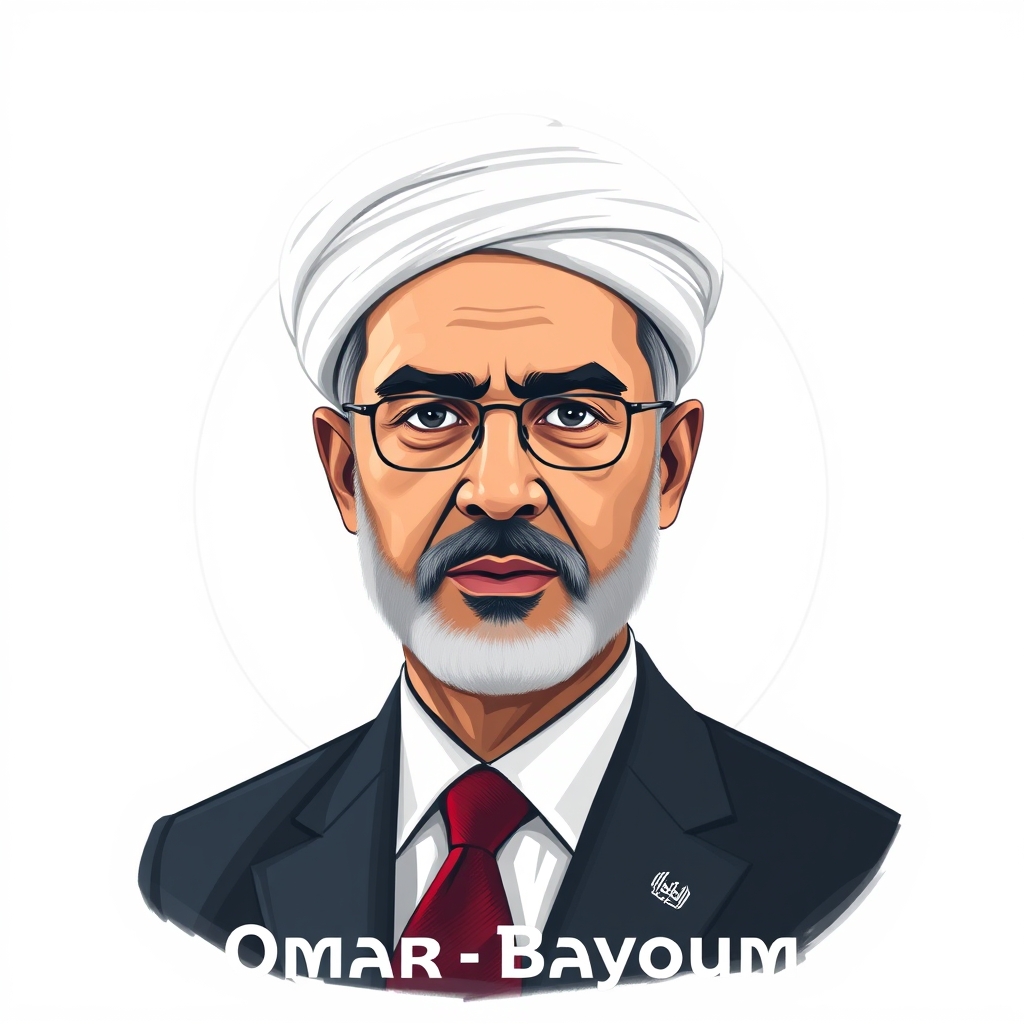
Omar al-Bayoumi
VS
FBI

Omar al-Bayoumi is a Saudi Arabian national who lived in San Diego, California, and was known for his hospitality toward two of the 9/11 hijackers, Nawaf al-Hazmi and Khalid al-Mihdhar, helping them settle in the United States.
The FBI is the primary federal law enforcement agency of the United States, responsible for investigating crimes and national security threats, including the 9/11 attacks.
Al-Bayoumi has consistently denied allegations that he was an extremist or a Saudi spy, while the FBI and the 9/11 Commission initially supported his account.
However, newly revealed evidence, including videos and an FBI report, suggests that the FBI may have failed to disclose information about al-Bayoumi's potential ties to Saudi intelligence, undermining his denials and raising questions about the FBI's handling of evidence.
The conflict centers on whether al-Bayoumi had links to extremism or Saudi intelligence, and whether the FBI improperly withheld evidence that could have clarified his role.
This dispute is part of a broader lawsuit by 9/11 families seeking accountability, and it has drawn congressional scrutiny over the FBI's failure to share key evidence with the 9/11 Commission and the CIA.
*AI-generated summary of publicly available data. This is not an official statement of any party.
*AI-generated summary of publicly available statements and reporting. This is not an official statement of this party.
Supporters of Omar al-Bayoumi argue that the FBI’s withheld videos reflect a cultural bias that presumes guilt against a Saudi Muslim, ignoring his documented community ties and hospitality as innocent acts.
Supporters of Omar al-Bayoumi argue that the FBI's withheld videos reveal a systemic cultural bias, casting a Saudi national as a scapegoat while shielding institutional failures.
Supporters of Omar al-Bayoumi counter that the FBI’s cultural framing of national security masks a disregard for due process, as withholding videos undermines the community’s trust in fair treatment under the law.
Supporters of Omar al-Bayoumi argue that the FBI’s failure to disclose the videos violates legal discovery obligations, undermining any fair adjudication of his denials.
Supporters of Omar al-Bayoumi argue that the FBI’s withheld evidence violates his legal right to a fair defense, as due process demands full disclosure of exculpatory material.
Supporters of Omar al-Bayoumi counter that the FBI’s reliance on privilege, absent any disclosed exculpatory evidence, undermines the rule of law, as due process requires a meaningful opportunity to challenge accusations, not blanket secrecy.
Supporters of Omar al-Bayoumi argue the FBI’s withheld videos expose a strategic scapegoat: after 25 years, the bureau leaks evidence not to reveal truth, but to shield its own failures by framing al-Bayoumi as the useful villain.
Supporters of Omar al-Bayoumi argue the FBI’s withheld videos prove a bureaucratic vendetta, not guilt, as 25 years of scrutiny yielded no charges.
Supporters of Omar al-Bayoumi counter that the FBI’s withheld videos are not proof of a ruse but evidence of selective release, where timing and framing serve the Bureau’s institutional interest in preserving a settled narrative, not uncovering truth.
Supporters of Omar al-Bayoumi argue that the FBI’s withheld evidence undermines the moral legitimacy of its 25-year accusations, as fairness demands full disclosure before judgment.
Supporters of Omar al-Bayoumi argue that withholding evidence for 25 years is a moral breach, and that his denials deserve scrutiny only after the FBI’s own failures are fully exposed.
Supporters of Omar al-Bayoumi counter that moral duty runs both ways, and that shielding unverified claims behind national security erodes the very trust the FBI demands; withholding evidence in a civil suit, they argue, abandons the ethical obligation to fairness and the presump.
Supporters of Omar al-Bayoumi argue that scripture teaches presumption of innocence until guilt is proven, and they see the FBI’s withheld evidence as a failure of just process that leaves his 25-year denials untested by fair judgment.
Supporters of Omar al-Bayoumi argue that his 25 years of denials reflect a man who trusts in divine justice, not human accusations, pointing to the FBI’s withheld videos as proof that earthly judgment has been clouded by incomplete evidence.
Supporters of Omar al-Bayoumi counter that divine justice, not procedural scrutiny, weighs the soul, and that the FBI’s lapses reveal a trust broken before God, not a shield of lawful order.
*AI-generated summary of publicly available statements and reporting. This is not an official statement of this party.
Supporters of the FBI argue that the agency’s actions reflect a cultural commitment to prioritizing national security over procedural disclosure, viewing the withheld videos as a protective measure, not a cover-up.
Supporters of the FBI argue that institutional memory, not malice, explains the delayed evidence, citing precedent where classified files are slowly declassified over decades to protect ongoing methods and sources.
Supporters of the FBI counter that cultural context cuts both ways, noting that Bayoumi’s hospitality patterns mirror documented Saudi intelligence tradecraft, a precedent seen in prior counterterrorism cases.
Supporters of the FBI argue that nondisclosure in civil litigation does not prove al-Bayoumi’s guilt, and that lawful rules of evidence and national-security privilege govern what may be shared.
Supporters of the FBI argue that its legal duty is to share only evidence admissible under court rules, not speculative material, and that procedural gaps do not prove al-Bayoumi’s extremist ties.
Supporters of the FBI counter that discovery obligations apply only to exculpatory evidence material to guilt or innocence, and these videos were neither withheld in bad faith nor relevant to al-Bayoumi’s core legal claims, making the nondisclosure a procedural, not substantive.
Supporters of the FBI argue the withheld videos prove al-Bayoumi’s denials were always a calculated ruse, exposing 25 years of manipulation that the Bureau’s strategic silence quietly contained.
Supporters of the FBI argue that Omar al-Bayoumi’s denials collapse under revealed evidence, and that withholding material was a calculated, pragmatic move to protect ongoing operations, not a sign of weakness.
Supporters of FBI counter that the videos surface now to correct a flawed narrative, not to manufacture one; al-Bayoumi’s own documented ties to hijackers, not bureau timing, drive the case’s weight.
Supporters of the FBI argue that its agents acted in good faith to protect national security, and that withholding unverified material in a civil suit reflects a moral duty to prioritize public safety over procedural disclosure.
Supporters of the FBI argue that its agents acted in moral good faith, prioritizing national security and protecting sources, and that any failure to share evidence reflects procedural judgment, not malice.
Supporters of the FBI counter that moral legitimacy rests on protecting national security, not full disclosure, as revealing all evidence could endanger sources and methods.
Supporters of the FBI argue that the agency’s procedural lapses in sharing evidence do not prove Omar al-Bayoumi’s guilt, and they uphold the bureau’s role as a guardian of lawful order.
Supporters of the FBI argue that withheld evidence serves national security, preserving order over courtroom disclosure; they see divine justice in lawful process, not public spectacle.
Supporters of the FBI counter that scripture also commands obedience to lawful authority, and their case rests on evidence withheld for national security, not prejudice.
AI-generated summary of publicly available statements and reporting. This is not an official statement of this party.
Supporters of Omar al-Bayoumi argue that the FBI’s withheld videos reflect a cultural bias that presumes guilt against a Saudi Muslim, ignoring his documented community ties and hospitality as innocent acts.
Supporters of Omar al-Bayoumi argue that the FBI's withheld videos reveal a systemic cultural bias, casting a Saudi national as a scapegoat while shielding institutional failures.
Supporters of Omar al-Bayoumi counter that the FBI’s cultural framing of national security masks a disregard for due process, as withholding videos undermines the community’s trust in fair treatment under the law.
Supporters of Omar al-Bayoumi argue that the FBI’s failure to disclose the videos violates legal discovery obligations, undermining any fair adjudication of his denials.
Supporters of Omar al-Bayoumi argue that the FBI’s withheld evidence violates his legal right to a fair defense, as due process demands full disclosure of exculpatory material.
Supporters of Omar al-Bayoumi counter that the FBI’s reliance on privilege, absent any disclosed exculpatory evidence, undermines the rule of law, as due process requires a meaningful opportunity to challenge accusations, not blanket secrecy.
Supporters of Omar al-Bayoumi argue the FBI’s withheld videos expose a strategic scapegoat: after 25 years, the bureau leaks evidence not to reveal truth, but to shield its own failures by framing al-Bayoumi as the useful villain.
Supporters of Omar al-Bayoumi argue the FBI’s withheld videos prove a bureaucratic vendetta, not guilt, as 25 years of scrutiny yielded no charges.
Supporters of Omar al-Bayoumi counter that the FBI’s withheld videos are not proof of a ruse but evidence of selective release, where timing and framing serve the Bureau’s institutional interest in preserving a settled narrative, not uncovering truth.
Supporters of Omar al-Bayoumi argue that the FBI’s withheld evidence undermines the moral legitimacy of its 25-year accusations, as fairness demands full disclosure before judgment.
Supporters of Omar al-Bayoumi argue that withholding evidence for 25 years is a moral breach, and that his denials deserve scrutiny only after the FBI’s own failures are fully exposed.
Supporters of Omar al-Bayoumi counter that moral duty runs both ways, and that shielding unverified claims behind national security erodes the very trust the FBI demands; withholding evidence in a civil suit, they argue, abandons the ethical obligation to fairness and the presump.
Supporters of Omar al-Bayoumi argue that scripture teaches presumption of innocence until guilt is proven, and they see the FBI’s withheld evidence as a failure of just process that leaves his 25-year denials untested by fair judgment.
Supporters of Omar al-Bayoumi argue that his 25 years of denials reflect a man who trusts in divine justice, not human accusations, pointing to the FBI’s withheld videos as proof that earthly judgment has been clouded by incomplete evidence.
Supporters of Omar al-Bayoumi counter that divine justice, not procedural scrutiny, weighs the soul, and that the FBI’s lapses reveal a trust broken before God, not a shield of lawful order.
Supporters of the FBI argue that the agency’s actions reflect a cultural commitment to prioritizing national security over procedural disclosure, viewing the withheld videos as a protective measure, not a cover-up.
Supporters of the FBI argue that institutional memory, not malice, explains the delayed evidence, citing precedent where classified files are slowly declassified over decades to protect ongoing methods and sources.
Supporters of the FBI counter that cultural context cuts both ways, noting that Bayoumi’s hospitality patterns mirror documented Saudi intelligence tradecraft, a precedent seen in prior counterterrorism cases.
Supporters of the FBI argue that nondisclosure in civil litigation does not prove al-Bayoumi’s guilt, and that lawful rules of evidence and national-security privilege govern what may be shared.
Supporters of the FBI argue that its legal duty is to share only evidence admissible under court rules, not speculative material, and that procedural gaps do not prove al-Bayoumi’s extremist ties.
Supporters of the FBI counter that discovery obligations apply only to exculpatory evidence material to guilt or innocence, and these videos were neither withheld in bad faith nor relevant to al-Bayoumi’s core legal claims, making the nondisclosure a procedural, not substantive.
Supporters of the FBI argue the withheld videos prove al-Bayoumi’s denials were always a calculated ruse, exposing 25 years of manipulation that the Bureau’s strategic silence quietly contained.
Supporters of the FBI argue that Omar al-Bayoumi’s denials collapse under revealed evidence, and that withholding material was a calculated, pragmatic move to protect ongoing operations, not a sign of weakness.
Supporters of FBI counter that the videos surface now to correct a flawed narrative, not to manufacture one; al-Bayoumi’s own documented ties to hijackers, not bureau timing, drive the case’s weight.
Supporters of the FBI argue that its agents acted in good faith to protect national security, and that withholding unverified material in a civil suit reflects a moral duty to prioritize public safety over procedural disclosure.
Supporters of the FBI argue that its agents acted in moral good faith, prioritizing national security and protecting sources, and that any failure to share evidence reflects procedural judgment, not malice.
Supporters of the FBI counter that moral legitimacy rests on protecting national security, not full disclosure, as revealing all evidence could endanger sources and methods.
Supporters of the FBI argue that the agency’s procedural lapses in sharing evidence do not prove Omar al-Bayoumi’s guilt, and they uphold the bureau’s role as a guardian of lawful order.
Supporters of the FBI argue that withheld evidence serves national security, preserving order over courtroom disclosure; they see divine justice in lawful process, not public spectacle.
Supporters of the FBI counter that scripture also commands obedience to lawful authority, and their case rests on evidence withheld for national security, not prejudice.
New videos and evidence revealed that the FBI failed to share in the 9/11 lawsuit.
Senators Blumenthal and Cornyn issued a press release calling on the FBI to explain its decades-long failure to disclose key 9/11 evidence about Omar al-Bayoumi to the 9/11 Commission and the CIA.
ProPublica published an article detailing a 9/11 family lawsuit focusing on Omar al-Bayoumi, noting that both the FBI and the 9/11 Commission had supported his account, dismissing suspicions from agents who thought he might be a Saudi spy.
A 28-page FBI report, known as the 'Encore report,' was released, indicating that al-Bayoumi could have been a Saudi intelligence asset.
A declassified congressional report cited FBI documents showing that al-Bayoumi's pay increased during the time al-Hazmi and al-Mihdhar were in the United States.