Opposition parties

VS
Narendra Modi
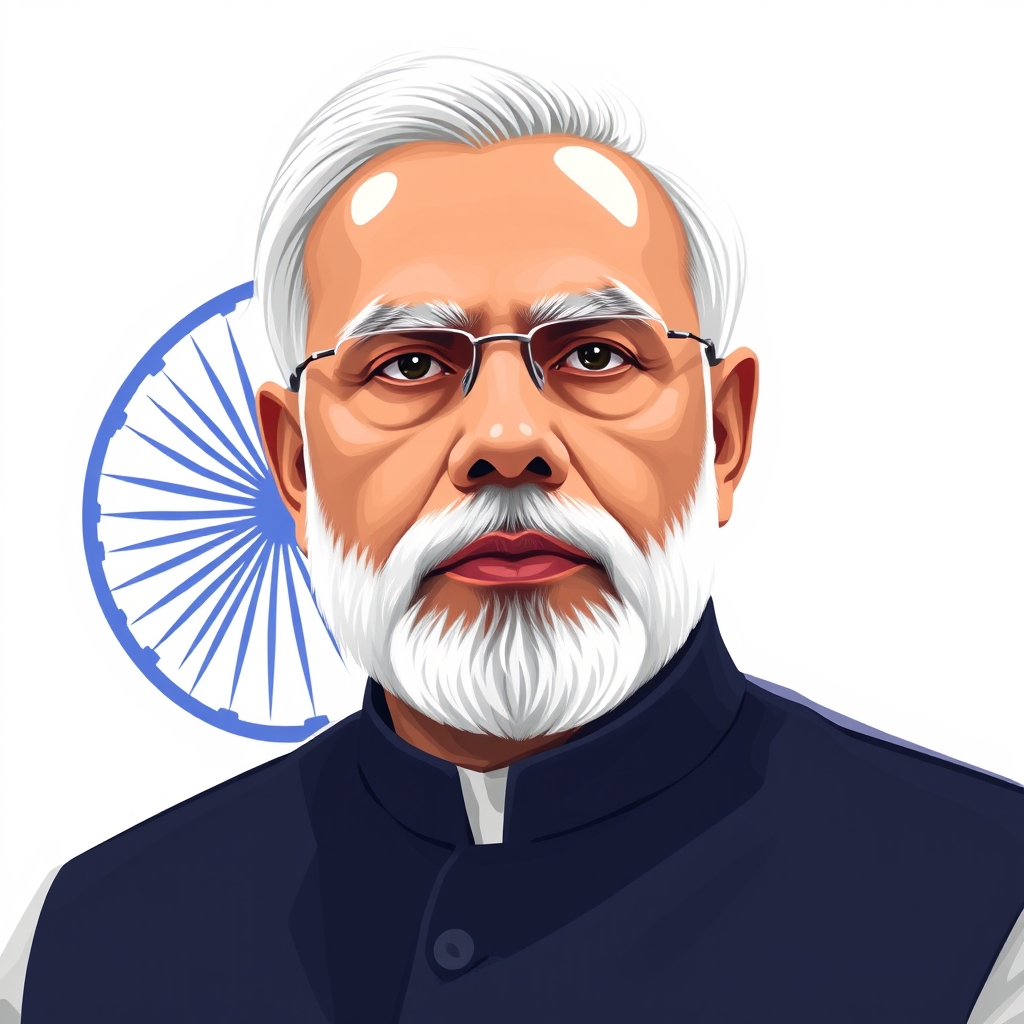
Opposition parties are protesting alleged 'vote theft' by the Election Commission, while Prime Minister Narendra Modi celebrates 25 years in public service.
The protests have led to increased security around the Election Commission of India.
*AI-generated summary of publicly available data. This is not an official statement of any party.
*AI-generated summary of publicly available statements and reporting. This is not an official statement of this party.
Supporters of Opposition parties argue that electoral integrity is a pillar of India's constitutional culture, and that questioning the Election Commission's conduct is a civic duty, not disloyalty.
Supporters of Opposition parties argue that protests defending the integrity of India's electoral process are a civic duty, insisting that inherited democratic institutions must be safeguarded for future generations.
Supporters of Opposition parties counter that 25 years in office has concentrated cultural authority in one figure, weakening the inherited pluralism of India's democratic traditions.
Supporters of Opposition parties argue that electoral integrity is a legal right, and they maintain that alleged vote theft by the Election Commission demands an independent, transparent inquiry to uphold fair representation under the law.
Supporters of Opposition parties argue that legal safeguards require an independent election body, and they cite alleged vote theft as evidence that the Election Commission must be held accountable under the law.
Supporters of Opposition parties counter that the presumption of integrity doesn't bar citizens from protesting alleged fraud, since peaceful assembly is itself a fundamental right, not a substitute for legal remedy.
Supporters of Opposition parties argue that protesting alleged vote theft is a necessary power play: it pressures the Election Commission, mobilizes their base, and reframes Modi's 25-year milestone as a distraction from electoral integrity.
Opposition supporters argue the vote-theft protests are leverage: by contesting the Election Commission's credibility, they aim to force concessions and rally allies, since power, not principle, decides who counts the votes.
Supporters of Opposition parties counter that decrying vote-theft is itself leverage: naming an electoral machine dominant concedes the field, so the protest forces the machinery to defend its legitimacy rather than campaign on delivery.
Supporters of Opposition parties argue that a quarter-century in power risks entrenching those who oversee elections, so they frame protest as a moral duty to protect every citizen's vote from institutional capture.
Supporters of Opposition parties argue that a democracy's moral legitimacy rests on trust in its referees, and that history judges harshly those who let partisan triumph eclipse an impartial vote.
Opposition supporters counter that a moral commitment to democracy means protecting citizens' right to dissent, not equating lawful protest with disrespect for institutions; history shows besieging power is sometimes the only recourse.
Supporters of Opposition parties invoke the scriptural command to pursue justice and defend the oppressed, arguing that fair elections are a moral duty and that alleged vote theft by the Election Commission betrays the sacred trust of the people.
Supporters of Opposition parties argue that protecting every citizen's vote is a sacred moral duty, insisting the Election Commission answer alleged vote theft, since scripture condemns unjust scales and stolen judgment.
Opposition parties counter that sacred duty belongs to God alone, and that stability enforced by one man risks idolatry; scripture warns against trusting princes, not exalting them.
*AI-generated summary of publicly available statements and reporting. This is not an official statement of this party.
Supporters of Narendra Modi frame his 25 years in public service as cultural proof that continuity and institutional trust, not protest, sustain Indian democracy.
Supporters of Narendra Modi frame his 25 years of public service as a cultural testament to continuity and national pride, contrasting it with opposition protests they view as a challenge to established electoral traditions.
Supporters of Narendra Modi counter that India's electoral culture rests on accepting outcomes and institutions, and note that the same Congress that now questions the Election Commission once refused to do so during the Emergency.
Supporters of Narendra Modi argue that India's electoral law presumes the Election Commission's integrity, and that fraud claims must be proven through designated legal channels, not street protests, since no court has validated the vote theft allegations.
Supporters of Narendra Modi argue the Election Commission is a constitutionally independent body, so allegations of vote theft must be proven through legal challenge, not street protest.
Supporters of Narendra Modi counter that the Election Commission is a constitutional body whose processes are already governed by law, so electoral integrity claims belong before the courts, not unverified public allegations.
Supporters of Narendra Modi argue the opposition’s vote-theft protests are a leverage play to delegitimize a dominant electoral machine, noting Modi marks 25 years in public service while rivals lack comparable ground organization.
Supporters of Narendra Modi argue the opposition's vote-theft protests are a power play timed to undercut his 25-year milestone, noting electoral machinery favors no one and grievances belong in court, not the streets.
Supporters of Narendra Modi counter that street protests over vote theft hand the ECI a pretext to be seen as yielding to pressure, while letting Modi claim the stability mantle—so the opposition trades institutional leverage for applause.
Supporters of Narendra Modi argue that peaceful protest must respect lawful institutions, not besiege them; they maintain that 25 years of public service shows a moral commitment to democratic continuity.
Supporters of Narendra Modi argue that his 25 years of public service show a moral commitment to democratic continuity, and that allegations of vote theft should be resolved through lawful institutions, not street pressure on the Election Commission.
Supporters of Narendra Modi counter that a strong electoral mandate is itself the moral foundation of democratic legitimacy, and that repeated re-election reflects the people's sovereign will rather than any capture of institutions.
Supporters of Narendra Modi frame his 25 years of public service as a sacred duty fulfilled, arguing that stability and order are religious virtues that sustain the nation's inherited moral fabric.
Supporters of Narendra Modi frame his 25 years of public service as a testament to ordered, steady governance, arguing that respect for established institutions like the Election Commission upholds the social harmony and continuity that faith traditions prize.
Supporters of Narendra Modi counter that the shastras also command obedience to lawful authority, and that faith in the Election Commission as an institution, not unproven allegations, preserves dharma and public order.
AI-generated summary of publicly available statements and reporting. This is not an official statement of this party.
Supporters of Opposition parties argue that electoral integrity is a pillar of India's constitutional culture, and that questioning the Election Commission's conduct is a civic duty, not disloyalty.
Supporters of Opposition parties argue that protests defending the integrity of India's electoral process are a civic duty, insisting that inherited democratic institutions must be safeguarded for future generations.
Supporters of Opposition parties counter that 25 years in office has concentrated cultural authority in one figure, weakening the inherited pluralism of India's democratic traditions.
Supporters of Opposition parties argue that electoral integrity is a legal right, and they maintain that alleged vote theft by the Election Commission demands an independent, transparent inquiry to uphold fair representation under the law.
Supporters of Opposition parties argue that legal safeguards require an independent election body, and they cite alleged vote theft as evidence that the Election Commission must be held accountable under the law.
Supporters of Opposition parties counter that the presumption of integrity doesn't bar citizens from protesting alleged fraud, since peaceful assembly is itself a fundamental right, not a substitute for legal remedy.
Supporters of Opposition parties argue that protesting alleged vote theft is a necessary power play: it pressures the Election Commission, mobilizes their base, and reframes Modi's 25-year milestone as a distraction from electoral integrity.
Opposition supporters argue the vote-theft protests are leverage: by contesting the Election Commission's credibility, they aim to force concessions and rally allies, since power, not principle, decides who counts the votes.
Supporters of Opposition parties counter that decrying vote-theft is itself leverage: naming an electoral machine dominant concedes the field, so the protest forces the machinery to defend its legitimacy rather than campaign on delivery.
Supporters of Opposition parties argue that a quarter-century in power risks entrenching those who oversee elections, so they frame protest as a moral duty to protect every citizen's vote from institutional capture.
Supporters of Opposition parties argue that a democracy's moral legitimacy rests on trust in its referees, and that history judges harshly those who let partisan triumph eclipse an impartial vote.
Opposition supporters counter that a moral commitment to democracy means protecting citizens' right to dissent, not equating lawful protest with disrespect for institutions; history shows besieging power is sometimes the only recourse.
Supporters of Opposition parties invoke the scriptural command to pursue justice and defend the oppressed, arguing that fair elections are a moral duty and that alleged vote theft by the Election Commission betrays the sacred trust of the people.
Supporters of Opposition parties argue that protecting every citizen's vote is a sacred moral duty, insisting the Election Commission answer alleged vote theft, since scripture condemns unjust scales and stolen judgment.
Opposition parties counter that sacred duty belongs to God alone, and that stability enforced by one man risks idolatry; scripture warns against trusting princes, not exalting them.
Supporters of Narendra Modi frame his 25 years in public service as cultural proof that continuity and institutional trust, not protest, sustain Indian democracy.
Supporters of Narendra Modi frame his 25 years of public service as a cultural testament to continuity and national pride, contrasting it with opposition protests they view as a challenge to established electoral traditions.
Supporters of Narendra Modi counter that India's electoral culture rests on accepting outcomes and institutions, and note that the same Congress that now questions the Election Commission once refused to do so during the Emergency.
Supporters of Narendra Modi argue that India's electoral law presumes the Election Commission's integrity, and that fraud claims must be proven through designated legal channels, not street protests, since no court has validated the vote theft allegations.
Supporters of Narendra Modi argue the Election Commission is a constitutionally independent body, so allegations of vote theft must be proven through legal challenge, not street protest.
Supporters of Narendra Modi counter that the Election Commission is a constitutional body whose processes are already governed by law, so electoral integrity claims belong before the courts, not unverified public allegations.
Supporters of Narendra Modi argue the opposition’s vote-theft protests are a leverage play to delegitimize a dominant electoral machine, noting Modi marks 25 years in public service while rivals lack comparable ground organization.
Supporters of Narendra Modi argue the opposition's vote-theft protests are a power play timed to undercut his 25-year milestone, noting electoral machinery favors no one and grievances belong in court, not the streets.
Supporters of Narendra Modi counter that street protests over vote theft hand the ECI a pretext to be seen as yielding to pressure, while letting Modi claim the stability mantle—so the opposition trades institutional leverage for applause.
Supporters of Narendra Modi argue that peaceful protest must respect lawful institutions, not besiege them; they maintain that 25 years of public service shows a moral commitment to democratic continuity.
Supporters of Narendra Modi argue that his 25 years of public service show a moral commitment to democratic continuity, and that allegations of vote theft should be resolved through lawful institutions, not street pressure on the Election Commission.
Supporters of Narendra Modi counter that a strong electoral mandate is itself the moral foundation of democratic legitimacy, and that repeated re-election reflects the people's sovereign will rather than any capture of institutions.
Supporters of Narendra Modi frame his 25 years of public service as a sacred duty fulfilled, arguing that stability and order are religious virtues that sustain the nation's inherited moral fabric.
Supporters of Narendra Modi frame his 25 years of public service as a testament to ordered, steady governance, arguing that respect for established institutions like the Election Commission upholds the social harmony and continuity that faith traditions prize.
Supporters of Narendra Modi counter that the shastras also command obedience to lawful authority, and that faith in the Election Commission as an institution, not unproven allegations, preserves dharma and public order.