Opposition rally victims

VS
Ruling APC party

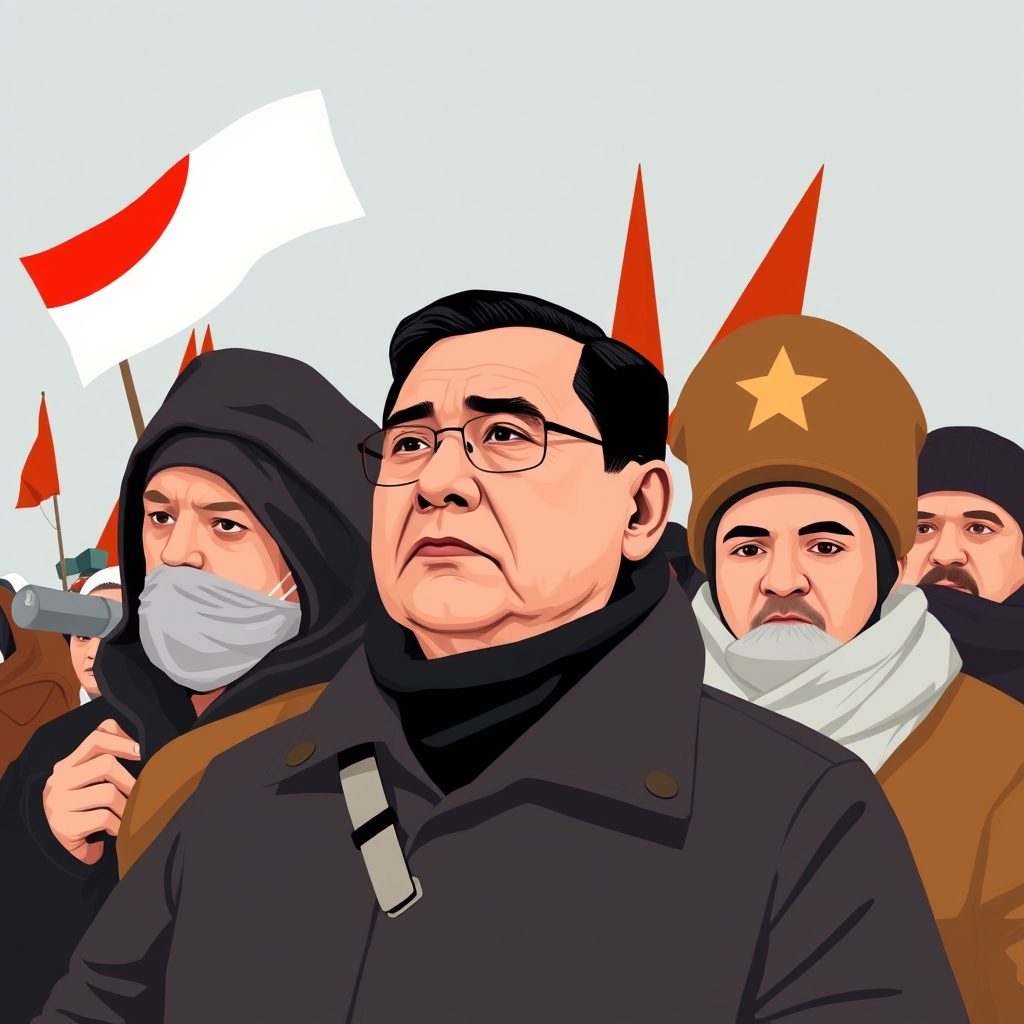
A group of armed men attacked an opposition campaign rally in Lagos ahead of Nigeria's presidential elections, also targeting journalists.
Victims have pointed fingers at the ruling APC party, which the article does not explicitly confirm or deny.
*AI-generated summary of publicly available data. This is not an official statement of any party.
*AI-generated summary of publicly available statements and reporting. This is not an official statement of this party.
Supporters of the Opposition rally victims argue that the attack on a campaign rally and on journalists violates Nigeria’s inherited democratic norms of free assembly and a protected press, and they maintain that holding the ruling APC party accountable is essential to preserving.
Supporters of the Opposition rally victims argue that armed attacks on campaign rallies and journalists violate Nigeria’s democratic norms and inherited tradition of free political assembly, and they maintain that the ruling APC party must answer for the violence.
Supporters of the Opposition rally victims counter that casting victims as sympathy-seekers is itself a familiar cultural tactic that deflects scrutiny from the ruling party and discourages public sympathy for those harmed.
Supporters of the Opposition rally victims argue that the armed attack on a peaceful rally and journalists violates Nigerian law and international human-rights standards, and they maintain that the APC's alleged role demands an independent investigation.
Supporters of the Opposition rally victims argue that the armed attack on a campaign rally and journalists violates Nigeria's electoral law and constitutional protections, and they maintain that the APC must be held legally accountable if its alleged involvement is proven.
Supporters of the Opposition rally victims counter that legal liability need not rest on direct proof alone—command responsibility and failure-to-protect duties can attach where authorities enabled or failed to prevent foreseeable violence.
Supporters of the Opposition rally victims argue that blaming the ruling APC serves their goal: with the election near, naming a powerful culprit forces the attack onto the national agenda and pressures authorities to act.
Supporters of the Opposition rally victims argue that blaming the APC costs nothing and pressures the ruling party, since unverified accusations still shift power and force denials.
Supporters of the Opposition rally victims counter that demanding evidence first is itself the power move, since whoever controls the investigation controls what counts as proof.
Supporters of the Opposition rally victims argue that attacking a peaceful rally with axes and machetes violates the victims' liberty and autonomy, and they maintain that holding the ruling APC party morally accountable is essential to protecting free political association.
Supporters of the Opposition rally victims argue that blaming an entire party without evidence violates due process and individual responsibility, and that moral judgment must rest on proven facts, not political accusation.
Supporters of the Opposition rally victims counter that demanding proof from victims while the state controls the investigation inverts the moral burden, since a government that fails to protect peaceful assembly owes accountability regardless of prosecutorial outcomes.
Supporters of the Opposition rally victims invoke the moral duty to protect the innocent and the sanctity of the electoral process, arguing that a party claiming to govern must answer for violence blamed on it.
Supporters of the Opposition rally victims invoke scripture's call to defend the innocent, arguing that a party claiming righteous governance must answer for violence against peaceful ralliers and journalists.
Supporters of Opposition rally victims counter that scripture commands justice for the oppressed, citing Quran 4:135's call to stand firm for justice even against one's own kin, and argue that invoking due process while victims remain unhealed risks making peace a pretext for imp.
*AI-generated summary of publicly available statements and reporting. This is not an official statement of this party.
Supporters of the ruling APC party argue that blaming them for the Lagos rally attack reflects a familiar cultural pattern in Nigerian politics: opposition groups casting violence as government conspiracy to win sympathy, a charge they say lacks evidence.
Supporters of the Ruling APC party argue that blaming it for the Lagos rally attack reflects old Nigerian political habits of assigning violence to rivals without proof, a precedent they say should not substitute for evidence.
Supporters of the Ruling APC party counter that Nigeria's democratic norms have always been shaped by local institutions and traditions, not inherited templates, and that the party remains committed to lawful assembly and press freedom.
Supporters of the Ruling APC party argue that blaming the party for the Lagos rally attack is legally baseless, since no evidence ties it to the armed men and guilt must be proven, not assumed.
Supporters of the Ruling APC party argue that blame for the Lagos rally attack must be established through due legal process, not public accusation, and that no party should be condemned absent verified evidence.
Supporters of the Ruling APC party counter that the call for an independent probe presumes guilt before evidence, arguing that Nigeria's legal process requires due process and that lawful security agencies, not political accusations, must determine culpability.
Supporters of the Ruling APC party argue that unproven blame after a violent rally attack is itself a power move, and that accusers must produce evidence before naming the party.
Supporters of the Ruling APC party argue that blame without verified evidence is itself a political weapon, and that a party holding power has no incentive to invite the scrutiny an attack would bring.
Supporters of the ruling APC party counter that urgency cuts both ways: proximity to the election gives the opposition its own incentive to frame any violence as the government's doing, making the accusation itself a campaign instrument rather than a neutral account of events.
Supporters of the ruling APC party argue that blaming the party for the Lagos rally attack without evidence is unjust, maintaining that guilt must be proven through lawful investigation rather than assigned by accusation.
Supporters of the Ruling APC party argue that blame for the Lagos rally attack rests on unproven accusations, and that condemning the party without verified evidence is unjust.
Supporters of the Ruling APC party counter that moral accountability requires condemning all political violence equally, arguing that assigning blame to the party before any verified finding risks prejudging the matter and undermining fair process.
Supporters of the Ruling APC party invoke the religious duty of due process, arguing that blame for the Lagos rally attack must rest on verified evidence, not accusation, and that peace and order are sacred trusts.
Supporters of the Ruling APC party invoke the moral duty of restraint and condemn violence against journalists, while urging that blame be left to lawful investigation and the courts rather than political accusation.
Supporters of Ruling APC party counter that judgment belongs to God alone, and that leaders who submit to divine authority bear a sacred duty of peace, not blame cast before the facts are fully established.
AI-generated summary of publicly available statements and reporting. This is not an official statement of this party.
Supporters of the Opposition rally victims argue that the attack on a campaign rally and on journalists violates Nigeria’s inherited democratic norms of free assembly and a protected press, and they maintain that holding the ruling APC party accountable is essential to preserving.
Supporters of the Opposition rally victims argue that armed attacks on campaign rallies and journalists violate Nigeria’s democratic norms and inherited tradition of free political assembly, and they maintain that the ruling APC party must answer for the violence.
Supporters of the Opposition rally victims counter that casting victims as sympathy-seekers is itself a familiar cultural tactic that deflects scrutiny from the ruling party and discourages public sympathy for those harmed.
Supporters of the Opposition rally victims argue that the armed attack on a peaceful rally and journalists violates Nigerian law and international human-rights standards, and they maintain that the APC's alleged role demands an independent investigation.
Supporters of the Opposition rally victims argue that the armed attack on a campaign rally and journalists violates Nigeria's electoral law and constitutional protections, and they maintain that the APC must be held legally accountable if its alleged involvement is proven.
Supporters of the Opposition rally victims counter that legal liability need not rest on direct proof alone—command responsibility and failure-to-protect duties can attach where authorities enabled or failed to prevent foreseeable violence.
Supporters of the Opposition rally victims argue that blaming the ruling APC serves their goal: with the election near, naming a powerful culprit forces the attack onto the national agenda and pressures authorities to act.
Supporters of the Opposition rally victims argue that blaming the APC costs nothing and pressures the ruling party, since unverified accusations still shift power and force denials.
Supporters of the Opposition rally victims counter that demanding evidence first is itself the power move, since whoever controls the investigation controls what counts as proof.
Supporters of the Opposition rally victims argue that attacking a peaceful rally with axes and machetes violates the victims' liberty and autonomy, and they maintain that holding the ruling APC party morally accountable is essential to protecting free political association.
Supporters of the Opposition rally victims argue that blaming an entire party without evidence violates due process and individual responsibility, and that moral judgment must rest on proven facts, not political accusation.
Supporters of the Opposition rally victims counter that demanding proof from victims while the state controls the investigation inverts the moral burden, since a government that fails to protect peaceful assembly owes accountability regardless of prosecutorial outcomes.
Supporters of the Opposition rally victims invoke the moral duty to protect the innocent and the sanctity of the electoral process, arguing that a party claiming to govern must answer for violence blamed on it.
Supporters of the Opposition rally victims invoke scripture's call to defend the innocent, arguing that a party claiming righteous governance must answer for violence against peaceful ralliers and journalists.
Supporters of Opposition rally victims counter that scripture commands justice for the oppressed, citing Quran 4:135's call to stand firm for justice even against one's own kin, and argue that invoking due process while victims remain unhealed risks making peace a pretext for imp.
Supporters of the ruling APC party argue that blaming them for the Lagos rally attack reflects a familiar cultural pattern in Nigerian politics: opposition groups casting violence as government conspiracy to win sympathy, a charge they say lacks evidence.
Supporters of the Ruling APC party argue that blaming it for the Lagos rally attack reflects old Nigerian political habits of assigning violence to rivals without proof, a precedent they say should not substitute for evidence.
Supporters of the Ruling APC party counter that Nigeria's democratic norms have always been shaped by local institutions and traditions, not inherited templates, and that the party remains committed to lawful assembly and press freedom.
Supporters of the Ruling APC party argue that blaming the party for the Lagos rally attack is legally baseless, since no evidence ties it to the armed men and guilt must be proven, not assumed.
Supporters of the Ruling APC party argue that blame for the Lagos rally attack must be established through due legal process, not public accusation, and that no party should be condemned absent verified evidence.
Supporters of the Ruling APC party counter that the call for an independent probe presumes guilt before evidence, arguing that Nigeria's legal process requires due process and that lawful security agencies, not political accusations, must determine culpability.
Supporters of the Ruling APC party argue that unproven blame after a violent rally attack is itself a power move, and that accusers must produce evidence before naming the party.
Supporters of the Ruling APC party argue that blame without verified evidence is itself a political weapon, and that a party holding power has no incentive to invite the scrutiny an attack would bring.
Supporters of the ruling APC party counter that urgency cuts both ways: proximity to the election gives the opposition its own incentive to frame any violence as the government's doing, making the accusation itself a campaign instrument rather than a neutral account of events.
Supporters of the ruling APC party argue that blaming the party for the Lagos rally attack without evidence is unjust, maintaining that guilt must be proven through lawful investigation rather than assigned by accusation.
Supporters of the Ruling APC party argue that blame for the Lagos rally attack rests on unproven accusations, and that condemning the party without verified evidence is unjust.
Supporters of the Ruling APC party counter that moral accountability requires condemning all political violence equally, arguing that assigning blame to the party before any verified finding risks prejudging the matter and undermining fair process.
Supporters of the Ruling APC party invoke the religious duty of due process, arguing that blame for the Lagos rally attack must rest on verified evidence, not accusation, and that peace and order are sacred trusts.
Supporters of the Ruling APC party invoke the moral duty of restraint and condemn violence against journalists, while urging that blame be left to lawful investigation and the courts rather than political accusation.
Supporters of Ruling APC party counter that judgment belongs to God alone, and that leaders who submit to divine authority bear a sacred duty of peace, not blame cast before the facts are fully established.
Men armed with axes, clubs, and machetes attacked an opposition rally, also attacking journalists; victims blamed the ruling APC party.