Pakistan

VS
Iran
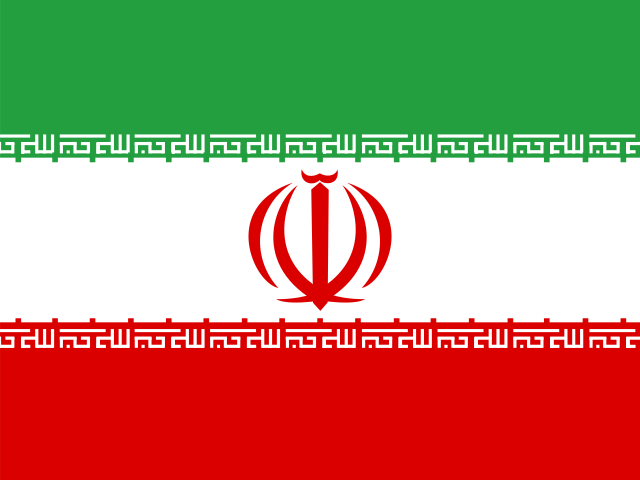
Pakistan has suspended border trade with Iran, citing security concerns, while Iran attributes the suspension to technical issues.
The move comes amid violence on both sides of the border and as Pakistan mediates between Iran and the US.
*AI-generated summary of publicly available data. This is not an official statement of any party.
*AI-generated summary of publicly available statements and reporting. This is not an official statement of this party.
Supporters of Pakistan’s position frame the suspension as defense of border communities’ security and national sovereignty, arguing that upholding order and protecting citizens must take precedence over trade continuity.
Supporters of Pakistan's position frame the suspension as defense of cultural sovereignty and border order, arguing that security concerns tied to cross-border violence justify protecting local communities and traditions over trade.
Supporters of Pakistan counter that the shared culture invoked is inseparable from the Islamic identity that gave Pakistan its founding basis, and that safeguarding the state's ideological and territorial integrity takes precedence over cross-border communal bonds.
Supporters of Pakistan argue that Islamabad has a lawful sovereign right to suspend border trade when security conditions warrant, framing the move as a domestic security measure rather than a breach of any bilateral obligation to Iran.
Supporters of Pakistan argue the trade suspension is a lawful sovereign act under border-security doctrine, maintaining that states may restrict commerce at restive frontiers to protect citizens.
Supporters of Pakistan counter that states retain sovereign authority to restrict cross-border movement on national security grounds, and that such measures are lawful when grounded in domestic border-control statutes rather than requiring prior bilateral consent.
Supporters of Pakistan argue the suspension is leverage: by framing it as a security necessity, Islamabad signals to Tehran that border stability is a precondition for cooperation, strengthening its hand as mediator between Iran and the US.
Supporters of Pakistan argue the trade suspension is leverage, not a technicality: by holding border commerce while mediating between Iran and the US, Islamabad signals that security cooperation carries a price.
Supporters of Pakistan counter that security and leverage are inseparable: closing trade routes raises the cost of Iran’s mediation gambit, and Islamabad’s stated concerns hold only because it can credibly impose them.
Supporters of Pakistan argue that, morally, a state bears a duty to protect its citizens and border communities, so suspending trade over security concerns is a responsible exercise of sovereignty.
Supporters of Pakistan argue that pausing border trade is a morally defensible duty to protect communities from cross-border violence, maintaining that security concerns must come before commerce.
Supporters of Pakistan counter that dismissing security concerns as pretext ignores Islamabad's duty to protect its own citizens, arguing that a state mediating peace cannot be expected to leave its border communities exposed to cross-border militancy.
Supporters of Pakistan argue that defending the border is a religious duty to protect Muslim lives and uphold state authority, and they maintain that security concerns justify the trade suspension.
Supporters of Pakistan argue that safeguarding the border is a religious duty to protect Muslim lives from militant violence, framing security concerns as consistent with Islamic teachings on preserving order.
Supporters of Pakistan counter that Islamic duties of neighborliness also bind rulers to protect their own people and honor lawful covenants, so a state may suspend trade when security and agreements are at stake.
*AI-generated summary of publicly available statements and reporting. This is not an official statement of this party.
Supporters of Iran invoke a history of mutual cross-border cultural ties, arguing that Pakistan's security justification masks external pressure and that border closures sever longstanding community bonds.
Supporters of Iran argue that Islamabad's "security concerns" echo a long history of using border closures as leverage, and they see the timing—during Pakistan's mediation—as a cultural signal of distrust rather than a technical matter.
Supporters of Iran counter that border communities share kinship, language, and trade ties across the frontier, so sealing crossings to impose order disrupts the cultural fabric those communities have sustained for generations.
Supporters of Iran argue that no legal justification supports suspending cross-border trade, and they maintain that security claims must be documented under bilateral or international law rather than invoked unilaterally.
Supporters of Iran argue that invoking security concerns to suspend border trade lacks a transparent legal basis under bilateral trade agreements, and they maintain that such measures require documented justification rather than unilateral action.
Supporters of Iran counter that a bilateral trade agreement binds Pakistan to specific obligations, and that invoking domestic security unilaterally does not override those treaty commitments.
Supporters of Iran argue that Pakistan’s “security” rationale is a coercive lever, using the trade closure to extract concessions while Tehran mediates with Washington—casting Islamabad’s stated concerns as leverage, not cause.
Supporters of Iran argue that Pakistan's "technical issues" framing is a pretext, reading the trade suspension as leverage to extract concessions while Islamabad holds the mediator's seat between Iran and the US.
Supporters of Iran counter that a mediator who suspends cooperation to gain leverage has shown Tehran its border card cuts both ways, and that Islamabad’s need for calm frontiers outweighs any broker role.
Supporters of Iran argue that Islamabad’s security rationale is a pretext, since Tehran attributes the suspension to technical issues and sees it as pressure applied while Pakistan mediates between Iran and the US.
Supporters of Iran argue that Pakistan is morally inconsistent in invoking security to halt trade while simultaneously claiming neutrality as a mediator between Iran and the US.
Supporters of Iran counter that a moral duty to protect citizens cannot justify collective punishment of border communities, arguing that suspending trade harms the very people Pakistan claims to shield and that sovereignty carries an obligation not to inflict hardship on civilia.
Supporters of Iran argue that Pakistan’s border-trade suspension violates Islamic duties of neighborliness and mutual aid, citing Quranic injunctions to uphold justice and keep covenants even amid dispute.
Supporters of Iran invoke the Quranic command to honor treaties (Surah Al-Ma'idah 5:1) and argue that suspending border trade breaks faith with a neighbor, since Islamic doctrine treats unjust breach of agreement as a moral wrong.
Supporters of Iran counter that cross-border trade sustains Muslim families whose livelihood is a religious obligation of justice, and they argue that suspending it to assert state authority conflicts with Islamic teachings on mercy and the welfare of the ummah.
AI-generated summary of publicly available statements and reporting. This is not an official statement of this party.
Supporters of Pakistan’s position frame the suspension as defense of border communities’ security and national sovereignty, arguing that upholding order and protecting citizens must take precedence over trade continuity.
Supporters of Pakistan's position frame the suspension as defense of cultural sovereignty and border order, arguing that security concerns tied to cross-border violence justify protecting local communities and traditions over trade.
Supporters of Pakistan counter that the shared culture invoked is inseparable from the Islamic identity that gave Pakistan its founding basis, and that safeguarding the state's ideological and territorial integrity takes precedence over cross-border communal bonds.
Supporters of Pakistan argue that Islamabad has a lawful sovereign right to suspend border trade when security conditions warrant, framing the move as a domestic security measure rather than a breach of any bilateral obligation to Iran.
Supporters of Pakistan argue the trade suspension is a lawful sovereign act under border-security doctrine, maintaining that states may restrict commerce at restive frontiers to protect citizens.
Supporters of Pakistan counter that states retain sovereign authority to restrict cross-border movement on national security grounds, and that such measures are lawful when grounded in domestic border-control statutes rather than requiring prior bilateral consent.
Supporters of Pakistan argue the suspension is leverage: by framing it as a security necessity, Islamabad signals to Tehran that border stability is a precondition for cooperation, strengthening its hand as mediator between Iran and the US.
Supporters of Pakistan argue the trade suspension is leverage, not a technicality: by holding border commerce while mediating between Iran and the US, Islamabad signals that security cooperation carries a price.
Supporters of Pakistan counter that security and leverage are inseparable: closing trade routes raises the cost of Iran’s mediation gambit, and Islamabad’s stated concerns hold only because it can credibly impose them.
Supporters of Pakistan argue that, morally, a state bears a duty to protect its citizens and border communities, so suspending trade over security concerns is a responsible exercise of sovereignty.
Supporters of Pakistan argue that pausing border trade is a morally defensible duty to protect communities from cross-border violence, maintaining that security concerns must come before commerce.
Supporters of Pakistan counter that dismissing security concerns as pretext ignores Islamabad's duty to protect its own citizens, arguing that a state mediating peace cannot be expected to leave its border communities exposed to cross-border militancy.
Supporters of Pakistan argue that defending the border is a religious duty to protect Muslim lives and uphold state authority, and they maintain that security concerns justify the trade suspension.
Supporters of Pakistan argue that safeguarding the border is a religious duty to protect Muslim lives from militant violence, framing security concerns as consistent with Islamic teachings on preserving order.
Supporters of Pakistan counter that Islamic duties of neighborliness also bind rulers to protect their own people and honor lawful covenants, so a state may suspend trade when security and agreements are at stake.
Supporters of Iran invoke a history of mutual cross-border cultural ties, arguing that Pakistan's security justification masks external pressure and that border closures sever longstanding community bonds.
Supporters of Iran argue that Islamabad's "security concerns" echo a long history of using border closures as leverage, and they see the timing—during Pakistan's mediation—as a cultural signal of distrust rather than a technical matter.
Supporters of Iran counter that border communities share kinship, language, and trade ties across the frontier, so sealing crossings to impose order disrupts the cultural fabric those communities have sustained for generations.
Supporters of Iran argue that no legal justification supports suspending cross-border trade, and they maintain that security claims must be documented under bilateral or international law rather than invoked unilaterally.
Supporters of Iran argue that invoking security concerns to suspend border trade lacks a transparent legal basis under bilateral trade agreements, and they maintain that such measures require documented justification rather than unilateral action.
Supporters of Iran counter that a bilateral trade agreement binds Pakistan to specific obligations, and that invoking domestic security unilaterally does not override those treaty commitments.
Supporters of Iran argue that Pakistan’s “security” rationale is a coercive lever, using the trade closure to extract concessions while Tehran mediates with Washington—casting Islamabad’s stated concerns as leverage, not cause.
Supporters of Iran argue that Pakistan's "technical issues" framing is a pretext, reading the trade suspension as leverage to extract concessions while Islamabad holds the mediator's seat between Iran and the US.
Supporters of Iran counter that a mediator who suspends cooperation to gain leverage has shown Tehran its border card cuts both ways, and that Islamabad’s need for calm frontiers outweighs any broker role.
Supporters of Iran argue that Islamabad’s security rationale is a pretext, since Tehran attributes the suspension to technical issues and sees it as pressure applied while Pakistan mediates between Iran and the US.
Supporters of Iran argue that Pakistan is morally inconsistent in invoking security to halt trade while simultaneously claiming neutrality as a mediator between Iran and the US.
Supporters of Iran counter that a moral duty to protect citizens cannot justify collective punishment of border communities, arguing that suspending trade harms the very people Pakistan claims to shield and that sovereignty carries an obligation not to inflict hardship on civilia.
Supporters of Iran argue that Pakistan’s border-trade suspension violates Islamic duties of neighborliness and mutual aid, citing Quranic injunctions to uphold justice and keep covenants even amid dispute.
Supporters of Iran invoke the Quranic command to honor treaties (Surah Al-Ma'idah 5:1) and argue that suspending border trade breaks faith with a neighbor, since Islamic doctrine treats unjust breach of agreement as a moral wrong.
Supporters of Iran counter that cross-border trade sustains Muslim families whose livelihood is a religious obligation of justice, and they argue that suspending it to assert state authority conflicts with Islamic teachings on mercy and the welfare of the ummah.
Islamabad cites security concerns, while Tehran points to technical issues as Pakistan mediates between Iran and the US.