Pakistan
VS
Iran's security establishment
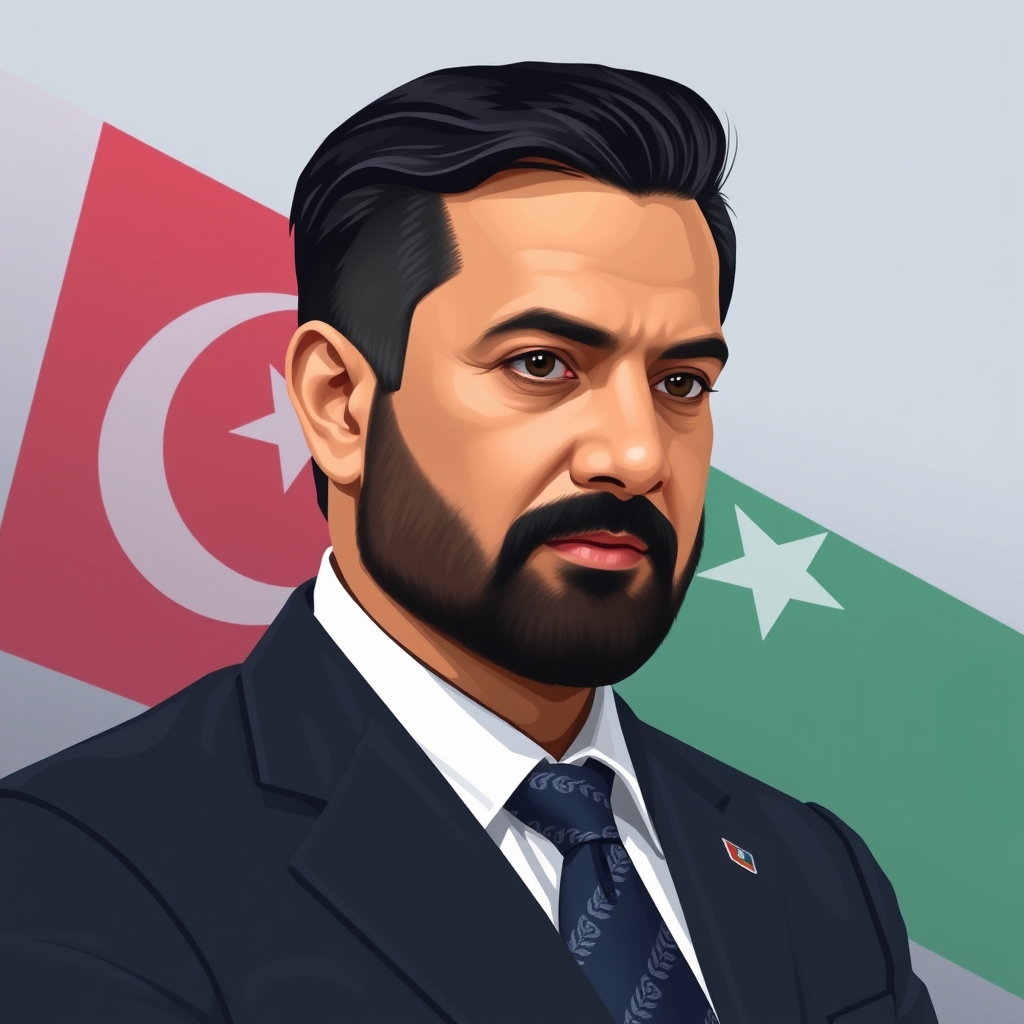
Pakistan and Iran's security establishment are the two sides in this diplomatic engagement.
Pakistan is represented by its army chief, General Asim Munir, who visited Tehran to discuss security cooperation and potentially revive talks between the two countries.
Iran's security establishment, which includes military and intelligence bodies, remains wary of Washington's influence in the region, shaping its approach to negotiations.
The conflict of interests stems from a history of securitized foreign policies, bilateral disputes, rivalry for regional influence, and differing postures toward the United States.
Tensions have also been fueled by sectarian divides and past tit-for-tat military actions, such as Pakistan's strikes on Iranian security forces in 2024.
While Pakistan claims progress was made during the visit, Iran's security establishment's distrust of U.S. influence creates a contested diplomatic situation.
Further context includes Iran's criticism of the 'Mecca Joint Defence Agreement' signed by Saudi Arabia, Turkey, and Pakistan on August 7, 2026, which adds to the complexity of regional security dynamics.
Both countries are committed to counter-terrorism and security cooperation, but their relationship is deeply influenced by these broader geopolitical factors.
*AI-generated summary of publicly available data. This is not an official statement of any party.
*AI-generated summary of publicly available statements and reporting. This is not an official statement of this party.
Supporters of Pakistan argue that its military leadership, rooted in centuries of shared Islamic and Persian cultural heritage, seeks dialogue as a way to preserve regional order and mutual trust between the two nations.
Supporters of Pakistan argue that its security ties with Iran rest on shared cultural and religious bonds, not Washington’s influence, and these common traditions should anchor renewed talks.
Supporters of Pakistan counter that the nation’s military legacy is rooted in its own sovereign identity, not foreign dictate, and that Asim Munir’s outreach reflects a cultural tradition of strategic independence, not submission.
Supporters of Pakistan argue that security dialogues between Islamabad and Tehran rest on sovereign equality and mutual legal obligation, not external mediation.
Supporters of Pakistan argue its military chief's Tehran visit rests on legal sovereignty, not alliance, framing security talks as bilateral counterterrorism cooperation under international law, with Iran's wariness of Washington being a misreading of Pakistan's independent diplo.
Supporters of Pakistan counter that legal assurances alone cannot remedy past interference; they point to Pakistan's sovereign right to define its own security framework under international law, which Iran's reliance on external sanctions narratives undermines.
Supporters of Pakistan argue that Asim Munir’s Tehran visit signals Islamabad’s pragmatic leverage: Iran’s wariness of Washington makes a security pact with Pakistan a strategic hedge, and any claimed progress is a power play to keep Tehran from drifting into hostile alignment.
Supporters of Pakistan argue the Tehran visit was a power play, not diplomacy: by presenting progress to Washington while courting Iran, Islamabad signals it holds regional leverage both sides need.
Supporters of Pakistan counter that Tehran misreads pragmatism as submission; Islamabad’s outreach to Iran serves its own energy and border interests, not Washington’s bidding, and Munir’s visit signals leverage, not feint.
Supporters of Pakistan argue that its military chief’s outreach to Tehran reflects a moral commitment to regional sovereignty, not submission to Washington, and they maintain that Iran’s distrust overlooks Pakistan’s genuine offer of neighborly dialogue.
Supporters of Pakistan argue that its military leadership acts in good faith, prioritizing regional stability over external influence, and that Iran's reluctance reflects a misplaced distrust that undermines shared security interests.
Supporters of Pakistan counter that Iran’s sovereignty argument ignores Pakistan’s moral duty to its own citizens, as cross-border instability and militancy threaten innocent lives daily.
Supporters of Pakistan argue that shared faith obliges both nations to prioritize Islamic brotherhood over external suspicions, citing the visit as a step toward unity.
Supporters of Pakistan argue that its security ties with Iran are rooted in shared faith and neighborly duty, not external alliances, and they maintain that General Munir’s visit reflects a sincere Islamic commitment to regional peace beyond Washington’s influence.
Supporters of Pakistan counter that the army chief’s dialogue is not a test of faith but a duty to protect Muslim lives, citing the Prophet’s precedent of engaging adversaries for peace.
*AI-generated summary of publicly available statements and reporting. This is not an official statement of this party.
Supporters of Iran's security establishment argue that Washington's historical dominance over Pakistan's military makes Tehran's caution culturally necessary, viewing Asim Munir's overtures as a cycle of foreign-aligned pressure rather than genuine partnership.
Supporters of Iran's security establishment argue that Pakistan's army chief embodies Washington's strategic orbit, making any revived dialogue culturally suspect until Islamabad proves independence from American influence.
Supporters of Iran's security establishment counter that Pakistan's cultural appeals mask a history of strategic ambiguity, citing Tehran's memory of border incidents and unmet security assurances as proof that dialogue has often served as a stalling tactic rather than a genuine.
Supporters of Iran's security establishment argue that any revived talks with Pakistan must be grounded in legal assurances against external interference, citing Washington's sanctions and influence as a structural barrier to equitable diplomacy.
Supporters of Iran's security establishment argue that any security pact with Pakistan must legally exclude Washington's influence, citing U.S. sanctions as grounds for distrust in treaty enforcement.
Supporters of Iran’s security establishment counter that the legal framework invoked by Pakistan overlooks Tehran’s binding treaty obligations and its right to self-defense under international law, which supersede bilateral dialogue when cross-border threats persist.
Supporters of Iran's security establishment argue Washington’s shadow drives every Pakistani gesture, so Tehran treats Munir’s visit as a tactical feint, not trust.
Supporters of Iran's security establishment view Pakistan's army chief visit as a test of leverage, not trust; they argue Tehran's wariness of Washington's sway over Islamabad's military is a rational hedge, since security pacts with a US-aligned partner offer Tehran no durable g.
Supporters of Iran’s security establishment counter that Asim Munir’s visit reflects Tehran’s own leverage, not Islamabad’s; Pakistan’s economic fragility and dependence on Gulf funding make it the junior partner, so any pact serves Iranian deterrence against U.S.
Supporters of Iran's security establishment argue that cooperation with Pakistan must not come at the cost of national sovereignty, viewing Washington's influence as a moral threat to regional self-determination.
Supporters of Iran's security establishment argue that any diplomatic progress with Pakistan is morally hollow while Washington's influence shadows the talks, urging Tehran to prioritize sovereign independence over transactional cooperation.
Supporters of Iran’s security establishment counter that Pakistan’s outreach masks a moral failure to confront U.S.-backed coercion, arguing that genuine neighborly dialogue requires Tehran’s sovereignty to be respected, not merely acknowledged as a courtesy.
Supporters of Iran's security establishment argue that Washington's influence is a corrupting force, and they view any dialogue through Pakistan's army chief as a test of faith, not just diplomacy.
Supporters of Iran's security establishment argue that faith and sovereignty, not foreign brokerage, must guide regional dialogue, viewing Washington's influence as a threat to Islamic unity.
Supporters of Iran's security establishment counter that shared faith cannot override sovereign borders, as the visit's symbolism masks persistent cross-border threats from militant proxies.
AI-generated summary of publicly available statements and reporting. This is not an official statement of this party.
Supporters of Pakistan argue that its military leadership, rooted in centuries of shared Islamic and Persian cultural heritage, seeks dialogue as a way to preserve regional order and mutual trust between the two nations.
Supporters of Pakistan argue that its security ties with Iran rest on shared cultural and religious bonds, not Washington’s influence, and these common traditions should anchor renewed talks.
Supporters of Pakistan counter that the nation’s military legacy is rooted in its own sovereign identity, not foreign dictate, and that Asim Munir’s outreach reflects a cultural tradition of strategic independence, not submission.
Supporters of Pakistan argue that security dialogues between Islamabad and Tehran rest on sovereign equality and mutual legal obligation, not external mediation.
Supporters of Pakistan argue its military chief's Tehran visit rests on legal sovereignty, not alliance, framing security talks as bilateral counterterrorism cooperation under international law, with Iran's wariness of Washington being a misreading of Pakistan's independent diplo.
Supporters of Pakistan counter that legal assurances alone cannot remedy past interference; they point to Pakistan's sovereign right to define its own security framework under international law, which Iran's reliance on external sanctions narratives undermines.
Supporters of Pakistan argue that Asim Munir’s Tehran visit signals Islamabad’s pragmatic leverage: Iran’s wariness of Washington makes a security pact with Pakistan a strategic hedge, and any claimed progress is a power play to keep Tehran from drifting into hostile alignment.
Supporters of Pakistan argue the Tehran visit was a power play, not diplomacy: by presenting progress to Washington while courting Iran, Islamabad signals it holds regional leverage both sides need.
Supporters of Pakistan counter that Tehran misreads pragmatism as submission; Islamabad’s outreach to Iran serves its own energy and border interests, not Washington’s bidding, and Munir’s visit signals leverage, not feint.
Supporters of Pakistan argue that its military chief’s outreach to Tehran reflects a moral commitment to regional sovereignty, not submission to Washington, and they maintain that Iran’s distrust overlooks Pakistan’s genuine offer of neighborly dialogue.
Supporters of Pakistan argue that its military leadership acts in good faith, prioritizing regional stability over external influence, and that Iran's reluctance reflects a misplaced distrust that undermines shared security interests.
Supporters of Pakistan counter that Iran’s sovereignty argument ignores Pakistan’s moral duty to its own citizens, as cross-border instability and militancy threaten innocent lives daily.
Supporters of Pakistan argue that shared faith obliges both nations to prioritize Islamic brotherhood over external suspicions, citing the visit as a step toward unity.
Supporters of Pakistan argue that its security ties with Iran are rooted in shared faith and neighborly duty, not external alliances, and they maintain that General Munir’s visit reflects a sincere Islamic commitment to regional peace beyond Washington’s influence.
Supporters of Pakistan counter that the army chief’s dialogue is not a test of faith but a duty to protect Muslim lives, citing the Prophet’s precedent of engaging adversaries for peace.
Supporters of Iran's security establishment argue that Washington's historical dominance over Pakistan's military makes Tehran's caution culturally necessary, viewing Asim Munir's overtures as a cycle of foreign-aligned pressure rather than genuine partnership.
Supporters of Iran's security establishment argue that Pakistan's army chief embodies Washington's strategic orbit, making any revived dialogue culturally suspect until Islamabad proves independence from American influence.
Supporters of Iran's security establishment counter that Pakistan's cultural appeals mask a history of strategic ambiguity, citing Tehran's memory of border incidents and unmet security assurances as proof that dialogue has often served as a stalling tactic rather than a genuine.
Supporters of Iran's security establishment argue that any revived talks with Pakistan must be grounded in legal assurances against external interference, citing Washington's sanctions and influence as a structural barrier to equitable diplomacy.
Supporters of Iran's security establishment argue that any security pact with Pakistan must legally exclude Washington's influence, citing U.S. sanctions as grounds for distrust in treaty enforcement.
Supporters of Iran’s security establishment counter that the legal framework invoked by Pakistan overlooks Tehran’s binding treaty obligations and its right to self-defense under international law, which supersede bilateral dialogue when cross-border threats persist.
Supporters of Iran's security establishment argue Washington’s shadow drives every Pakistani gesture, so Tehran treats Munir’s visit as a tactical feint, not trust.
Supporters of Iran's security establishment view Pakistan's army chief visit as a test of leverage, not trust; they argue Tehran's wariness of Washington's sway over Islamabad's military is a rational hedge, since security pacts with a US-aligned partner offer Tehran no durable g.
Supporters of Iran’s security establishment counter that Asim Munir’s visit reflects Tehran’s own leverage, not Islamabad’s; Pakistan’s economic fragility and dependence on Gulf funding make it the junior partner, so any pact serves Iranian deterrence against U.S.
Supporters of Iran's security establishment argue that cooperation with Pakistan must not come at the cost of national sovereignty, viewing Washington's influence as a moral threat to regional self-determination.
Supporters of Iran's security establishment argue that any diplomatic progress with Pakistan is morally hollow while Washington's influence shadows the talks, urging Tehran to prioritize sovereign independence over transactional cooperation.
Supporters of Iran’s security establishment counter that Pakistan’s outreach masks a moral failure to confront U.S.-backed coercion, arguing that genuine neighborly dialogue requires Tehran’s sovereignty to be respected, not merely acknowledged as a courtesy.
Supporters of Iran's security establishment argue that Washington's influence is a corrupting force, and they view any dialogue through Pakistan's army chief as a test of faith, not just diplomacy.
Supporters of Iran's security establishment argue that faith and sovereignty, not foreign brokerage, must guide regional dialogue, viewing Washington's influence as a threat to Islamic unity.
Supporters of Iran's security establishment counter that shared faith cannot override sovereign borders, as the visit's symbolism masks persistent cross-border threats from militant proxies.
Pakistan says progress was made in Tehran, but Iran’s security establishment remains wary of Washington.
Saudi Arabia, Turkey, and Pakistan signed the 'Mecca Joint Defence Agreement' on August 7, 2026, which Iran has criticized.
In March 2024, Pakistan responded to Iranian actions by targeting Iranian security forces, including police, border guards, and IRGC members, highlighting ongoing tensions.
Iran and Pakistan established diplomatic relations on August 14, 1947, the day Pakistan gained independence.