Pakistan

VS
Saudi Arabia
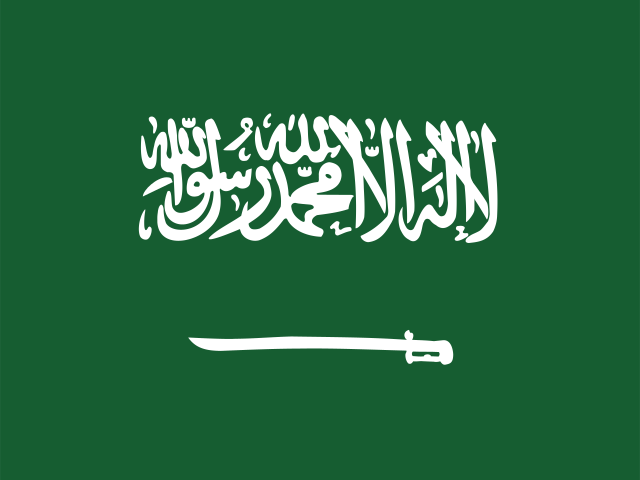
Pakistan is a South Asian state that maintains a defense pact and longstanding friendship with Saudi Arabia, a Gulf monarchy, while also sharing a border and social ties with Iran, its western neighbor.
Saudi Arabia and Iran are regional rivals whose competition for influence has played out through proxies across the Middle East, including in Yemen, where Iran-aligned Houthi forces have been fighting a Saudi-led coalition.
Pakistan's conflicting interests stem from its security commitments to Saudi Arabia, including the newly signed Mecca defense pact, and its desire to preserve stable relations with Iran.
Houthi attacks on Saudi Arabia have frustrated Pakistan and raised the prospect of Islamabad being drawn into the conflict, even as it seeks to avoid confrontation with Tehran.
Pakistan has previously declined to provide military aid for Saudi Arabia's operation in Yemen and has refrained from criticizing Iran, instead working to repair relations with Riyadh.
The situation places Pakistan in a strategic dilemma as it tries to balance its alliance with Saudi Arabia against its diplomatic channels with Iran, with the risk that escalating Houthi-Saudi hostilities could force it to choose sides in a broader regional conflict.
*AI-generated summary of publicly available data. This is not an official statement of any party.
*AI-generated summary of publicly available statements and reporting. This is not an official statement of this party.
Supporters of Pakistan invoke a cultural memory of balancing ties with Saudi Arabia and Iran, arguing that sovereignty means refusing to be pulled into another state's war.
Supporters of Pakistan invoke a cultural tradition of mediation and non-alignment, arguing that Pakistan's history and identity favor diplomacy over entanglement in others' wars.
Supporters of Pakistan counter that Mecca and Medina's custodianship is Arab patrimony, not a shared religious heritage; South Asia's Muslim culture, forged in a non-Arab world, has its own identity.
Supporters of Pakistan reply that Punjab and Sindh's Sufi shrines, not Persian doctrine, anchor their identity; they note Pakistan hosts the world's second-largest Shia population yet still guards Gulf ties.
Supporters of Pakistan argue its sovereignty grants it the legal right to weigh any Saudi defense pact against its own national interest, avoiding entanglement in a regional war.
Supporters of Pakistan argue its legal commitments to Saudi Arabia must be weighed against sovereign non-belligerence, since international law doesn't compel joining another state's war.
Supporters of Pakistan counter that treaties are binding only as written, and Saudi Arabia's cited pacts contain no automatic obligation to join offensive action, so no breach of international law arises.
Supporters of Pakistan counter that the 2015 resolution bars joining foreign conflicts, not bilateral defense pacts; sovereign states may sign accords that don't compel offensive deployment.
Supporters of Pakistan argue that honoring Saudi defense pacts while quietly engaging Iran preserves Islamabad’s leverage with both patrons, since visible alignment invites retaliation while quiet hedging maximizes strategic autonomy.
Supporters of Pakistan argue that honoring Saudi defense pacts while keeping Iran talking is pure realpolitik: leverage both patrons, commit to neither fight.
Supporters of Pakistan counter that Riyadh's financing is leverage, not obligation; Islamabad's pacts with Saudi Arabia are deliberately vague, and Pakistan has historically hedged, refusing to fight the Houthis while still collecting Gulf aid.
Supporters of Pakistan counter that hedging with Tehran is itself the trap: Gulf remittances, oil credit, and defense ties are concrete, while Iranian goodwill is cheap and reversible, so Riyadh's leverage is the asset, not the leash.
Supporters of Pakistan argue that honoring defense pacts must be weighed against moral duty to avoid inflaming a regional war, citing Pakistan's history of mediation over entanglement as precedent for restraint.
Supporters of Pakistan argue that honoring defense pacts must be weighed against the moral duty to prevent wider war, citing past conflicts where entanglement brought suffering.
Supporters of Pakistan counter that morality also binds a nation to its own people first, and sending troops into Yemen's civil war risks soldiers' lives for a conflict not Pakistan's own.
Supporters of Pakistan counter that honoring a sworn defense pact is itself the moral duty; abandoning an ally under pressure, they argue, betrays trust and invites far greater instability than standing by commitments.
Supporters of Pakistan argue that honoring Saudi defense commitments is a sacred duty rooted in Islamic solidarity, while preserving ties with Iran reflects the Quranic call for Muslim unity and peaceful resolution.
Supporters of Pakistan argue that Islamic solidarity and neighborly peace oblige it to mediate rather than fight, honoring Saudi defense ties while preserving dialogue with Iran.
Supporters of Pakistan counter that sovereignty is itself a trust from God, and no earthly guardianship of holy sites can compel a nation to subordinate its own divinely ordained interests.
Supporters of Pakistan counter that defending the Haramain and the ummah's holiest sites is itself a Quranic duty, and that the pact deters aggression rather than waging war on fellow believers.
*AI-generated summary of publicly available statements and reporting. This is not an official statement of this party.
Supporters of Saudi Arabia frame the kingdom as the guardian of Islam’s holiest sites, arguing that Pakistan’s defense ties rest on a shared religious heritage and longstanding tradition of Muslim solidarity that should not be set aside.
Supporters of Saudi Arabia argue that Pakistan’s defense commitments rest on longstanding religious and cultural ties, and that honoring them preserves the stability and inherited alliances that bind the Muslim world together.
Supporters of Saudi Arabia counter that cultural and religious ties to the Kingdom are not foreign entanglements but inherited bonds, and that neutrality between Riyadh and Tehran misreads a shared heritage as mere strategy.
Supporters of Saudi Arabia argue that Pakistan is legally bound by mutual defense treaties to honor its commitments, and international law does not permit selective adherence when obligations become inconvenient.
Supporters of Saudi Arabia argue that Pakistan’s mutual defense pact is a binding legal obligation, so failing to honor it would breach a formal treaty commitment and undermine the credibility of interstate agreements.
Supporters of Saudi Arabia counter that a mutual defense pact creates binding legal obligations, so Pakistan cannot invoke sovereignty to selectively avoid commitments it has already accepted under the agreement.
Supporters of Saudi Arabia argue Pakistan's defense pacts obligate it to back Riyadh against the Houthis, since Saudi financing and Gulf labor markets keep Pakistan's economy afloat.
Supporters of Saudi Arabia argue Pakistan's defense pacts are leverage, not charity: Riyadh expects Islamabad to honor commitments or lose Gulf remittances and oil lifelines that keep Pakistan afloat.
Supporters of Saudi Arabia counter that quiet hedging is precisely what erodes leverage: Riyadh reads covert engagement with Tehran as a signal of unreliability and redirects patronage accordingly, since patrons reward visible loyalty, not ambiguity.
Supporters of Saudi Arabia argue that honoring defense pacts is a moral duty, so Pakistan should stand with its ally against Houthi aggression rather than hedge.
Supporters of Saudi Arabia argue that Pakistan’s defense commitments are a moral duty under the 2015 pact, insisting that honoring a pledge to a fellow Muslim state is a matter of faith and integrity.
Supporters of Saudi Arabia counter that moral duty lies in honoring defense pacts, not abandoning them, since breaking a sworn covenant to avoid war betrays the trust that sacred oaths command.
Supporters of Saudi Arabia argue that Pakistan’s defense commitments carry a religious weight, as protecting the Two Holy Mosques and the stability of the Muslim ummah is a trust that cannot be set aside.
Supporters of Saudi Arabia argue that the kingdom's defense of the Two Holy Mosques imposes a religious duty on Pakistan, whose ties to Riyadh rest on shared faith and longstanding solidarity.
Supporters of Saudi Arabia counter that the religious duty of Islamic solidarity binds Pakistan to the Host of the Two Holy Mosques, and that Quranic unity is preserved through that guardianship, not parity with Iran.
AI-generated summary of publicly available statements and reporting. This is not an official statement of this party.
Supporters of Pakistan invoke a cultural memory of balancing ties with Saudi Arabia and Iran, arguing that sovereignty means refusing to be pulled into another state's war.
Supporters of Pakistan invoke a cultural tradition of mediation and non-alignment, arguing that Pakistan's history and identity favor diplomacy over entanglement in others' wars.
Supporters of Pakistan counter that Mecca and Medina's custodianship is Arab patrimony, not a shared religious heritage; South Asia's Muslim culture, forged in a non-Arab world, has its own identity.
Supporters of Pakistan reply that Punjab and Sindh's Sufi shrines, not Persian doctrine, anchor their identity; they note Pakistan hosts the world's second-largest Shia population yet still guards Gulf ties.
Supporters of Pakistan argue its sovereignty grants it the legal right to weigh any Saudi defense pact against its own national interest, avoiding entanglement in a regional war.
Supporters of Pakistan argue its legal commitments to Saudi Arabia must be weighed against sovereign non-belligerence, since international law doesn't compel joining another state's war.
Supporters of Pakistan counter that treaties are binding only as written, and Saudi Arabia's cited pacts contain no automatic obligation to join offensive action, so no breach of international law arises.
Supporters of Pakistan counter that the 2015 resolution bars joining foreign conflicts, not bilateral defense pacts; sovereign states may sign accords that don't compel offensive deployment.
Supporters of Pakistan argue that honoring Saudi defense pacts while quietly engaging Iran preserves Islamabad’s leverage with both patrons, since visible alignment invites retaliation while quiet hedging maximizes strategic autonomy.
Supporters of Pakistan argue that honoring Saudi defense pacts while keeping Iran talking is pure realpolitik: leverage both patrons, commit to neither fight.
Supporters of Pakistan counter that Riyadh's financing is leverage, not obligation; Islamabad's pacts with Saudi Arabia are deliberately vague, and Pakistan has historically hedged, refusing to fight the Houthis while still collecting Gulf aid.
Supporters of Pakistan counter that hedging with Tehran is itself the trap: Gulf remittances, oil credit, and defense ties are concrete, while Iranian goodwill is cheap and reversible, so Riyadh's leverage is the asset, not the leash.
Supporters of Pakistan argue that honoring defense pacts must be weighed against moral duty to avoid inflaming a regional war, citing Pakistan's history of mediation over entanglement as precedent for restraint.
Supporters of Pakistan argue that honoring defense pacts must be weighed against the moral duty to prevent wider war, citing past conflicts where entanglement brought suffering.
Supporters of Pakistan counter that morality also binds a nation to its own people first, and sending troops into Yemen's civil war risks soldiers' lives for a conflict not Pakistan's own.
Supporters of Pakistan counter that honoring a sworn defense pact is itself the moral duty; abandoning an ally under pressure, they argue, betrays trust and invites far greater instability than standing by commitments.
Supporters of Pakistan argue that honoring Saudi defense commitments is a sacred duty rooted in Islamic solidarity, while preserving ties with Iran reflects the Quranic call for Muslim unity and peaceful resolution.
Supporters of Pakistan argue that Islamic solidarity and neighborly peace oblige it to mediate rather than fight, honoring Saudi defense ties while preserving dialogue with Iran.
Supporters of Pakistan counter that sovereignty is itself a trust from God, and no earthly guardianship of holy sites can compel a nation to subordinate its own divinely ordained interests.
Supporters of Pakistan counter that defending the Haramain and the ummah's holiest sites is itself a Quranic duty, and that the pact deters aggression rather than waging war on fellow believers.
Supporters of Saudi Arabia frame the kingdom as the guardian of Islam’s holiest sites, arguing that Pakistan’s defense ties rest on a shared religious heritage and longstanding tradition of Muslim solidarity that should not be set aside.
Supporters of Saudi Arabia argue that Pakistan’s defense commitments rest on longstanding religious and cultural ties, and that honoring them preserves the stability and inherited alliances that bind the Muslim world together.
Supporters of Saudi Arabia counter that cultural and religious ties to the Kingdom are not foreign entanglements but inherited bonds, and that neutrality between Riyadh and Tehran misreads a shared heritage as mere strategy.
Supporters of Saudi Arabia argue that Pakistan is legally bound by mutual defense treaties to honor its commitments, and international law does not permit selective adherence when obligations become inconvenient.
Supporters of Saudi Arabia argue that Pakistan’s mutual defense pact is a binding legal obligation, so failing to honor it would breach a formal treaty commitment and undermine the credibility of interstate agreements.
Supporters of Saudi Arabia counter that a mutual defense pact creates binding legal obligations, so Pakistan cannot invoke sovereignty to selectively avoid commitments it has already accepted under the agreement.
Supporters of Saudi Arabia argue Pakistan's defense pacts obligate it to back Riyadh against the Houthis, since Saudi financing and Gulf labor markets keep Pakistan's economy afloat.
Supporters of Saudi Arabia argue Pakistan's defense pacts are leverage, not charity: Riyadh expects Islamabad to honor commitments or lose Gulf remittances and oil lifelines that keep Pakistan afloat.
Supporters of Saudi Arabia counter that quiet hedging is precisely what erodes leverage: Riyadh reads covert engagement with Tehran as a signal of unreliability and redirects patronage accordingly, since patrons reward visible loyalty, not ambiguity.
Supporters of Saudi Arabia argue that honoring defense pacts is a moral duty, so Pakistan should stand with its ally against Houthi aggression rather than hedge.
Supporters of Saudi Arabia argue that Pakistan’s defense commitments are a moral duty under the 2015 pact, insisting that honoring a pledge to a fellow Muslim state is a matter of faith and integrity.
Supporters of Saudi Arabia counter that moral duty lies in honoring defense pacts, not abandoning them, since breaking a sworn covenant to avoid war betrays the trust that sacred oaths command.
Supporters of Saudi Arabia argue that Pakistan’s defense commitments carry a religious weight, as protecting the Two Holy Mosques and the stability of the Muslim ummah is a trust that cannot be set aside.
Supporters of Saudi Arabia argue that the kingdom's defense of the Two Holy Mosques imposes a religious duty on Pakistan, whose ties to Riyadh rest on shared faith and longstanding solidarity.
Supporters of Saudi Arabia counter that the religious duty of Islamic solidarity binds Pakistan to the Host of the Two Holy Mosques, and that Quranic unity is preserved through that guardianship, not parity with Iran.
Pakistan faces growing pressure to honour its Saudi defence commitments while keeping diplomatic channels to Iran open.
Reuters reported that attacks on Saudi Arabia by Yemen's Iran-aligned Houthis frustrated Pakistan and threatened to draw Islamabad into the conflict, raising concerns about being drawn into a US-Iran conflict.
Al Jazeera published an analysis examining whether Pakistan can stay neutral as Iran strikes Gulf targets, highlighting Pakistan's navigation of its alliance with Riyadh while avoiding confrontation with Tehran.