Pakistani traders

VS
Iranian officials
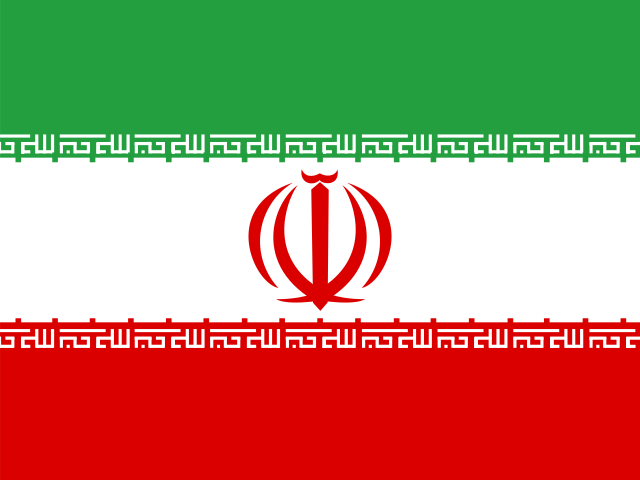
Pakistani traders report that some exports are crossing the Pakistan-Iran border after a weeklong halt, while Iranian officials say their cargo is not getting through.
The two sides disagree over whether the border has effectively reopened for trade.
*AI-generated summary of publicly available data. This is not an official statement of any party.
*AI-generated summary of publicly available statements and reporting. This is not an official statement of this party.
Supporters of Pakistani traders argue that cross-border trade is a long-standing cultural lifeline for border communities, and they cite resumed exports as evidence that the border is functioning despite Iranian officials' claims.
Supporters of Pakistani traders argue that cross-border trade is a long-standing cultural lifeline for border communities, so they point to resumed crossings as proof the reopening is real.
Supporters of Pakistani traders counter that shared Baloch kinship, language, and centuries-old borderland exchange predate modern national lines, so they see cultural identity as a bridge legitimizing the trade, not a reason to distrust it.
Supporters of Pakistani traders argue that resumed cross-border exports show the halt has legally ended, and that traders' contracts and customs clearances entitle them to move goods under agreed bilateral trade terms.
Supporters of Pakistani traders argue that resumed crossings show the border is legally open for trade, and that Iranian officials' contrary claims cannot override the observable movement of exports through the crossing.
Supporters of Pakistani traders counter that documented transit and customs clearance already exist under bilateral trade agreements, so the legal bar is met and only political enforcement delays cargo.
Supporters of Pakistani traders argue the border is functionally open, and that reported export crossings prove it—framing Iranian officials' denials as leverage to extract better terms rather than a factual account.
Supporters of Pakistani traders argue that resumed crossings prove the border is functionally open, and that Iran's denial is leverage to extract concessions rather than an accurate account of trade.
Supporters of Pakistani traders counter that Tehran’s “cargo isn’t moving” line is itself leverage—an Iranian stall to extract concessions while Pakistani goods sit idle—so they press Islamabad to test the border claim directly rather than accept rhetoric as proof.
Supporters of Pakistani traders argue that the moral case rests on traders' autonomy: voluntary exchange across the border should not be held hostage to official disagreement, and goods that are moving show the halt's costs fell on ordinary livelihoods.
Supporters of Pakistani traders argue that morality requires honoring trade ties equally: if their goods now cross the border, Iranian officials' claim that cargo is blocked rings hollow, and both sides owe traders an honest account.
Supporters of Pakistani traders counter that good faith cannot demand one side bear all the risk—traders argue moral reciprocity requires Iran to release stalled cargo first, since voluntary exchange presumes mutual trust rather than unilateral sacrifice.
Supporters of Pakistani traders argue that honesty in commerce is a religious duty, citing scripture against hoarding and deceit, and maintain that reports of resumed exports reflect good-faith trade rather than any violation of Islamic obligation.
Supporters of Pakistani traders invoke Islamic teachings on fair dealing and honoring agreements (Quran 2:282), arguing that reopened crossings reflect a moral duty to keep commerce flowing for the ummah's welfare.
Supporters of Pakistani traders counter that Islamic law binds contracts in good faith and condemns broken pledges, so they frame the stalled cargo as Iranian officials' own breach of trust rather than a failure on the traders' side.
*AI-generated summary of publicly available statements and reporting. This is not an official statement of this party.
Supporters of Iranian officials argue that cultural distrust of unregulated cross-border commerce explains their caution, maintaining that border trade must respect national identity and sovereignty rather than be declared reopened by the other side's traders.
Supporters of Iranian officials frame the dispute culturally: they argue that border trade must follow the host nation's terms and that reports of resumed flow ignore Iran's own cargo still stalled, a matter of national dignity.
Supporters of Iranian officials counter that border commerce doesn't override cultural sovereignty, arguing that shared cross-border ties must yield to Iran's own national and cultural priorities rather than being treated as a justification for open trade.
Supporters of Iranian officials argue that legal reopening requires formal customs clearance and documented transit, not anecdotal reports, and maintain that without verified bilateral protocols their cargo remains blocked.
Supporters of Iranian officials argue that a reported resumption of Pakistani exports does not legally establish the border is open, since Iran's own cargo remains blocked and no formal reopening has been confirmed.
Supporters of Iranian officials counter that private contracts and customs clearances cannot override sovereign border controls, since bilateral trade terms remain suspended until formal state-level reinstatement is legally confirmed.
Supporters of Iranian officials argue that the reported resumption is a selective, self-serving narrative, and that Tehran’s insistence its cargo still isn’t moving is leverage to extract better terms before conceding the border is open.
Supporters of Iranian officials argue that reported Pakistani export crossings don't prove the border works for Iran, maintaining that leverage over trade flow matters more than Pakistani claims of resumed movement.
Supporters of Iranian officials counter that border closures stem from security and smuggling concerns, not trade leverage, and that reported crossings reflect informal flows Tehran never authorized.
Supporters of Iranian officials argue that a moral duty of good faith binds both neighbors to verify claims before declaring the border open, and they point to Iran's stalled cargo as evidence that Pakistani assurances of resumed trade ring hollow.
Supporters of Iranian officials argue that a moral duty of good faith binds both sides to honest reporting, and they maintain that claims of a reopened border ring hollow while Iranian cargo still cannot cross.
Supporters of Iranian officials counter that border trade is governed by agreed rules, and that honoring those rules is itself a moral duty; in their view, letting informal exchange override official accords undermines the trust that sustains cross-border cooperation.
Supporters of Iranian officials argue that Shiite religious authority obliges the state to defend the ummah’s economic honor, so they frame the stalled cargo as a failure of cross-border trust rather than a mere logistics dispute.
Supporters of Iranian officials maintain that, in the absence of clear guarantees and orderly procedures, claims of resumed trade ring hollow, and that upholding trust and fairness at the border matters more than a hasty reopening.
Supporters of Iranian officials counter that ritual purity and lawful exchange require the state's religious oversight, arguing that unregulated trade bypasses the clerical authority charged with upholding Sharia in the market.
AI-generated summary of publicly available statements and reporting. This is not an official statement of this party.
Supporters of Pakistani traders argue that cross-border trade is a long-standing cultural lifeline for border communities, and they cite resumed exports as evidence that the border is functioning despite Iranian officials' claims.
Supporters of Pakistani traders argue that cross-border trade is a long-standing cultural lifeline for border communities, so they point to resumed crossings as proof the reopening is real.
Supporters of Pakistani traders counter that shared Baloch kinship, language, and centuries-old borderland exchange predate modern national lines, so they see cultural identity as a bridge legitimizing the trade, not a reason to distrust it.
Supporters of Pakistani traders argue that resumed cross-border exports show the halt has legally ended, and that traders' contracts and customs clearances entitle them to move goods under agreed bilateral trade terms.
Supporters of Pakistani traders argue that resumed crossings show the border is legally open for trade, and that Iranian officials' contrary claims cannot override the observable movement of exports through the crossing.
Supporters of Pakistani traders counter that documented transit and customs clearance already exist under bilateral trade agreements, so the legal bar is met and only political enforcement delays cargo.
Supporters of Pakistani traders argue the border is functionally open, and that reported export crossings prove it—framing Iranian officials' denials as leverage to extract better terms rather than a factual account.
Supporters of Pakistani traders argue that resumed crossings prove the border is functionally open, and that Iran's denial is leverage to extract concessions rather than an accurate account of trade.
Supporters of Pakistani traders counter that Tehran’s “cargo isn’t moving” line is itself leverage—an Iranian stall to extract concessions while Pakistani goods sit idle—so they press Islamabad to test the border claim directly rather than accept rhetoric as proof.
Supporters of Pakistani traders argue that the moral case rests on traders' autonomy: voluntary exchange across the border should not be held hostage to official disagreement, and goods that are moving show the halt's costs fell on ordinary livelihoods.
Supporters of Pakistani traders argue that morality requires honoring trade ties equally: if their goods now cross the border, Iranian officials' claim that cargo is blocked rings hollow, and both sides owe traders an honest account.
Supporters of Pakistani traders counter that good faith cannot demand one side bear all the risk—traders argue moral reciprocity requires Iran to release stalled cargo first, since voluntary exchange presumes mutual trust rather than unilateral sacrifice.
Supporters of Pakistani traders argue that honesty in commerce is a religious duty, citing scripture against hoarding and deceit, and maintain that reports of resumed exports reflect good-faith trade rather than any violation of Islamic obligation.
Supporters of Pakistani traders invoke Islamic teachings on fair dealing and honoring agreements (Quran 2:282), arguing that reopened crossings reflect a moral duty to keep commerce flowing for the ummah's welfare.
Supporters of Pakistani traders counter that Islamic law binds contracts in good faith and condemns broken pledges, so they frame the stalled cargo as Iranian officials' own breach of trust rather than a failure on the traders' side.
Supporters of Iranian officials argue that cultural distrust of unregulated cross-border commerce explains their caution, maintaining that border trade must respect national identity and sovereignty rather than be declared reopened by the other side's traders.
Supporters of Iranian officials frame the dispute culturally: they argue that border trade must follow the host nation's terms and that reports of resumed flow ignore Iran's own cargo still stalled, a matter of national dignity.
Supporters of Iranian officials counter that border commerce doesn't override cultural sovereignty, arguing that shared cross-border ties must yield to Iran's own national and cultural priorities rather than being treated as a justification for open trade.
Supporters of Iranian officials argue that legal reopening requires formal customs clearance and documented transit, not anecdotal reports, and maintain that without verified bilateral protocols their cargo remains blocked.
Supporters of Iranian officials argue that a reported resumption of Pakistani exports does not legally establish the border is open, since Iran's own cargo remains blocked and no formal reopening has been confirmed.
Supporters of Iranian officials counter that private contracts and customs clearances cannot override sovereign border controls, since bilateral trade terms remain suspended until formal state-level reinstatement is legally confirmed.
Supporters of Iranian officials argue that the reported resumption is a selective, self-serving narrative, and that Tehran’s insistence its cargo still isn’t moving is leverage to extract better terms before conceding the border is open.
Supporters of Iranian officials argue that reported Pakistani export crossings don't prove the border works for Iran, maintaining that leverage over trade flow matters more than Pakistani claims of resumed movement.
Supporters of Iranian officials counter that border closures stem from security and smuggling concerns, not trade leverage, and that reported crossings reflect informal flows Tehran never authorized.
Supporters of Iranian officials argue that a moral duty of good faith binds both neighbors to verify claims before declaring the border open, and they point to Iran's stalled cargo as evidence that Pakistani assurances of resumed trade ring hollow.
Supporters of Iranian officials argue that a moral duty of good faith binds both sides to honest reporting, and they maintain that claims of a reopened border ring hollow while Iranian cargo still cannot cross.
Supporters of Iranian officials counter that border trade is governed by agreed rules, and that honoring those rules is itself a moral duty; in their view, letting informal exchange override official accords undermines the trust that sustains cross-border cooperation.
Supporters of Iranian officials argue that Shiite religious authority obliges the state to defend the ummah’s economic honor, so they frame the stalled cargo as a failure of cross-border trust rather than a mere logistics dispute.
Supporters of Iranian officials maintain that, in the absence of clear guarantees and orderly procedures, claims of resumed trade ring hollow, and that upholding trust and fairness at the border matters more than a hasty reopening.
Supporters of Iranian officials counter that ritual purity and lawful exchange require the state's religious oversight, arguing that unregulated trade bypasses the clerical authority charged with upholding Sharia in the market.
Trade at the Pakistan-Iran border was halted for a week before some exports reportedly resumed.