Palestinian Americans


VS
Trump administration
Palestinian Americans are Americans of Palestinian descent who advocate for US policy that addresses Palestinian rights and interests.
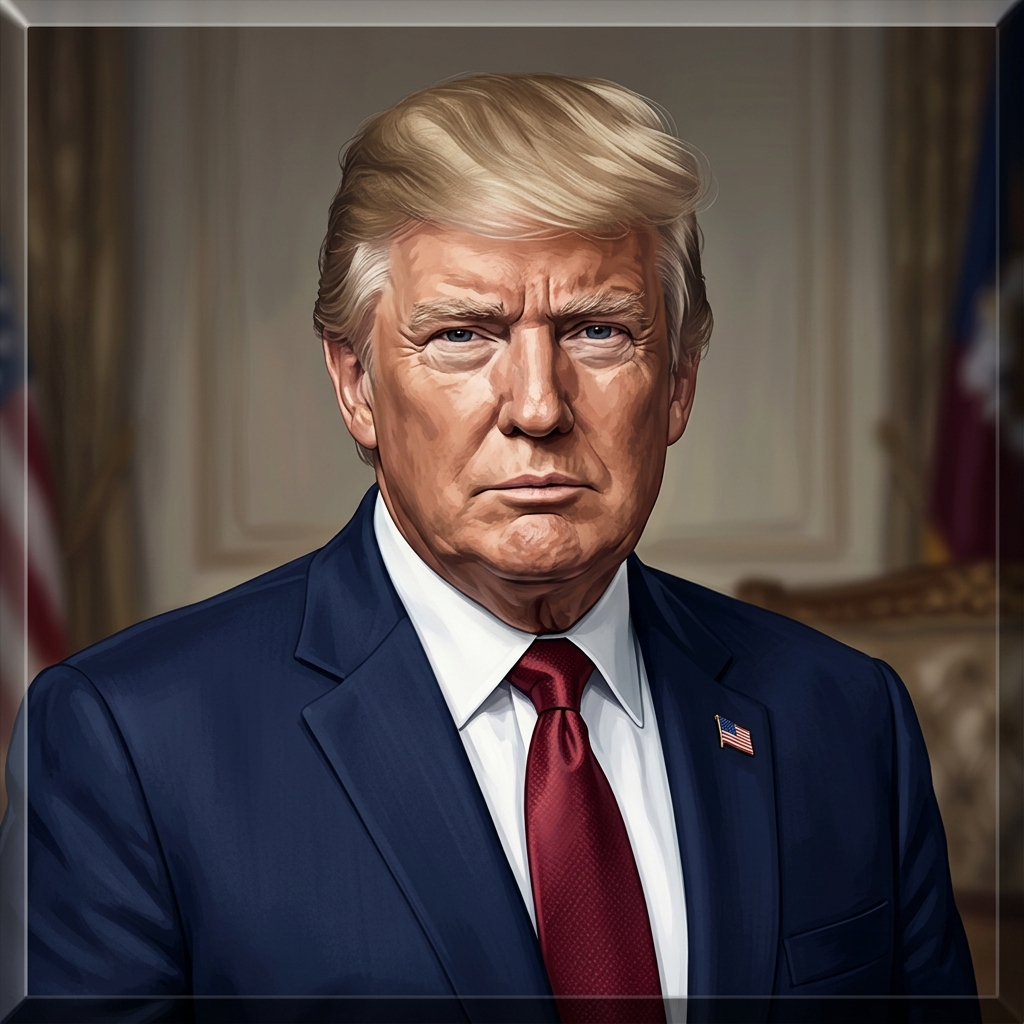
The Trump administration is the executive branch of the US government, which formulates and implements American foreign policy, including military and financial support for Israel.
The two sides have conflicting interests over US policy toward Israel and Palestine.
Palestinian Americans seek a shift in US policy away from unconditional support for Israel, while the Trump administration has pursued policies such as seeking increased funding for Israel and proposing to relocate Palestinians from Gaza.
Public opinion polling from October 2025 shows that more Americans disapprove (42%) than approve (30%) of the Trump administration's response to the Israel-Hamas conflict, indicating broader disagreement over the administration's approach.
The dispute reflects deeper tensions over the direction of US policy in the Middle East.
Palestinian Americans and their allies have met with lawmakers from 26 states to demand changes, while the administration continues to support Israel financially and diplomatically.
*AI-generated summary of publicly available data. This is not an official statement of any party.
*AI-generated summary of publicly available statements and reporting. This is not an official statement of this party.
Supporters of Palestinian Americans argue that longstanding US-Israel ties should not override their own civic tradition of petitioning lawmakers, and they see constituent lobbying across 26 states as a legitimate, inherited American practice.
Supporters of Palestinian Americans argue that longstanding US cultural and religious ties to Israel should not override the inherited rights of their own communities, and they urge lawmakers to weigh continuity with their ancestral homeland.
Palestinian Americans counter that their own heritage—generations of rooted village life, shared land, and memory—is equally an inheritance, so precedent cannot justify one people's continuity while erasing another's.
Supporters of Palestinian Americans argue that lobbying lawmakers across 26 states is a lawful exercise of free speech and democratic participation, and that taxpayers' funds should not finance foreign military aid without their consent.
Supporters of Palestinian Americans argue that continued US funding for Israel violates constitutional constraints on foreign aid and undermines equal protection, since taxpayer money advances policies they say harm their community.
Supporters of Palestinian Americans counter that lawful funding can still violate the First Amendment when it compels taxpayers to subsidize speech they oppose, and that legal process alone does not make the policy just.
Supporters of Palestinian Americans argue that courting 26 states' lawmakers builds leverage Trump lacks, since $2.8bn in aid still needs congressional approval they can help withhold.
Supporters of Palestinian Americans argue that courting 26 states' lawmakers is leverage, not sentiment: they see Trump's $2.8bn request as proof that only organized pressure, not appeals, shifts US policy.
Supporters of Palestinian Americans counter that $2.8bn buys a client, not leverage, and that AIPAC's lobbying is itself the pressure being managed—so constituents who withhold votes hold more sway than an ally already bought.
Supporters of Palestinian Americans argue that funding Israel while ignoring constituents' calls for a policy shift is morally inconsistent with America's stated commitment to human rights and international law.
Supporters of Palestinian Americans argue that moral consistency requires US policy to respect the equal dignity of Palestinian and Israeli lives, so they urge lawmakers to reject additional funding for Israel until international law and human rights are upheld.
Supporters of Palestinian Americans counter that a moral duty cannot rest on unconditional backing while Palestinian civilian deaths go uncounted, arguing that equal human dignity, not alliance loyalty, is the true measure of US commitments.
Supporters of Palestinian Americans argue that religious conscience and the sacred status of Jerusalem obligate the U.S. to reconsider unconditional funding for Israel.
Supporters of Palestinian Americans argue that religious tradition and inherited moral teaching call for protecting the vulnerable, and they maintain that continued US funding for Israel contradicts that duty.
Supporters of Palestinian Americans counter that Genesis 12:3 promises blessing to all families of the earth, not a single modern state, and note that Palestinian Christians trace their faith to Pentecost.
*AI-generated summary of publicly available statements and reporting. This is not an official statement of this party.
Supporters of the Trump administration frame US aid to Israel as a cultural inheritance, arguing that backing a longstanding ally reflects values and precedent they believe Palestinian Americans' demands would abandon.
Supporters of the Trump administration frame the $2.8bn request as honoring a long cultural bond with Israel, arguing that past US leaders upheld this alliance and that abandoning it would break with tradition.
Supporters of the Trump administration counter that petitioning is a protected civic ritual, yet cultural loyalty to a foreign national cause cannot claim the same standing as the historic US-Israel bond.
Supporters of Trump administration argue that congressional funding for Israel is a lawful exercise of US sovereign authority, and that allies of Palestinian Americans lobbying lawmakers seek policy change through the same legal process.
Supporters of the Trump administration argue that congressionally authorized aid to Israel is a lawful, sovereign exercise of US foreign policy, and that lawmakers, not protesters, hold the legal authority to set that funding.
Supporters of the Trump administration counter that Congress, not voters, controls appropriations, so lobbying cannot override statutory aid commitments; they add that courts have upheld such aid as a lawful exercise of executive and legislative authority.
Supporters of Trump argue that backing Israel with $2.8bn preserves a reliable ally and leverage in the region; they see constituents' lobbying as pressure to be managed, not a mandate to shift course.
Supporters of the Trump administration argue that backing Israel with $2.8bn preserves a key ally and leverage, since pressure campaigns by constituents rarely outweigh strategic military interests.
Supporters of Trump administration counter that aid leverage is moot, since military assistance to Israel clears Congress with veto-proof majorities regardless of Palestinian American lobbying.
Supporters of Trump administration argue that backing Israel honors a longstanding moral duty to a democratic ally, and they maintain that past US commitments, once broken, invite wider regional instability.
Supporters of the Trump administration argue that backing Israel reflects a moral duty to a democratic ally, framing the $2.8bn request as honoring longstanding commitments rather than abandoning a friend under pressure.
Supporters of Trump administration counter that the Abraham Accords proved peace comes through strength and pragmatic alliances, not moral lectures, and that backing Israel safeguards human rights by deterring wider war.
Supporters of the Trump administration argue that backing Israel honors a biblical covenant, citing Genesis 12:3, and they maintain that this faith-based duty guides US policy in the region.
Supporters of Trump administration argue that backing Israel aligns with biblical covenant, citing Genesis 12:3, where God promises to bless those who bless Israel and curse those who curse it.
Supporters of the Trump administration counter that Jerusalem's sacred status, per Genesis 12:3, obligates blessing Israel, so U.S. funding reflects a covenant duty rather than a violation of religious conscience.
AI-generated summary of publicly available statements and reporting. This is not an official statement of this party.
Supporters of Palestinian Americans argue that longstanding US-Israel ties should not override their own civic tradition of petitioning lawmakers, and they see constituent lobbying across 26 states as a legitimate, inherited American practice.
Supporters of Palestinian Americans argue that longstanding US cultural and religious ties to Israel should not override the inherited rights of their own communities, and they urge lawmakers to weigh continuity with their ancestral homeland.
Palestinian Americans counter that their own heritage—generations of rooted village life, shared land, and memory—is equally an inheritance, so precedent cannot justify one people's continuity while erasing another's.
Supporters of Palestinian Americans argue that lobbying lawmakers across 26 states is a lawful exercise of free speech and democratic participation, and that taxpayers' funds should not finance foreign military aid without their consent.
Supporters of Palestinian Americans argue that continued US funding for Israel violates constitutional constraints on foreign aid and undermines equal protection, since taxpayer money advances policies they say harm their community.
Supporters of Palestinian Americans counter that lawful funding can still violate the First Amendment when it compels taxpayers to subsidize speech they oppose, and that legal process alone does not make the policy just.
Supporters of Palestinian Americans argue that courting 26 states' lawmakers builds leverage Trump lacks, since $2.8bn in aid still needs congressional approval they can help withhold.
Supporters of Palestinian Americans argue that courting 26 states' lawmakers is leverage, not sentiment: they see Trump's $2.8bn request as proof that only organized pressure, not appeals, shifts US policy.
Supporters of Palestinian Americans counter that $2.8bn buys a client, not leverage, and that AIPAC's lobbying is itself the pressure being managed—so constituents who withhold votes hold more sway than an ally already bought.
Supporters of Palestinian Americans argue that funding Israel while ignoring constituents' calls for a policy shift is morally inconsistent with America's stated commitment to human rights and international law.
Supporters of Palestinian Americans argue that moral consistency requires US policy to respect the equal dignity of Palestinian and Israeli lives, so they urge lawmakers to reject additional funding for Israel until international law and human rights are upheld.
Supporters of Palestinian Americans counter that a moral duty cannot rest on unconditional backing while Palestinian civilian deaths go uncounted, arguing that equal human dignity, not alliance loyalty, is the true measure of US commitments.
Supporters of Palestinian Americans argue that religious conscience and the sacred status of Jerusalem obligate the U.S. to reconsider unconditional funding for Israel.
Supporters of Palestinian Americans argue that religious tradition and inherited moral teaching call for protecting the vulnerable, and they maintain that continued US funding for Israel contradicts that duty.
Supporters of Palestinian Americans counter that Genesis 12:3 promises blessing to all families of the earth, not a single modern state, and note that Palestinian Christians trace their faith to Pentecost.
Supporters of the Trump administration frame US aid to Israel as a cultural inheritance, arguing that backing a longstanding ally reflects values and precedent they believe Palestinian Americans' demands would abandon.
Supporters of the Trump administration frame the $2.8bn request as honoring a long cultural bond with Israel, arguing that past US leaders upheld this alliance and that abandoning it would break with tradition.
Supporters of the Trump administration counter that petitioning is a protected civic ritual, yet cultural loyalty to a foreign national cause cannot claim the same standing as the historic US-Israel bond.
Supporters of Trump administration argue that congressional funding for Israel is a lawful exercise of US sovereign authority, and that allies of Palestinian Americans lobbying lawmakers seek policy change through the same legal process.
Supporters of the Trump administration argue that congressionally authorized aid to Israel is a lawful, sovereign exercise of US foreign policy, and that lawmakers, not protesters, hold the legal authority to set that funding.
Supporters of the Trump administration counter that Congress, not voters, controls appropriations, so lobbying cannot override statutory aid commitments; they add that courts have upheld such aid as a lawful exercise of executive and legislative authority.
Supporters of Trump argue that backing Israel with $2.8bn preserves a reliable ally and leverage in the region; they see constituents' lobbying as pressure to be managed, not a mandate to shift course.
Supporters of the Trump administration argue that backing Israel with $2.8bn preserves a key ally and leverage, since pressure campaigns by constituents rarely outweigh strategic military interests.
Supporters of Trump administration counter that aid leverage is moot, since military assistance to Israel clears Congress with veto-proof majorities regardless of Palestinian American lobbying.
Supporters of Trump administration argue that backing Israel honors a longstanding moral duty to a democratic ally, and they maintain that past US commitments, once broken, invite wider regional instability.
Supporters of the Trump administration argue that backing Israel reflects a moral duty to a democratic ally, framing the $2.8bn request as honoring longstanding commitments rather than abandoning a friend under pressure.
Supporters of Trump administration counter that the Abraham Accords proved peace comes through strength and pragmatic alliances, not moral lectures, and that backing Israel safeguards human rights by deterring wider war.
Supporters of the Trump administration argue that backing Israel honors a biblical covenant, citing Genesis 12:3, and they maintain that this faith-based duty guides US policy in the region.
Supporters of Trump administration argue that backing Israel aligns with biblical covenant, citing Genesis 12:3, where God promises to bless those who bless Israel and curse those who curse it.
Supporters of the Trump administration counter that Jerusalem's sacred status, per Genesis 12:3, obligates blessing Israel, so U.S. funding reflects a covenant duty rather than a violation of religious conscience.
More than 300 constituents met with House and Senate members from 26 states to demand a US policy shift.
President Trump is seeking $2.8 billion in funding for Israel.
At the Fourth Annual Palestine Forum, experts discussed the domestic and international implications of US policy toward Palestine under the Trump and Biden administrations.
A Pew Research Center survey found that 42% of Americans disapprove of the Trump administration's response to the Israel-Hamas conflict, while 30% approve.
The Arab American Institute reported that whenever President Trump takes controversial actions, Arab Americans are subjected to a flood of abusive messages.