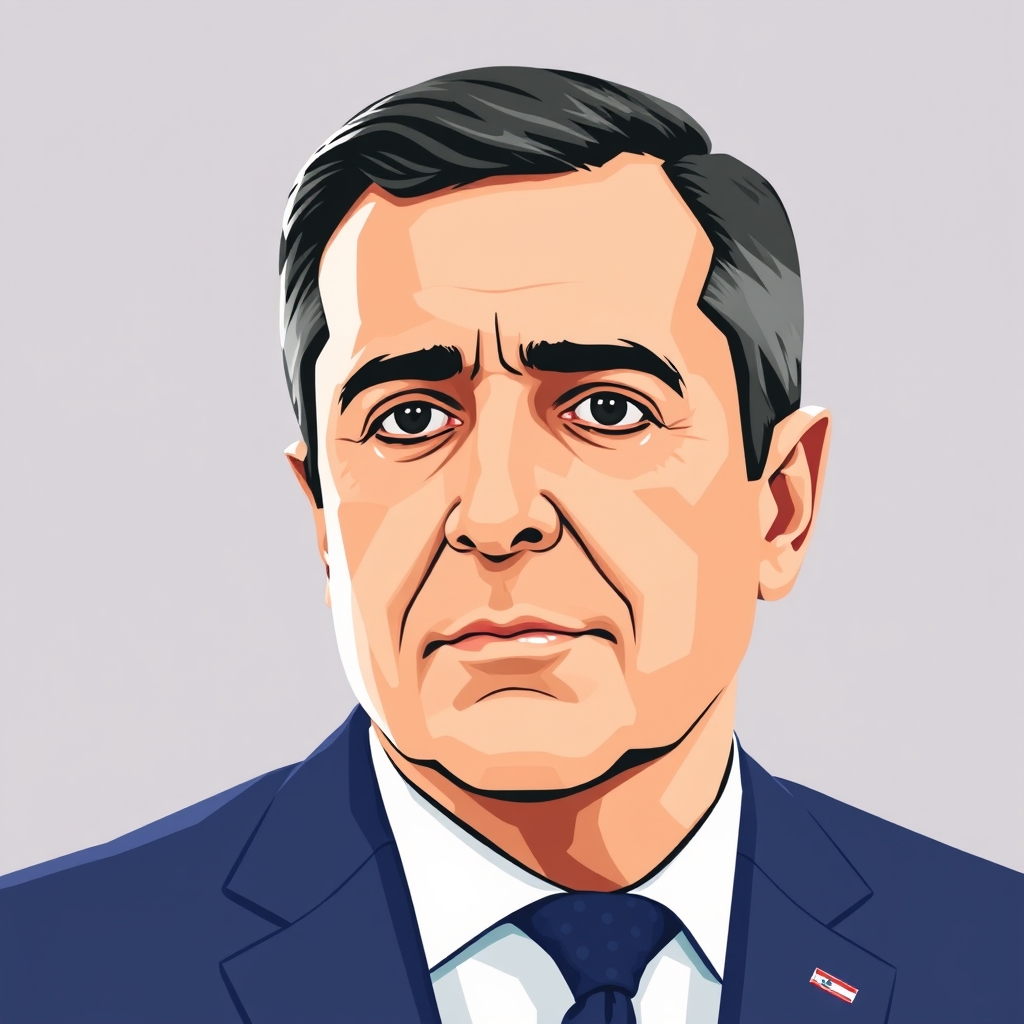
Pedro Sanchez
VS
Far-right forces
?
No actors in this side.
No actors in this side.
Pedro Sánchez is the Prime Minister of Spain and leader of the Spanish Socialist Workers' Party (PSOE).
He has positioned himself as a leading progressive voice in Europe, hosting left-wing leaders at rallies promoting democracy and progressive unity, and his government has been described as one of the most left-wing in Spanish history.
Far-right forces in Spain and across Europe—including parties such as Vox in Spain and Alternative for Germany (AfD)—have been gaining electoral ground and political influence.
Sánchez has warned that these forces are attacking Spain and undermining democratic values, while conservative and far-right parties have sharply criticized his government, contributing to heightened political polarization.
The two sides have conflicting visions for Spain and Europe: Sánchez advocates for progressive unity and democratic resistance against the far right, while far-right parties seek to expand their electoral power and influence.
This contest has played out in elections, public rallies, and international forums such as the United Nations General Assembly.
*AI-generated summary of publicly available data. This is not an official statement of any party.
*AI-generated summary of publicly available statements and reporting. This is not an official statement of this party.
Supporters of Pedro Sanchez frame his UN warning as a cultural defense of pluralism, recalling how Spain's democratic memory movement rebuilt civic identity after Franco's dictatorship.
Supporters of Pedro Sanchez argue that far-right forces threaten Spain's pluralist, democratic culture, invoking historical memory of authoritarianism to cast his UN warning as a defense of coexistence.
Supporters of Pedro Sanchez counter that Spain's cultural identity has always been plural and mestiza, shaped by centuries of migration and exchange, so invoking tradition to exclude others distorts the very heritage far-right voters claim to defend.
Supporters of Pedro Sanchez argue that international law and multilateral institutions give his government the legal standing to name far-right forces as a threat to rights and democratic order.
Supporters of Pedro Sanchez argue that international law and human rights frameworks obligate governments to actively counter far-right forces, since their rise threatens the legal order Sanchez defends.
Supporters of Pedro Sanchez counter that labeling rivals is political speech, not defamation, since no identifiable individual was named, and Spanish law protects robust criticism of political positions.
Supporters of Pedro Sanchez argue that naming far-right forces at the UN is strategic branding: it frames his coalition as humanity's defender, consolidating global alliances and moral leverage against rivals at home and abroad.
Supporters of Pedro Sanchez argue that naming far-right forces as selfish and cruel at the UNGA consolidates his coalition, frames rivals as a global threat, and wins international backing for his domestic agenda.
Supporters of Pedro Sanchez counter that the far-right's rising electoral threat is itself the coalition's binding agent, so naming it costs nothing and consolidates power—no manufactured enemy required.
Supporters of Pedro Sanchez argue that unchecked far-right power threatens human dignity, citing his UNGA warning that such forces are "selfish, ignorant and cruel." They frame opposing them as a moral duty.
Supporters of Pedro Sanchez argue that labeling far-right forces selfish and cruel is a moral duty, since unchecked power threatens human dignity and multilateral cooperation.
Supporters of Pedro Sanchez counter that calling out cruelty is not intolerance: they argue that labeling racist and exclusionary rhetoric as such upholds the moral duty to protect vulnerable citizens, not to demonize dissent.
Supporters of Pedro Sanchez frame the far-right surge as a spiritual crisis, arguing that religious tradition calls for compassion toward migrants and the poor, and that the far-right's "selfish, ignorant and cruel" politics betrays those inherited moral teachings.
Supporters of Pedro Sanchez contend that religious tradition teaches human dignity and solidarity, so they argue his warning against far-right forces defends the moral order faith upholds.
Supporters of Pedro Sanchez counter that Spain's Christian heritage itself calls for welcoming the stranger and protecting the vulnerable, so defending faith and family need not mean rejecting global institutions.
*AI-generated summary of publicly available statements and reporting. This is not an official statement of this party.
Supporters of far-right forces argue Sanchez's UNGA attack on them as "ignorant" dismisses the cultural identity and national traditions their voters seek to preserve.
Supporters of Far-right forces argue Sanchez's UNGA label "selfish, ignorant and cruel" dismisses voters who defend national culture and identity, not hate.
Supporters of Far-right forces counter that Spain's true cultural identity rests on Catholic tradition and Hispanic heritage, not a pluralism they see as erasing that shared history.
Supporters of Far-right forces argue Sanchez's UNGA label is defamation, not debate, and that legal speech protections bar a sitting PM from branding political rivals "ignorant and cruel" to discredit them.
Supporters of far-right forces argue Sanchez's UNGA framing flouts democratic norms by branding millions of opposition voters "cruel," delegitimizing lawful political dissent rather than debating it.
Supporters of Far-right forces counter that no binding international legal instrument empowers a national leader to designate domestic political rivals as threats, making such naming a political act beyond established legal authority.
Supporters of Far-right forces argue Sanchez brands them to mask his own weak coalition, since naming an enemy rallies voters more cheaply than delivering results.
Supporters of Far-right forces argue Sanchez's UNGA attack is a bid to distract from his own weak coalition, casting rivals as existential threats to consolidate power rather than debate them on policy.
Supporters of far-right forces counter that Sanchez's UN branding buys foreign applause at home's expense, and that voters reward parties delivering material gains, not moral theater abroad.
Supporters of far-right forces argue that Sanchez's "selfish, ignorant, cruel" label is itself intolerant—a moral inversion that brands patriotic voters as enemies rather than fellow citizens, echoing a recurring pattern of ruling parties demonizing dissent.
Supporters of Far-right forces argue that Sanchez's UN speech itself proves the moral case: they say a leader who brands millions of voters "cruel" shows contempt for ordinary people rather than dialogue.
Supporters of far-right forces counter that moral labels cut both ways, arguing that a movement speaking for native workers and traditional families cannot be reduced to a slogan—and that dignity is owed to those voters too.
Supporters of Far-right forces argue that Sanchez's UN speech shows his government favors globalist institutions over Spain's Christian heritage, and they maintain that defending faith and family is neither selfish nor cruel.
Supporters of far-right forces counter that Sanchez's UN speech, by branding them "selfish, ignorant and cruel," shows a government hostile to religious faith and moral order.
Supporters of far-right forces counter that scripture also commands nations to uphold justice, order, and sovereignty, and they argue that border enforcement and national loyalty are themselves biblically grounded duties, not betrayals of faith.
AI-generated summary of publicly available statements and reporting. This is not an official statement of this party.
Supporters of Pedro Sanchez frame his UN warning as a cultural defense of pluralism, recalling how Spain's democratic memory movement rebuilt civic identity after Franco's dictatorship.
Supporters of Pedro Sanchez argue that far-right forces threaten Spain's pluralist, democratic culture, invoking historical memory of authoritarianism to cast his UN warning as a defense of coexistence.
Supporters of Pedro Sanchez counter that Spain's cultural identity has always been plural and mestiza, shaped by centuries of migration and exchange, so invoking tradition to exclude others distorts the very heritage far-right voters claim to defend.
Supporters of Pedro Sanchez argue that international law and multilateral institutions give his government the legal standing to name far-right forces as a threat to rights and democratic order.
Supporters of Pedro Sanchez argue that international law and human rights frameworks obligate governments to actively counter far-right forces, since their rise threatens the legal order Sanchez defends.
Supporters of Pedro Sanchez counter that labeling rivals is political speech, not defamation, since no identifiable individual was named, and Spanish law protects robust criticism of political positions.
Supporters of Pedro Sanchez argue that naming far-right forces at the UN is strategic branding: it frames his coalition as humanity's defender, consolidating global alliances and moral leverage against rivals at home and abroad.
Supporters of Pedro Sanchez argue that naming far-right forces as selfish and cruel at the UNGA consolidates his coalition, frames rivals as a global threat, and wins international backing for his domestic agenda.
Supporters of Pedro Sanchez counter that the far-right's rising electoral threat is itself the coalition's binding agent, so naming it costs nothing and consolidates power—no manufactured enemy required.
Supporters of Pedro Sanchez argue that unchecked far-right power threatens human dignity, citing his UNGA warning that such forces are "selfish, ignorant and cruel." They frame opposing them as a moral duty.
Supporters of Pedro Sanchez argue that labeling far-right forces selfish and cruel is a moral duty, since unchecked power threatens human dignity and multilateral cooperation.
Supporters of Pedro Sanchez counter that calling out cruelty is not intolerance: they argue that labeling racist and exclusionary rhetoric as such upholds the moral duty to protect vulnerable citizens, not to demonize dissent.
Supporters of Pedro Sanchez frame the far-right surge as a spiritual crisis, arguing that religious tradition calls for compassion toward migrants and the poor, and that the far-right's "selfish, ignorant and cruel" politics betrays those inherited moral teachings.
Supporters of Pedro Sanchez contend that religious tradition teaches human dignity and solidarity, so they argue his warning against far-right forces defends the moral order faith upholds.
Supporters of Pedro Sanchez counter that Spain's Christian heritage itself calls for welcoming the stranger and protecting the vulnerable, so defending faith and family need not mean rejecting global institutions.
Supporters of far-right forces argue Sanchez's UNGA attack on them as "ignorant" dismisses the cultural identity and national traditions their voters seek to preserve.
Supporters of Far-right forces argue Sanchez's UNGA label "selfish, ignorant and cruel" dismisses voters who defend national culture and identity, not hate.
Supporters of Far-right forces counter that Spain's true cultural identity rests on Catholic tradition and Hispanic heritage, not a pluralism they see as erasing that shared history.
Supporters of Far-right forces argue Sanchez's UNGA label is defamation, not debate, and that legal speech protections bar a sitting PM from branding political rivals "ignorant and cruel" to discredit them.
Supporters of far-right forces argue Sanchez's UNGA framing flouts democratic norms by branding millions of opposition voters "cruel," delegitimizing lawful political dissent rather than debating it.
Supporters of Far-right forces counter that no binding international legal instrument empowers a national leader to designate domestic political rivals as threats, making such naming a political act beyond established legal authority.
Supporters of Far-right forces argue Sanchez brands them to mask his own weak coalition, since naming an enemy rallies voters more cheaply than delivering results.
Supporters of Far-right forces argue Sanchez's UNGA attack is a bid to distract from his own weak coalition, casting rivals as existential threats to consolidate power rather than debate them on policy.
Supporters of far-right forces counter that Sanchez's UN branding buys foreign applause at home's expense, and that voters reward parties delivering material gains, not moral theater abroad.
Supporters of far-right forces argue that Sanchez's "selfish, ignorant, cruel" label is itself intolerant—a moral inversion that brands patriotic voters as enemies rather than fellow citizens, echoing a recurring pattern of ruling parties demonizing dissent.
Supporters of Far-right forces argue that Sanchez's UN speech itself proves the moral case: they say a leader who brands millions of voters "cruel" shows contempt for ordinary people rather than dialogue.
Supporters of far-right forces counter that moral labels cut both ways, arguing that a movement speaking for native workers and traditional families cannot be reduced to a slogan—and that dignity is owed to those voters too.
Supporters of Far-right forces argue that Sanchez's UN speech shows his government favors globalist institutions over Spain's Christian heritage, and they maintain that defending faith and family is neither selfish nor cruel.
Supporters of far-right forces counter that Sanchez's UN speech, by branding them "selfish, ignorant and cruel," shows a government hostile to religious faith and moral order.
Supporters of far-right forces counter that scripture also commands nations to uphold justice, order, and sovereignty, and they argue that border enforcement and national loyalty are themselves biblically grounded duties, not betrayals of faith.
Spanish PM Pedro Sanchez warned of the growing power of far-right forces in a speech at the UN General Assembly.
Pedro Sánchez said that far-right forces across Europe and across the Atlantic are 'currently attacking' Spain, following an electoral victory by the far-right Alternative for Germany (AfD).
The PSOE led by Pedro Sánchez won the most seats, while the far-right party Vox won seats in the Spanish parliament for the first time, marking a breakthrough for the far right in Spain.