Pentagon

VS
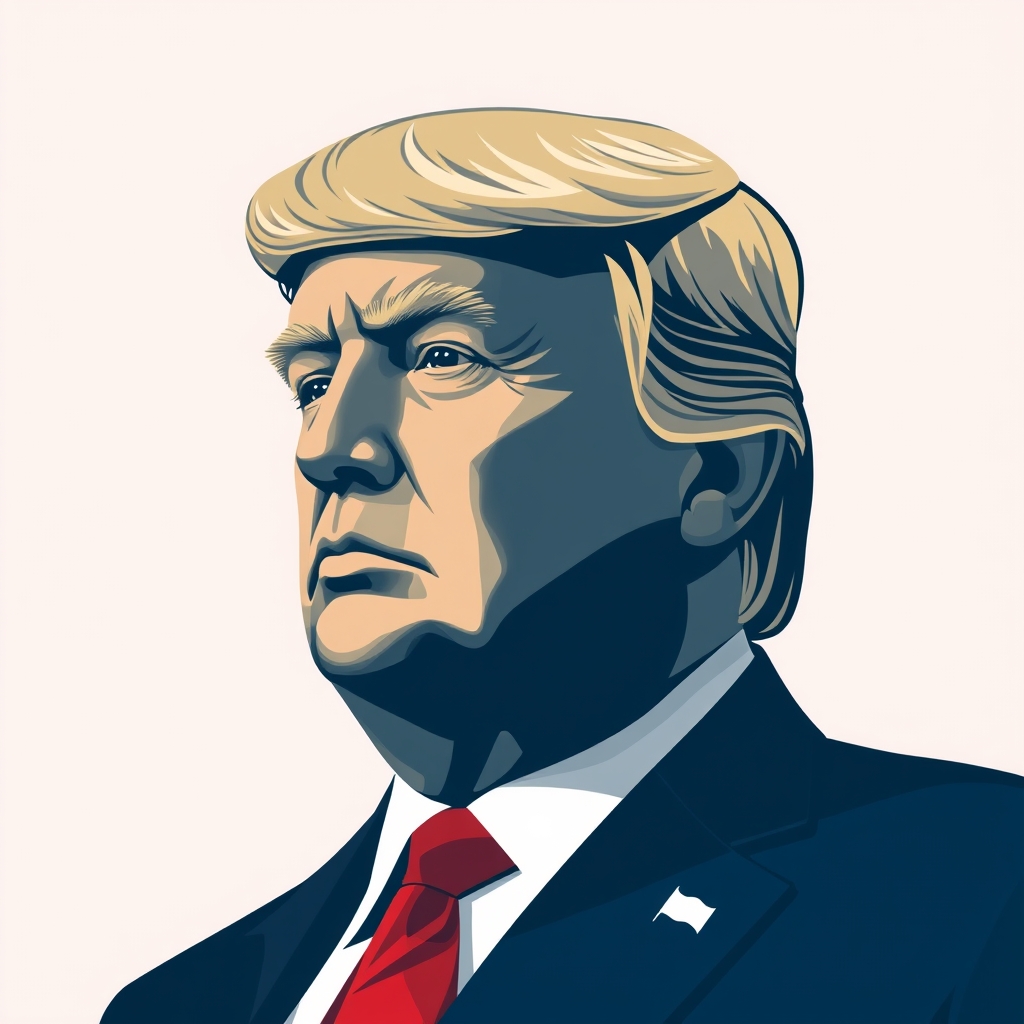
Critics of the Trump administration
The Pentagon is the headquarters of the United States Department of Defense, located in Arlington County, Virginia, across the Potomac River from Washington, D.C.
It is one of the world's largest office buildings, housing over 23,000 military and civilian employees, and serves as the center of U.S. military command and administration.
Critics of the Trump administration are individuals and groups who oppose the policies and actions of the administration, particularly regarding transparency, free speech, and the use of government power.
The conflict arises from a Washington Post report that the Pentagon secretly hired military influencers to attack critics of the Trump administration on social media.
This action raises concerns about the Pentagon's use of social media for propaganda and the suppression of dissent, pitting the Pentagon and its supporters against critics who view it as an infringement on free speech and transparency.
The dispute centers on whether such covert influence operations are a legitimate defense of administration policies or an overreach that undermines democratic principles.
*AI-generated summary of publicly available data. This is not an official statement of any party.
*AI-generated summary of publicly available statements and reporting. This is not an official statement of this party.
Supporters of the Pentagon see this as defending national cultural unity, framing critics as threats to institutional credibility. They argue military influencers uphold patriotic identity, viewing transparency demands as foreign to operational security.
Supporters of the Pentagon argue that defending national narratives is a cultural duty, framing the influencer effort as protecting institutional integrity against corrosive dissent.
Supporters of the Pentagon counter that military credibility rests on defending national cohesion, not on appeasing online critics, and that countering hostile narratives is a civic duty, not a betrayal of cultural tradition.
Supporters of the Pentagon argue that its social media engagement falls within lawful public affairs discretion, citing the need to counter misinformation in a competitive information environment.
Supporters of the Pentagon argue that the hiring of military influencers is a lawful exercise of executive authority under existing regulations, provided it complies with federal ethics rules and transparency reporting.
Supporters of the Pentagon counter that judicial review is premature, as the military's internal compliance mechanisms already vet information operations against statutory limits, and courts defer on national security matters absent concrete harm.
Supporters of the Pentagon argue the influencer operation is a pragmatic countermeasure, not propaganda; in their view, controlling the narrative is a necessary power tool to blunt hostile criticism and secure strategic objectives.
Supporters of the Pentagon argue this is standard influence warfare: states weaponize perception, and the critics are merely soft targets in a credibility battle.
Supporters of the Pentagon counter that the influencer hires are a defensive necessity, not an offensive weapon, aimed at countering foreign disinformation that already floods U.S. platforms.
Supporters of the Pentagon argue that countering misinformation is a moral duty, viewing the influencers as defenders of factual integrity against partisan attacks.
Supporters of the Pentagon argue that defending national security and countering disinformation justifies its influencer campaign, viewing it as a moral duty to protect service members from harmful narratives.
Supporters of the Pentagon counter that transparency itself is not an absolute moral good, as secrecy can protect lives and uphold a higher duty to national security, treating citizens as beneficiaries of safety rather than targets of distrust.
Supporters of the Pentagon argue that defending national security justifies countering misinformation, viewing it as a moral duty to uphold order and truth against perceived threats.
Supporters of the Pentagon argue that defending national security, even through online influence, is a moral duty rooted in the scriptural call to protect the community from harm.
Supporters of the Pentagon counter that divine order requires obedience to lawful authority, citing Romans 13, where submission to governing powers honors God’s design, not concealment of truth.
*AI-generated summary of publicly available statements and reporting. This is not an official statement of this party.
Supporters of critics of the Trump administration argue that the Pentagon’s secret hiring of influencers to attack dissent echoes Cold War propaganda tactics, betraying a cultural tradition where military credibility is earned, not performed for partisan gain.
Supporters of the Trump administration's critics argue that the Pentagon's covert influencer campaign echoes past propaganda abuses, treating dissent as a cultural threat to be managed rather than a civic right to be heard.
Critics of the Trump administration counter that military influencer culture erodes, not defends, national unity by blurring institutional credibility with partisan spectacle.
Supporters of Critics of the Trump administration argue that the Pentagon's covert influence campaign violates statutory prohibitions on domestic propaganda and the First Amendment, urging judicial review to enforce transparency.
Supporters of the Pentagon’s critics argue the covert influencer program violates statutory transparency mandates, as covert propaganda operations require congressional oversight under U.S. law.
Critics of the Trump administration counter that Pentagon social media outreach must adhere to statutory limits, not discretionary branding, and they argue that using official channels for political messaging violates the Hatch Act’s legal boundaries.
Supporters of Critics of the Trump administration argue the Pentagon's influencer hires are a power play, not oversight, using state-backed social media to punish dissenters and manufacture consent for the administration's agenda.
Supporters of the critics argue the Pentagon’s influencer hiring is a naked power play to weaponize optics, silencing dissent by controlling the narrative and rewarding loyalists over truth.
Critics of the Trump administration counter that the operation is a blunt instrument for domestic political gain, not a strategic shield; they see the Pentagon’s influence campaign as a move to consolidate elite control by discrediting dissent, yet the backlash it triggers proves.
Supporters of Critics of the Trump administration argue that covert Pentagon campaigns to discredit dissent violate the moral duty of transparent governance, treating citizens as enemies rather than equals under divine law.
Supporters of the Critics of the Trump administration argue that secretly deploying military influencers to attack dissent violates the moral duty of truthfulness, turning state power against honest speech.
Critics of the Trump administration counter that the Pentagon’s moral duty is to truth itself, not to weaponized narratives, and that labeling critics as “misinformation” silences legitimate dissent.
Supporters of Critics of the Trump administration argue that the Pentagon’s covert campaign violates the biblical call for truth and transparency, treating dissent as heresy rather than a civic virtue.
Supporters of the Trump administration's critics argue that covert Pentagon campaigns to discredit dissent violate the sacred civic duty of truthful speech, undermining the moral trust that binds a republic.
Supporters of Critics of the Trump administration counter that no earthly institution, including the Pentagon, holds a divine mandate to define truth, arguing that such claims overstep human authority and echo a dangerous conflation of national power with moral infallibility.
AI-generated summary of publicly available statements and reporting. This is not an official statement of this party.
Supporters of the Pentagon see this as defending national cultural unity, framing critics as threats to institutional credibility. They argue military influencers uphold patriotic identity, viewing transparency demands as foreign to operational security.
Supporters of the Pentagon argue that defending national narratives is a cultural duty, framing the influencer effort as protecting institutional integrity against corrosive dissent.
Supporters of the Pentagon counter that military credibility rests on defending national cohesion, not on appeasing online critics, and that countering hostile narratives is a civic duty, not a betrayal of cultural tradition.
Supporters of the Pentagon argue that its social media engagement falls within lawful public affairs discretion, citing the need to counter misinformation in a competitive information environment.
Supporters of the Pentagon argue that the hiring of military influencers is a lawful exercise of executive authority under existing regulations, provided it complies with federal ethics rules and transparency reporting.
Supporters of the Pentagon counter that judicial review is premature, as the military's internal compliance mechanisms already vet information operations against statutory limits, and courts defer on national security matters absent concrete harm.
Supporters of the Pentagon argue the influencer operation is a pragmatic countermeasure, not propaganda; in their view, controlling the narrative is a necessary power tool to blunt hostile criticism and secure strategic objectives.
Supporters of the Pentagon argue this is standard influence warfare: states weaponize perception, and the critics are merely soft targets in a credibility battle.
Supporters of the Pentagon counter that the influencer hires are a defensive necessity, not an offensive weapon, aimed at countering foreign disinformation that already floods U.S. platforms.
Supporters of the Pentagon argue that countering misinformation is a moral duty, viewing the influencers as defenders of factual integrity against partisan attacks.
Supporters of the Pentagon argue that defending national security and countering disinformation justifies its influencer campaign, viewing it as a moral duty to protect service members from harmful narratives.
Supporters of the Pentagon counter that transparency itself is not an absolute moral good, as secrecy can protect lives and uphold a higher duty to national security, treating citizens as beneficiaries of safety rather than targets of distrust.
Supporters of the Pentagon argue that defending national security justifies countering misinformation, viewing it as a moral duty to uphold order and truth against perceived threats.
Supporters of the Pentagon argue that defending national security, even through online influence, is a moral duty rooted in the scriptural call to protect the community from harm.
Supporters of the Pentagon counter that divine order requires obedience to lawful authority, citing Romans 13, where submission to governing powers honors God’s design, not concealment of truth.
Supporters of critics of the Trump administration argue that the Pentagon’s secret hiring of influencers to attack dissent echoes Cold War propaganda tactics, betraying a cultural tradition where military credibility is earned, not performed for partisan gain.
Supporters of the Trump administration's critics argue that the Pentagon's covert influencer campaign echoes past propaganda abuses, treating dissent as a cultural threat to be managed rather than a civic right to be heard.
Critics of the Trump administration counter that military influencer culture erodes, not defends, national unity by blurring institutional credibility with partisan spectacle.
Supporters of Critics of the Trump administration argue that the Pentagon's covert influence campaign violates statutory prohibitions on domestic propaganda and the First Amendment, urging judicial review to enforce transparency.
Supporters of the Pentagon’s critics argue the covert influencer program violates statutory transparency mandates, as covert propaganda operations require congressional oversight under U.S. law.
Critics of the Trump administration counter that Pentagon social media outreach must adhere to statutory limits, not discretionary branding, and they argue that using official channels for political messaging violates the Hatch Act’s legal boundaries.
Supporters of Critics of the Trump administration argue the Pentagon's influencer hires are a power play, not oversight, using state-backed social media to punish dissenters and manufacture consent for the administration's agenda.
Supporters of the critics argue the Pentagon’s influencer hiring is a naked power play to weaponize optics, silencing dissent by controlling the narrative and rewarding loyalists over truth.
Critics of the Trump administration counter that the operation is a blunt instrument for domestic political gain, not a strategic shield; they see the Pentagon’s influence campaign as a move to consolidate elite control by discrediting dissent, yet the backlash it triggers proves.
Supporters of Critics of the Trump administration argue that covert Pentagon campaigns to discredit dissent violate the moral duty of transparent governance, treating citizens as enemies rather than equals under divine law.
Supporters of the Critics of the Trump administration argue that secretly deploying military influencers to attack dissent violates the moral duty of truthfulness, turning state power against honest speech.
Critics of the Trump administration counter that the Pentagon’s moral duty is to truth itself, not to weaponized narratives, and that labeling critics as “misinformation” silences legitimate dissent.
Supporters of Critics of the Trump administration argue that the Pentagon’s covert campaign violates the biblical call for truth and transparency, treating dissent as heresy rather than a civic virtue.
Supporters of the Trump administration's critics argue that covert Pentagon campaigns to discredit dissent violate the sacred civic duty of truthful speech, undermining the moral trust that binds a republic.
Supporters of Critics of the Trump administration counter that no earthly institution, including the Pentagon, holds a divine mandate to define truth, arguing that such claims overstep human authority and echo a dangerous conflation of national power with moral infallibility.
The Pentagon has secretly hired military influencers to attack critics of the Trump administration, The Washington Post has claimed Read Full Article at RT.com