Pentagon inspector general

VS
Donald Trump
The Pentagon inspector general is the independent oversight office within the U.S.
Department of Defense, responsible for auditing and investigating the department to detect waste, abuse of authority, and mismanagement.
The office is led by an inspector general who is nominated by the president and confirmed by the Senate, and it operates a defense hotline for reporting misconduct.
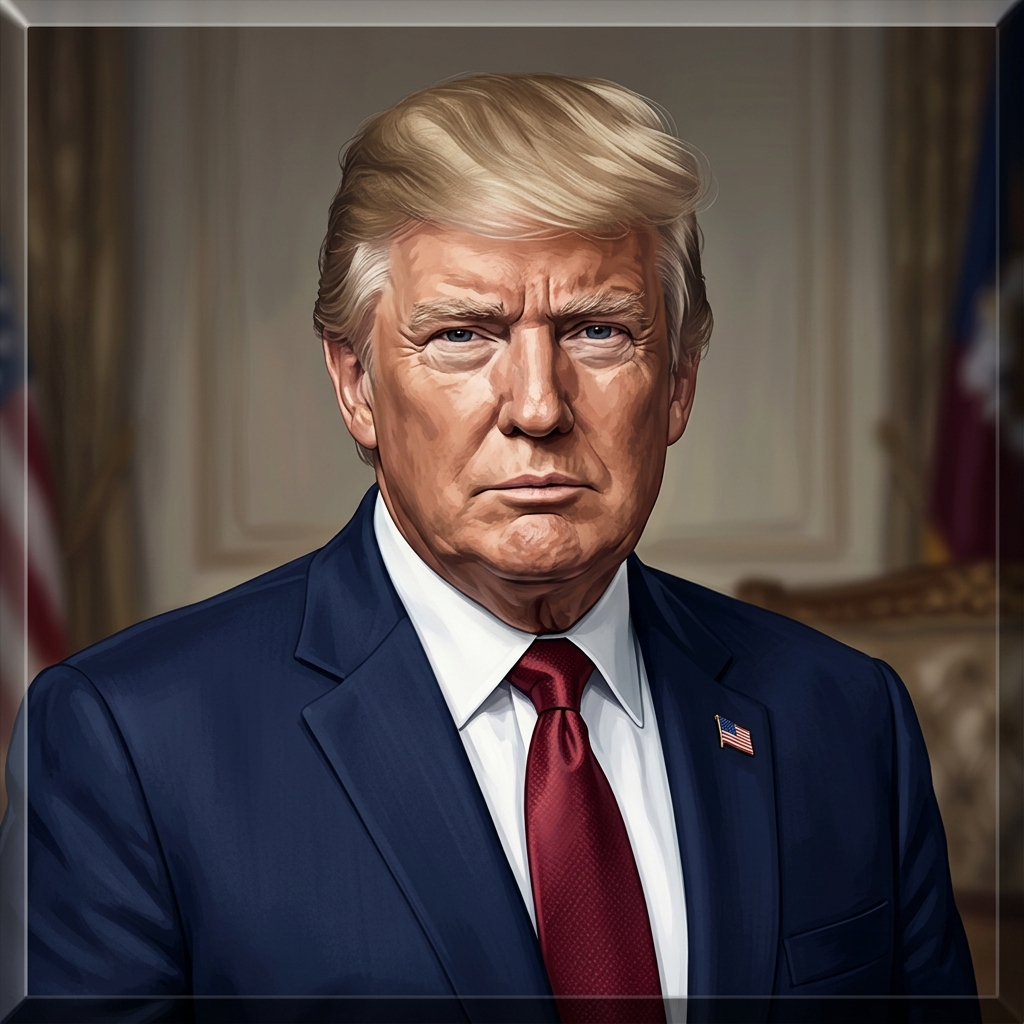
Donald Trump is the President of the United States, whose administration has overseen military operations, including strikes on boats and Operation Epic Fury against Iran.
The two parties have come into conflict over the scope and independence of Pentagon oversight.
The Pentagon inspector general was named the lead government watchdog for reviewing the Trump administration's Operation Epic Fury, but the office also froze a proposal to evaluate military targeting in the administration's boat strikes.
Meanwhile, President Trump has fired or demoted at least 20 inspectors general across the government and replaced them with allies, a move that eight fired inspectors general challenged in a lawsuit arguing the removals were unlawful.
The dispute centers on whether the Pentagon inspector general can conduct independent reviews of military operations without political interference.
The administration's actions have raised concerns about government accountability and the ability of watchdogs to scrutinize the executive branch, while the inspector general's office continues to manage its oversight responsibilities.
*AI-generated summary of publicly available data. This is not an official statement of any party.
*AI-generated summary of publicly available statements and reporting. This is not an official statement of this party.
Supporters of the Pentagon inspector general argue that institutional findings, not political rhetoric, must anchor public trust in military readiness, and they maintain that respecting the office's factual reports preserves the accountability tradition on which stable civil-mili.
Supporters of the Pentagon inspector general argue that the office's findings uphold a cultural norm of institutional honesty, preserving public trust over political convenience.
Supporters of the Pentagon inspector general counter that military readiness reporting is a longstanding institutional duty, and that inherited oversight norms exist precisely to temper rhetorical resolve with documented facts.
Supporters of the Pentagon inspector general argue the office's legal duty is to report verified findings to Congress, so its munitions-shortfall conclusion stands on documented evidence regardless of President Trump's public claims.
Supporters of the Pentagon inspector general maintain that the law requires honest reporting to Congress, so documented munitions shortfalls and resupply bottlenecks must be disclosed regardless of President Trump's public claims.
Supporters of the Pentagon inspector general counter that an audit finding still triggers statutory reporting duties, and that executive discretion over public statements does not excuse noncompliance with the law.
Supporters of the Pentagon inspector general argue that documented shortfalls and resupply bottlenecks are leverage: an honest audit forces Congress and the White House to fund stockpiles rather than trust claims of limitless supply.
Supporters of the Pentagon inspector general argue the report exposes Trump's "virtually limitless" claim as a power play: controlling the narrative on munitions stockpiles matters more to him than the shortfalls themselves.
Supporters of the Pentagon inspector general counter that leverage built on inflated supply claims collapses the moment a real conflict tests it, and that adversaries probing actual stockpiles will expose the bluff, costing more credibility than candor ever would.
Supporters of the Pentagon inspector general argue that honesty about munitions shortfalls is a moral duty, since officials who publicly claim supplies are "virtually limitless" risk misleading the public and troops.
Supporters of the Pentagon inspector general argue that honesty about munitions shortfalls is a moral duty owed to troops and taxpayers, since officials who deny documented shortages risk leaving service members exposed.
Supporters of the Pentagon inspector general counter that accountability isn't a leak but a duty; hiding shortfalls endangers the troops who must fight, making honesty the higher moral obligation.
Supporters of the Pentagon inspector general argue that truthful witness is a moral duty, citing scripture's call to honest scales and just measures, and maintain that a leader's claims of limitless supply must yield to verified facts.
Supporters of the Pentagon inspector general argue that truthful witness is a moral duty, citing scripture's condemnation of falsehood, and maintain the report exposes a gap between the President's claims and the documented shortfalls.
Supporters of the Pentagon inspector general counter that scripture commands testing all things and holding fast to what is good, so verifying munitions claims is faithful stewardship, not a loss of faith in leadership.
*AI-generated summary of publicly available statements and reporting. This is not an official statement of this party.
Supporters of Donald Trump argue the inspector general's findings echo past bureaucratic resistance to military action, insisting such reports historically understate readiness and that Trump's "virtually limitless" framing reflects resolve, not literal inventory counts.
Supporters of Donald Trump argue that wartime readiness messaging is itself a cultural weapon, and that past presidents projected strength while stockpile details stayed classified, so they see the inspector general's report as a bureaucratic leak that undermines deterrence.
Supporters of Donald Trump counter that military readiness rests on warrior culture and commander trust, not inspector-general paperwork, and that past readiness crises were solved by leaders, not audits.
Supporters of Donald Trump argue the Pentagon inspector general's finding is a statutory audit, not proof of unlawful conduct, and that presidential public statements on military readiness fall within executive discretion rather than legal violation.
Supporters of Donald Trump argue the inspector general's findings lack binding legal force and that the president, as commander in chief, holds authority over military readiness claims.
Supporters of Donald Trump counter that the inspector general's reporting duty runs to the President as commander-in-chief, and that disputed findings on munitions stockpiles reflect contested internal assessments rather than binding legal conclusions.
Supporters of Donald Trump argue that public messaging of limitless supplies is itself a tool of leverage, since adversaries and allies both calibrate behavior to perceived strength, not to a Pentagon inventory report.
Supporters of Donald Trump maintain that projecting "virtually limitless" supplies is deliberate messaging to deter Iran and reassure allies, and that the inspector general's shortfall finding is a bureaucratic leak serving Pentagon budget interests.
Supporters of Donald Trump counter that publicizing shortfalls hands adversaries a map of weakness, so leverage belongs in private bargaining, not audits that invite Congress to grandstand.
Supporters of Donald Trump argue that wartime commanders must project confidence in abundant resupply, and they view the inspector general's shortfall finding as a bureaucratic leak that undermines deterrence rather than an honest reckoning.
Supporters of Donald Trump argue that the inspector general's finding reflects prudent wartime accounting, not failure—insisting that any temporary shortfall proves the military is actively engaged, and that questioning supply levels mid-conflict only aids Iran.
Supporters of Donald Trump counter that a leader's moral duty is to project strength and protect operational security, not to broadcast vulnerabilities that could embolden adversaries.
Supporters of Donald Trump argue that questioning his word on munitions reflects a deeper loss of faith in national leadership; they maintain that inherited authority deserves trust, not doubt, in matters of war.
Supporters of Donald Trump argue that questioning the President's assurances on munitions erodes public trust in the military, a trust they see as essential to national unity and moral resolve.
Supporters of Donald Trump counter that Scripture also commands obedience to governing authorities as ministers of God, so a leader's public statements serve the nation's morale and security rather than binding him to an inspector's standard.
AI-generated summary of publicly available statements and reporting. This is not an official statement of this party.
Supporters of the Pentagon inspector general argue that institutional findings, not political rhetoric, must anchor public trust in military readiness, and they maintain that respecting the office's factual reports preserves the accountability tradition on which stable civil-mili.
Supporters of the Pentagon inspector general argue that the office's findings uphold a cultural norm of institutional honesty, preserving public trust over political convenience.
Supporters of the Pentagon inspector general counter that military readiness reporting is a longstanding institutional duty, and that inherited oversight norms exist precisely to temper rhetorical resolve with documented facts.
Supporters of the Pentagon inspector general argue the office's legal duty is to report verified findings to Congress, so its munitions-shortfall conclusion stands on documented evidence regardless of President Trump's public claims.
Supporters of the Pentagon inspector general maintain that the law requires honest reporting to Congress, so documented munitions shortfalls and resupply bottlenecks must be disclosed regardless of President Trump's public claims.
Supporters of the Pentagon inspector general counter that an audit finding still triggers statutory reporting duties, and that executive discretion over public statements does not excuse noncompliance with the law.
Supporters of the Pentagon inspector general argue that documented shortfalls and resupply bottlenecks are leverage: an honest audit forces Congress and the White House to fund stockpiles rather than trust claims of limitless supply.
Supporters of the Pentagon inspector general argue the report exposes Trump's "virtually limitless" claim as a power play: controlling the narrative on munitions stockpiles matters more to him than the shortfalls themselves.
Supporters of the Pentagon inspector general counter that leverage built on inflated supply claims collapses the moment a real conflict tests it, and that adversaries probing actual stockpiles will expose the bluff, costing more credibility than candor ever would.
Supporters of the Pentagon inspector general argue that honesty about munitions shortfalls is a moral duty, since officials who publicly claim supplies are "virtually limitless" risk misleading the public and troops.
Supporters of the Pentagon inspector general argue that honesty about munitions shortfalls is a moral duty owed to troops and taxpayers, since officials who deny documented shortages risk leaving service members exposed.
Supporters of the Pentagon inspector general counter that accountability isn't a leak but a duty; hiding shortfalls endangers the troops who must fight, making honesty the higher moral obligation.
Supporters of the Pentagon inspector general argue that truthful witness is a moral duty, citing scripture's call to honest scales and just measures, and maintain that a leader's claims of limitless supply must yield to verified facts.
Supporters of the Pentagon inspector general argue that truthful witness is a moral duty, citing scripture's condemnation of falsehood, and maintain the report exposes a gap between the President's claims and the documented shortfalls.
Supporters of the Pentagon inspector general counter that scripture commands testing all things and holding fast to what is good, so verifying munitions claims is faithful stewardship, not a loss of faith in leadership.
Supporters of Donald Trump argue the inspector general's findings echo past bureaucratic resistance to military action, insisting such reports historically understate readiness and that Trump's "virtually limitless" framing reflects resolve, not literal inventory counts.
Supporters of Donald Trump argue that wartime readiness messaging is itself a cultural weapon, and that past presidents projected strength while stockpile details stayed classified, so they see the inspector general's report as a bureaucratic leak that undermines deterrence.
Supporters of Donald Trump counter that military readiness rests on warrior culture and commander trust, not inspector-general paperwork, and that past readiness crises were solved by leaders, not audits.
Supporters of Donald Trump argue the Pentagon inspector general's finding is a statutory audit, not proof of unlawful conduct, and that presidential public statements on military readiness fall within executive discretion rather than legal violation.
Supporters of Donald Trump argue the inspector general's findings lack binding legal force and that the president, as commander in chief, holds authority over military readiness claims.
Supporters of Donald Trump counter that the inspector general's reporting duty runs to the President as commander-in-chief, and that disputed findings on munitions stockpiles reflect contested internal assessments rather than binding legal conclusions.
Supporters of Donald Trump argue that public messaging of limitless supplies is itself a tool of leverage, since adversaries and allies both calibrate behavior to perceived strength, not to a Pentagon inventory report.
Supporters of Donald Trump maintain that projecting "virtually limitless" supplies is deliberate messaging to deter Iran and reassure allies, and that the inspector general's shortfall finding is a bureaucratic leak serving Pentagon budget interests.
Supporters of Donald Trump counter that publicizing shortfalls hands adversaries a map of weakness, so leverage belongs in private bargaining, not audits that invite Congress to grandstand.
Supporters of Donald Trump argue that wartime commanders must project confidence in abundant resupply, and they view the inspector general's shortfall finding as a bureaucratic leak that undermines deterrence rather than an honest reckoning.
Supporters of Donald Trump argue that the inspector general's finding reflects prudent wartime accounting, not failure—insisting that any temporary shortfall proves the military is actively engaged, and that questioning supply levels mid-conflict only aids Iran.
Supporters of Donald Trump counter that a leader's moral duty is to project strength and protect operational security, not to broadcast vulnerabilities that could embolden adversaries.
Supporters of Donald Trump argue that questioning his word on munitions reflects a deeper loss of faith in national leadership; they maintain that inherited authority deserves trust, not doubt, in matters of war.
Supporters of Donald Trump argue that questioning the President's assurances on munitions erodes public trust in the military, a trust they see as essential to national unity and moral resolve.
Supporters of Donald Trump counter that Scripture also commands obedience to governing authorities as ministers of God, so a leader's public statements serve the nation's morale and security rather than binding him to an inspector's standard.
The inspector also found a bottleneck in resupply, despite President Donald Trump's claims that US supplies are "virtually limitless".
The Pentagon's Inspector General was designated as the lead government watchdog in the review of the Trump administration's Operation Epic Fury.
The Pentagon's new inspector general froze a proposal to evaluate military targeting in the Trump administration's strikes on boats.
Eight fired inspectors general sued the Trump administration in February, asking a federal judge to declare their firings unlawful and to restore their positions.
A blog post from Our Public Service reported that President Trump's removal of inspectors general threatens government accountability and efficiency, and noted that the removals were ruled illegal because federal law requires presidents to provide Congress with advance notice.