Peter Thiel

VS
Pope Leo
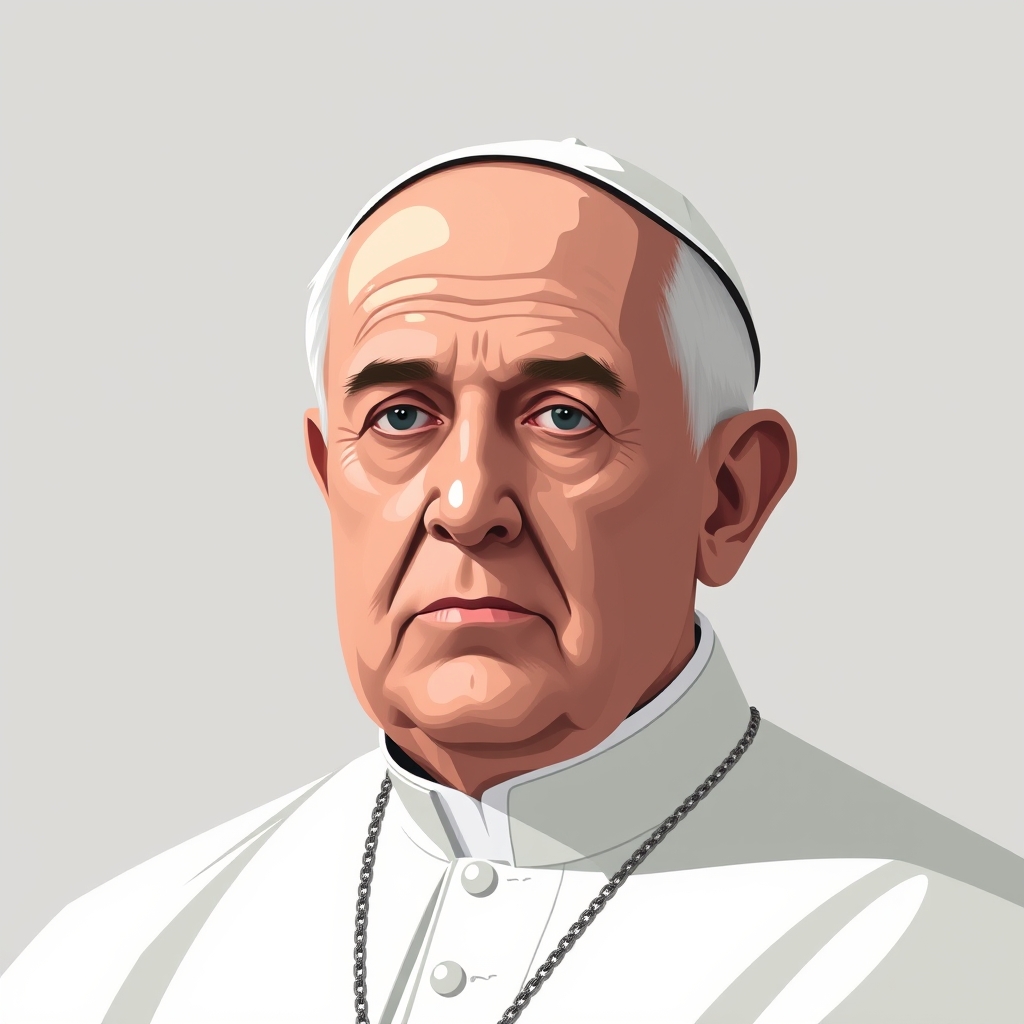
Palantir co-founder Peter Thiel has accused Pope Leo of using warnings about artificial intelligence to distract Catholics from the church's sex abuse scandals.
The dispute centers on whether the Pope's AI concerns are a genuine moral stance or a diversionary tactic.
*AI-generated summary of publicly available data. This is not an official statement of any party.
*AI-generated summary of publicly available statements and reporting. This is not an official statement of this party.
Supporters of Peter Thiel argue that Pope Leo’s AI warnings function culturally as a distraction, shifting Catholic attention away from the church’s sex abuse scandals and toward a novel technological fear.
Supporters of Peter Thiel argue that the church’s moral authority on AI is undermined when it has not fully reckoned with its own scandals.
Supporters of Peter Thiel counter that appeals to Catholic social teaching are themselves inherited authority, and that tradition has often resisted the decentralized, individual-empowering technologies that disrupt entrenched institutions.
Supporters of Peter Thiel argue that the Pope's AI warnings function as a legal deflection, shifting institutional scrutiny away from the church's abuse liability and onto a technological scapegoat.
Supporters of Peter Thiel argue that scrutinizing the Pope's AI warnings is legitimate, since accountability for past abuse scandals is a legal and moral duty the church cannot deflect.
Supporters of Peter Thiel counter that a moral duty claim offers no legal safe harbor; in their view, unverified warnings that chill reporting obligations can still constitute obstruction regardless of intent.
Supporters of Peter Thiel argue that Pope Leo’s AI warnings function as a strategic diversion, shifting Catholic attention away from abuse scandals and toward a safer, abstract target.
Supporters of Peter Thiel argue the Pope's AI warnings shift attention from the church's abuse scandals, since moral outrage is a currency best spent where it deflects scrutiny from institutional liabilities.
Supporters of Peter Thiel counter that the Church’s own record on abuse gives it little standing to lecture on AI ethics—they argue moral authority, not investment stakes, is what’s actually at issue.
Supporters of Peter Thiel argue that moral authority on AI rings hollow from an institution they say shielded abusers, making the Pope's warnings look like deflection rather than principle.
Supporters of Peter Thiel argue that the church’s own abuse failures forfeit its moral authority to lecture on AI, so Pope Leo’s warnings function as a distraction from accountability.
Supporters of Peter Thiel counter that moral duty without accountability is hollow, since unexamined AI warnings can shield institutions from scrutiny of their own conduct.
Supporters of Peter Thiel argue that Pope Leo's AI warnings function as a moral distraction, letting church leaders avoid accountability for sex abuse scandals; they contend true pastoral duty demands addressing abuse first.
Supporters of Peter Thiel argue that the Pope’s AI warnings serve as a doctrinal distraction, diverting the faithful’s moral attention from the church’s unresolved abuse scandals. They frame this as a failure of pastoral accountability.
Supporters of Peter Thiel counter that scripture commands dominion over creation, not restraint, so the Church's caution on AI risks treating a God-given tool as forbidden fruit.
*AI-generated summary of publicly available statements and reporting. This is not an official statement of this party.
Supporters of Pope Leo argue that Catholic social teaching has long warned against new technologies that concentrate power over the vulnerable, so his AI critique continues that tradition rather than deflecting from abuse.
Supporters of Pope Leo argue that his AI warnings continue a long Catholic tradition of moral teaching on new technologies, and that raising such concerns does not erase the church's reckoning with abuse.
Supporters of Pope Leo counter that Catholic social teaching has addressed new technologies since the Industrial Revolution, so framing his AI warnings as a cultural distraction misreads a long-standing tradition rather than a novel evasion.
Supporters of Pope Leo argue that Thiel's accusation lacks legal merit, since the Pope's AI warnings address a genuine moral duty and no evidence shows intent to obstruct abuse accountability.
Supporters of Pope Leo argue that Thiel's accusation is legally baseless, since no court has found the Pope's AI warnings unlawful, and Church teaching on AI remains a protected exercise of religious and moral authority.
Supporters of Pope Leo counter that the Holy See's AI guidance rests on existing magisterial authority, not a legal maneuver, and that abuse liability is already governed by canon and civil processes independent of any encyclical.
Supporters of Pope Leo argue that Thiel, whose firm profits from AI, has incentive to discredit the pontiff's warnings; they contend the abuse crisis and AI ethics are separate battles he is conflating to protect his own interests.
Supporters of Pope Leo argue Thiel's timing is itself the tell: by attacking the messenger, he shields Palantir, whose AI contracts profit from the very fears he dismisses as distraction.
Supporters of Pope Leo counter that the abuse scandals already cost the Church its credibility, so no abstract AI warning could distract anyone; the warnings instead rebuild moral authority cheaply.
Supporters of Pope Leo argue that his AI warnings stem from genuine moral duty, not distraction, and that caring for the vulnerable is central to the church’s mission—not a diversion from accountability.
Supporters of Pope Leo argue that warning about AI's moral dangers is a genuine duty of his office, and that raising one moral crisis does not excuse the church from addressing sex abuse.
Supporters of Pope Leo counter that moral authority is judged by the principle itself, not the messenger's record, and that defending the vulnerable from AI harm remains a duty regardless of institutional failings.
Supporters of Pope Leo argue that the Church's moral teaching on artificial intelligence is a genuine exercise of spiritual authority, not a diversion, and that defending the vulnerable from new technological harms belongs to the Church's enduring religious duty.
Supporters of Pope Leo argue his AI warnings are a pastoral duty rooted in the Church's moral tradition, not a diversion; they maintain that guarding souls against new threats is a religious obligation, distinct from accountability for past abuse.
Supporters of Pope Leo counter that guarding souls against dehumanizing technology is itself a moral duty, not a diversion; they insist the Church can confront abuse and warn against AI simultaneously.
AI-generated summary of publicly available statements and reporting. This is not an official statement of this party.
Supporters of Peter Thiel argue that Pope Leo’s AI warnings function culturally as a distraction, shifting Catholic attention away from the church’s sex abuse scandals and toward a novel technological fear.
Supporters of Peter Thiel argue that the church’s moral authority on AI is undermined when it has not fully reckoned with its own scandals.
Supporters of Peter Thiel counter that appeals to Catholic social teaching are themselves inherited authority, and that tradition has often resisted the decentralized, individual-empowering technologies that disrupt entrenched institutions.
Supporters of Peter Thiel argue that the Pope's AI warnings function as a legal deflection, shifting institutional scrutiny away from the church's abuse liability and onto a technological scapegoat.
Supporters of Peter Thiel argue that scrutinizing the Pope's AI warnings is legitimate, since accountability for past abuse scandals is a legal and moral duty the church cannot deflect.
Supporters of Peter Thiel counter that a moral duty claim offers no legal safe harbor; in their view, unverified warnings that chill reporting obligations can still constitute obstruction regardless of intent.
Supporters of Peter Thiel argue that Pope Leo’s AI warnings function as a strategic diversion, shifting Catholic attention away from abuse scandals and toward a safer, abstract target.
Supporters of Peter Thiel argue the Pope's AI warnings shift attention from the church's abuse scandals, since moral outrage is a currency best spent where it deflects scrutiny from institutional liabilities.
Supporters of Peter Thiel counter that the Church’s own record on abuse gives it little standing to lecture on AI ethics—they argue moral authority, not investment stakes, is what’s actually at issue.
Supporters of Peter Thiel argue that moral authority on AI rings hollow from an institution they say shielded abusers, making the Pope's warnings look like deflection rather than principle.
Supporters of Peter Thiel argue that the church’s own abuse failures forfeit its moral authority to lecture on AI, so Pope Leo’s warnings function as a distraction from accountability.
Supporters of Peter Thiel counter that moral duty without accountability is hollow, since unexamined AI warnings can shield institutions from scrutiny of their own conduct.
Supporters of Peter Thiel argue that Pope Leo's AI warnings function as a moral distraction, letting church leaders avoid accountability for sex abuse scandals; they contend true pastoral duty demands addressing abuse first.
Supporters of Peter Thiel argue that the Pope’s AI warnings serve as a doctrinal distraction, diverting the faithful’s moral attention from the church’s unresolved abuse scandals. They frame this as a failure of pastoral accountability.
Supporters of Peter Thiel counter that scripture commands dominion over creation, not restraint, so the Church's caution on AI risks treating a God-given tool as forbidden fruit.
Supporters of Pope Leo argue that Catholic social teaching has long warned against new technologies that concentrate power over the vulnerable, so his AI critique continues that tradition rather than deflecting from abuse.
Supporters of Pope Leo argue that his AI warnings continue a long Catholic tradition of moral teaching on new technologies, and that raising such concerns does not erase the church's reckoning with abuse.
Supporters of Pope Leo counter that Catholic social teaching has addressed new technologies since the Industrial Revolution, so framing his AI warnings as a cultural distraction misreads a long-standing tradition rather than a novel evasion.
Supporters of Pope Leo argue that Thiel's accusation lacks legal merit, since the Pope's AI warnings address a genuine moral duty and no evidence shows intent to obstruct abuse accountability.
Supporters of Pope Leo argue that Thiel's accusation is legally baseless, since no court has found the Pope's AI warnings unlawful, and Church teaching on AI remains a protected exercise of religious and moral authority.
Supporters of Pope Leo counter that the Holy See's AI guidance rests on existing magisterial authority, not a legal maneuver, and that abuse liability is already governed by canon and civil processes independent of any encyclical.
Supporters of Pope Leo argue that Thiel, whose firm profits from AI, has incentive to discredit the pontiff's warnings; they contend the abuse crisis and AI ethics are separate battles he is conflating to protect his own interests.
Supporters of Pope Leo argue Thiel's timing is itself the tell: by attacking the messenger, he shields Palantir, whose AI contracts profit from the very fears he dismisses as distraction.
Supporters of Pope Leo counter that the abuse scandals already cost the Church its credibility, so no abstract AI warning could distract anyone; the warnings instead rebuild moral authority cheaply.
Supporters of Pope Leo argue that his AI warnings stem from genuine moral duty, not distraction, and that caring for the vulnerable is central to the church’s mission—not a diversion from accountability.
Supporters of Pope Leo argue that warning about AI's moral dangers is a genuine duty of his office, and that raising one moral crisis does not excuse the church from addressing sex abuse.
Supporters of Pope Leo counter that moral authority is judged by the principle itself, not the messenger's record, and that defending the vulnerable from AI harm remains a duty regardless of institutional failings.
Supporters of Pope Leo argue that the Church's moral teaching on artificial intelligence is a genuine exercise of spiritual authority, not a diversion, and that defending the vulnerable from new technological harms belongs to the Church's enduring religious duty.
Supporters of Pope Leo argue his AI warnings are a pastoral duty rooted in the Church's moral tradition, not a diversion; they maintain that guarding souls against new threats is a religious obligation, distinct from accountability for past abuse.
Supporters of Pope Leo counter that guarding souls against dehumanizing technology is itself a moral duty, not a diversion; they insist the Church can confront abuse and warn against AI simultaneously.
Pope Leo is using AI fears to distract Catholics from the church’s sex abuse scandals, Palantir co-founder Peter Thiel has claimed Read Full Article at RT.com