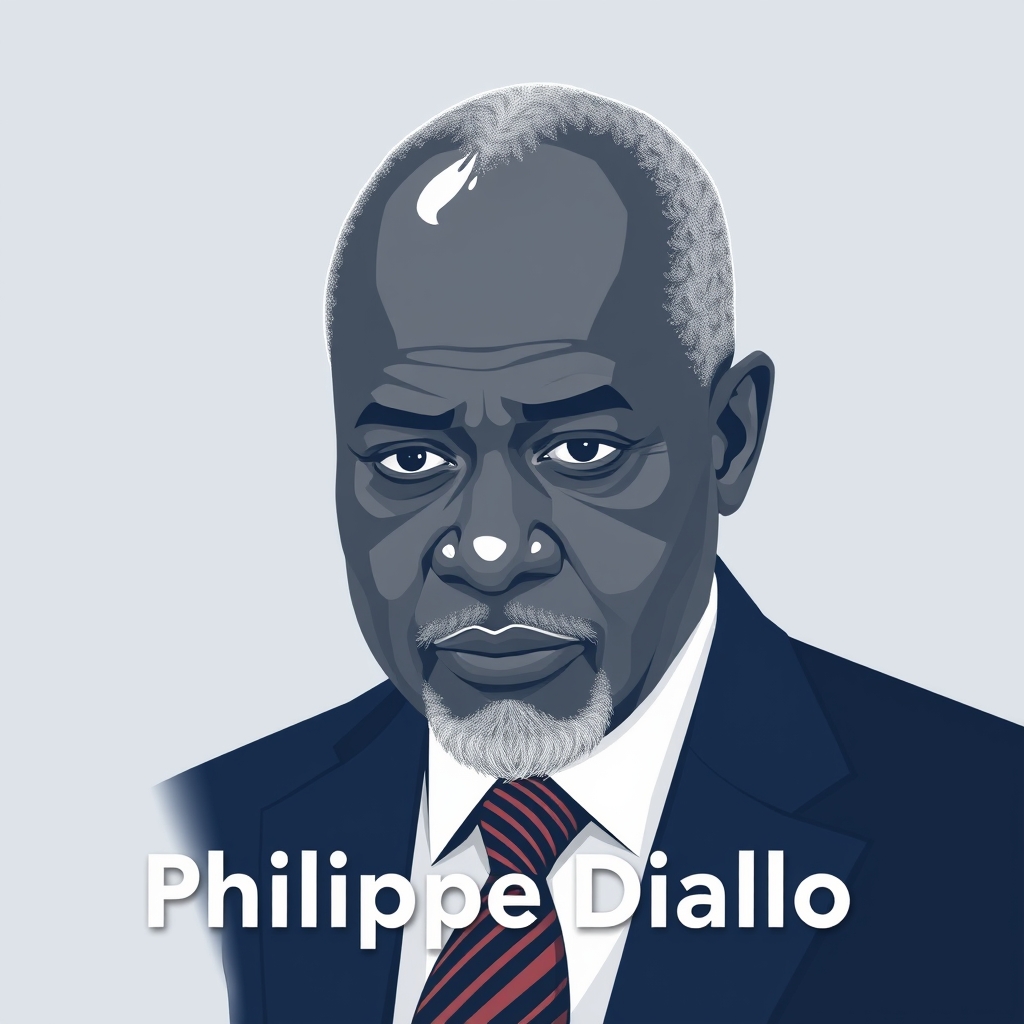
Philippe Diallo

VS
Gianni Infantino
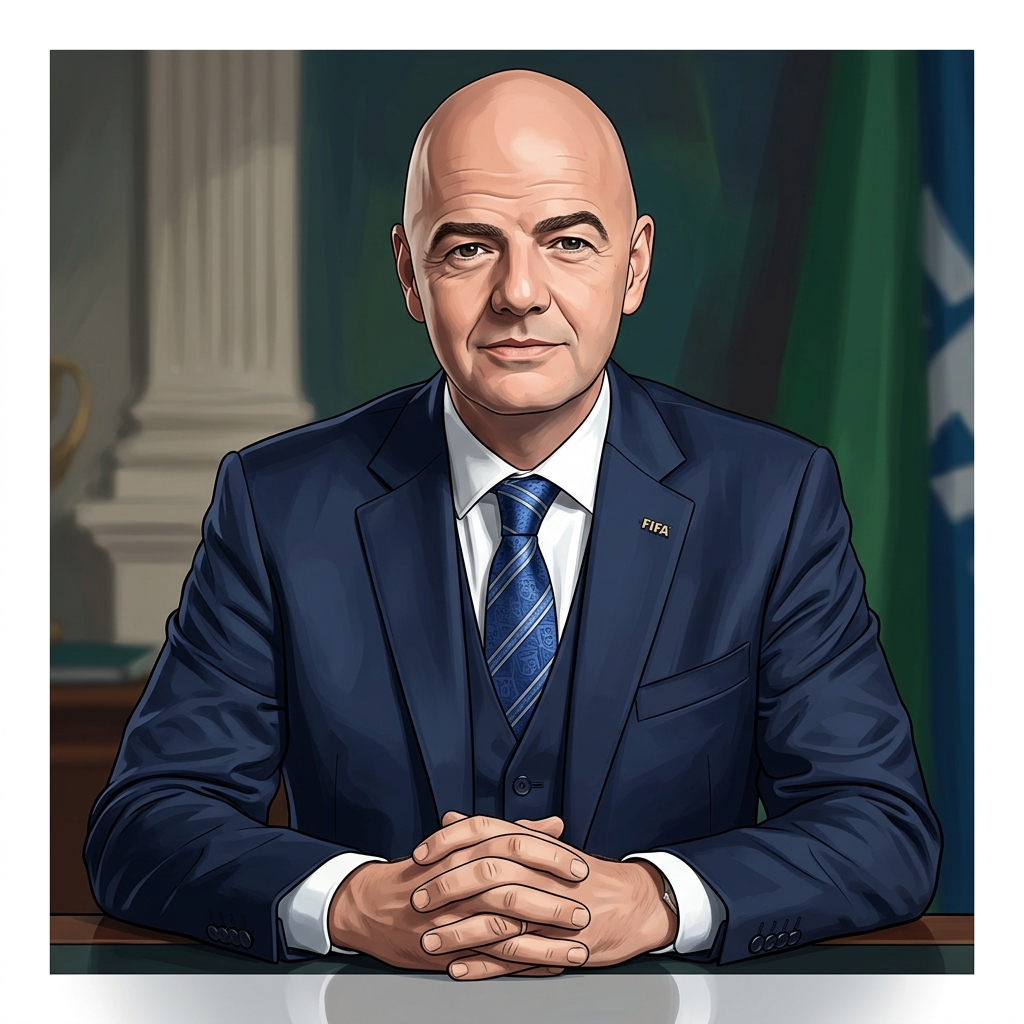
UEFA has backed French Football Federation chief Philippe Diallo to challenge incumbent Gianni Infantino in the upcoming FIFA presidential election.
Diallo has emerged as a strong challenger, setting up a contested race for football's top governing position.
*AI-generated summary of publicly available data. This is not an official statement of any party.
*AI-generated summary of publicly available statements and reporting. This is not an official statement of this party.
Supporters of Philippe Diallo argue that UEFA’s backing reflects Europe’s belief that FIFA’s leadership should honor football’s shared cultural traditions rather than concentrate power around one incumbent.
Supporters of Philippe Diallo argue that European football’s cultural tradition of shared governance is threatened by one-man rule, and they see UEFA’s backing as a precedent for restoring that balance.
Supporters of Philippe Diallo counter that football's cultural legitimacy rests on member associations' voice, not inherited tenure, and that a contested election expresses the sport's plural traditions rather than disrupting them.
Supporters of Philippe Diallo argue that a contested FIFA presidential election, with UEFA backing a challenger, is legally essential to uphold democratic governance and accountability under FIFA's statutes.
Supporters of Philippe Diallo argue that a contested FIFA presidential election, with UEFA's backing, upholds the legal legitimacy of the governing body's leadership selection.
Supporters of Philippe Diallo counter that a mandate is only as legitimate as the process that produced it, arguing that FIFA's own statutes bind incumbents and challengers alike and that regional endorsements are lawful nominations, not procedural shortcuts.
Supporters of Philippe Diallo argue that challenging Infantino is about breaking a power monopoly; they maintain that UEFA’s backing gives Diallo leverage to force accountability and contest control of FIFA’s presidency.
Supporters of Philippe Diallo argue that UEFA’s backing gives him the leverage to unseat Infantino, and they maintain that power, not popularity, decides FIFA elections.
Supporters of Philippe Diallo counter that UEFA’s bloc is itself a decisive voting asset, arguing that Infantino’s patronage network depends on coalitions Diallo’s backers can peel away.
Supporters of Philippe Diallo argue that a contested FIFA election upholds the moral duty of accountable, democratic governance, insisting that UEFA's backing reflects a legitimate challenge to unopposed incumbency.
Supporters of Philippe Diallo argue that a contested FIFA election upholds the moral duty of democratic accountability, ensuring football's leadership answers to its members rather than going unchallenged.
Supporters of Philippe Diallo counter that stability carries no moral weight when it entrenches a single leader's authority, arguing that genuine accountability to FIFA's global membership requires open contestation rather than continuity by default.
Supporters of Philippe Diallo argue that FIFA's governance should reflect servant-leadership and accountability, values they see rooted in moral duty, and maintain that a contested election upholds justice over personality cults.
Supporters of Philippe Diallo argue that FIFA’s stewardship should reflect humility, transparency, and service to the wider football community rather than entrenchment in one leader, invoking the moral principle that authority is accountable to those it serves.
Supporters of Philippe Diallo counter that football's unity rests on just governance, not inherited office, invoking the principle that authority derives from the consent of the governed rather than from continuity alone.
*AI-generated summary of publicly available statements and reporting. This is not an official statement of this party.
Supporters of Gianni Infantino argue that continuity at FIFA’s helm protects the institutional stability and inherited governance wisdom that football’s global order depends on, and they present a contested election as a disruption to that tradition.
Supporters of Gianni Infantino argue that continuity at FIFA’s helm protects the football traditions and institutional stability built under the incumbent, warning that a contested leadership change risks unsettling the sport’s governing order.
Supporters of Gianni Infantino counter that football’s cultural traditions span all six confederations, not just Europe, so a leadership accountable to the global game better honors those traditions than one shaped by a single continent’s preferences.
Supporters of Gianni Infantino argue that his incumbency confers a legitimate electoral mandate, and that challengers must respect FIFA's statutory nomination and governance processes rather than rely on a regional bloc's endorsement.
Supporters of Gianni Infantino argue that the FIFA presidency is a governance mandate, not a UEFA appointment, and that electoral legitimacy rests with FIFA's full congress of member associations rather than a single confederation's endorsement.
Supporters of Gianni Infantino counter that FIFA's statutes grant the Congress—not UEFA—the authority to elect the president, so a challenger backed by one confederation raises procedural questions about bloc influence rather than democratic accountability.
Supporters of Gianni Infantino argue that incumbency is leverage: control of FIFA’s patronage network and voting blocs means UEFA’s backing of Philippe Diallo signals weakness, not strength.
Supporters of Gianni Infantino argue that incumbency itself is the decisive asset: control of FIFA's patronage, votes and institutional machinery outweighs UEFA's endorsement of Philippe Diallo.
Supporters of Gianni Infantino counter that UEFA’s backing is borrowed leverage, not owned: the confederation can withdraw it the moment its own interests shift, leaving Diallo exposed while Infantino’s delegate base stays intact.
Supporters of Gianni Infantino argue that stability and continuity at FIFA's helm carry a moral weight of their own, and they maintain that a contested election serves the membership's interest in accountability.
Supporters of Gianni Infantino argue that a contested election serves football's moral health, since voters deserve a genuine choice and incumbents should earn renewal on their record rather than inherit it.
Supporters of Gianni Infantino counter that a contested election is a procedural ritual, not a moral end in itself—they argue legitimacy flows from delivering global development and unity to member associations, which unopposed continuity protects.
Supporters of Gianni Infantino argue that his stewardship preserves football’s inherited institutional order, and they contend that a contested election backed by UEFA risks disrupting the continuity and unity that the sport’s global governing body depends upon.
Supporters of Gianni Infantino argue that continuity in FIFA’s leadership preserves the institutional order and stability that football’s global community depends on, and they contend that inherited authority should not be lightly overturned by a contested electoral challenge.
Supporters of Gianni Infantino counter that FIFA’s unity and continuity serve a moral purpose, arguing that contested elections risk division and that stewardship of the institution’s shared mission outweighs the pursuit of accountability.
AI-generated summary of publicly available statements and reporting. This is not an official statement of this party.
Supporters of Philippe Diallo argue that UEFA’s backing reflects Europe’s belief that FIFA’s leadership should honor football’s shared cultural traditions rather than concentrate power around one incumbent.
Supporters of Philippe Diallo argue that European football’s cultural tradition of shared governance is threatened by one-man rule, and they see UEFA’s backing as a precedent for restoring that balance.
Supporters of Philippe Diallo counter that football's cultural legitimacy rests on member associations' voice, not inherited tenure, and that a contested election expresses the sport's plural traditions rather than disrupting them.
Supporters of Philippe Diallo argue that a contested FIFA presidential election, with UEFA backing a challenger, is legally essential to uphold democratic governance and accountability under FIFA's statutes.
Supporters of Philippe Diallo argue that a contested FIFA presidential election, with UEFA's backing, upholds the legal legitimacy of the governing body's leadership selection.
Supporters of Philippe Diallo counter that a mandate is only as legitimate as the process that produced it, arguing that FIFA's own statutes bind incumbents and challengers alike and that regional endorsements are lawful nominations, not procedural shortcuts.
Supporters of Philippe Diallo argue that challenging Infantino is about breaking a power monopoly; they maintain that UEFA’s backing gives Diallo leverage to force accountability and contest control of FIFA’s presidency.
Supporters of Philippe Diallo argue that UEFA’s backing gives him the leverage to unseat Infantino, and they maintain that power, not popularity, decides FIFA elections.
Supporters of Philippe Diallo counter that UEFA’s bloc is itself a decisive voting asset, arguing that Infantino’s patronage network depends on coalitions Diallo’s backers can peel away.
Supporters of Philippe Diallo argue that a contested FIFA election upholds the moral duty of accountable, democratic governance, insisting that UEFA's backing reflects a legitimate challenge to unopposed incumbency.
Supporters of Philippe Diallo argue that a contested FIFA election upholds the moral duty of democratic accountability, ensuring football's leadership answers to its members rather than going unchallenged.
Supporters of Philippe Diallo counter that stability carries no moral weight when it entrenches a single leader's authority, arguing that genuine accountability to FIFA's global membership requires open contestation rather than continuity by default.
Supporters of Philippe Diallo argue that FIFA's governance should reflect servant-leadership and accountability, values they see rooted in moral duty, and maintain that a contested election upholds justice over personality cults.
Supporters of Philippe Diallo argue that FIFA’s stewardship should reflect humility, transparency, and service to the wider football community rather than entrenchment in one leader, invoking the moral principle that authority is accountable to those it serves.
Supporters of Philippe Diallo counter that football's unity rests on just governance, not inherited office, invoking the principle that authority derives from the consent of the governed rather than from continuity alone.
Supporters of Gianni Infantino argue that continuity at FIFA’s helm protects the institutional stability and inherited governance wisdom that football’s global order depends on, and they present a contested election as a disruption to that tradition.
Supporters of Gianni Infantino argue that continuity at FIFA’s helm protects the football traditions and institutional stability built under the incumbent, warning that a contested leadership change risks unsettling the sport’s governing order.
Supporters of Gianni Infantino counter that football’s cultural traditions span all six confederations, not just Europe, so a leadership accountable to the global game better honors those traditions than one shaped by a single continent’s preferences.
Supporters of Gianni Infantino argue that his incumbency confers a legitimate electoral mandate, and that challengers must respect FIFA's statutory nomination and governance processes rather than rely on a regional bloc's endorsement.
Supporters of Gianni Infantino argue that the FIFA presidency is a governance mandate, not a UEFA appointment, and that electoral legitimacy rests with FIFA's full congress of member associations rather than a single confederation's endorsement.
Supporters of Gianni Infantino counter that FIFA's statutes grant the Congress—not UEFA—the authority to elect the president, so a challenger backed by one confederation raises procedural questions about bloc influence rather than democratic accountability.
Supporters of Gianni Infantino argue that incumbency is leverage: control of FIFA’s patronage network and voting blocs means UEFA’s backing of Philippe Diallo signals weakness, not strength.
Supporters of Gianni Infantino argue that incumbency itself is the decisive asset: control of FIFA's patronage, votes and institutional machinery outweighs UEFA's endorsement of Philippe Diallo.
Supporters of Gianni Infantino counter that UEFA’s backing is borrowed leverage, not owned: the confederation can withdraw it the moment its own interests shift, leaving Diallo exposed while Infantino’s delegate base stays intact.
Supporters of Gianni Infantino argue that stability and continuity at FIFA's helm carry a moral weight of their own, and they maintain that a contested election serves the membership's interest in accountability.
Supporters of Gianni Infantino argue that a contested election serves football's moral health, since voters deserve a genuine choice and incumbents should earn renewal on their record rather than inherit it.
Supporters of Gianni Infantino counter that a contested election is a procedural ritual, not a moral end in itself—they argue legitimacy flows from delivering global development and unity to member associations, which unopposed continuity protects.
Supporters of Gianni Infantino argue that his stewardship preserves football’s inherited institutional order, and they contend that a contested election backed by UEFA risks disrupting the continuity and unity that the sport’s global governing body depends upon.
Supporters of Gianni Infantino argue that continuity in FIFA’s leadership preserves the institutional order and stability that football’s global community depends on, and they contend that inherited authority should not be lightly overturned by a contested electoral challenge.
Supporters of Gianni Infantino counter that FIFA’s unity and continuity serve a moral purpose, arguing that contested elections risk division and that stewardship of the institution’s shared mission outweighs the pursuit of accountability.
Incumbent Gianni Infantino has resisted repeated calls to resign, citing overwhelming global support.
French football chief Philippe Diallo says he has received 'spontaneous signs of strong support' against Infantino.
Philippe Diallo is the second candidate to stand against incumbent Gianni Infantino. He is backed by European football's governing body UEFA, known to be critical of Infantino.
Upcoming FIFA presidential election in which Philippe Diallo is challenging incumbent Gianni Infantino with UEFA's backing.