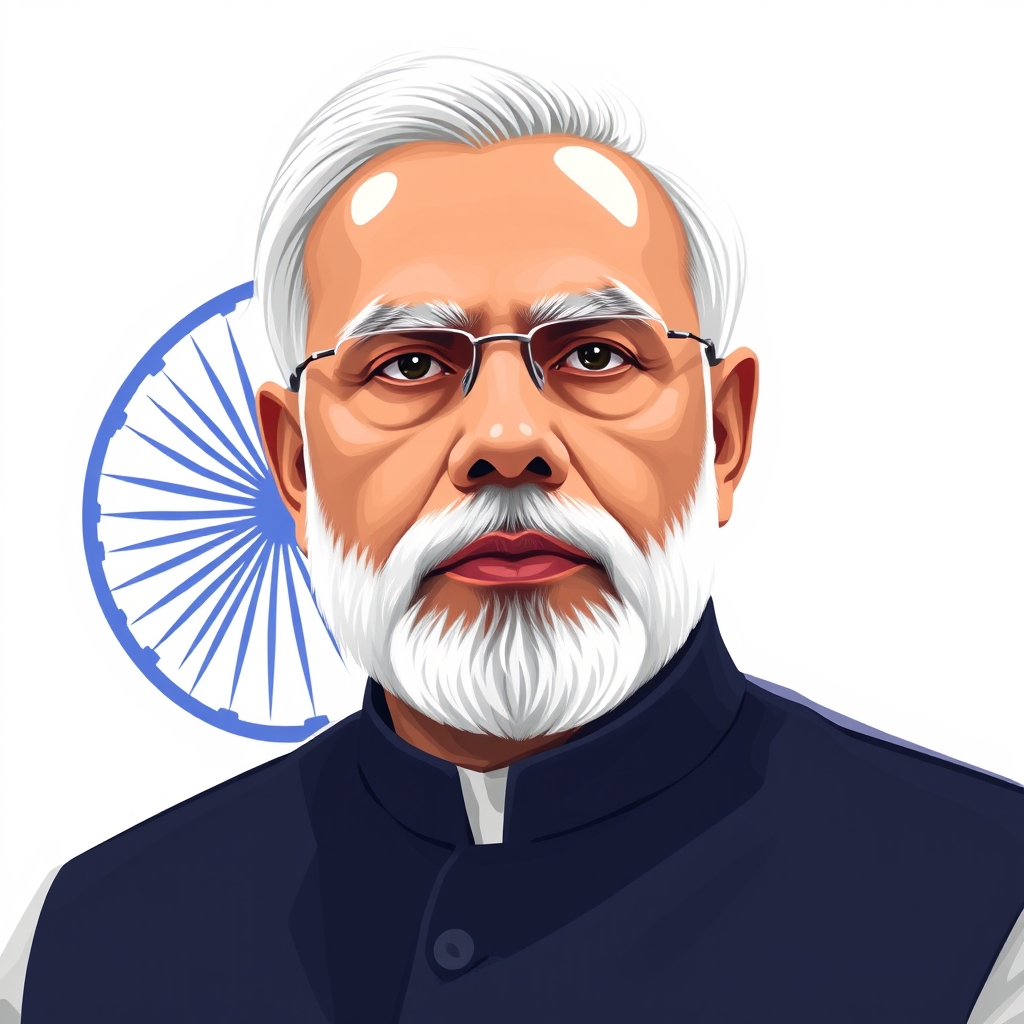
PM Modi
VS
Developed countries
?
No actors in this side.
No actors in this side.
Narendra Modi is the Prime Minister of India, representing the country in international climate negotiations.
Developed countries, in this context, refers to the group of industrialized nations that have historically contributed the largest share of global carbon emissions and are typically classified as having high-income economies.
The conflict arises because Modi argues that developed nations have per capita carbon emissions six times higher than India's, and that developing countries are unfairly blamed for emissions despite their lower historical and per-capita contributions.
Developed countries, meanwhile, often emphasize current total emissions and the need for all major emitters to take action, creating a dispute over whether climate responsibility should be based on historical and per-capita emissions or on current total emissions.
At stake is the framework for global climate action, including how emissions reduction targets are allocated and who bears the costs of mitigation and adaptation.
Modi has publicly highlighted this disparity, stating that India strongly presents the fact of developed nations' higher per-capita emissions in international forums.
*AI-generated summary of publicly available data. This is not an official statement of any party.
*AI-generated summary of publicly available statements and reporting. This is not an official statement of this party.
Supporters of PM Modi argue that India's low per-capita emissions reflect a culture of restraint and shared stewardship, so blaming developing nations erases the inherited wisdom of communities that have long lived lightly on the land.
Supporters of PM Modi argue that India's low per-capita emissions reflect a culture of restraint and shared living, so developed nations should honor climate responsibility rooted in their own history rather than impose blame on India.
Supporters of PM Modi counter that India's low per-capita emissions reflect a culture of restraint, and that binding targets would penalize a civilization that has historically consumed far less than the developed world.
Supporters of PM Modi invoke the UNFCCC's principle of common but differentiated responsibilities, arguing that developed nations' far higher per-capita and historical emissions create a legal obligation to lead on climate action.
Supporters of PM Modi argue that climate responsibility must be judged by historical and per-capita emissions, citing the principle of common but differentiated responsibilities under international law.
Supporters of PM Modi counter that common but differentiated responsibilities are themselves treaty law under the UNFCCC, so historical emissions already ground binding legal obligations rather than retrospective liability.
Supporters of PM Modi argue that citing per-capita emissions is a shrewd lever: it shifts blame onto developed countries, buys India room to grow, and reframes climate rules as a negotiation over power, not fairness.
Supporters of PM Modi argue that invoking per-capita emissions is leverage: it shifts blame to developed nations, secures climate finance, and preserves India's room to grow.
Supporters of PM Modi counter that leverage follows capability, not lecturing: India's per-capita emissions stay far below developed nations', so demands for absolute cuts ignore who actually built the stock.
Supporters of PM Modi argue that fairness demands responsibility track per-capita and historical emissions, since developed nations have long emitted far more CO2 than India.
Supporters of PM Modi argue that fairness demands weighing per-capita and historical emissions, since developed nations emit roughly six times more CO2 than India; holding developing nations equally blameworthy, they maintain, shifts moral responsibility away from those who contr.
Supporters of PM Modi counter that moral duty cuts both ways: a nation lifting 800 million people out of poverty cannot bear equal blame, yet per-capita emissions remain far below developed nations.
Supporters of PM Modi invoke dharma and stewardship, arguing faithful nations must not be blamed for emissions they did not cause; they cite developed countries' sixfold higher CO2 as a moral debt owed to creation.
Supporters of PM Modi invoke dharma—stewardship of creation and fairness—arguing that nations which long profited from high emissions bear a moral duty to lead, while India's low per-capita footprint reflects restraint, not blame.
Supporters of PM Modi counter that dharma demands decisive action against adharma, not endless delay; scripture upholds righteous rulers who act boldly, so gradual reform within institutions that resist justice betrays the sacred trust.
*AI-generated summary of publicly available statements and reporting. This is not an official statement of this party.
Supporters of developed countries argue India's fast-growing population and coal reliance make future emissions a global cultural concern, so all nations must share binding targets.
Supporters of Developed countries argue that India's cultural emphasis on sovereignty should not exempt it from shared climate duties, since rising emissions anywhere affect all nations' heritage and homelands.
Supporters of Developed countries counter that India's per-capita emissions also reflect poverty, not cultural wisdom; as living standards rise, they argue, consumption patterns converge, making restraint a circumstance rather than a tradition.
Supporters of Developed countries argue that legal climate frameworks like the Paris Agreement rest on current national commitments, not retrospective liability, so historical emissions cannot ground binding obligations.
Supporters of Developed countries argue that climate responsibility is a forward-looking legal duty under accords like the Paris Agreement, not a historical liability, and that current per-capita emissions cannot override each nation's binding treaty commitments.
Supporters of developed countries counter that the UNFCCC and the 2015 Paris Agreement both call for nationally determined contributions from all parties, so the legal duty to act is universal rather than reserved to any single group.
Supporters of developed countries argue Modi's per-capita framing dodges the real metric: India's fast-rising absolute emissions, and that climate leverage, not fairness, decides who pays.
Supporters of developed countries counter that capping their emissions while India's rise continues cedes industrial advantage; they argue responsibility talk is leverage, not principle.
Supporters of Developed countries counter that per-capita framing is a stalling tactic: they note India ranks third in total emissions, and argue caps target aggregate output, not average, so the lever buys rhetoric, not leverage.
Supporters of developed countries argue that historical responsibility matters morally, so nations that industrialized first owe the deepest emissions cuts, not equal blame for India's growing output.
Supporters of developed countries argue that moral responsibility for emissions must be shared globally, since climate change recognizes no borders and every nation bears a duty to cooperate.
Supporters of developed countries counter that historical per-capita framing ignores current trajectories: India is now among the largest annual emitters, so fairness also demands accountability for present and future growth.
Supporters of developed countries argue, on religious grounds, that stewardship of creation is a sacred trust inherited across generations, so they defend gradual reform within established institutions rather than abrupt upheaval.
Supporters of Developed countries argue that stewardship of creation rests on those who can best bear it, noting India's per-capita emissions remain far below developed nations', so blame must follow capacity and history, not population.
Supporters of developed countries counter that Genesis grants humanity dominion over creation, a shared charge not a debt between nations, so stewardship obliges every people to cut emissions regardless of blame.
AI-generated summary of publicly available statements and reporting. This is not an official statement of this party.
Supporters of PM Modi argue that India's low per-capita emissions reflect a culture of restraint and shared stewardship, so blaming developing nations erases the inherited wisdom of communities that have long lived lightly on the land.
Supporters of PM Modi argue that India's low per-capita emissions reflect a culture of restraint and shared living, so developed nations should honor climate responsibility rooted in their own history rather than impose blame on India.
Supporters of PM Modi counter that India's low per-capita emissions reflect a culture of restraint, and that binding targets would penalize a civilization that has historically consumed far less than the developed world.
Supporters of PM Modi invoke the UNFCCC's principle of common but differentiated responsibilities, arguing that developed nations' far higher per-capita and historical emissions create a legal obligation to lead on climate action.
Supporters of PM Modi argue that climate responsibility must be judged by historical and per-capita emissions, citing the principle of common but differentiated responsibilities under international law.
Supporters of PM Modi counter that common but differentiated responsibilities are themselves treaty law under the UNFCCC, so historical emissions already ground binding legal obligations rather than retrospective liability.
Supporters of PM Modi argue that citing per-capita emissions is a shrewd lever: it shifts blame onto developed countries, buys India room to grow, and reframes climate rules as a negotiation over power, not fairness.
Supporters of PM Modi argue that invoking per-capita emissions is leverage: it shifts blame to developed nations, secures climate finance, and preserves India's room to grow.
Supporters of PM Modi counter that leverage follows capability, not lecturing: India's per-capita emissions stay far below developed nations', so demands for absolute cuts ignore who actually built the stock.
Supporters of PM Modi argue that fairness demands responsibility track per-capita and historical emissions, since developed nations have long emitted far more CO2 than India.
Supporters of PM Modi argue that fairness demands weighing per-capita and historical emissions, since developed nations emit roughly six times more CO2 than India; holding developing nations equally blameworthy, they maintain, shifts moral responsibility away from those who contr.
Supporters of PM Modi counter that moral duty cuts both ways: a nation lifting 800 million people out of poverty cannot bear equal blame, yet per-capita emissions remain far below developed nations.
Supporters of PM Modi invoke dharma and stewardship, arguing faithful nations must not be blamed for emissions they did not cause; they cite developed countries' sixfold higher CO2 as a moral debt owed to creation.
Supporters of PM Modi invoke dharma—stewardship of creation and fairness—arguing that nations which long profited from high emissions bear a moral duty to lead, while India's low per-capita footprint reflects restraint, not blame.
Supporters of PM Modi counter that dharma demands decisive action against adharma, not endless delay; scripture upholds righteous rulers who act boldly, so gradual reform within institutions that resist justice betrays the sacred trust.
Supporters of developed countries argue India's fast-growing population and coal reliance make future emissions a global cultural concern, so all nations must share binding targets.
Supporters of Developed countries argue that India's cultural emphasis on sovereignty should not exempt it from shared climate duties, since rising emissions anywhere affect all nations' heritage and homelands.
Supporters of Developed countries counter that India's per-capita emissions also reflect poverty, not cultural wisdom; as living standards rise, they argue, consumption patterns converge, making restraint a circumstance rather than a tradition.
Supporters of Developed countries argue that legal climate frameworks like the Paris Agreement rest on current national commitments, not retrospective liability, so historical emissions cannot ground binding obligations.
Supporters of Developed countries argue that climate responsibility is a forward-looking legal duty under accords like the Paris Agreement, not a historical liability, and that current per-capita emissions cannot override each nation's binding treaty commitments.
Supporters of developed countries counter that the UNFCCC and the 2015 Paris Agreement both call for nationally determined contributions from all parties, so the legal duty to act is universal rather than reserved to any single group.
Supporters of developed countries argue Modi's per-capita framing dodges the real metric: India's fast-rising absolute emissions, and that climate leverage, not fairness, decides who pays.
Supporters of developed countries counter that capping their emissions while India's rise continues cedes industrial advantage; they argue responsibility talk is leverage, not principle.
Supporters of Developed countries counter that per-capita framing is a stalling tactic: they note India ranks third in total emissions, and argue caps target aggregate output, not average, so the lever buys rhetoric, not leverage.
Supporters of developed countries argue that historical responsibility matters morally, so nations that industrialized first owe the deepest emissions cuts, not equal blame for India's growing output.
Supporters of developed countries argue that moral responsibility for emissions must be shared globally, since climate change recognizes no borders and every nation bears a duty to cooperate.
Supporters of developed countries counter that historical per-capita framing ignores current trajectories: India is now among the largest annual emitters, so fairness also demands accountability for present and future growth.
Supporters of developed countries argue, on religious grounds, that stewardship of creation is a sacred trust inherited across generations, so they defend gradual reform within established institutions rather than abrupt upheaval.
Supporters of Developed countries argue that stewardship of creation rests on those who can best bear it, noting India's per-capita emissions remain far below developed nations', so blame must follow capacity and history, not population.
Supporters of developed countries counter that Genesis grants humanity dominion over creation, a shared charge not a debt between nations, so stewardship obliges every people to cut emissions regardless of blame.
PM Modi stated that developed countries emit six times more CO2 than India and that developing nations are unfairly blamed for emissions.
Prime Minister Narendra Modi said developed nations have per capita carbon emissions six times higher than India's, emphasizing climate inequality and the need for developed countries to take greater responsibility.