Polish nationalist marchers

VS
Donald Tusk
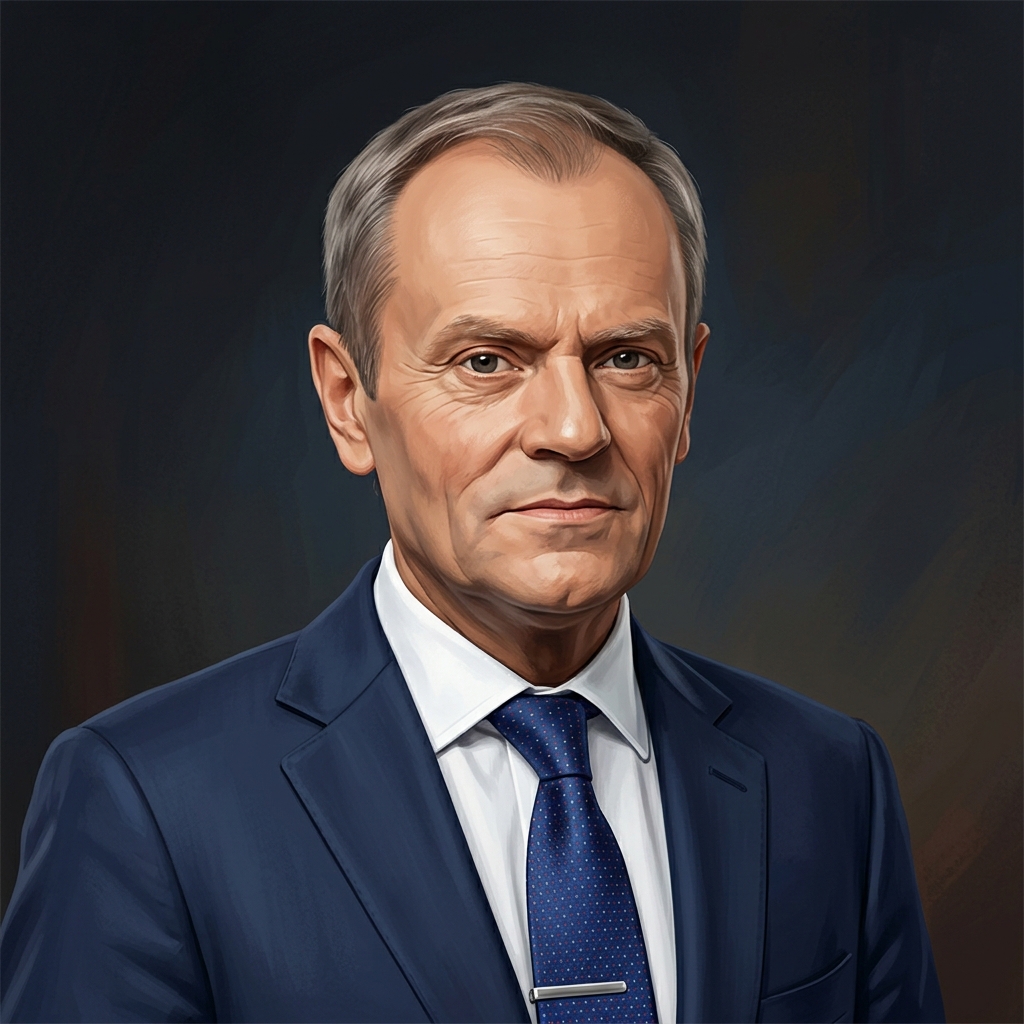
Tens of thousands joined a nationalist Independence Day march in Poland, prompting PM Donald Tusk to call for restraint and unity following a deadly Krakow attack linked to far-right ideology.
The event highlights tensions over nationalism and political responsibility.
*AI-generated summary of publicly available data. This is not an official statement of any party.
*AI-generated summary of publicly available statements and reporting. This is not an official statement of this party.
Supporters of Polish nationalist marchers argue that Independence Day commemorations express deep-rooted cultural identity and national continuity, viewing tradition and collective memory as legitimate foundations for public unity.
Supporters of the Polish nationalist marchers argue that Independence Day commemorations express long-standing national and religious traditions, and they maintain that preserving this cultural continuity strengthens social cohesion.
Supporters of Polish nationalist marchers counter that national identity is inherited through generations—language, faith, and custom—not assembled from civic agreements, and they argue that cultural continuity, not restraint, is what preserves a nation.
Supporters of Polish nationalist marchers argue that the legal right to peaceful assembly and free expression protects the Independence Day march, and that blanket blame after the Krakow attack unfairly criminalizes lawful participants.
Supporters of the Polish nationalist marchers argue that peaceful assembly on Independence Day is a protected legal right, and they maintain that blaming the marchers for a separate Krakow attack lacks legal basis.
Supporters of the Polish nationalist marchers counter that assembly rights under Polish and international law protect the march itself, and that individual accountability must rest on proven acts, not on imputed group symbolism.
Supporters of Polish nationalist marchers argue that Tusk's call for restraint is a self-interested move to delegitimize a mass movement, and that he bears responsibility for tensions his own rhetoric fuels.
Supporters of Polish nationalist marchers argue that Tusk's call for unity is a self-interested bid to monopolize public order as a governing tool, and that blaming marchers for a Krakow attack trades on fear to delegitimize a movement he cannot control.
Supporters of Polish nationalist marchers counter that Tusk’s centrist consolidation depends on keeping the street as a foil, so restraint serves his coalition math more than it costs him.
Supporters of Polish nationalist marchers argue that blaming an entire movement for one attacker's actions is morally unjust, and that Tusk's call for restraint unfairly stigmatizes patriotic Poles exercising their right to assemble.
Supporters of Polish nationalist marchers argue that blaming a whole movement for one attacker's act is unjust, contending that collective moral condemnation unfairly stigmatizes tens of thousands who gathered peacefully.
Supporters of the Polish nationalist marchers counter that moral leadership means defending the right of ordinary Poles to commemorate their own history, and they argue that labeling patriotic gatherings as hateful unfairly stigmatizes a community rather than uniting it.
Supporters of Polish nationalist marchers argue that Poland's Catholic heritage is the soul of the nation, and they frame the Independence Day march as a defense of faith and traditional moral order against secular leadership.
Supporters of Polish nationalist marchers argue that national identity is bound to the nation's Christian heritage, and that Independence Day should honor faith and fatherland together rather than be recast as a warning against patriotism.
Supporters of the Polish nationalist marchers counter that the Church's teaching on national identity, including its role in preserving faith and culture, is itself a form of respect for human dignity, not exclusion.
*AI-generated summary of publicly available statements and reporting. This is not an official statement of this party.
Supporters of Donald Tusk argue that Polish national identity is rooted in civic unity and shared democratic values, not ethnic exclusion, and they cite the Krakow attack as evidence that cultural pride must be paired with restraint.
Supporters of Donald Tusk argue that Polish identity is best expressed through civic unity and restraint, not exclusionary nationalist display, pointing to the Krakow attack as evidence that such ideology endangers the shared culture they say the holiday should protect.
Supporters of Donald Tusk counter that a national identity presented as ethnically exclusive excludes citizens and divides the public, arguing that civic, plural patriotism better reflects a modern Poland.
Supporters of Donald Tusk argue that legal accountability for the Krakow attack must apply equally, and that far-right violence cannot be shielded by nationalist symbolism or assembly rights.
Supporters of Donald Tusk argue that legally, political leaders bear a duty to uphold public order and condemn far-right violence, and they maintain that restraint and unity are obligations of office under the rule of law.
Supporters of Donald Tusk counter that the right to assembly is not absolute under Polish and ECHR law, and that organizers bear legal responsibility for unlawful acts by participants, so accountability targets conduct, not lawful assembly itself.
Supporters of Donald Tusk argue that his call for restraint is a calculated bid to frame rivals as threats and consolidate centrist control before elections, since condemning the march costs him little.
Supporters of Donald Tusk argue that his call for restraint is a strategic move to frame the far right as a liability, seizing the Krakow attack as leverage to consolidate moderate voters behind his government.
Supporters of Donald Tusk counter that restraint protects the state's authority, arguing his opponents gain more from disorder—chaos hands them leverage and sympathy, so calm denies them that advantage.
Supporters of Donald Tusk argue that moral leadership demands naming far-right violence plainly and rejecting nationalist marches that foster division, prioritizing stewardship of a safe, unified society over partisan applause.
Supporters of Donald Tusk argue that political leaders bear a moral duty to confront far-right ideology after the deadly Krakow attack, insisting that restraint and unity must not come at the cost of holding nationalist movements accountable.
Supporters of Donald Tusk counter that a movement invoking national pride bears a moral duty to confront the hatred in its ranks, and that silence toward extremist elements does more to stain patriotism than any call for restraint.
Supporters of Donald Tusk argue that national identity and Independence Day should be grounded in the Church's call for reconciliation and respect for human dignity, not in exclusion.
Supporters of Donald Tusk argue that the Church's teaching on peace and human dignity condemns far-right violence, and they maintain that religious tradition calls for restraint and unity rather than nationalist zeal.
Supporters of Donald Tusk counter that the Church itself has cautioned against fusing faith with nationalist display, arguing that Catholic tradition is dishonored when the Cross is carried as a partisan banner at a political march.
AI-generated summary of publicly available statements and reporting. This is not an official statement of this party.
Supporters of Polish nationalist marchers argue that Independence Day commemorations express deep-rooted cultural identity and national continuity, viewing tradition and collective memory as legitimate foundations for public unity.
Supporters of the Polish nationalist marchers argue that Independence Day commemorations express long-standing national and religious traditions, and they maintain that preserving this cultural continuity strengthens social cohesion.
Supporters of Polish nationalist marchers counter that national identity is inherited through generations—language, faith, and custom—not assembled from civic agreements, and they argue that cultural continuity, not restraint, is what preserves a nation.
Supporters of Polish nationalist marchers argue that the legal right to peaceful assembly and free expression protects the Independence Day march, and that blanket blame after the Krakow attack unfairly criminalizes lawful participants.
Supporters of the Polish nationalist marchers argue that peaceful assembly on Independence Day is a protected legal right, and they maintain that blaming the marchers for a separate Krakow attack lacks legal basis.
Supporters of the Polish nationalist marchers counter that assembly rights under Polish and international law protect the march itself, and that individual accountability must rest on proven acts, not on imputed group symbolism.
Supporters of Polish nationalist marchers argue that Tusk's call for restraint is a self-interested move to delegitimize a mass movement, and that he bears responsibility for tensions his own rhetoric fuels.
Supporters of Polish nationalist marchers argue that Tusk's call for unity is a self-interested bid to monopolize public order as a governing tool, and that blaming marchers for a Krakow attack trades on fear to delegitimize a movement he cannot control.
Supporters of Polish nationalist marchers counter that Tusk’s centrist consolidation depends on keeping the street as a foil, so restraint serves his coalition math more than it costs him.
Supporters of Polish nationalist marchers argue that blaming an entire movement for one attacker's actions is morally unjust, and that Tusk's call for restraint unfairly stigmatizes patriotic Poles exercising their right to assemble.
Supporters of Polish nationalist marchers argue that blaming a whole movement for one attacker's act is unjust, contending that collective moral condemnation unfairly stigmatizes tens of thousands who gathered peacefully.
Supporters of the Polish nationalist marchers counter that moral leadership means defending the right of ordinary Poles to commemorate their own history, and they argue that labeling patriotic gatherings as hateful unfairly stigmatizes a community rather than uniting it.
Supporters of Polish nationalist marchers argue that Poland's Catholic heritage is the soul of the nation, and they frame the Independence Day march as a defense of faith and traditional moral order against secular leadership.
Supporters of Polish nationalist marchers argue that national identity is bound to the nation's Christian heritage, and that Independence Day should honor faith and fatherland together rather than be recast as a warning against patriotism.
Supporters of the Polish nationalist marchers counter that the Church's teaching on national identity, including its role in preserving faith and culture, is itself a form of respect for human dignity, not exclusion.
Supporters of Donald Tusk argue that Polish national identity is rooted in civic unity and shared democratic values, not ethnic exclusion, and they cite the Krakow attack as evidence that cultural pride must be paired with restraint.
Supporters of Donald Tusk argue that Polish identity is best expressed through civic unity and restraint, not exclusionary nationalist display, pointing to the Krakow attack as evidence that such ideology endangers the shared culture they say the holiday should protect.
Supporters of Donald Tusk counter that a national identity presented as ethnically exclusive excludes citizens and divides the public, arguing that civic, plural patriotism better reflects a modern Poland.
Supporters of Donald Tusk argue that legal accountability for the Krakow attack must apply equally, and that far-right violence cannot be shielded by nationalist symbolism or assembly rights.
Supporters of Donald Tusk argue that legally, political leaders bear a duty to uphold public order and condemn far-right violence, and they maintain that restraint and unity are obligations of office under the rule of law.
Supporters of Donald Tusk counter that the right to assembly is not absolute under Polish and ECHR law, and that organizers bear legal responsibility for unlawful acts by participants, so accountability targets conduct, not lawful assembly itself.
Supporters of Donald Tusk argue that his call for restraint is a calculated bid to frame rivals as threats and consolidate centrist control before elections, since condemning the march costs him little.
Supporters of Donald Tusk argue that his call for restraint is a strategic move to frame the far right as a liability, seizing the Krakow attack as leverage to consolidate moderate voters behind his government.
Supporters of Donald Tusk counter that restraint protects the state's authority, arguing his opponents gain more from disorder—chaos hands them leverage and sympathy, so calm denies them that advantage.
Supporters of Donald Tusk argue that moral leadership demands naming far-right violence plainly and rejecting nationalist marches that foster division, prioritizing stewardship of a safe, unified society over partisan applause.
Supporters of Donald Tusk argue that political leaders bear a moral duty to confront far-right ideology after the deadly Krakow attack, insisting that restraint and unity must not come at the cost of holding nationalist movements accountable.
Supporters of Donald Tusk counter that a movement invoking national pride bears a moral duty to confront the hatred in its ranks, and that silence toward extremist elements does more to stain patriotism than any call for restraint.
Supporters of Donald Tusk argue that national identity and Independence Day should be grounded in the Church's call for reconciliation and respect for human dignity, not in exclusion.
Supporters of Donald Tusk argue that the Church's teaching on peace and human dignity condemns far-right violence, and they maintain that religious tradition calls for restraint and unity rather than nationalist zeal.
Supporters of Donald Tusk counter that the Church itself has cautioned against fusing faith with nationalist display, arguing that Catholic tradition is dishonored when the Cross is carried as a partisan banner at a political march.