Migration policy advocates
?
No actors in this side.
VS
Polish protesters
No actors in this side.
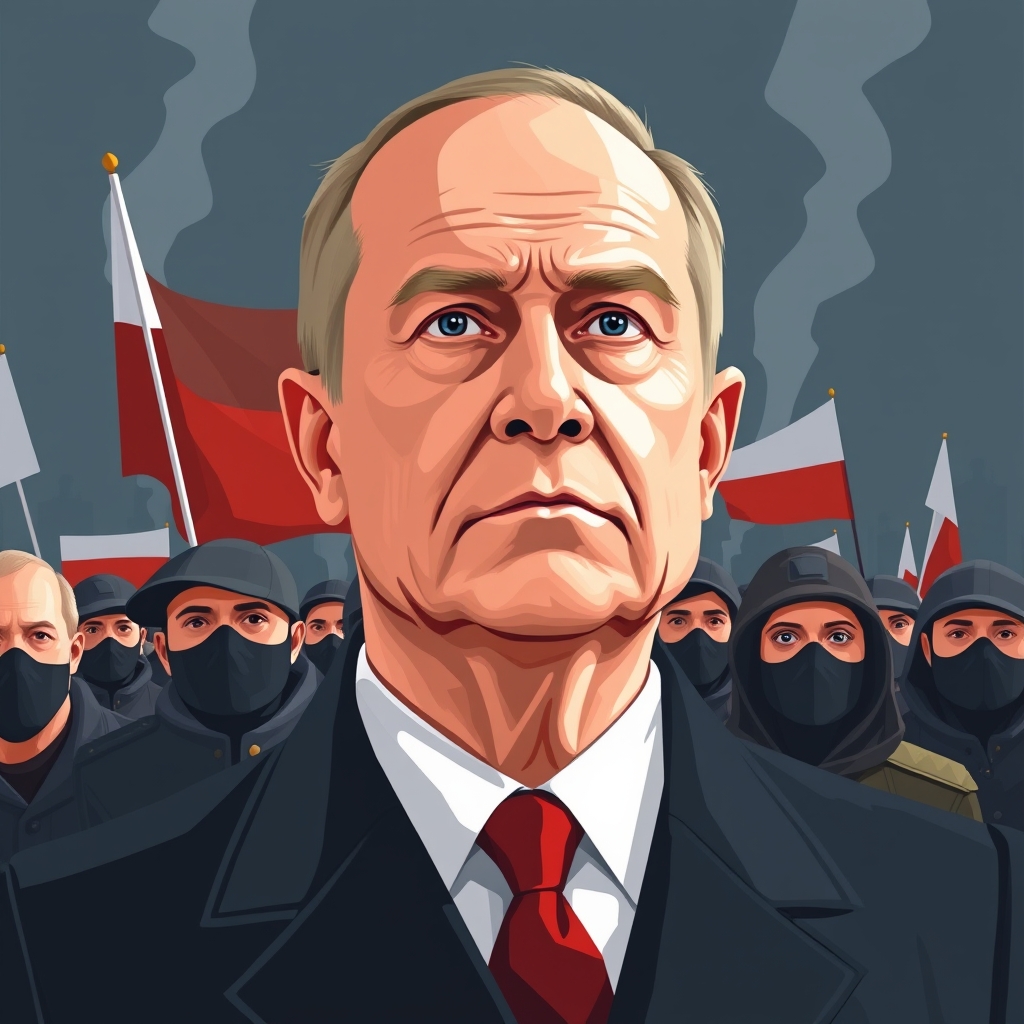
Following the stabbing of a priest at a Jaroslaw abbey by a Ukrainian national, protesters in Poland are demanding tighter immigration controls.
The incident has sparked a debate over Polish migration policy and the treatment of Ukrainian refugees.
*AI-generated summary of publicly available data. This is not an official statement of any party.
*AI-generated summary of publicly available statements and reporting. This is not an official statement of this party.
Supporters of migration policy advocates argue that Poland's cultural and religious heritage, including its tradition of sanctuary and Christian charity, obliges the nation to keep welcoming Ukrainian refugees despite the Jaroslaw stabbing.
Supporters of Migration policy advocates argue that Poland's cultural identity and Catholic heritage, embodied by institutions like the Jaroslaw abbey, justify tighter border controls to preserve social cohesion and inherited traditions.
Migration policy advocates counter that Poland's cultural heritage has long been shaped by exchange and adaptation, so they argue preserving identity means integrating newcomers, not closing borders.
Supporters of Migration policy advocates argue that a single crime cannot justify blanket restrictions, since collective punishment by nationality conflicts with due process and equal protection under Polish and EU law.
Supporters of Migration policy advocates argue that Poland's legal duties under EU asylum law and the Geneva Convention bar blanket restrictions on Ukrainian refugees over one individual's crime.
Migration policy advocates counter that EU and international law already binds Poland to non-refoulement, so tightening asylum rules after one stabbing risks unlawful pushbacks and infringement proceedings, not safety.
Supporters of Migration policy advocates argue that Poland's clergy stabbing shows open borders invite risk, so tightening asylum rules is a pragmatic price of security, not xenophobia.
Supporters of Migration policy advocates argue that Poland's security demands screening migrants, not blanket exclusion, since Ukrainian labor sustains the economy and alienating Kyiv weakens Warsaw against Moscow.
Migration policy advocates counter that legitimacy is bought by delivering services and order, not by scapegoating migrants; a single stabbing offers no evidence tighter controls would have prevented it, while conceding to fear rewards the loudest pressure and invites more.
Supporters of Migration policy advocates argue that a nation's moral duty to shelter the vulnerable must not be abandoned over one crime, insisting that compassion for Ukrainian refugees reflects the deeper religious call to love the stranger.
Migration policy advocates argue that Poland's moral duty to shelter Ukrainian refugees persists despite the Jaroslaw stabbing, contending that one individual's crime cannot justify collective punishment of a people fleeing war.
Supporters of Migration policy advocates counter that scripture commands mercy to the stranger, so a state's moral duty extends beyond its own faithful to the vulnerable seeking refuge.
Supporters of Migration policy advocates argue that faith calls for mercy toward refugees, citing scripture's command to welcome the stranger, and contend that one violent act should not condemn Ukraine's displaced faithful.
Supporters of migration policy advocates argue that scripture commands compassion for the stranger, citing verses like Leviticus 19:34, and maintain that Poland's Christian duty to welcome refugees outweighs fear after the Jaroslaw stabbing.
Supporters of Migration policy advocates counter that Catholic teaching itself commands welcoming the stranger, citing Leviticus 19:34, so border policy grounded in faith must protect migrants' lives alongside clergy.
*AI-generated summary of publicly available statements and reporting. This is not an official statement of this party.
Supporters of Polish protesters argue that the Jaroslaw abbey stabbing shows immigration policy must protect Poland's cultural and religious heritage, and they maintain that national identity and secure borders should come first.
Supporters of Polish protesters argue that mass Ukrainian migration threatens Poland's cultural cohesion, and they cite the Jaroslaw abbey stabbing as evidence that tighter border controls are needed to protect Polish identity.
Supporters of Polish protesters counter that a Christian duty to shelter those in genuine need does not oblige a nation to absorb a culture that rejects its own heritage, and that sanctuary ends where self-preservation begins.
Supporters of Polish protesters argue that Poland's asylum and border laws must be tightened after the Jaroslaw stabbing, maintaining that a state's first legal duty is protecting citizens and controlling entry.
Supporters of Polish protesters argue that a state's first legal duty is protecting its citizens' safety, so the Jaroslaw stabbing justifies tighter border and asylum controls.
Supporters of Polish protesters counter that the crime occurred amid a broader pattern of violence, and they argue that Poland's constitutional duty to protect its citizens' safety takes precedence over equal-protection claims.
Supporters of Polish protesters argue the Jaroslaw stabbing exposes a security gap, so tighter immigration controls are a necessary concession to public fear before the government loses legitimacy.
Supporters of Polish protesters argue that the Jaroslaw stabbing exposes the state's failure to secure borders, and that demanding tighter controls now is pragmatic politics—leverage the incident before Warsaw's incentives shift.
Supporters of Polish protesters counter that security rhetoric is a pretext: the stabbing is being used to consolidate power, and tightening asylum rules rewards politicians, not public safety.
Supporters of Polish protesters argue that a state's first moral duty is protecting its own citizens and faith communities, and they cite the Jaroslaw abbey stabbing as proof that border controls must tighten.
Supporters of Polish protesters argue that a nation has a moral duty to protect its own citizens first, and that the Jaroslaw stabbing shows uncontrolled migration endangers public safety.
They counter that a nation's moral duty to love the stranger must be balanced with its duty to protect its own people, and that compassion cannot mean ignoring the safety of Polish families.
Supporters of Polish protesters argue that a nation's Catholic identity and the safety of its clergy are sacred trusts, and that the Jaroslaw stabbing shows border policy must protect religious life first.
Supporters of Polish protesters argue that the attack on a priest at a Jarosław abbey shows why Poland's Catholic heritage and church safety must shape migration policy, not be sacrificed to open-border demands.
Supporters of Polish protesters counter that welcoming the stranger cannot mean abandoning a nation's own Christian heritage, and that Scripture also charges rulers with guarding their flock.
AI-generated summary of publicly available statements and reporting. This is not an official statement of this party.
Supporters of migration policy advocates argue that Poland's cultural and religious heritage, including its tradition of sanctuary and Christian charity, obliges the nation to keep welcoming Ukrainian refugees despite the Jaroslaw stabbing.
Supporters of Migration policy advocates argue that Poland's cultural identity and Catholic heritage, embodied by institutions like the Jaroslaw abbey, justify tighter border controls to preserve social cohesion and inherited traditions.
Migration policy advocates counter that Poland's cultural heritage has long been shaped by exchange and adaptation, so they argue preserving identity means integrating newcomers, not closing borders.
Supporters of Migration policy advocates argue that a single crime cannot justify blanket restrictions, since collective punishment by nationality conflicts with due process and equal protection under Polish and EU law.
Supporters of Migration policy advocates argue that Poland's legal duties under EU asylum law and the Geneva Convention bar blanket restrictions on Ukrainian refugees over one individual's crime.
Migration policy advocates counter that EU and international law already binds Poland to non-refoulement, so tightening asylum rules after one stabbing risks unlawful pushbacks and infringement proceedings, not safety.
Supporters of Migration policy advocates argue that Poland's clergy stabbing shows open borders invite risk, so tightening asylum rules is a pragmatic price of security, not xenophobia.
Supporters of Migration policy advocates argue that Poland's security demands screening migrants, not blanket exclusion, since Ukrainian labor sustains the economy and alienating Kyiv weakens Warsaw against Moscow.
Migration policy advocates counter that legitimacy is bought by delivering services and order, not by scapegoating migrants; a single stabbing offers no evidence tighter controls would have prevented it, while conceding to fear rewards the loudest pressure and invites more.
Supporters of Migration policy advocates argue that a nation's moral duty to shelter the vulnerable must not be abandoned over one crime, insisting that compassion for Ukrainian refugees reflects the deeper religious call to love the stranger.
Migration policy advocates argue that Poland's moral duty to shelter Ukrainian refugees persists despite the Jaroslaw stabbing, contending that one individual's crime cannot justify collective punishment of a people fleeing war.
Supporters of Migration policy advocates counter that scripture commands mercy to the stranger, so a state's moral duty extends beyond its own faithful to the vulnerable seeking refuge.
Supporters of Migration policy advocates argue that faith calls for mercy toward refugees, citing scripture's command to welcome the stranger, and contend that one violent act should not condemn Ukraine's displaced faithful.
Supporters of migration policy advocates argue that scripture commands compassion for the stranger, citing verses like Leviticus 19:34, and maintain that Poland's Christian duty to welcome refugees outweighs fear after the Jaroslaw stabbing.
Supporters of Migration policy advocates counter that Catholic teaching itself commands welcoming the stranger, citing Leviticus 19:34, so border policy grounded in faith must protect migrants' lives alongside clergy.
Supporters of Polish protesters argue that the Jaroslaw abbey stabbing shows immigration policy must protect Poland's cultural and religious heritage, and they maintain that national identity and secure borders should come first.
Supporters of Polish protesters argue that mass Ukrainian migration threatens Poland's cultural cohesion, and they cite the Jaroslaw abbey stabbing as evidence that tighter border controls are needed to protect Polish identity.
Supporters of Polish protesters counter that a Christian duty to shelter those in genuine need does not oblige a nation to absorb a culture that rejects its own heritage, and that sanctuary ends where self-preservation begins.
Supporters of Polish protesters argue that Poland's asylum and border laws must be tightened after the Jaroslaw stabbing, maintaining that a state's first legal duty is protecting citizens and controlling entry.
Supporters of Polish protesters argue that a state's first legal duty is protecting its citizens' safety, so the Jaroslaw stabbing justifies tighter border and asylum controls.
Supporters of Polish protesters counter that the crime occurred amid a broader pattern of violence, and they argue that Poland's constitutional duty to protect its citizens' safety takes precedence over equal-protection claims.
Supporters of Polish protesters argue the Jaroslaw stabbing exposes a security gap, so tighter immigration controls are a necessary concession to public fear before the government loses legitimacy.
Supporters of Polish protesters argue that the Jaroslaw stabbing exposes the state's failure to secure borders, and that demanding tighter controls now is pragmatic politics—leverage the incident before Warsaw's incentives shift.
Supporters of Polish protesters counter that security rhetoric is a pretext: the stabbing is being used to consolidate power, and tightening asylum rules rewards politicians, not public safety.
Supporters of Polish protesters argue that a state's first moral duty is protecting its own citizens and faith communities, and they cite the Jaroslaw abbey stabbing as proof that border controls must tighten.
Supporters of Polish protesters argue that a nation has a moral duty to protect its own citizens first, and that the Jaroslaw stabbing shows uncontrolled migration endangers public safety.
They counter that a nation's moral duty to love the stranger must be balanced with its duty to protect its own people, and that compassion cannot mean ignoring the safety of Polish families.
Supporters of Polish protesters argue that a nation's Catholic identity and the safety of its clergy are sacred trusts, and that the Jaroslaw stabbing shows border policy must protect religious life first.
Supporters of Polish protesters argue that the attack on a priest at a Jarosław abbey shows why Poland's Catholic heritage and church safety must shape migration policy, not be sacrificed to open-border demands.
Supporters of Polish protesters counter that welcoming the stranger cannot mean abandoning a nation's own Christian heritage, and that Scripture also charges rulers with guarding their flock.
A Ukrainian national admitted to stabbing a priest at a Jaroslaw abbey, prompting protests.