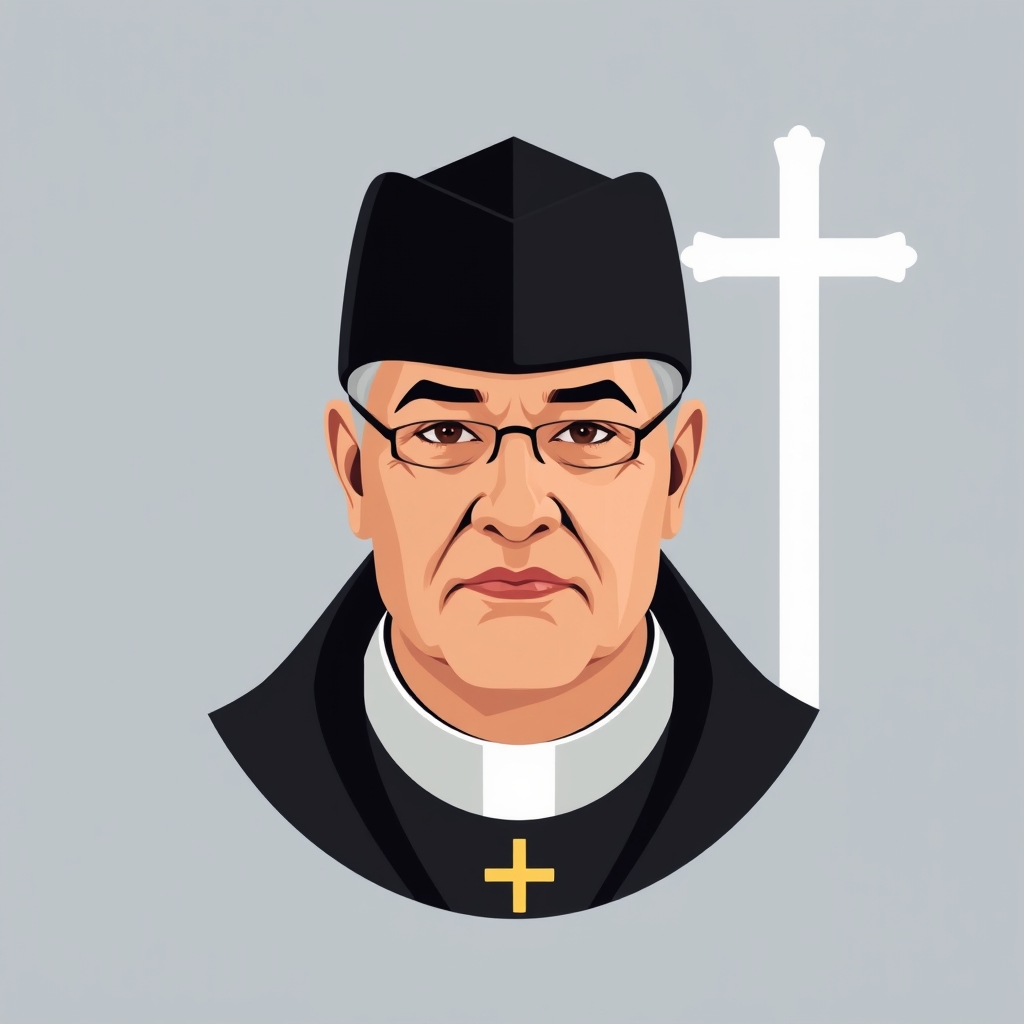
Excluded abuse survivors
VS
Pope Leo
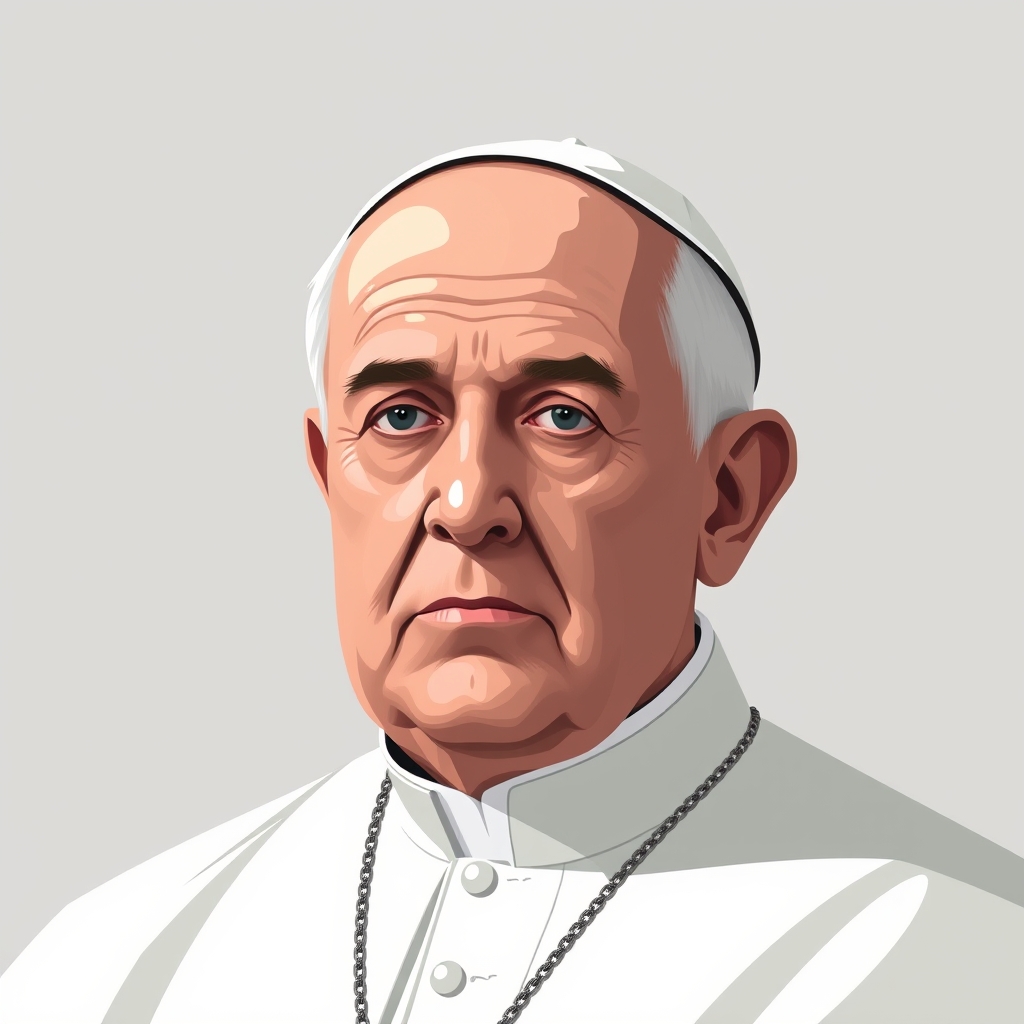
Pope Leo met with six clergy abuse survivors in Peru, while hundreds of other survivors say they remain excluded from the process and are still seeking justice.
The meeting highlights ongoing tensions over how the Catholic Church addresses clergy sexual abuse and accountability.
*AI-generated summary of publicly available data. This is not an official statement of any party.
*AI-generated summary of publicly available statements and reporting. This is not an official statement of this party.
Supporters of Excluded abuse survivors argue that selectively meeting six survivors while hundreds remain unheard signals the Church still manages scandal rather than atoning, and that cultural trust requires transparent accountability for all.
Supporters of Excluded abuse survivors argue that the Church's practice of selecting a handful of survivors for a papal audience reflects a cultural habit of managing appearances rather than confronting institutional failure.
Supporters of Excluded abuse survivors counter that a culture of personal encounter can itself shield abuse, since face-to-face pastoral care depends on the very local authority survivors are reporting, and they argue that cultural continuity cannot substitute for institutional a.
Supporters of Excluded abuse survivors argue that a private meeting with six survivors does not satisfy the Church's legal duty of accountability, since hundreds remain outside any transparent process and still lack justice.
Supporters of Excluded abuse survivors argue that a process hearing only six survivors in Peru fails basic legal fairness, since excluded survivors still lack equal access to accountability and a transparent path to justice.
Supporters of Excluded abuse survivors counter that internal autonomy cannot lawfully shield a sovereign body from external accountability when abuse survivors are excluded from the process, since self-governance does not extinguish legal duties owed to victims.
Supporters of Excluded abuse survivors argue that a six-survivor audience is a symbolic gesture calibrated to control the narrative, not accountability—pointing to the hundreds still excluded as evidence the Church manages optics while shielding institutional power.
Supporters of Excluded abuse survivors argue that a six-person audience is a symbolic gesture, and that the Church’s real incentive is to manage reputational risk rather than cede accountability to the hundreds still demanding justice.
Supporters of Excluded abuse survivors counter that a six-person audience buys optics, not accountability—excluded survivors see a controlled gesture that protects institutional authority while leaving the wider claimant pool unaddressed.
Supporters of Excluded abuse survivors argue that a meeting with six survivors cannot represent the hundreds still waiting, and that the Church's moral credibility depends on extending accountability to all victims, not a chosen few.
Supporters of Excluded abuse survivors argue that a meeting with only six survivors is a moral failure when hundreds remain unheard, maintaining that the Church's credibility on justice depends on including all victims rather than a select few.
Supporters of Excluded abuse survivors counter that listening without follow-through is morally hollow—survivors excluded from that Peru meeting argue a face-to-face encounter sets no precedent for accountability unless it yields concrete action.
Supporters of Excluded abuse survivors argue that the Church's credibility as a moral institution depends on accountability reaching all victims, not a chosen few, and that selective meetings risk treating justice as a gesture rather than a duty.
Supporters of Excluded abuse survivors argue that a church claiming moral authority must practice what it preaches, and that selectively hearing six survivors while hundreds remain excluded betrays the Gospel call to justice and care for the wounded.
Supporters of Excluded abuse survivors counter that a closed-door meeting with six survivors, however prayerful, cannot substitute for the Church's own scriptural demand for transparent justice, arguing that hearing suffering privately while shielding accused leaders from account.
*AI-generated summary of publicly available statements and reporting. This is not an official statement of this party.
Supporters of Pope Leo argue the Peru meeting reflects a cultural commitment to personal encounter and pastoral care, maintaining that the Church’s identity is expressed through localized, face-to-face reconciliation rather than broad institutional process.
Supporters of Pope Leo argue that the Peru meeting reflects the Church’s cultural commitment to pastoral accompaniment, treating survivors’ wounds with dignity through direct encounter.
Supporters of Pope Leo counter that the Church's cultural mission is to reconcile and heal, not to submit its pastoral discernment to the demands of external accountability campaigns.
Supporters of Pope Leo argue the meeting falls within the Church's legal authority as a sovereign body to govern its own internal disciplinary and pastoral processes, and that voluntary, direct engagement with survivors is a legitimate exercise of that autonomy.
Supporters of Pope Leo argue that meeting the six Peru survivors shows the Church can exercise its authority to hear victims directly, and they maintain that accountability should proceed through the Church's own legal processes rather than external mandates.
Supporters of Pope Leo counter that a private meeting falls outside any legal accountability mechanism, and they argue the Church's duty runs through canonical tribunals and formal processes, not through private pastoral encounters.
Supporters of Pope Leo argue the six-survivor meeting is a deliberate show of accountability that secures public trust and papal authority at minimal institutional cost.
Supporters of Pope Leo argue the six-survivor meeting is a calculated signal of control: a contained gesture that projects accountability while keeping the process, and its power, in the Vatican's hands.
Supporters of Pope Leo counter that the six-survivor audience is a deliberate test of institutional loyalty, not optics: by choosing a small, controlled group, the Vatican secures a manageable signal of compliance while denying organized survivors the leverage that mass audiences.
Supporters of Pope Leo argue that the Peru meeting shows moral seriousness, since the pontiff chose to hear survivors face to face; they maintain that such encounters, however limited, set a precedent that accountability can begin with listening.
Supporters of Pope Leo argue that the Peru meeting shows moral courage, maintaining that a church must begin accountability somewhere and that a personal encounter with survivors signals genuine willingness to listen.
Supporters of Pope Leo counter that moral credibility is shown through action, not scale: the six survivors were heard in person, and that first concrete step toward accountability is what gives the Church standing to extend it to others.
Supporters of Pope Leo argue that his meeting with six Peru abuse survivors expresses the Church's pastoral duty to hear victims' suffering, citing scripture's call to justice and care for the vulnerable as grounds for the encounter.
Supporters of Pope Leo argue that his meeting with six Peru abuse survivors expresses the Church's pastoral duty to hear victims, and they maintain that such encounters are a genuine step toward accountability.
Supporters of Pope Leo counter that Christ's own mercy reached the repentant thief while judgment fell to God alone, so the Church's credibility rests on extending grace to all—including the accused—rather than on meetings as a measure of justice.
AI-generated summary of publicly available statements and reporting. This is not an official statement of this party.
Supporters of Excluded abuse survivors argue that selectively meeting six survivors while hundreds remain unheard signals the Church still manages scandal rather than atoning, and that cultural trust requires transparent accountability for all.
Supporters of Excluded abuse survivors argue that the Church's practice of selecting a handful of survivors for a papal audience reflects a cultural habit of managing appearances rather than confronting institutional failure.
Supporters of Excluded abuse survivors counter that a culture of personal encounter can itself shield abuse, since face-to-face pastoral care depends on the very local authority survivors are reporting, and they argue that cultural continuity cannot substitute for institutional a.
Supporters of Excluded abuse survivors argue that a private meeting with six survivors does not satisfy the Church's legal duty of accountability, since hundreds remain outside any transparent process and still lack justice.
Supporters of Excluded abuse survivors argue that a process hearing only six survivors in Peru fails basic legal fairness, since excluded survivors still lack equal access to accountability and a transparent path to justice.
Supporters of Excluded abuse survivors counter that internal autonomy cannot lawfully shield a sovereign body from external accountability when abuse survivors are excluded from the process, since self-governance does not extinguish legal duties owed to victims.
Supporters of Excluded abuse survivors argue that a six-survivor audience is a symbolic gesture calibrated to control the narrative, not accountability—pointing to the hundreds still excluded as evidence the Church manages optics while shielding institutional power.
Supporters of Excluded abuse survivors argue that a six-person audience is a symbolic gesture, and that the Church’s real incentive is to manage reputational risk rather than cede accountability to the hundreds still demanding justice.
Supporters of Excluded abuse survivors counter that a six-person audience buys optics, not accountability—excluded survivors see a controlled gesture that protects institutional authority while leaving the wider claimant pool unaddressed.
Supporters of Excluded abuse survivors argue that a meeting with six survivors cannot represent the hundreds still waiting, and that the Church's moral credibility depends on extending accountability to all victims, not a chosen few.
Supporters of Excluded abuse survivors argue that a meeting with only six survivors is a moral failure when hundreds remain unheard, maintaining that the Church's credibility on justice depends on including all victims rather than a select few.
Supporters of Excluded abuse survivors counter that listening without follow-through is morally hollow—survivors excluded from that Peru meeting argue a face-to-face encounter sets no precedent for accountability unless it yields concrete action.
Supporters of Excluded abuse survivors argue that the Church's credibility as a moral institution depends on accountability reaching all victims, not a chosen few, and that selective meetings risk treating justice as a gesture rather than a duty.
Supporters of Excluded abuse survivors argue that a church claiming moral authority must practice what it preaches, and that selectively hearing six survivors while hundreds remain excluded betrays the Gospel call to justice and care for the wounded.
Supporters of Excluded abuse survivors counter that a closed-door meeting with six survivors, however prayerful, cannot substitute for the Church's own scriptural demand for transparent justice, arguing that hearing suffering privately while shielding accused leaders from account.
Supporters of Pope Leo argue the Peru meeting reflects a cultural commitment to personal encounter and pastoral care, maintaining that the Church’s identity is expressed through localized, face-to-face reconciliation rather than broad institutional process.
Supporters of Pope Leo argue that the Peru meeting reflects the Church’s cultural commitment to pastoral accompaniment, treating survivors’ wounds with dignity through direct encounter.
Supporters of Pope Leo counter that the Church's cultural mission is to reconcile and heal, not to submit its pastoral discernment to the demands of external accountability campaigns.
Supporters of Pope Leo argue the meeting falls within the Church's legal authority as a sovereign body to govern its own internal disciplinary and pastoral processes, and that voluntary, direct engagement with survivors is a legitimate exercise of that autonomy.
Supporters of Pope Leo argue that meeting the six Peru survivors shows the Church can exercise its authority to hear victims directly, and they maintain that accountability should proceed through the Church's own legal processes rather than external mandates.
Supporters of Pope Leo counter that a private meeting falls outside any legal accountability mechanism, and they argue the Church's duty runs through canonical tribunals and formal processes, not through private pastoral encounters.
Supporters of Pope Leo argue the six-survivor meeting is a deliberate show of accountability that secures public trust and papal authority at minimal institutional cost.
Supporters of Pope Leo argue the six-survivor meeting is a calculated signal of control: a contained gesture that projects accountability while keeping the process, and its power, in the Vatican's hands.
Supporters of Pope Leo counter that the six-survivor audience is a deliberate test of institutional loyalty, not optics: by choosing a small, controlled group, the Vatican secures a manageable signal of compliance while denying organized survivors the leverage that mass audiences.
Supporters of Pope Leo argue that the Peru meeting shows moral seriousness, since the pontiff chose to hear survivors face to face; they maintain that such encounters, however limited, set a precedent that accountability can begin with listening.
Supporters of Pope Leo argue that the Peru meeting shows moral courage, maintaining that a church must begin accountability somewhere and that a personal encounter with survivors signals genuine willingness to listen.
Supporters of Pope Leo counter that moral credibility is shown through action, not scale: the six survivors were heard in person, and that first concrete step toward accountability is what gives the Church standing to extend it to others.
Supporters of Pope Leo argue that his meeting with six Peru abuse survivors expresses the Church's pastoral duty to hear victims' suffering, citing scripture's call to justice and care for the vulnerable as grounds for the encounter.
Supporters of Pope Leo argue that his meeting with six Peru abuse survivors expresses the Church's pastoral duty to hear victims, and they maintain that such encounters are a genuine step toward accountability.
Supporters of Pope Leo counter that Christ's own mercy reached the repentant thief while judgment fell to God alone, so the Church's credibility rests on extending grace to all—including the accused—rather than on meetings as a measure of justice.
Pope Leo met with six clergy abuse survivors during his visit to Peru.