France

VS
Pope Leo XIV
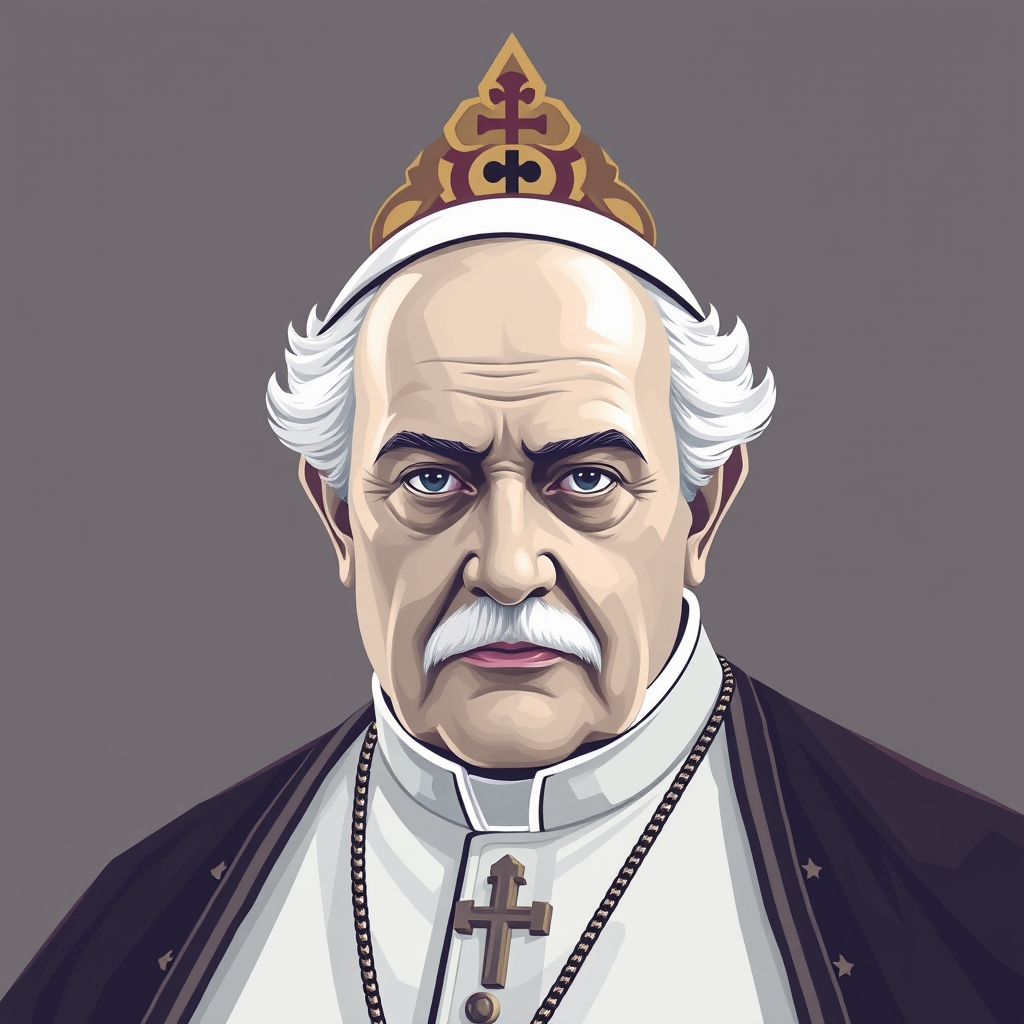
Pope Leo XIV is the head of the Catholic Church, and his four-day visit to France beginning September 25, 2026, includes stops in Paris, Lourdes, and Metz.
France is represented by President Emmanuel Macron, who received the pope in Paris.
The visit is described as rich in symbolism and significance, combining appeals for peace, reflection on artificial intelligence, and church teaching about the value of all human life.
The two sides have conflicting interests because France is a secular country whose recent legalization of assisted dying is at odds with Catholic teaching on the value of all human life.
Pope Leo XIV has warned about the risks of artificial intelligence and criticized France's limited legalization of assisted dying, while Macron must balance his role as head of state with the diplomatic sensitivities of hosting the head of the Catholic Church.
The visit has drawn widespread public attention, with all of the pope's public events sold out for weeks.
The trip is also expected to touch on issues such as abuse and euthanasia, underscoring the broader tensions between the Vatican and a secular French state.
*AI-generated summary of publicly available data. This is not an official statement of any party.
*AI-generated summary of publicly available statements and reporting. This is not an official statement of this party.
Supporters of France argue the Church should not override the nation's own laws, maintaining that assisted dying reflects France's sovereign, secular tradition of self-determination rather than outside moral authority.
Supporters of France argue that a secular republic's laws on assisted dying reflect national sovereignty and democratic will, not external religious authority.
Supporters of France counter that the Republic's laïcité has long kept religious doctrine out of civil law, so a pluralist society may legislate compassion without adopting any single faith's account of suffering.
Supporters of France argue that assisted dying laws fall within national democratic sovereignty, and that international or religious authorities cannot override legislation enacted by France's elected parliament.
Supporters of France invoke national sovereignty, arguing that France's parliament, not a foreign religious authority, holds the democratic mandate to set its own laws on assisted dying.
Supporters of France counter that the law's strict eligibility criteria and mandatory safeguards reflect a legal duty to protect the vulnerable, not abandon them.
Supporters of France argue the pope’s AI warning and assisted-dying critique are moral leverage, not neutral counsel: a foreign sovereign using soft power to shape French law. They maintain Paris concedes ceremony but keeps legal sovereignty.
Supporters of France argue the papal visit is domestic theater: Macron gains moral cover while conceding nothing, since the Élysée decides enforcement, not the Vatican.
Supporters of France counter that the Vatican's leverage is hollow: moral framing costs Rome nothing while France controls the venue, agenda, and any actual concessions, so the visit showcases French sovereignty rather than Vatican power.
Supporters of France argue that a pluralist democracy must let its own legislature, not a visiting religious leader, set end-of-life law, citing France's 2016 sedation rules as evidence that incremental safeguards already exist.
Supporters of France argue that a democratically elected government, not a religious authority, holds the moral mandate to legislate assisted dying, citing polling data showing majority public support for the law.
Supporters of France counter that moral limits must come from democratic deliberation, not church decree, since a pluralist republic cannot cede questions of dignity and dying to any single religious authority.
Supporters of France argue that the pope's warnings on assisted dying and AI rest on doctrine, not law, and that a secular state answers to its citizens, not the Vatican, on matters of life and death.
Supporters of France argue that a secular state may legislate assisted dying without church approval, maintaining that the pope’s moral teaching binds Catholics but not French law or its parliament.
Supporters of France counter that the Church's own tradition holds conscience and civil law distinct, so a pluralist state may legislate assisted dying without claiming to bind souls.
*AI-generated summary of publicly available statements and reporting. This is not an official statement of this party.
Supporters of Pope Leo XIV argue France's assisted-dying law breaks with centuries of Catholic cultural tradition that treated suffering as spiritually meaningful, and they see the papal visit as a call to preserve that inheritance.
Supporters of Pope Leo XIV argue that France's assisted-dying law breaks with the country's own Catholic cultural inheritance, which long treated suffering as sacred rather than something to be legally ended.
Supporters of Pope Leo XIV counter that France's secular tradition itself was shaped by centuries of Catholic moral reasoning, so invoking sovereignty against the Church misreads the culture it claims to defend.
Supporters of Pope Leo XIV argue that France's assisted-dying law fails a moral-legal duty to protect vulnerable lives, insisting that legal frameworks must uphold the sanctity of life rather than permit its ending.
Supporters of Pope Leo XIV argue that France's assisted-dying law fails a basic legal test: safeguarding the vulnerable must outweigh personal autonomy, so permitting doctors to end life risks normalizing harm the state is bound to prevent.
Supporters of Pope Leo XIV counter that France's own constitutional and international legal commitments, including the European Convention on Human Rights, bind its parliament and limit what democratic majorities may enact.
Supporters of Pope Leo XIV argue the Paris visit is leverage: by framing AI and assisted dying as moral tests, the Vatican pressures France into concessions and reasserts soft power where its formal authority has faded.
Supporters of Pope Leo XIV argue the Paris trip trades moral authority for leverage: by warning on AI and assisted dying, the Vatican signals it still sets limits Macron cannot ignore.
Supporters of Pope Leo XIV counter that soft power is the point: France invites the Vatican's moral cover, then governs as it pleases—so the pope's words cost Paris nothing and bind no law.
Supporters of Pope Leo XIV argue that human dignity must not be reduced to economic efficiency, insisting that both AI and assisted dying require moral limits markets alone cannot supply.
Supporters of Pope Leo XIV argue that human dignity is not a market variable, so France's assisted-dying law and unchecked AI both risk pricing vulnerable lives as costs to be minimized.
Supporters of Pope Leo XIV counter that a majority's law cannot make an intrinsically immoral act moral; they argue that legal safeguards around sedation don't erase the duty to protect every life.
Supporters of Pope Leo XIV argue that France's assisted-dying law and unchecked AI both erode the moral order inherited from Christian tradition, and that spiritual authority must speak where legal permission alone cannot.
Supporters of Pope Leo XIV argue that his Paris warning reflects the Church's duty to defend human dignity, holding that France's assisted-dying law and unchecked AI both risk displacing moral limits inherited from tradition.
Supporters of Pope Leo XIV counter that sovereignty does not void moral law: doctrine speaks to conscience, and a state answering only to citizens cannot escape accountability for laws that authorize killing.
AI-generated summary of publicly available statements and reporting. This is not an official statement of this party.
Supporters of France argue the Church should not override the nation's own laws, maintaining that assisted dying reflects France's sovereign, secular tradition of self-determination rather than outside moral authority.
Supporters of France argue that a secular republic's laws on assisted dying reflect national sovereignty and democratic will, not external religious authority.
Supporters of France counter that the Republic's laïcité has long kept religious doctrine out of civil law, so a pluralist society may legislate compassion without adopting any single faith's account of suffering.
Supporters of France argue that assisted dying laws fall within national democratic sovereignty, and that international or religious authorities cannot override legislation enacted by France's elected parliament.
Supporters of France invoke national sovereignty, arguing that France's parliament, not a foreign religious authority, holds the democratic mandate to set its own laws on assisted dying.
Supporters of France counter that the law's strict eligibility criteria and mandatory safeguards reflect a legal duty to protect the vulnerable, not abandon them.
Supporters of France argue the pope’s AI warning and assisted-dying critique are moral leverage, not neutral counsel: a foreign sovereign using soft power to shape French law. They maintain Paris concedes ceremony but keeps legal sovereignty.
Supporters of France argue the papal visit is domestic theater: Macron gains moral cover while conceding nothing, since the Élysée decides enforcement, not the Vatican.
Supporters of France counter that the Vatican's leverage is hollow: moral framing costs Rome nothing while France controls the venue, agenda, and any actual concessions, so the visit showcases French sovereignty rather than Vatican power.
Supporters of France argue that a pluralist democracy must let its own legislature, not a visiting religious leader, set end-of-life law, citing France's 2016 sedation rules as evidence that incremental safeguards already exist.
Supporters of France argue that a democratically elected government, not a religious authority, holds the moral mandate to legislate assisted dying, citing polling data showing majority public support for the law.
Supporters of France counter that moral limits must come from democratic deliberation, not church decree, since a pluralist republic cannot cede questions of dignity and dying to any single religious authority.
Supporters of France argue that the pope's warnings on assisted dying and AI rest on doctrine, not law, and that a secular state answers to its citizens, not the Vatican, on matters of life and death.
Supporters of France argue that a secular state may legislate assisted dying without church approval, maintaining that the pope’s moral teaching binds Catholics but not French law or its parliament.
Supporters of France counter that the Church's own tradition holds conscience and civil law distinct, so a pluralist state may legislate assisted dying without claiming to bind souls.
Supporters of Pope Leo XIV argue France's assisted-dying law breaks with centuries of Catholic cultural tradition that treated suffering as spiritually meaningful, and they see the papal visit as a call to preserve that inheritance.
Supporters of Pope Leo XIV argue that France's assisted-dying law breaks with the country's own Catholic cultural inheritance, which long treated suffering as sacred rather than something to be legally ended.
Supporters of Pope Leo XIV counter that France's secular tradition itself was shaped by centuries of Catholic moral reasoning, so invoking sovereignty against the Church misreads the culture it claims to defend.
Supporters of Pope Leo XIV argue that France's assisted-dying law fails a moral-legal duty to protect vulnerable lives, insisting that legal frameworks must uphold the sanctity of life rather than permit its ending.
Supporters of Pope Leo XIV argue that France's assisted-dying law fails a basic legal test: safeguarding the vulnerable must outweigh personal autonomy, so permitting doctors to end life risks normalizing harm the state is bound to prevent.
Supporters of Pope Leo XIV counter that France's own constitutional and international legal commitments, including the European Convention on Human Rights, bind its parliament and limit what democratic majorities may enact.
Supporters of Pope Leo XIV argue the Paris visit is leverage: by framing AI and assisted dying as moral tests, the Vatican pressures France into concessions and reasserts soft power where its formal authority has faded.
Supporters of Pope Leo XIV argue the Paris trip trades moral authority for leverage: by warning on AI and assisted dying, the Vatican signals it still sets limits Macron cannot ignore.
Supporters of Pope Leo XIV counter that soft power is the point: France invites the Vatican's moral cover, then governs as it pleases—so the pope's words cost Paris nothing and bind no law.
Supporters of Pope Leo XIV argue that human dignity must not be reduced to economic efficiency, insisting that both AI and assisted dying require moral limits markets alone cannot supply.
Supporters of Pope Leo XIV argue that human dignity is not a market variable, so France's assisted-dying law and unchecked AI both risk pricing vulnerable lives as costs to be minimized.
Supporters of Pope Leo XIV counter that a majority's law cannot make an intrinsically immoral act moral; they argue that legal safeguards around sedation don't erase the duty to protect every life.
Supporters of Pope Leo XIV argue that France's assisted-dying law and unchecked AI both erode the moral order inherited from Christian tradition, and that spiritual authority must speak where legal permission alone cannot.
Supporters of Pope Leo XIV argue that his Paris warning reflects the Church's duty to defend human dignity, holding that France's assisted-dying law and unchecked AI both risk displacing moral limits inherited from tradition.
Supporters of Pope Leo XIV counter that sovereignty does not void moral law: doctrine speaks to conscience, and a state answering only to citizens cannot escape accountability for laws that authorize killing.
Pope Leo XIV lands in Paris for a four-day trip and is received by President Emmanuel Macron.
Pope Leo XIV opens a four-day visit to France that is expected to touch on church teaching about the value of all human life, with stops in Paris, Lourdes, and Metz.
President Emmanuel Macron received Pope Leo XIV in Paris as the pope began his four-day trip, during which he warned about the risks of artificial intelligence and criticized France's limited legalization of assisted dying.