Pope Leo XIV
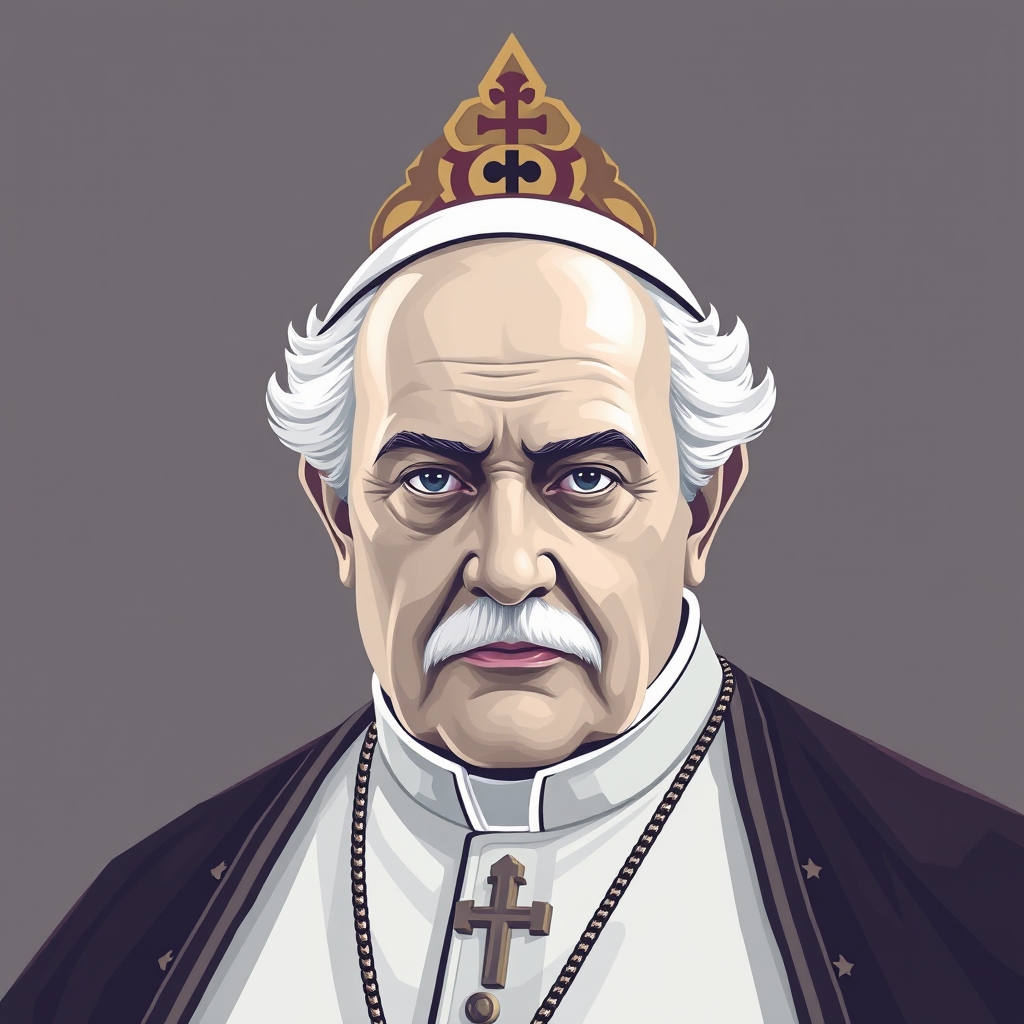
VS
Milei government

Pope Leo XIV made the first papal trip to Argentina in nearly four decades, a visit occurring amid reported tensions between the Vatican and President Javier Milei's government.
The article notes the historic nature of the visit and the context of strained relations.
*AI-generated summary of publicly available data. This is not an official statement of any party.
*AI-generated summary of publicly available statements and reporting. This is not an official statement of this party.
Supporters of Pope Leo XIV view the visit as a reaffirmation of Argentina's Catholic heritage and the papacy's enduring cultural role, arguing that longstanding institutions like the Church offer continuity and moral grounding that passing governments cannot.
Supporters of Pope Leo XIV frame the visit as a defense of Argentina's inherited Catholic identity and the papacy's enduring moral authority, arguing that tradition and continuity should anchor national life amid political strain.
Supporters of Pope Leo XIV counter that this "centuries-old tension" framing misreads Argentine culture, where Catholic faith and national identity have long been intertwined rather than opposed.
Supporters of Pope Leo XIV frame the visit as an exercise of the Holy See's sovereign right to pastoral engagement, arguing that legal tensions with the Milei government must not restrict the Church's institutional independence in Argentina.
Supporters of Pope Leo XIV argue that the visit affirms the Holy See's legal independence, letting the Church exercise its sovereignty and moral authority in Argentina without government interference.
Supporters of Pope Leo XIV counter that the 1966 Argentina–Vatican concordat binds both parties, and that a sovereign can invoke its dispute-resolution provisions rather than treat papal objections as extra-legal pressure.
Supporters of Pope Leo XIV argue the visit is a calculated display of moral authority, positioning the Vatican to outflank Milei's government in the public's eye and force concessions through symbolic leverage.
Supporters of Pope Leo XIV argue the visit is a calculated display of soft power, positioning the Vatican as moral arbiter over Milei's government and signaling that papal legitimacy can outweigh presidential authority.
Supporters of Pope Leo XIV counter that a public visit hands the Vatican the moral stage and the crowd, letting Rome set terms while Milei gains only optics—the pope, not the president, captures the narrative.
Supporters of Pope Leo XIV argue that a papal visit carries a moral duty to serve the faithful above political friction, and they maintain that prioritizing the trip despite reported Vatican–Milei tensions shows the Church's pastoral obligations outrank diplomatic disputes.
Supporters of Pope Leo XIV argue that a historic papal visit should transcend political friction, and they maintain that moral leadership and dialogue deserve priority over the reported Vatican–Milei tensions.
Supporters of Pope Leo XIV counter that a warm welcome cannot be severed from moral substance: honoring the visit while cutting aid to the poor signals that the government values ceremony over the Church's teaching on solidarity.
Supporters of Pope Leo XIV frame the visit as a pastoral and moral witness, arguing that the pope’s presence in Argentina affirms the Church’s teaching on the dignity of the poor and the duty of rulers to serve the vulnerable.
Supporters of Pope Leo XIV argue that the first papal visit to Argentina in nearly four decades carries prophetic moral weight, and they maintain that the Vatican's tension with the Milei government reflects the Church's duty to speak for the poor over political ideology.
Supporters of Pope Leo XIV counter that faith cannot be confined to sacristy matters, citing Catholic social teaching that the Gospel bears directly on economic justice and the dignity of the poor.
*AI-generated summary of publicly available statements and reporting. This is not an official statement of this party.
Supporters of Milei government argue the visit revives a centuries-old Argentine tension between Vatican moral authority and secular state sovereignty, casting their side as heir to a tradition of resisting clerical influence in public life.
Supporters of Milei government frame the papal visit through Argentina's secular tradition, arguing that a plural society can honor the Church's cultural role while keeping clerical influence out of state policy.
Supporters of Milei government counter that Argentina's Catholic identity long predates and outlasts any single administration, so invoking the Church's continuity against a passing government overlooks that cultural heritage belongs to the nation, not to one political moment.
Supporters of Milei government argue that a papal visit is a sovereign matter governed by concordat and protocol, and they maintain that Vatican disagreements must not translate into legal pressure on Argentina's domestic policy.
Supporters of Milei's government argue that under Argentina's constitutional separation of church and state, the Vatican's moral pronouncements carry no legal authority over elected officials' policy agenda.
Supporters of Milei government counter that Argentina's legal framework, including the 1853 Constitution and concordat norms, governs church-state relations, so the Holy See's pastoral claims cannot override domestic law.
Supporters of Milei government argue the papal visit is a strategic opening, not a concession: they maintain that engaging the Vatican publicly lets Milei project statesmanship while denying critics a martyr narrative.
Supporters of Milei government argue the papal visit is a sovereignty test, framing any Vatican pressure as leverage they can absorb publicly while conceding nothing structural.
Supporters of Milei government counter that symbolic moral authority carries little weight against fiscal constraints, arguing the Vatican lacks the material leverage to force concessions and that public sympathy doesn't translate into binding policy.
Supporters of Milei government argue the visit shows institutional respect transcending political friction, maintaining that Argentina can welcome Pope Leo XIV warmly while defending its sovereign policies.
Supporters of Milei government argue that a democratically elected president owes no deference to the Vatican on policy, maintaining that Argentina's sovereignty and voters' mandate outrank papal opinion.
Supporters of Milei government counter that a papal visit demands reciprocity, arguing that the Church's moral authority is undermined when pastoral outreach is framed as overriding the government's legitimate sovereignty concerns.
Supporters of the Milei government maintain that the Pope's visit should remain a purely pastoral occasion, arguing that the government respects the Church's spiritual authority while resisting any clerical pressure on political and economic matters.
Supporters of Milei government argue the Vatican’s authority is spiritual, not political, so a papal visit should not be read as endorsing any policy dispute.
Supporters of Milei government counter that a pastoral visit is not a policy endorsement, arguing the Church's spiritual authority doesn't bind temporal rulers to specific economic programs.
AI-generated summary of publicly available statements and reporting. This is not an official statement of this party.
Supporters of Pope Leo XIV view the visit as a reaffirmation of Argentina's Catholic heritage and the papacy's enduring cultural role, arguing that longstanding institutions like the Church offer continuity and moral grounding that passing governments cannot.
Supporters of Pope Leo XIV frame the visit as a defense of Argentina's inherited Catholic identity and the papacy's enduring moral authority, arguing that tradition and continuity should anchor national life amid political strain.
Supporters of Pope Leo XIV counter that this "centuries-old tension" framing misreads Argentine culture, where Catholic faith and national identity have long been intertwined rather than opposed.
Supporters of Pope Leo XIV frame the visit as an exercise of the Holy See's sovereign right to pastoral engagement, arguing that legal tensions with the Milei government must not restrict the Church's institutional independence in Argentina.
Supporters of Pope Leo XIV argue that the visit affirms the Holy See's legal independence, letting the Church exercise its sovereignty and moral authority in Argentina without government interference.
Supporters of Pope Leo XIV counter that the 1966 Argentina–Vatican concordat binds both parties, and that a sovereign can invoke its dispute-resolution provisions rather than treat papal objections as extra-legal pressure.
Supporters of Pope Leo XIV argue the visit is a calculated display of moral authority, positioning the Vatican to outflank Milei's government in the public's eye and force concessions through symbolic leverage.
Supporters of Pope Leo XIV argue the visit is a calculated display of soft power, positioning the Vatican as moral arbiter over Milei's government and signaling that papal legitimacy can outweigh presidential authority.
Supporters of Pope Leo XIV counter that a public visit hands the Vatican the moral stage and the crowd, letting Rome set terms while Milei gains only optics—the pope, not the president, captures the narrative.
Supporters of Pope Leo XIV argue that a papal visit carries a moral duty to serve the faithful above political friction, and they maintain that prioritizing the trip despite reported Vatican–Milei tensions shows the Church's pastoral obligations outrank diplomatic disputes.
Supporters of Pope Leo XIV argue that a historic papal visit should transcend political friction, and they maintain that moral leadership and dialogue deserve priority over the reported Vatican–Milei tensions.
Supporters of Pope Leo XIV counter that a warm welcome cannot be severed from moral substance: honoring the visit while cutting aid to the poor signals that the government values ceremony over the Church's teaching on solidarity.
Supporters of Pope Leo XIV frame the visit as a pastoral and moral witness, arguing that the pope’s presence in Argentina affirms the Church’s teaching on the dignity of the poor and the duty of rulers to serve the vulnerable.
Supporters of Pope Leo XIV argue that the first papal visit to Argentina in nearly four decades carries prophetic moral weight, and they maintain that the Vatican's tension with the Milei government reflects the Church's duty to speak for the poor over political ideology.
Supporters of Pope Leo XIV counter that faith cannot be confined to sacristy matters, citing Catholic social teaching that the Gospel bears directly on economic justice and the dignity of the poor.
Supporters of Milei government argue the visit revives a centuries-old Argentine tension between Vatican moral authority and secular state sovereignty, casting their side as heir to a tradition of resisting clerical influence in public life.
Supporters of Milei government frame the papal visit through Argentina's secular tradition, arguing that a plural society can honor the Church's cultural role while keeping clerical influence out of state policy.
Supporters of Milei government counter that Argentina's Catholic identity long predates and outlasts any single administration, so invoking the Church's continuity against a passing government overlooks that cultural heritage belongs to the nation, not to one political moment.
Supporters of Milei government argue that a papal visit is a sovereign matter governed by concordat and protocol, and they maintain that Vatican disagreements must not translate into legal pressure on Argentina's domestic policy.
Supporters of Milei's government argue that under Argentina's constitutional separation of church and state, the Vatican's moral pronouncements carry no legal authority over elected officials' policy agenda.
Supporters of Milei government counter that Argentina's legal framework, including the 1853 Constitution and concordat norms, governs church-state relations, so the Holy See's pastoral claims cannot override domestic law.
Supporters of Milei government argue the papal visit is a strategic opening, not a concession: they maintain that engaging the Vatican publicly lets Milei project statesmanship while denying critics a martyr narrative.
Supporters of Milei government argue the papal visit is a sovereignty test, framing any Vatican pressure as leverage they can absorb publicly while conceding nothing structural.
Supporters of Milei government counter that symbolic moral authority carries little weight against fiscal constraints, arguing the Vatican lacks the material leverage to force concessions and that public sympathy doesn't translate into binding policy.
Supporters of Milei government argue the visit shows institutional respect transcending political friction, maintaining that Argentina can welcome Pope Leo XIV warmly while defending its sovereign policies.
Supporters of Milei government argue that a democratically elected president owes no deference to the Vatican on policy, maintaining that Argentina's sovereignty and voters' mandate outrank papal opinion.
Supporters of Milei government counter that a papal visit demands reciprocity, arguing that the Church's moral authority is undermined when pastoral outreach is framed as overriding the government's legitimate sovereignty concerns.
Supporters of the Milei government maintain that the Pope's visit should remain a purely pastoral occasion, arguing that the government respects the Church's spiritual authority while resisting any clerical pressure on political and economic matters.
Supporters of Milei government argue the Vatican’s authority is spiritual, not political, so a papal visit should not be read as endorsing any policy dispute.
Supporters of Milei government counter that a pastoral visit is not a policy endorsement, arguing the Church's spiritual authority doesn't bind temporal rulers to specific economic programs.
Pope Leo XIV toured South America, drawing huge crowds and political controversy, including perceived criticism of Argentina's leader.
Pope Leo XIV has urged Argentina to protect democracy and ensure economic growth benefits the poor, delivering a message to President Javier Milei over austerity, social welfare and political divisions.
Pope Leo XIV has urged Argentina to protect democracy and ensure economic growth benefits the poor, delivering a message to President Javier Milei over austerity, social welfare and political divisions.
First papal trip to Argentina in nearly four decades, occurring amid tensions with the government.
Pope Leo arrives in Argentina on the second leg of his Latin America tour and makes comments seen as a veiled rebuke of Milei's austerity measures.
Pope Leo held a mass in Buenos Aires attended by 2.5 million people, his largest gathering yet.