Prabowo Subianto
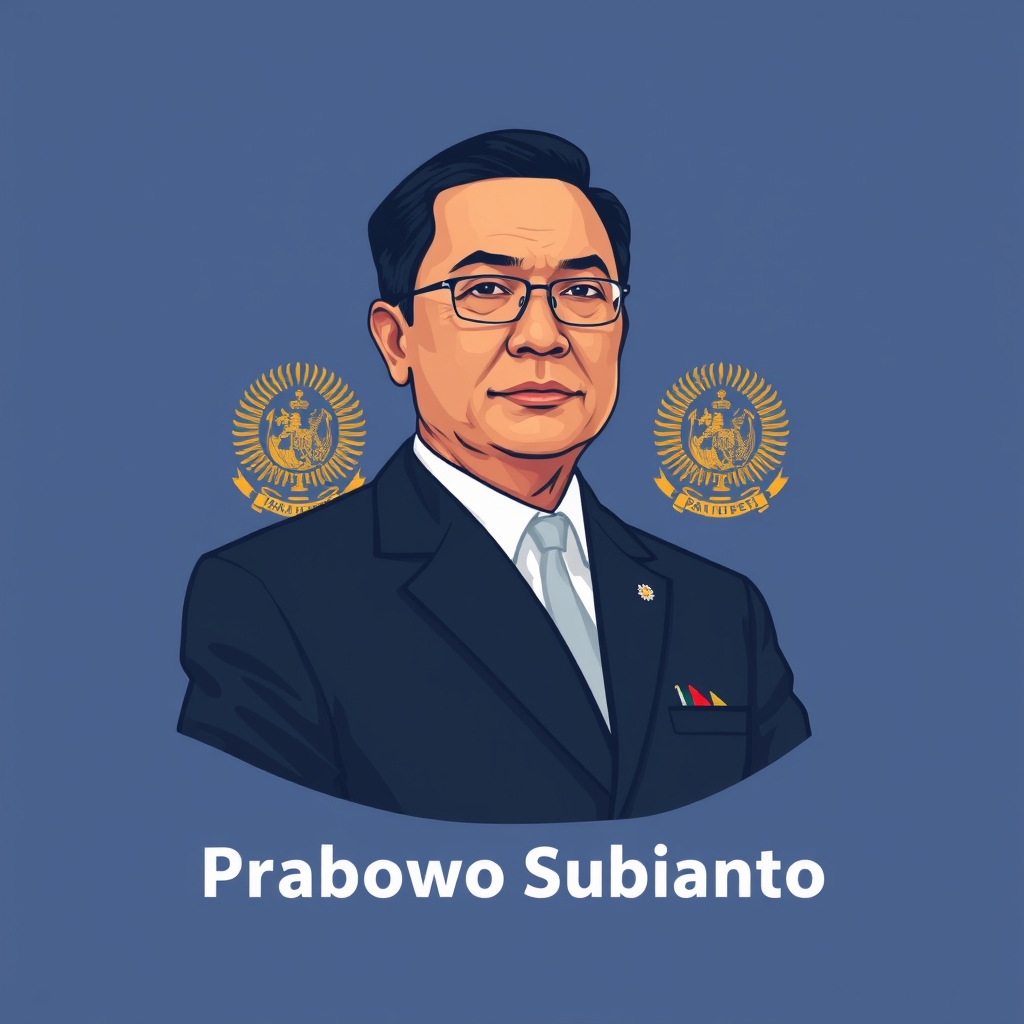
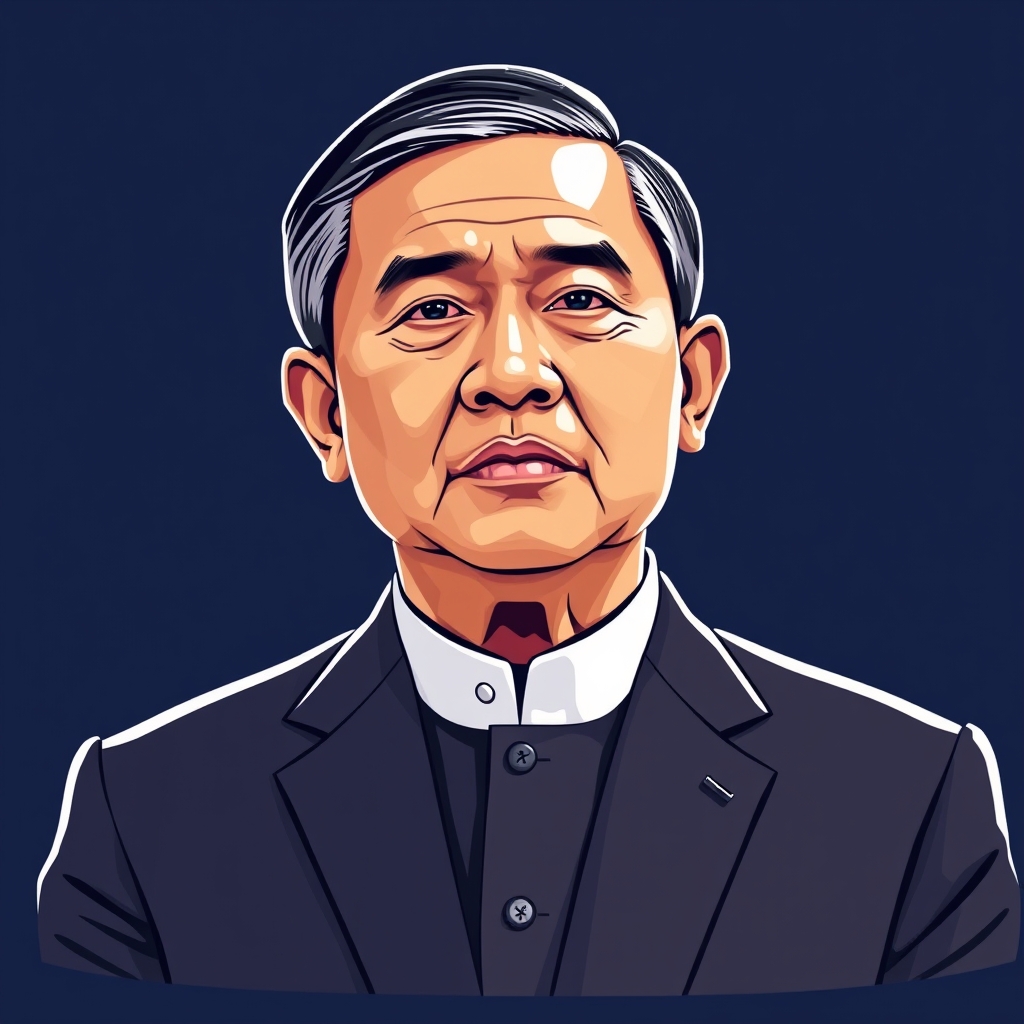
VS
Joko Widodo
Indonesia has named a fourth suspect in a wiretapping scandal that is deepening political intrigue.
The scandal is driving divisions between President Prabowo Subianto and his predecessor Joko Widodo.
*AI-generated summary of publicly available data. This is not an official statement of any party.
*AI-generated summary of publicly available statements and reporting. This is not an official statement of this party.
Supporters of Prabowo Subianto argue the wiretapping case reflects a needed cultural shift toward institutional loyalty, framing scrutiny of the scandal as defending national dignity over personal rivalries.
Supporters of Prabowo Subianto argue the wiretapping case is a test of Indonesia's institutional integrity, contending that loyalty to the nation's lawful processes must outweigh personal ties to a predecessor.
Supporters of Prabowo Subianto counter that cultural respect for institutional restraint cannot mean shielding a sitting president from scrutiny, arguing that Indonesia's tradition of accountability matters more than protecting incumbents from embarrassment.
Supporters of Prabowo Subianto frame the wiretapping probe as a lawful, evidence-based process, arguing that naming a fourth suspect shows the legal system operating independently rather than shielding any faction.
Supporters of Prabowo Subianto argue the wiretapping probe must follow established legal procedure, and they maintain that naming suspects through due process—not political pressure—is what legitimizes the investigation.
Supporters of Prabowo Subianto counter that the wiretapping probe proceeds under existing statutory authority, and that naming a fourth suspect follows evidentiary steps rather than political division.
Supporters of Prabowo Subianto argue the wiretapping probe is a legitimate consolidation of authority against rival networks loyal to Joko Widodo, and that naming suspects signals Prabowo's willingness to use state leverage to neutralize residual power centers.
Supporters of Prabowo Subianto argue that the wiretapping probe is a legitimate exercise of state authority to consolidate control, and that weakening a rival's network is prudent politics, not persecution.
Supporters of Prabowo Subianto counter that exposing the wiretapping network is itself a move to check a rival's entrenched leverage, arguing that in coalition politics whoever controls information controls the bargaining table.
Supporters of Prabowo Subianto argue that accountability must prevail, maintaining that the wiretapping inquiry should proceed impartially and that pursuing justice, even amid political tension, reflects a moral duty to uphold the rule of law over personal loyalties.
Supporters of Prabowo Subianto argue that accountability must prevail, maintaining that pursuing the wiretapping suspects upholds the rule of law and moral integrity over political loyalty.
Supporters of Prabowo Subianto counter that moral legitimacy demands the wiretapping matter be judged on its underlying ethics and national interest, not merely procedural transparency that can leave deeper questions of justice unaddressed.
Supporters of Prabowo Subianto argue that upholding order and lawful authority is a moral duty, maintaining that the wiretapping inquiry must proceed through proper institutions rather than deepen division.
Supporters of Prabowo Subianto frame the wiretapping inquiry as a defense of moral order, arguing that upholding lawful authority and social harmony reflects a duty to preserve inherited stability.
Supporters of Prabowo Subianto counter that moral accountability belongs to God alone, citing the principle that judgment of intentions rests with the Almighty, so the wiretapping dispute should not be used to demand a leader's fall.
*AI-generated summary of publicly available statements and reporting. This is not an official statement of this party.
Supporters of Joko Widodo argue the wiretapping case threatens Indonesia's tradition of orderly institutional succession, and maintain that inherited norms of restraint between leaders deserve protection over political point-scoring.
Supporters of Joko Widodo frame the wiretapping case as a test of institutional continuity, arguing that inherited norms of restraint between president and predecessor must be upheld over factional advantage.
Supporters of Joko Widodo counter that Indonesia's inherited cultural wisdom prizes gotong royong and deliberative consensus, so pressing a wiretapping grievance risks eroding the shared civility that national dignity actually rests on.
Supporters of Joko Widodo argue that naming a fourth wiretapping suspect reflects a legally dubious, politicized process, and they maintain that any surveillance or prosecution must rest on clear statutory authority and due process rather than political division.
Supporters of Joko Widodo argue that naming suspects in the wiretapping case must follow due legal process and evidence, not political pressure, and they point to the rule of law as the standard that should govern the investigation.
Supporters of Joko Widodo counter that expanding the suspect list is not proof of independence, since legal observers argue the probe's timing and selective targeting suggest political motives rather than neutral application of the law.
Supporters of Joko Widodo argue the wiretapping probe is a leverage play by Prabowo Subianto's camp to weaken a rival's network, pointing to the widening divisions as evidence that power, not justice, drives the case.
Supporters of Joko Widodo argue the wiretapping probe is being used to weaken his faction, pointing to the fourth suspect as evidence that Prabowo's camp is consolidating power by targeting rivals rather than addressing the scandal's substance.
Supporters of Joko Widodo counter that naming suspects is itself the leverage: a probe publicized against rival networks signals whose loyalty is now priced, converting state scrutiny into a bargaining chip that invites accommodation rather than neutralizing anyone.
Supporters of Joko Widodo argue that a wiretapping scandal should be resolved through transparent legal process and accountability, not used to deepen political divisions.
Supporters of Joko Widodo argue that expanding the wiretapping suspect list to entangle a predecessor is a moral abuse of state power, and that accountability should serve the public, not political retaliation.
Supporters of Joko Widodo counter that a moral commitment to the rule of law also demands fair process, arguing that an inquiry pursued amid political tension risks becoming a tool of rivalry rather than impartial justice.
Supporters of Joko Widodo invoke the principle of honest and just leadership, arguing that the wiretapping scandal demands moral accountability rather than political maneuvering.
Supporters of Joko Widodo invoke the moral duty of honesty and clean governance, arguing that scripture condemns bearing false witness, so the wiretapping scandal demands transparent investigation rather than blame.
Supporters of Joko Widodo counter that justice tempered with mercy is itself a scriptural mandate, arguing that lawful process pursued without healing risks deepening division rather than serving the common good.
AI-generated summary of publicly available statements and reporting. This is not an official statement of this party.
Supporters of Prabowo Subianto argue the wiretapping case reflects a needed cultural shift toward institutional loyalty, framing scrutiny of the scandal as defending national dignity over personal rivalries.
Supporters of Prabowo Subianto argue the wiretapping case is a test of Indonesia's institutional integrity, contending that loyalty to the nation's lawful processes must outweigh personal ties to a predecessor.
Supporters of Prabowo Subianto counter that cultural respect for institutional restraint cannot mean shielding a sitting president from scrutiny, arguing that Indonesia's tradition of accountability matters more than protecting incumbents from embarrassment.
Supporters of Prabowo Subianto frame the wiretapping probe as a lawful, evidence-based process, arguing that naming a fourth suspect shows the legal system operating independently rather than shielding any faction.
Supporters of Prabowo Subianto argue the wiretapping probe must follow established legal procedure, and they maintain that naming suspects through due process—not political pressure—is what legitimizes the investigation.
Supporters of Prabowo Subianto counter that the wiretapping probe proceeds under existing statutory authority, and that naming a fourth suspect follows evidentiary steps rather than political division.
Supporters of Prabowo Subianto argue the wiretapping probe is a legitimate consolidation of authority against rival networks loyal to Joko Widodo, and that naming suspects signals Prabowo's willingness to use state leverage to neutralize residual power centers.
Supporters of Prabowo Subianto argue that the wiretapping probe is a legitimate exercise of state authority to consolidate control, and that weakening a rival's network is prudent politics, not persecution.
Supporters of Prabowo Subianto counter that exposing the wiretapping network is itself a move to check a rival's entrenched leverage, arguing that in coalition politics whoever controls information controls the bargaining table.
Supporters of Prabowo Subianto argue that accountability must prevail, maintaining that the wiretapping inquiry should proceed impartially and that pursuing justice, even amid political tension, reflects a moral duty to uphold the rule of law over personal loyalties.
Supporters of Prabowo Subianto argue that accountability must prevail, maintaining that pursuing the wiretapping suspects upholds the rule of law and moral integrity over political loyalty.
Supporters of Prabowo Subianto counter that moral legitimacy demands the wiretapping matter be judged on its underlying ethics and national interest, not merely procedural transparency that can leave deeper questions of justice unaddressed.
Supporters of Prabowo Subianto argue that upholding order and lawful authority is a moral duty, maintaining that the wiretapping inquiry must proceed through proper institutions rather than deepen division.
Supporters of Prabowo Subianto frame the wiretapping inquiry as a defense of moral order, arguing that upholding lawful authority and social harmony reflects a duty to preserve inherited stability.
Supporters of Prabowo Subianto counter that moral accountability belongs to God alone, citing the principle that judgment of intentions rests with the Almighty, so the wiretapping dispute should not be used to demand a leader's fall.
Supporters of Joko Widodo argue the wiretapping case threatens Indonesia's tradition of orderly institutional succession, and maintain that inherited norms of restraint between leaders deserve protection over political point-scoring.
Supporters of Joko Widodo frame the wiretapping case as a test of institutional continuity, arguing that inherited norms of restraint between president and predecessor must be upheld over factional advantage.
Supporters of Joko Widodo counter that Indonesia's inherited cultural wisdom prizes gotong royong and deliberative consensus, so pressing a wiretapping grievance risks eroding the shared civility that national dignity actually rests on.
Supporters of Joko Widodo argue that naming a fourth wiretapping suspect reflects a legally dubious, politicized process, and they maintain that any surveillance or prosecution must rest on clear statutory authority and due process rather than political division.
Supporters of Joko Widodo argue that naming suspects in the wiretapping case must follow due legal process and evidence, not political pressure, and they point to the rule of law as the standard that should govern the investigation.
Supporters of Joko Widodo counter that expanding the suspect list is not proof of independence, since legal observers argue the probe's timing and selective targeting suggest political motives rather than neutral application of the law.
Supporters of Joko Widodo argue the wiretapping probe is a leverage play by Prabowo Subianto's camp to weaken a rival's network, pointing to the widening divisions as evidence that power, not justice, drives the case.
Supporters of Joko Widodo argue the wiretapping probe is being used to weaken his faction, pointing to the fourth suspect as evidence that Prabowo's camp is consolidating power by targeting rivals rather than addressing the scandal's substance.
Supporters of Joko Widodo counter that naming suspects is itself the leverage: a probe publicized against rival networks signals whose loyalty is now priced, converting state scrutiny into a bargaining chip that invites accommodation rather than neutralizing anyone.
Supporters of Joko Widodo argue that a wiretapping scandal should be resolved through transparent legal process and accountability, not used to deepen political divisions.
Supporters of Joko Widodo argue that expanding the wiretapping suspect list to entangle a predecessor is a moral abuse of state power, and that accountability should serve the public, not political retaliation.
Supporters of Joko Widodo counter that a moral commitment to the rule of law also demands fair process, arguing that an inquiry pursued amid political tension risks becoming a tool of rivalry rather than impartial justice.
Supporters of Joko Widodo invoke the principle of honest and just leadership, arguing that the wiretapping scandal demands moral accountability rather than political maneuvering.
Supporters of Joko Widodo invoke the moral duty of honesty and clean governance, arguing that scripture condemns bearing false witness, so the wiretapping scandal demands transparent investigation rather than blame.
Supporters of Joko Widodo counter that justice tempered with mercy is itself a scriptural mandate, arguing that lawful process pursued without healing risks deepening division rather than serving the common good.
Scandal is driving divisions between President Prabowo Subianto and predecessor Joko Widodo.