Prague demonstrators
VS
Andrej Babis coalition


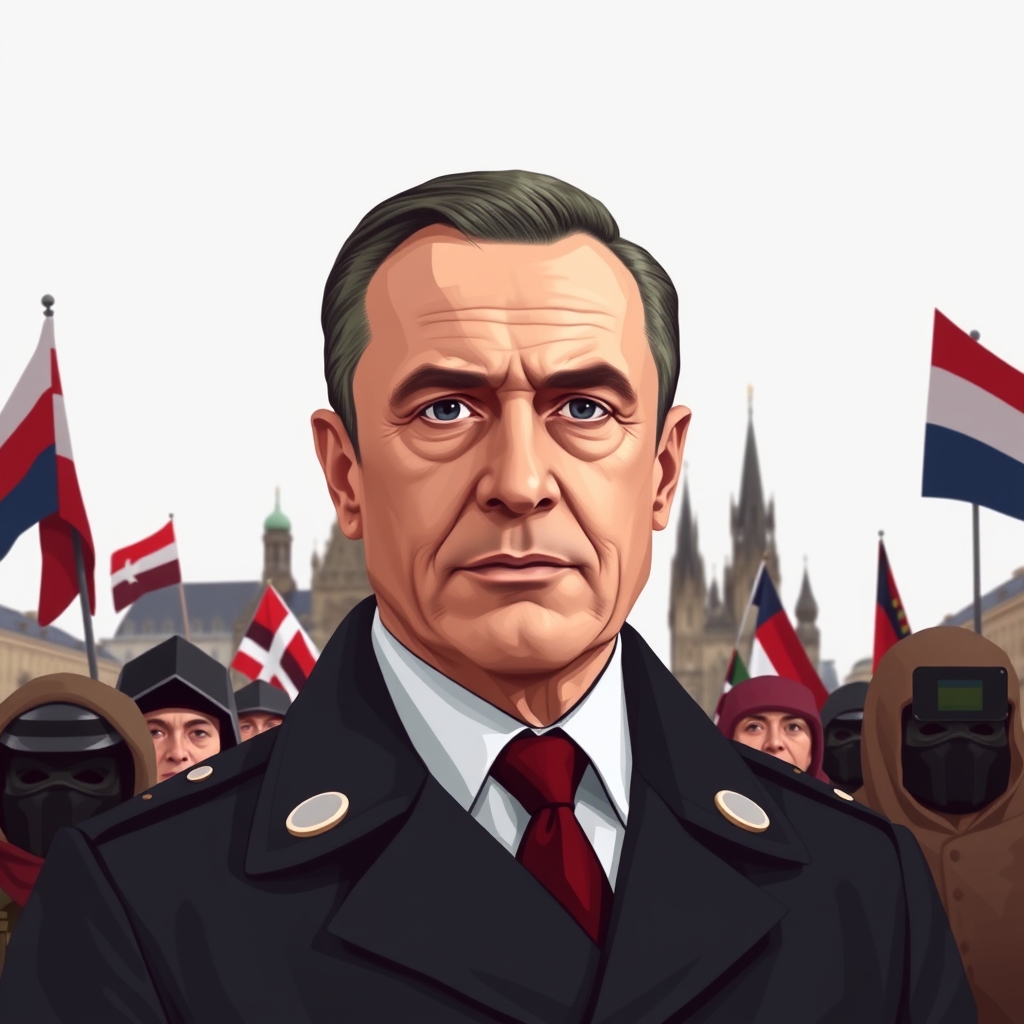
Thousands of demonstrators gathered in Prague to protest proposed reforms to public media funding by Prime Minister Andrej Babis and his coalition, alleging the changes threaten press freedom.
The dispute centers on whether the funding reforms endanger media independence.
*AI-generated summary of publicly available data. This is not an official statement of any party.
*AI-generated summary of publicly available statements and reporting. This is not an official statement of this party.
Supporters of Prague demonstrators invoke Czechoslovakia's 1968 experience with state-controlled media, arguing that funding changes under Babiš's coalition repeat a historical pattern where political pressure on public broadcasting erodes independent journalism.
Supporters of Prague demonstrators frame the protest as a cultural defense of independent public media, arguing that press freedom is a civic inheritance Czechs must protect from political pressure.
Supporters of the Prague demonstrators counter that public media's cultural value lies in independence from political paymasters, warning that tying funding to parliamentary goodwill echoes past attempts to bend broadcasting to the ruling party's voice.
Supporters of the Prague demonstrators argue that the proposed funding reforms conflict with legal safeguards for public media independence and press freedom, maintaining that the changes threaten the media's statutory autonomy.
Supporters of Prague demonstrators argue the funding reforms lack legal safeguards for public media independence, maintaining that without statutory protections, press freedom is left vulnerable to political pressure.
Supporters of the Prague demonstrators counter that a legal budget power does not settle the matter, arguing the funding changes still require independent review against public media's statutory independence guarantees.
Supporters of Prague demonstrators argue the funding fight is really about leverage: whoever controls public media's purse controls its coverage, and they see Babis's coalition moving to capture a watchdog before it can scrutinize him.
Supporters of Prague demonstrators argue the funding fight is really about control: whoever holds the purse strings shapes the news, and they see Babis's coalition seeking leverage over coverage that scrutinizes it.
Supporters of the Prague demonstrators counter that purse-string control is precisely how the coalition neutralizes hostile coverage, so framing the overhaul as neutral authority ignores who gains leverage over the news.
Supporters of Prague demonstrators argue that tampering with public media funding echoes past authoritarian plays, and that protecting press independence is a moral duty owed to citizens.
Supporters of Prague demonstrators argue that press freedom is a moral trust held on behalf of the public, and they see the funding reforms as a betrayal of that trust by those with power over public media.
Supporters of the Prague demonstrators counter that moral stewardship of public money requires protecting media independence from political pressure, arguing that transparency framed by the government itself risks becoming a tool for controlling coverage rather than serving taxpa.
Supporters of the Prague demonstrators argue that safeguarding independent public media is a moral duty rooted in truth-telling, warning that funding reforms under Andrej Babiš's coalition risk silencing voices the public relies on.
Supporters of the Prague demonstrators, drawing on the Christian inheritance of truth-telling and the dignity of free conscience, argue that a society which silences its public press betrays the moral order it claims to uphold.
Supporters of the Prague demonstrators counter that justice in stewardship must honor the moral trust owed to a free press, arguing that religious tradition warns against wielding accountability as a tool to silence dissent.
*AI-generated summary of publicly available statements and reporting. This is not an official statement of this party.
Supporters of Andrej Babis coalition argue that public media should answer to Czech taxpayers and national audiences rather than self-appointed editorial elites, framing the funding reforms as a defense of cultural sovereignty.
Supporters of Andrej Babis coalition argue the reforms protect Czech cultural sovereignty by making public media accountable to domestic taxpayers rather than outside interests.
Supporters of Andrej Babiš coalition counter that Czechoslovakia's 1968 media was a one-party monopoly, whereas Czech public broadcasting today operates under pluralistic oversight—so invoking that history to describe current funding changes flattens a genuine cultural distinctio.
Supporters of Andrej Babis coalition argue the funding reforms are a lawful exercise of the government's mandate to set public media budgets, and that legality—not protester alarm—should decide the matter.
Supporters of Andrej Babis coalition argue the funding reforms are a lawful exercise of the government's legislative authority, maintaining that elected officials may set public media financing without the changes amounting to unlawful interference with press freedom.
Supporters of Andrej Babis coalition counter that the reforms proceed through the legislature's lawful budget authority and that public media independence remains anchored in existing statutory safeguards, so critics' claims of illegality lack a legal basis.
Supporters of Andrej Babis coalition argue the funding overhaul simply reasserts elected authority over media budgets, since controlling public purse strings is a legitimate lever of power that no government surrenders to its critics.
Supporters of Andrej Babis coalition argue that whoever controls public media budgets controls the narrative, so restructuring funding is a legitimate exercise of electoral power rather than a threat to press freedom.
Supporters of the Andrej Babis coalition counter that budget authority over public media is a routine governing lever, not capture, and that any coalition would use the same tool to check a broadcaster it considers adversarial.
Supporters of the Andrej Babis coalition argue that the government has a moral duty to ensure public media funding is transparent and accountable to taxpayers, and they maintain that the reforms are a legitimate step toward responsible stewardship of public money.
Supporters of the Andrej Babis coalition argue that elected governments have a moral mandate to reform how public media are funded, and that questioning a broadcaster's financing is legitimate oversight rather than an attack on press freedom.
Supporters of Andrej Babis coalition counter that morality also demands fair, transparent funding rather than guaranteed budgets, arguing that citizens deserve accountability over unexamined institutional privilege.
Supporters of Andrej Babis coalition argue that the state has a moral duty to ensure public media funding is transparent and accountable, maintaining that stewardship of public resources is a matter of justice rather than an attack on press freedom.
Supporters of Andrej Babis coalition argue that the state's duty to steward public funds responsibly, a moral obligation under doctrine, outweighs claims that media funding reform threatens press freedom.
Supporters of Andrej Babiš's coalition counter that the demonstrators' appeal to truth-telling presumes a single moral authority to define truth, whereas public media funding should be accountable to law and the public purse.
AI-generated summary of publicly available statements and reporting. This is not an official statement of this party.
Supporters of Prague demonstrators invoke Czechoslovakia's 1968 experience with state-controlled media, arguing that funding changes under Babiš's coalition repeat a historical pattern where political pressure on public broadcasting erodes independent journalism.
Supporters of Prague demonstrators frame the protest as a cultural defense of independent public media, arguing that press freedom is a civic inheritance Czechs must protect from political pressure.
Supporters of the Prague demonstrators counter that public media's cultural value lies in independence from political paymasters, warning that tying funding to parliamentary goodwill echoes past attempts to bend broadcasting to the ruling party's voice.
Supporters of the Prague demonstrators argue that the proposed funding reforms conflict with legal safeguards for public media independence and press freedom, maintaining that the changes threaten the media's statutory autonomy.
Supporters of Prague demonstrators argue the funding reforms lack legal safeguards for public media independence, maintaining that without statutory protections, press freedom is left vulnerable to political pressure.
Supporters of the Prague demonstrators counter that a legal budget power does not settle the matter, arguing the funding changes still require independent review against public media's statutory independence guarantees.
Supporters of Prague demonstrators argue the funding fight is really about leverage: whoever controls public media's purse controls its coverage, and they see Babis's coalition moving to capture a watchdog before it can scrutinize him.
Supporters of Prague demonstrators argue the funding fight is really about control: whoever holds the purse strings shapes the news, and they see Babis's coalition seeking leverage over coverage that scrutinizes it.
Supporters of the Prague demonstrators counter that purse-string control is precisely how the coalition neutralizes hostile coverage, so framing the overhaul as neutral authority ignores who gains leverage over the news.
Supporters of Prague demonstrators argue that tampering with public media funding echoes past authoritarian plays, and that protecting press independence is a moral duty owed to citizens.
Supporters of Prague demonstrators argue that press freedom is a moral trust held on behalf of the public, and they see the funding reforms as a betrayal of that trust by those with power over public media.
Supporters of the Prague demonstrators counter that moral stewardship of public money requires protecting media independence from political pressure, arguing that transparency framed by the government itself risks becoming a tool for controlling coverage rather than serving taxpa.
Supporters of the Prague demonstrators argue that safeguarding independent public media is a moral duty rooted in truth-telling, warning that funding reforms under Andrej Babiš's coalition risk silencing voices the public relies on.
Supporters of the Prague demonstrators, drawing on the Christian inheritance of truth-telling and the dignity of free conscience, argue that a society which silences its public press betrays the moral order it claims to uphold.
Supporters of the Prague demonstrators counter that justice in stewardship must honor the moral trust owed to a free press, arguing that religious tradition warns against wielding accountability as a tool to silence dissent.
Supporters of Andrej Babis coalition argue that public media should answer to Czech taxpayers and national audiences rather than self-appointed editorial elites, framing the funding reforms as a defense of cultural sovereignty.
Supporters of Andrej Babis coalition argue the reforms protect Czech cultural sovereignty by making public media accountable to domestic taxpayers rather than outside interests.
Supporters of Andrej Babiš coalition counter that Czechoslovakia's 1968 media was a one-party monopoly, whereas Czech public broadcasting today operates under pluralistic oversight—so invoking that history to describe current funding changes flattens a genuine cultural distinctio.
Supporters of Andrej Babis coalition argue the funding reforms are a lawful exercise of the government's mandate to set public media budgets, and that legality—not protester alarm—should decide the matter.
Supporters of Andrej Babis coalition argue the funding reforms are a lawful exercise of the government's legislative authority, maintaining that elected officials may set public media financing without the changes amounting to unlawful interference with press freedom.
Supporters of Andrej Babis coalition counter that the reforms proceed through the legislature's lawful budget authority and that public media independence remains anchored in existing statutory safeguards, so critics' claims of illegality lack a legal basis.
Supporters of Andrej Babis coalition argue the funding overhaul simply reasserts elected authority over media budgets, since controlling public purse strings is a legitimate lever of power that no government surrenders to its critics.
Supporters of Andrej Babis coalition argue that whoever controls public media budgets controls the narrative, so restructuring funding is a legitimate exercise of electoral power rather than a threat to press freedom.
Supporters of the Andrej Babis coalition counter that budget authority over public media is a routine governing lever, not capture, and that any coalition would use the same tool to check a broadcaster it considers adversarial.
Supporters of the Andrej Babis coalition argue that the government has a moral duty to ensure public media funding is transparent and accountable to taxpayers, and they maintain that the reforms are a legitimate step toward responsible stewardship of public money.
Supporters of the Andrej Babis coalition argue that elected governments have a moral mandate to reform how public media are funded, and that questioning a broadcaster's financing is legitimate oversight rather than an attack on press freedom.
Supporters of Andrej Babis coalition counter that morality also demands fair, transparent funding rather than guaranteed budgets, arguing that citizens deserve accountability over unexamined institutional privilege.
Supporters of Andrej Babis coalition argue that the state has a moral duty to ensure public media funding is transparent and accountable, maintaining that stewardship of public resources is a matter of justice rather than an attack on press freedom.
Supporters of Andrej Babis coalition argue that the state's duty to steward public funds responsibly, a moral obligation under doctrine, outweighs claims that media funding reform threatens press freedom.
Supporters of Andrej Babiš's coalition counter that the demonstrators' appeal to truth-telling presumes a single moral authority to define truth, whereas public media funding should be accountable to law and the public purse.
Thousands of demonstrators protest in Prague against proposed public media funding reforms, alleging a threat to press freedom.