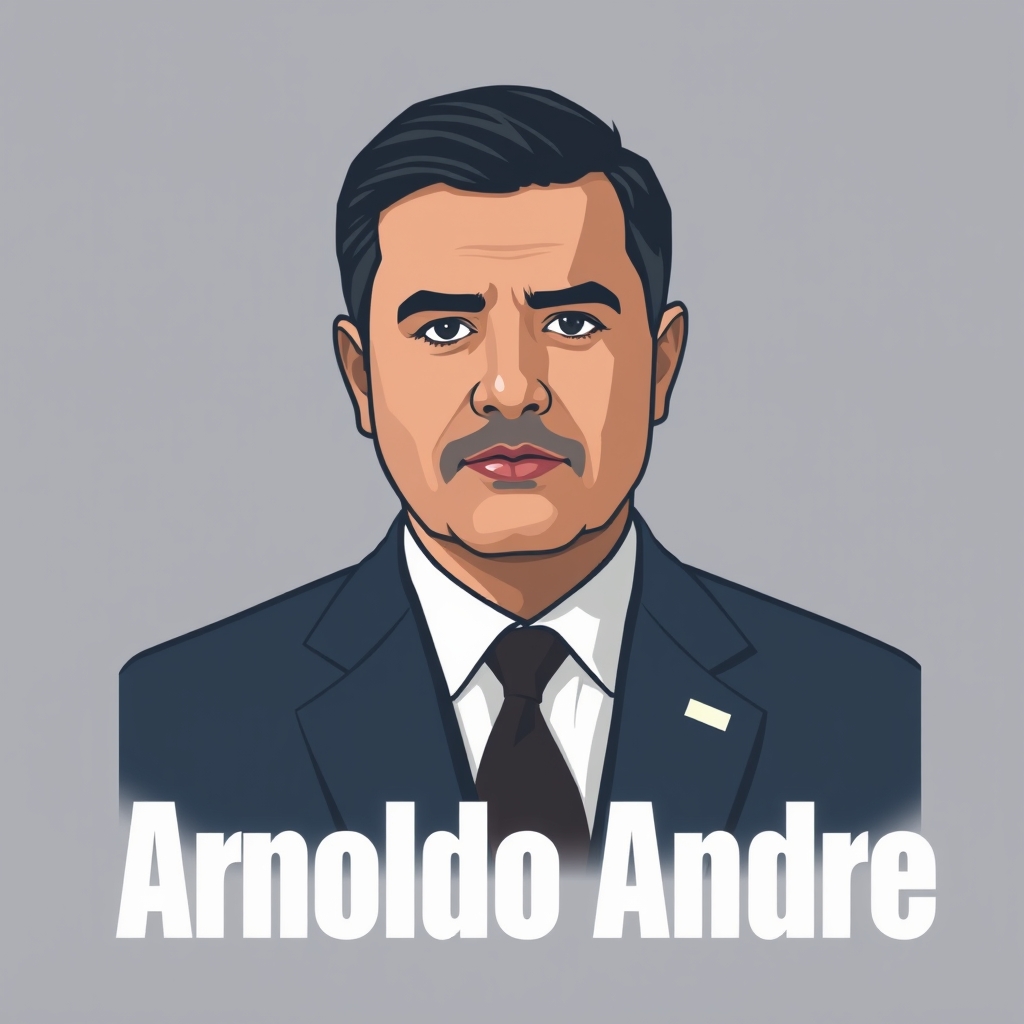
Arnoldo André
VS
President Fernández

President Laura Fernández is the president of Costa Rica, having won the February 2026 presidential runoff as the candidate of the conservative Sovereign People's Party, a coalition aligned with outgoing President Chaves.
Arnoldo André is a Costa Rican diplomat who served as foreign minister and was later appointed as Costa Rica's permanent representative.
The conflict between President Fernández and Arnoldo André centers on diplomatic protocol and the limits of independent action by a foreign minister.
André attended the 'Shield of the Americas' meeting in New York with US President Donald Trump without prior approval from President Fernández, leading to his dismissal.
The incident raises questions about the consequences of unauthorized high-level engagements and the boundaries of diplomatic autonomy within the Fernández administration.
*AI-generated summary of publicly available data. This is not an official statement of any party.
*AI-generated summary of publicly available statements and reporting. This is not an official statement of this party.
Supporters of Arnoldo André argue that Costa Rica's cultural tradition of independent, sovereign diplomacy means its officials may engage regional partners directly without first seeking presidential permission.
Supporters of Arnoldo André argue that Costa Rica's cultural identity is tied to its sovereign, independent foreign policy, and that alignment with the Shield of the Americas reflects the nation's own values rather than outside direction.
Supporters of Arnoldo André counter that Costa Rica's democratic culture prizes a minister's direct accountability to citizens, not prior presidential permission, so the meeting itself upheld that norm.
Supporters of Arnoldo André argue that a foreign minister's attendance at a meeting with the US president falls within his lawful mandate to conduct foreign relations, so any dismissal should rest on clear constitutional or statutory breach, not political disagreement.
Supporters of Arnoldo André argue that a foreign minister attending a meeting with a US president serves Costa Rica's national interest, and that dismissing him for it substitutes political control for the legal discretion the office traditionally carries.
Supporters of Arnoldo André counter that the dismissal was legally baseless, since no statute barred the foreign minister from high-level diplomacy and the president's own foreign policy mandate authorized such engagement.
Supporters of Arnoldo André argue that bypassing Fernández to court Trump was a calculated play for leverage, betting Costa Rica's real power lies in Washington, not in presidential protocol.
Supporters of Arnoldo André argue that securing a direct channel to Trump outweighs protocol; they maintain that Fernández fired him to reassert control, not to protect Costa Rica's interests.
Supporters of Arnoldo André counter that a foreign minister's value lies in access, not obedience; the Trump meeting delivered leverage Costa Rica could not afford to discard, making dismissal a costly concession to form over results.
Supporters of Arnoldo André argue that sovereign states must honor multilateral commitments; they contend his attendance advanced regional cooperation and human rights, and that dismissing him over protocol undermines Costa Rica's global standing.
Supporters of Arnoldo André argue that engaging US President Trump served Costa Rica's people and regional stability, so dismissing him for it prioritizes protocol over the humanitarian interests of cooperation.
Supporters of Arnoldo André counter that loyalty to a nation's people can require direct international engagement, since global cooperation on shared challenges like migration and human rights often demands dialogue beyond formal authorization.
Supporters of Arnoldo André argue that defending a nation against narco-trafficking is a moral duty rooted in justice, and that his attendance at the Shield of the Americas meeting served that righteous cause despite protocol concerns.
Supporters of Arnoldo André argue that seeking counsel from leaders is biblically sound, citing Proverbs 11:14, and maintain his New York meeting served Costa Rica's good.
Supporters of Arnoldo André counter that scripture also commands obedience to God above earthly rulers, so conscience-bound counsel to a foreign power need not betray divine order.
*AI-generated summary of publicly available statements and reporting. This is not an official statement of this party.
Supporters of President Fernández argue that Costa Rica’s tradition of independent, consensus-based diplomacy demands ministers act only with presidential authorization, so André’s unapproved meeting eroded a cultural norm of accountability.
Supporters of President Fernández frame her dismissal of André as defending Costa Rica's tradition of autonomous, protocol-bound diplomacy—arguing that unapproved alignment with foreign powers betrays the small nation's cultural commitment to neutrality.
Supporters of President Fernández counter that Costa Rica's diplomatic culture centralizes foreign policy in the president, so officials historically act abroad only with executive authorization.
Supporters of President Fernández argue that dismissing Foreign Minister André was a lawful exercise of her constitutional authority over foreign policy, since unauthorized high-level diplomacy exceeded his mandate.
Supporters of President Fernández argue that a foreign minister's unauthorized high-level meeting violates executive authority over foreign policy, so dismissal was a lawful exercise of presidential power.
Supporters of President Fernández counter that a foreign minister's mandate is not unlimited: attending a foreign meeting that contradicts the executive's stated foreign policy exceeds lawful authority, breaching the duty of loyalty to the president's directives.
Supporters of President Fernández argue that André's unauthorized meeting with Trump was an unapproved power play, and dismissing him reasserts the president's sole control over foreign policy.
Supporters of President Fernández argue that a foreign minister meeting Trump unapproved concentrates diplomatic leverage outside the president's hands, so dismissal restores control over the state's single foreign-policy voice.
Supporters of President Fernández counter that leverage runs both ways: a president who controls domestic appointments and legislation can quietly stall any deal Washington offers, making the courtship of Trump a costly gesture with little to show.
Supporters of President Fernández argue that a foreign minister meeting a US president without authorization violates the duty of loyalty and constitutional order, so dismissal was a necessary moral defense of national sovereignty and protocol.
Supporters of President Fernández argue that a foreign minister meeting a foreign leader without presidential approval breaches the duty of loyalty and constitutional order, so dismissal was a morally necessary defense of national sovereignty.
Supporters of President Fernández counter that honoring human-rights commitments matters more than protocol, since a representative credibly accused of complicity in abuses cannot advance those rights abroad.
Supporters of President Fernández argue that a foreign minister attending a meeting with President Trump without approval breaks the solemn trust of office, and that upholding lawful authority reflects the order God ordains.
Supporters of President Fernández argue that authority is God-ordained, so a minister's unapproved meeting abroad dishonors the order He established; dismissing André restores rightful hierarchy and national integrity.
Supporters of President Fernández counter that sovereignty and constitutional order are themselves moral duties, and that a nation's fight against narco-trafficking is properly waged through lawful authority, not by bypassing the protocol that legitimizes it.
AI-generated summary of publicly available statements and reporting. This is not an official statement of this party.
Supporters of Arnoldo André argue that Costa Rica's cultural tradition of independent, sovereign diplomacy means its officials may engage regional partners directly without first seeking presidential permission.
Supporters of Arnoldo André argue that Costa Rica's cultural identity is tied to its sovereign, independent foreign policy, and that alignment with the Shield of the Americas reflects the nation's own values rather than outside direction.
Supporters of Arnoldo André counter that Costa Rica's democratic culture prizes a minister's direct accountability to citizens, not prior presidential permission, so the meeting itself upheld that norm.
Supporters of Arnoldo André argue that a foreign minister's attendance at a meeting with the US president falls within his lawful mandate to conduct foreign relations, so any dismissal should rest on clear constitutional or statutory breach, not political disagreement.
Supporters of Arnoldo André argue that a foreign minister attending a meeting with a US president serves Costa Rica's national interest, and that dismissing him for it substitutes political control for the legal discretion the office traditionally carries.
Supporters of Arnoldo André counter that the dismissal was legally baseless, since no statute barred the foreign minister from high-level diplomacy and the president's own foreign policy mandate authorized such engagement.
Supporters of Arnoldo André argue that bypassing Fernández to court Trump was a calculated play for leverage, betting Costa Rica's real power lies in Washington, not in presidential protocol.
Supporters of Arnoldo André argue that securing a direct channel to Trump outweighs protocol; they maintain that Fernández fired him to reassert control, not to protect Costa Rica's interests.
Supporters of Arnoldo André counter that a foreign minister's value lies in access, not obedience; the Trump meeting delivered leverage Costa Rica could not afford to discard, making dismissal a costly concession to form over results.
Supporters of Arnoldo André argue that sovereign states must honor multilateral commitments; they contend his attendance advanced regional cooperation and human rights, and that dismissing him over protocol undermines Costa Rica's global standing.
Supporters of Arnoldo André argue that engaging US President Trump served Costa Rica's people and regional stability, so dismissing him for it prioritizes protocol over the humanitarian interests of cooperation.
Supporters of Arnoldo André counter that loyalty to a nation's people can require direct international engagement, since global cooperation on shared challenges like migration and human rights often demands dialogue beyond formal authorization.
Supporters of Arnoldo André argue that defending a nation against narco-trafficking is a moral duty rooted in justice, and that his attendance at the Shield of the Americas meeting served that righteous cause despite protocol concerns.
Supporters of Arnoldo André argue that seeking counsel from leaders is biblically sound, citing Proverbs 11:14, and maintain his New York meeting served Costa Rica's good.
Supporters of Arnoldo André counter that scripture also commands obedience to God above earthly rulers, so conscience-bound counsel to a foreign power need not betray divine order.
Supporters of President Fernández argue that Costa Rica’s tradition of independent, consensus-based diplomacy demands ministers act only with presidential authorization, so André’s unapproved meeting eroded a cultural norm of accountability.
Supporters of President Fernández frame her dismissal of André as defending Costa Rica's tradition of autonomous, protocol-bound diplomacy—arguing that unapproved alignment with foreign powers betrays the small nation's cultural commitment to neutrality.
Supporters of President Fernández counter that Costa Rica's diplomatic culture centralizes foreign policy in the president, so officials historically act abroad only with executive authorization.
Supporters of President Fernández argue that dismissing Foreign Minister André was a lawful exercise of her constitutional authority over foreign policy, since unauthorized high-level diplomacy exceeded his mandate.
Supporters of President Fernández argue that a foreign minister's unauthorized high-level meeting violates executive authority over foreign policy, so dismissal was a lawful exercise of presidential power.
Supporters of President Fernández counter that a foreign minister's mandate is not unlimited: attending a foreign meeting that contradicts the executive's stated foreign policy exceeds lawful authority, breaching the duty of loyalty to the president's directives.
Supporters of President Fernández argue that André's unauthorized meeting with Trump was an unapproved power play, and dismissing him reasserts the president's sole control over foreign policy.
Supporters of President Fernández argue that a foreign minister meeting Trump unapproved concentrates diplomatic leverage outside the president's hands, so dismissal restores control over the state's single foreign-policy voice.
Supporters of President Fernández counter that leverage runs both ways: a president who controls domestic appointments and legislation can quietly stall any deal Washington offers, making the courtship of Trump a costly gesture with little to show.
Supporters of President Fernández argue that a foreign minister meeting a US president without authorization violates the duty of loyalty and constitutional order, so dismissal was a necessary moral defense of national sovereignty and protocol.
Supporters of President Fernández argue that a foreign minister meeting a foreign leader without presidential approval breaches the duty of loyalty and constitutional order, so dismissal was a morally necessary defense of national sovereignty.
Supporters of President Fernández counter that honoring human-rights commitments matters more than protocol, since a representative credibly accused of complicity in abuses cannot advance those rights abroad.
Supporters of President Fernández argue that a foreign minister attending a meeting with President Trump without approval breaks the solemn trust of office, and that upholding lawful authority reflects the order God ordains.
Supporters of President Fernández argue that authority is God-ordained, so a minister's unapproved meeting abroad dishonors the order He established; dismissing André restores rightful hierarchy and national integrity.
Supporters of President Fernández counter that sovereignty and constitutional order are themselves moral duties, and that a nation's fight against narco-trafficking is properly waged through lawful authority, not by bypassing the protocol that legitimizes it.
Meeting in New York attended by Costa Rican Foreign Minister Arnoldo André and US President Donald Trump
President Laura Fernández dismissed Foreign Minister Arnoldo André over his unapproved attendance at the meeting
Laura Fernández was inaugurated as President of Costa Rica, marking the start of a new conservative era in San José.
Laura Fernández won the February 2026 presidential runoff representing the conservative coalition aligned with outgoing President Chaves.