President Samia

VS
Nchimbi
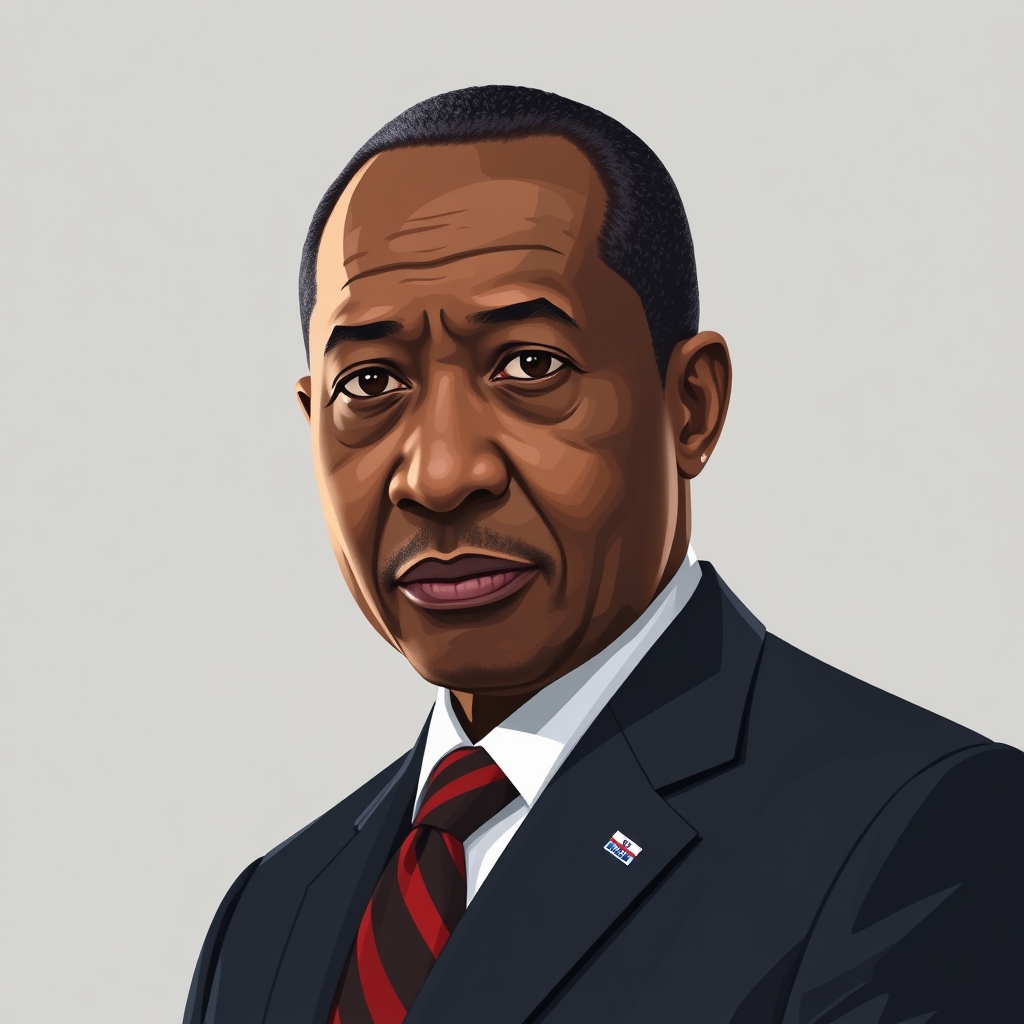
President Samia Suluhu Hassan is the President of Tanzania, and Emmanuel Nchimbi served as her Vice President.
The two formed the political ticket that helped Samia secure a second term in office.
Nchimbi has since resigned from his position, and his resignation was accepted by President Samia.
The conflict between them centers on political differences that reportedly preceded Nchimbi's exit.
Before taking office, Nchimbi had made promises to Samia, and their relationship deteriorated over time.
The rupture has caused internal divisions within the ruling party, with allegations of suppressing dissent and accusations of political maneuvering.
The situation escalated to the point where Nchimbi resigned, and a successor has been named.
*AI-generated summary of publicly available data. This is not an official statement of any party.
*AI-generated summary of publicly available statements and reporting. This is not an official statement of this party.
Supporters of President Samia argue that the expulsion upholds CCM’s cultural tradition of disciplined hierarchy, where loyalty to the chair outweighs individual ambition.
Supporters of President Samia argue that her swift action against Nchimbi reflects a cultural duty to uphold party discipline, rooted in Tanzania's tradition of unified leadership over individual ambition.
Supporters of President Samia counter that cultural tradition honors unity over individual seniority, and Nchimbi’s removal upheld party discipline as a shared value, not a break with consultative norms.
Supporters of President Samia argue that party discipline rules legally authorize her to expel Nchimbi for indiscipline, citing his resignation as a voluntary admission of breach.
Supporters of President Samia argue that the expulsion of Nchimbi was a lawful exercise of party discipline, grounded in the ruling party's constitutionally recognized internal rules.
Supporters of President Samia counter that party membership is a voluntary political contract, not a legal entitlement, and Nchimbi’s resignation itself ended any disciplinary obligation, making due process claims moot under the party’s internal rules.
Supporters of President Samia argue the expulsion was a calculated move to purge a rival who threatened party cohesion, with Nchimbi’s resignation merely formalizing a power struggle she won decisively.
Supporters of President Samia argue that expelling Nchimbi was a pragmatic consolidation of power, framing his removal as necessary discipline to protect party unity. They point to his resignation as proof that loyalty, not sentiment, governs leadership.
Supporters of President Samia counter that Nchimbi’s expulsion was a lawful, party-discipline measure, not personal fear; his resignation merely confirmed an inevitable split, and any future comeback depends on a fragmented opposition that Samia’s machinery will outmaneuver with.
Supporters of President Samia argue that party discipline is a moral duty, and Nchimbi’s expulsion reflects a fair commitment to institutional integrity over personal loyalty.
Supporters of President Samia argue that her firm action upholds party discipline, a moral duty to protect institutional integrity over individual ambition.
Supporters of President Samia counter that integrity within a party demands accountability, not public defiance, and that Nchimbi’s expulsion upholds the moral duty to protect institutional unity over individual ambition.
Supporters of President Samia argue that party discipline upholds God-ordained order, and Nchimbi's expulsion reflects the CCM's duty to protect unity over individual ambition.
Supporters of President Samia argue that party discipline, rooted in respect for ordained leadership, upholds unity and divine order.
Supporters of President Samia counter that scripture also calls for righteous authority to correct disorder, and her action upholds constitutional order as a divine mandate.
*AI-generated summary of publicly available statements and reporting. This is not an official statement of this party.
Supporters of Nchimbi argue that his removal reflects a cultural disregard for elder statesmen and regional political traditions, viewing the party’s swift expulsion as an erosion of consultative leadership.
Supporters of Nchimbi argue that his expulsion reflects a disregard for cultural norms of elder consultation and regional balance in Chama Cha Mapinduzi leadership.
Supporters of Nchimbi counter that CCM’s cultural tradition is not blind obedience but collective accountability, where loyalty to the party’s values—not the chair’s personal rule—defines discipline.
Supporters of Nchimbi argue that his expulsion without a formal disciplinary hearing violates the party’s own constitution and Tanzania’s legal standards of due process, citing his resignation as an attempt to preempt an unjust process.
Supporters of Nchimbi argue that his expulsion lacked due process, citing the party’s own constitution, which mandates a hearing before disciplinary action; his resignation on Aug 27, 2026, they maintain, was coerced under political pressure, not voluntary, violating his right to.
Supporters of Nchimbi counter that the party’s expulsion rules require a formal disciplinary hearing, not unilateral action, and that his resignation was a protected political right, not an admission of breach.
Supporters of Nchimbi argue his expulsion was a preemptive power play by Samia, who feared a rival consolidating party loyalty; they point to his resignation as a calculated retreat, preserving leverage for a future political comeback.
Supporters of Nchimbi argue his expulsion is a calculated purge by President Samia to consolidate power, framing a falling-out as indiscipline to eliminate a rival.
Supporters of Nchimbi counter that the expulsion was a miscalculation, exposing Samia’s fear of a credible alternative rather than a show of strength.
Supporters of Nchimbi argue that party loyalty must never override personal integrity, framing his expulsion as retaliation for principled dissent against Samia's leadership.
Supporters of Nchimbi argue that expelling a leader for disagreeing with President Samia punishes conscience, not indiscipline, violating the moral duty of loyalty to principles over persons.
Supporters of Nchimbi counter that enforced conformity stifles moral conscience, and that party discipline cannot override the individual’s duty to question unjust authority.
Supporters of Nchimbi argue that the vice president's removal reflects a breach of divine order, for scripture holds that leaders must honor their oaths and resolve disputes through humble counsel, not expulsion.
Supporters of Nchimbi argue that his expulsion reflects a divine test of humility, citing scripture that leadership must be servant-hearted, not retaliatory. They maintain his resignation honors God’s order, trusting that faith, not political position, defines true authority.
Supporters of Nchimbi counter that Scripture calls leaders to shepherd with humility, not silence dissent, and that party discipline must never override justice or the voice of the faithful.
AI-generated summary of publicly available statements and reporting. This is not an official statement of this party.
Supporters of President Samia argue that the expulsion upholds CCM’s cultural tradition of disciplined hierarchy, where loyalty to the chair outweighs individual ambition.
Supporters of President Samia argue that her swift action against Nchimbi reflects a cultural duty to uphold party discipline, rooted in Tanzania's tradition of unified leadership over individual ambition.
Supporters of President Samia counter that cultural tradition honors unity over individual seniority, and Nchimbi’s removal upheld party discipline as a shared value, not a break with consultative norms.
Supporters of President Samia argue that party discipline rules legally authorize her to expel Nchimbi for indiscipline, citing his resignation as a voluntary admission of breach.
Supporters of President Samia argue that the expulsion of Nchimbi was a lawful exercise of party discipline, grounded in the ruling party's constitutionally recognized internal rules.
Supporters of President Samia counter that party membership is a voluntary political contract, not a legal entitlement, and Nchimbi’s resignation itself ended any disciplinary obligation, making due process claims moot under the party’s internal rules.
Supporters of President Samia argue the expulsion was a calculated move to purge a rival who threatened party cohesion, with Nchimbi’s resignation merely formalizing a power struggle she won decisively.
Supporters of President Samia argue that expelling Nchimbi was a pragmatic consolidation of power, framing his removal as necessary discipline to protect party unity. They point to his resignation as proof that loyalty, not sentiment, governs leadership.
Supporters of President Samia counter that Nchimbi’s expulsion was a lawful, party-discipline measure, not personal fear; his resignation merely confirmed an inevitable split, and any future comeback depends on a fragmented opposition that Samia’s machinery will outmaneuver with.
Supporters of President Samia argue that party discipline is a moral duty, and Nchimbi’s expulsion reflects a fair commitment to institutional integrity over personal loyalty.
Supporters of President Samia argue that her firm action upholds party discipline, a moral duty to protect institutional integrity over individual ambition.
Supporters of President Samia counter that integrity within a party demands accountability, not public defiance, and that Nchimbi’s expulsion upholds the moral duty to protect institutional unity over individual ambition.
Supporters of President Samia argue that party discipline upholds God-ordained order, and Nchimbi's expulsion reflects the CCM's duty to protect unity over individual ambition.
Supporters of President Samia argue that party discipline, rooted in respect for ordained leadership, upholds unity and divine order.
Supporters of President Samia counter that scripture also calls for righteous authority to correct disorder, and her action upholds constitutional order as a divine mandate.
Supporters of Nchimbi argue that his removal reflects a cultural disregard for elder statesmen and regional political traditions, viewing the party’s swift expulsion as an erosion of consultative leadership.
Supporters of Nchimbi argue that his expulsion reflects a disregard for cultural norms of elder consultation and regional balance in Chama Cha Mapinduzi leadership.
Supporters of Nchimbi counter that CCM’s cultural tradition is not blind obedience but collective accountability, where loyalty to the party’s values—not the chair’s personal rule—defines discipline.
Supporters of Nchimbi argue that his expulsion without a formal disciplinary hearing violates the party’s own constitution and Tanzania’s legal standards of due process, citing his resignation as an attempt to preempt an unjust process.
Supporters of Nchimbi argue that his expulsion lacked due process, citing the party’s own constitution, which mandates a hearing before disciplinary action; his resignation on Aug 27, 2026, they maintain, was coerced under political pressure, not voluntary, violating his right to.
Supporters of Nchimbi counter that the party’s expulsion rules require a formal disciplinary hearing, not unilateral action, and that his resignation was a protected political right, not an admission of breach.
Supporters of Nchimbi argue his expulsion was a preemptive power play by Samia, who feared a rival consolidating party loyalty; they point to his resignation as a calculated retreat, preserving leverage for a future political comeback.
Supporters of Nchimbi argue his expulsion is a calculated purge by President Samia to consolidate power, framing a falling-out as indiscipline to eliminate a rival.
Supporters of Nchimbi counter that the expulsion was a miscalculation, exposing Samia’s fear of a credible alternative rather than a show of strength.
Supporters of Nchimbi argue that party loyalty must never override personal integrity, framing his expulsion as retaliation for principled dissent against Samia's leadership.
Supporters of Nchimbi argue that expelling a leader for disagreeing with President Samia punishes conscience, not indiscipline, violating the moral duty of loyalty to principles over persons.
Supporters of Nchimbi counter that enforced conformity stifles moral conscience, and that party discipline cannot override the individual’s duty to question unjust authority.
Supporters of Nchimbi argue that the vice president's removal reflects a breach of divine order, for scripture holds that leaders must honor their oaths and resolve disputes through humble counsel, not expulsion.
Supporters of Nchimbi argue that his expulsion reflects a divine test of humility, citing scripture that leadership must be servant-hearted, not retaliatory. They maintain his resignation honors God’s order, trusting that faith, not political position, defines true authority.
Supporters of Nchimbi counter that Scripture calls leaders to shepherd with humility, not silence dissent, and that party discipline must never override justice or the voice of the faithful.
Nchimbi announced his resignation earlier this week after reportedly falling out with President Samia.
President Samia accepts Vice President Nchimbi's resignation ahead of a planned transition on August 26, 2026.
Reports emerge detailing the political differences between President Samia and Vice President Nchimbi, rupturing the ruling party.