Political opposition factions
VS
President Tshisekedi
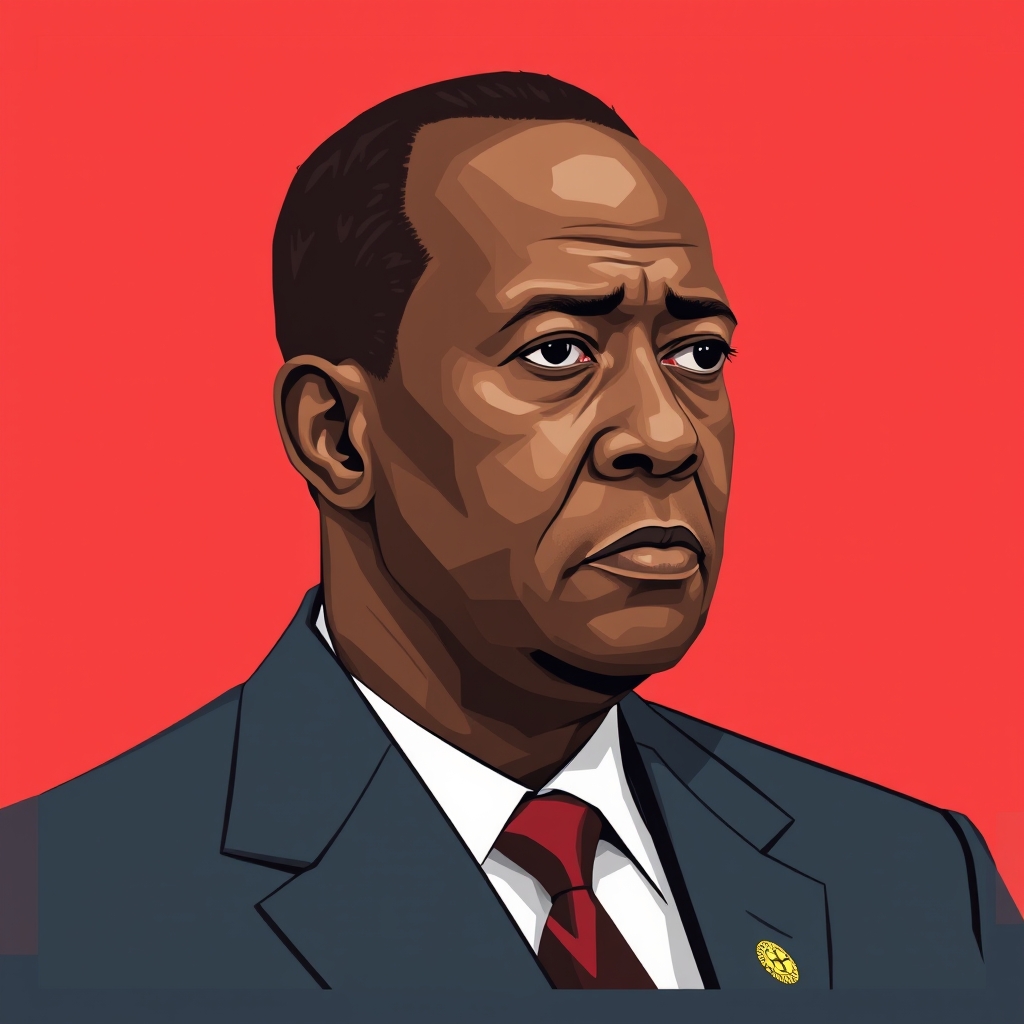
President Félix Tshisekedi is the head of state of the Democratic Republic of Congo (DRC) and a member of the Union for Democracy and Social Progress (UDPS) party.
He was declared the winner of the December 2018 presidential election, a result that was contested by opposition politicians, including those in the C64 coalition.
Political opposition factions in the DRC include leaders such as Martin Fayulu and Adolphe Muzito, who have been vocal critics of Tshisekedi's policies.
The conflict centers on Tshisekedi's push for constitutional reform, which opponents argue is a maneuver to allow him to seek a third term after his current mandate expires in 2028.
The opposition accuses him of obstructing electoral reforms and has organized protests against the proposed changes.
The dispute has led to clashes between opposition supporters and security forces, raising concerns about political stability in the country.
The stakes are high, as the constitutional reform debate directly affects the democratic succession process and the future of governance in the DRC.
The controversy has also been fueled by ongoing security challenges, including the expansion of the M23 rebel group, which has drawn criticism from both opposition figures and some of Tshisekedi's own supporters.
*AI-generated summary of publicly available data. This is not an official statement of any party.
*AI-generated summary of publicly available statements and reporting. This is not an official statement of this party.
Supporters of the political opposition factions argue that constitutional reform threatens the DRC's democratic cultural tradition of peaceful power transfer, viewing the 2028 election as a sacred national covenant.
Supporters of Political opposition factions argue that Congo's constitutional term limits are a sacred cultural inheritance, protecting the nation's democratic identity from personalized rule.
Supporters of the political opposition factions counter that constitutional reform erases Congo’s distinct cultural heritage by imposing external legal models, and they argue that true continuity requires protecting indigenous governance traditions from foreign influence.
Supporters of Political opposition factions argue that constitutional reform before the 2028 election violates the rule of law, as it alters succession rules mid-cycle to favor President Tshisekedi, undermining the legal certainty that binds all parties to the existing charter.
Supporters of Political opposition factions argue that altering the constitution before 2028 violates the DRC's legal framework for succession, a breach of the rule of law.
Supporters of political opposition factions counter that constitutional reform bypasses the 2028 electoral calendar, a legal violation of the constitution’s fixed-term provisions, and that due process cannot legitimize an expedited amendment.
Supporters of the opposition factions argue that Tshisekedi’s reform push is a play to scrap term limits and cling to power past 2028, framing constitutional change as a tool of incumbency survival.
Supporters of the opposition factions argue Tshisekedi’s reform is a power grab to erase term limits, ensuring he controls the 2028 succession by reshaping rules to favor his survival.
Supporters of Political opposition factions counter that Tshisekedi’s reform is a calculated reordering of electoral rules to entrench incumbency, noting the 2028 timeline conveniently aligns with his term’s end, not legal gaps.
Supporters of the political opposition factions argue that constitutional reform before the 2028 election violates the moral principle of fair political contest, as it shifts rules to benefit the incumbent.
Supporters of Political opposition factions argue that constitutional reform undermines the moral duty to honor democratic succession, viewing the 2028 election as a sacred covenant with the Congolese people.
Supporters of Political opposition factions counter that constitutional stability is hollow without the people’s consent, arguing that a leader’s moral duty lies in respecting democratic limits, not bending rules for personal power.
Supporters of Political opposition factions argue that constitutional order is a sacred covenant, and altering it to serve one leader’s ambitions violates the divine principle of lawful succession.
Supporters of Political opposition factions argue that Congo's constitutional order is a sacred covenant binding rulers to the people, and altering it for succession violates the divine mandate of lawful governance and ancestral duty.
Supporters of political opposition factions counter that scripture warns against leaders altering laws for self-preservation, citing Proverbs on the perils of pride; they argue the reform is a deviation from the nation's covenantal democratic order, not a lawful path.
*AI-generated summary of publicly available statements and reporting. This is not an official statement of this party.
Supporters of President Tshisekedi argue that constitutional reform preserves Congo’s cultural continuity by adapting inherited legal frameworks to national realities.
Supporters of President Tshisekedi argue that his constitutional reform reflects Congo's enduring cultural preference for unified, stable leadership over fragmented succession cycles.
Supporters of President Tshisekedi counter that constitutional reform honors the DRC’s deeper cultural value of adaptive governance, where leaders safeguard stability, and that the 2028 election remains a civic ritual, not an immutable covenant.
Supporters of President Tshisekedi argue that constitutional reform is a legal prerogative of the state, not a threat to the 2028 election, and that due process alone will determine its validity.
Supporters of President Tshisekedi argue that constitutional reform is a lawful exercise of sovereign authority, not a threat to the 2028 succession, as the process follows existing legal amendment procedures.
Supporters of President Tshisekedi counter that the 2028 reform follows the constitution’s own amendment clause, which permits revision by democratic majority, and that legal certainty is preserved because the process adheres to existing procedural rules, not arbitrary change.
Supporters of President Tshisekedi argue that constitutional reform is a pragmatic tool to secure stability, not a personal power grab, pointing to the 2028 election as a moment where rival factions would exploit legal gaps for chaos.
Supporters of President Tshisekedi argue that constitutional reform is a pragmatic move to consolidate power, framing opposition resistance as self-interested elites defending a status quo that benefits them, not the Congolese people.
Supporters of President Tshisekedi counter that the reform push is a pragmatic response to Congo’s instability, not a survival play; term-limit fears ignore the real incentive—securing a durable coalition amid regional rivalries, where power-sharing, not tenure, is the actual cur.
Supporters of President Tshisekedi argue that constitutional reform protects national stability over rigid succession rules, viewing it as a moral duty to prioritize Congo’s collective future.
Supporters of President Tshisekedi argue that constitutional reform is a moral duty to correct structural flaws, not a power grab; they maintain that safeguarding national stability outweighs rigid succession timelines.
Supporters of President Tshisekedi counter that constitutional reform is a moral duty to correct inherited inequities, ensuring elections reflect the people’s will rather than outdated structures favoring elite factions.
Supporters of President Tshisekedi argue that constitutional reform is a lawful path, citing scripture on the just ordering of governance; they view it as a means to preserve stability, not a rejection of democratic succession.
Supporters of President Tshisekedi argue that constitutional reform reflects divine order, citing scripture on lawful governance as evidence that leaders may adapt laws for national stability.
Supporters of President Tshisekedi counter that divine will is revealed through the people’s sovereign mandate, not rigid legalism, and that safeguarding national stability through constitutional adaptation honors God’s call for righteous governance.
AI-generated summary of publicly available statements and reporting. This is not an official statement of this party.
Supporters of the political opposition factions argue that constitutional reform threatens the DRC's democratic cultural tradition of peaceful power transfer, viewing the 2028 election as a sacred national covenant.
Supporters of Political opposition factions argue that Congo's constitutional term limits are a sacred cultural inheritance, protecting the nation's democratic identity from personalized rule.
Supporters of the political opposition factions counter that constitutional reform erases Congo’s distinct cultural heritage by imposing external legal models, and they argue that true continuity requires protecting indigenous governance traditions from foreign influence.
Supporters of Political opposition factions argue that constitutional reform before the 2028 election violates the rule of law, as it alters succession rules mid-cycle to favor President Tshisekedi, undermining the legal certainty that binds all parties to the existing charter.
Supporters of Political opposition factions argue that altering the constitution before 2028 violates the DRC's legal framework for succession, a breach of the rule of law.
Supporters of political opposition factions counter that constitutional reform bypasses the 2028 electoral calendar, a legal violation of the constitution’s fixed-term provisions, and that due process cannot legitimize an expedited amendment.
Supporters of the opposition factions argue that Tshisekedi’s reform push is a play to scrap term limits and cling to power past 2028, framing constitutional change as a tool of incumbency survival.
Supporters of the opposition factions argue Tshisekedi’s reform is a power grab to erase term limits, ensuring he controls the 2028 succession by reshaping rules to favor his survival.
Supporters of Political opposition factions counter that Tshisekedi’s reform is a calculated reordering of electoral rules to entrench incumbency, noting the 2028 timeline conveniently aligns with his term’s end, not legal gaps.
Supporters of the political opposition factions argue that constitutional reform before the 2028 election violates the moral principle of fair political contest, as it shifts rules to benefit the incumbent.
Supporters of Political opposition factions argue that constitutional reform undermines the moral duty to honor democratic succession, viewing the 2028 election as a sacred covenant with the Congolese people.
Supporters of Political opposition factions counter that constitutional stability is hollow without the people’s consent, arguing that a leader’s moral duty lies in respecting democratic limits, not bending rules for personal power.
Supporters of Political opposition factions argue that constitutional order is a sacred covenant, and altering it to serve one leader’s ambitions violates the divine principle of lawful succession.
Supporters of Political opposition factions argue that Congo's constitutional order is a sacred covenant binding rulers to the people, and altering it for succession violates the divine mandate of lawful governance and ancestral duty.
Supporters of political opposition factions counter that scripture warns against leaders altering laws for self-preservation, citing Proverbs on the perils of pride; they argue the reform is a deviation from the nation's covenantal democratic order, not a lawful path.
Supporters of President Tshisekedi argue that constitutional reform preserves Congo’s cultural continuity by adapting inherited legal frameworks to national realities.
Supporters of President Tshisekedi argue that his constitutional reform reflects Congo's enduring cultural preference for unified, stable leadership over fragmented succession cycles.
Supporters of President Tshisekedi counter that constitutional reform honors the DRC’s deeper cultural value of adaptive governance, where leaders safeguard stability, and that the 2028 election remains a civic ritual, not an immutable covenant.
Supporters of President Tshisekedi argue that constitutional reform is a legal prerogative of the state, not a threat to the 2028 election, and that due process alone will determine its validity.
Supporters of President Tshisekedi argue that constitutional reform is a lawful exercise of sovereign authority, not a threat to the 2028 succession, as the process follows existing legal amendment procedures.
Supporters of President Tshisekedi counter that the 2028 reform follows the constitution’s own amendment clause, which permits revision by democratic majority, and that legal certainty is preserved because the process adheres to existing procedural rules, not arbitrary change.
Supporters of President Tshisekedi argue that constitutional reform is a pragmatic tool to secure stability, not a personal power grab, pointing to the 2028 election as a moment where rival factions would exploit legal gaps for chaos.
Supporters of President Tshisekedi argue that constitutional reform is a pragmatic move to consolidate power, framing opposition resistance as self-interested elites defending a status quo that benefits them, not the Congolese people.
Supporters of President Tshisekedi counter that the reform push is a pragmatic response to Congo’s instability, not a survival play; term-limit fears ignore the real incentive—securing a durable coalition amid regional rivalries, where power-sharing, not tenure, is the actual cur.
Supporters of President Tshisekedi argue that constitutional reform protects national stability over rigid succession rules, viewing it as a moral duty to prioritize Congo’s collective future.
Supporters of President Tshisekedi argue that constitutional reform is a moral duty to correct structural flaws, not a power grab; they maintain that safeguarding national stability outweighs rigid succession timelines.
Supporters of President Tshisekedi counter that constitutional reform is a moral duty to correct inherited inequities, ensuring elections reflect the people’s will rather than outdated structures favoring elite factions.
Supporters of President Tshisekedi argue that constitutional reform is a lawful path, citing scripture on the just ordering of governance; they view it as a means to preserve stability, not a rejection of democratic succession.
Supporters of President Tshisekedi argue that constitutional reform reflects divine order, citing scripture on lawful governance as evidence that leaders may adapt laws for national stability.
Supporters of President Tshisekedi counter that divine will is revealed through the people’s sovereign mandate, not rigid legalism, and that safeguarding national stability through constitutional adaptation honors God’s call for righteous governance.
The scheduled presidential election in the Democratic Republic of Congo, which is the subject of the constitutional reform battle.
A video analysis highlighted the renewed political tension in the DRC over constitutional reform, focusing on term limits and the potential for Tshisekedi to extend his presidency.
Clashes broke out as opposition supporters protested against plans to amend the constitution, with leaders Martin Fayulu and Adolphe Muzito accusing Tshisekedi of blocking electoral reforms.
Opposition leaders publicly challenged President Tshisekedi over his proposed constitutional reform, which they see as a threat to democratic succession.
Tshisekedi faced criticism from opposition figures and some of his own base as M23's territorial control expanded, adding to political pressures.