Prime Minister Sanae Takaichi

VS
Nagasaki Mayor Shiro Suzuki
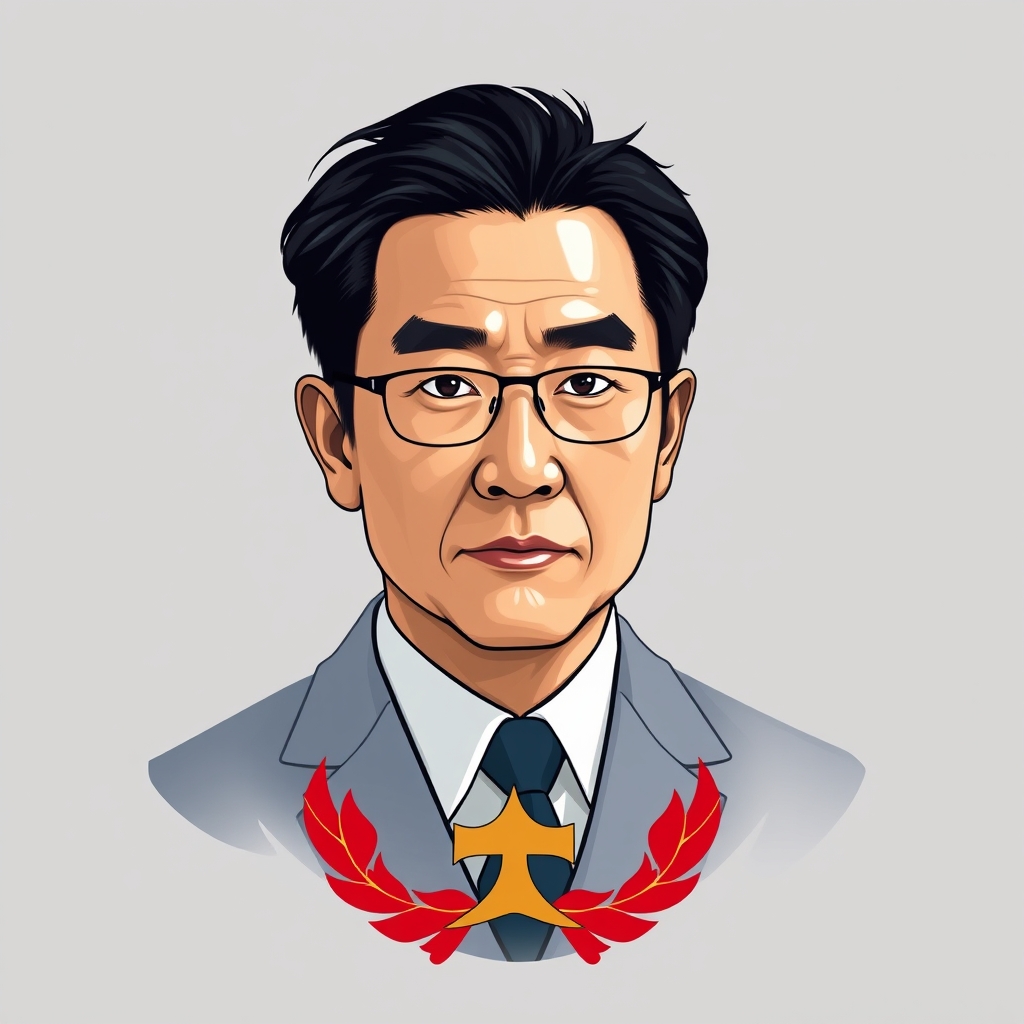
Prime Minister Sanae Takaichi is the head of government of Japan, serving as the leader of the country's executive branch.
Nagasaki Mayor Shiro Suzuki is the chief executive of Nagasaki, a city that experienced a US atomic bombing in 1945 and annually commemorates the event with a Peace Declaration.
Both figures hold significant public roles in Japan, with Takaichi representing the national government and Suzuki representing a city deeply affected by nuclear warfare.
The conflict between them centers on nuclear policy, particularly Japan's non-nuclear principles and the stance on nuclear deterrence.
At the 81st anniversary of the Nagasaki bombing, Mayor Suzuki strongly condemned nuclear weapons, stating that 'humanity and nuclear weapons cannot coexist' and urging the government to uphold the Treaty on the Non-Proliferation of Nuclear Weapons.
In contrast, Prime Minister Takaichi made ambiguous remarks about Japan's non-nuclear principles, which critics interpret as a softening of the country's commitment to nuclear abolition.
This divergence highlights a broader national debate over whether Japan should rely on nuclear deterrence, especially in the context of regional security threats.
The stakes are high, as Japan is the only country to have experienced atomic bombings, and its policies on nuclear weapons carry moral and strategic weight.
The annual Peace Declaration by Nagasaki serves as a platform for the city to advocate for nuclear disarmament, while the national government must balance such calls with security considerations.
The disagreement between Takaichi and Suzuki reflects ongoing tensions between local advocacy and national policy in Japan.
*AI-generated summary of publicly available data. This is not an official statement of any party.
*AI-generated summary of publicly available statements and reporting. This is not an official statement of this party.
Supporters of Prime Minister Sanae Takaichi argue that her measured wording respects Japan’s cultural duty to honor Nagasaki’s victims while preserving the nation’s sovereign right to debate security realities.
Supporters of Prime Minister Sanae Takaichi argue that Japan's cultural identity as a pacifist nation is best preserved through pragmatic security leadership, not symbolic absolutes.
Supporters of Prime Minister Sanae Takaichi counter that Nagasaki’s cultural memory is best honored through a patriotic resilience narrative, not by isolating nuclear deterrence as absolute evil, which they see as undermining Japan’s shared identity and security heritage.
Supporters of Prime Minister Sanae Takaichi argue that her legal duty as head of government is to uphold Japan's security treaties, which necessitates nuanced language on the non-nuclear principles.
Supporters of Prime Minister Sanae Takaichi argue that her ambiguous remarks reflect the legal necessity of maintaining flexible nuclear deterrence under Japan’s security treaty, not a rejection of the non-nuclear principles.
Supporters of Prime Minister Sanae Takaichi counter that her remarks align with Japan’s existing legal framework, where the Nuclear Non-Proliferation Treaty and constitutional pacifism do not mandate a specific ban on nuclear deterrence, and that Suzuki’s interpretation overreach.
Supporters of Prime Minister Sanae Takaichi argue her ambiguous wording is a pragmatic hedge, preserving Japan’s security leverage under the U.S. nuclear umbrella while Mayor Suzuki’s absolute stance ignores hard power realities.
Supporters of Prime Minister Sanae Takaichi argue her ambiguous nuclear stance is strategic pragmatism, keeping Japan’s security options open amid regional threats while Mayor Suzuki’s moral absolutism ignores hard power realities.
Supporters of Prime Minister Sanae Takaichi counter that moral high ground is a stage prop; Suzuki’s “absolute evil” rhetoric wins applause but no policy leverage, while Takaichi’s ambiguity keeps the nuclear deterrence alliance intact and the domestic electoral coalition from fr.
Supporters of Prime Minister Sanae Takaichi argue that her ambiguous remarks on Japan's non-nuclear principles reflect a moral duty to prioritize national security and pragmatic deterrence over symbolic absolutism, viewing Mayor Suzuki's "absolute evil" stance as ethically rigid.
Supporters of Prime Minister Sanae Takaichi argue that moral leadership requires acknowledging nuclear deterrence as a practical reality, not just condemning weapons while relying on them for security.
Supporters of Prime Minister Sanae Takaichi counter that moral clarity without security guarantees fails the hibakusha, as her government’s deterrence stance protects future generations from ever facing that same suffering.
Supporters of Prime Minister Sanae Takaichi argue that her cautious wording on nuclear deterrence reflects a moral duty to protect Japanese lives, viewing security realities as a divine charge rather than an endorsement of weapons.
Supporters of Prime Minister Sanae Takaichi argue that her cautious wording reflects a moral duty to protect Japan’s security, viewing nuclear deterrence as a necessary shield in a fallen world, not an endorsement of evil.
Supporters of Prime Minister Sanae Takaichi counter that only divine providence, not human condemnation, defines absolute evil, and that Nagasaki’s tragedy calls for prayerful humility before God’s sovereign will, not political absolutes.
*AI-generated summary of publicly available statements and reporting. This is not an official statement of this party.
Supporters of Nagasaki Mayor Shiro Suzuki argue that the city’s atomic bombing legacy creates a cultural duty to name nuclear weapons an absolute evil, unlike Prime Minister Takaichi’s ambiguous stance.
Supporters of Nagasaki Mayor Shiro Suzuki argue that his condemnation of nuclear weapons as an 'absolute evil' reflects the city's enduring cultural memory of atomic sacrifice, a legacy that PM Takaichi's ambiguous remarks risk eroding.
Supporters of Nagasaki Mayor Shiro Suzuki counter that cultural duty demands more than measured wording—it requires confronting the historical rupture of nuclear weapons, not framing security debate as a sovereign right that erases the city’s lived memory of annihilation.
Supporters of Nagasaki Mayor Shiro Suzuki argue that the mayor’s stance properly grounds Japan’s non-nuclear principles in binding legal commitments, while Prime Minister Takaichi’s ambiguous remarks risk undermining treaty obligations and constitutional pacifism.
Supporters of Nagasaki Mayor Shiro Suzuki argue that Japan’s non-nuclear principles are binding legal commitments, not political options, and that the Prime Minister’s ambiguous remarks undermine their treaty-based and constitutional force.
Supporters of Nagasaki Mayor Shiro Suzuki counter that treaty obligations do not override Japan's constitutional pledge, and that the mayor’s legal standing to petition for the non-nuclear principles is grounded in local governance autonomy, not treaty interpretation.
Supporters of Nagasaki Mayor Shiro Suzuki argue the mayor’s “absolute evil” framing outmaneuvers Prime Minister Takaichi, whose ambiguity cedes moral authority and hands Suzuki the political high ground before a national audience.
Supporters of Nagasaki Mayor Shiro Suzuki argue that Takaichi's ambiguity serves strategic hedging, while Suzuki's "absolute evil" stance leverages moral authority to constrain Tokyo's nuclear pragmatism.
Supporters of Nagasaki Mayor Shiro Suzuki counter that ambiguity itself is a political asset, not a liability—it lets Tokyo extract U.S.
Supporters of Nagasaki Mayor Shiro Suzuki argue that his moral clarity, calling nuclear weapons an 'absolute evil,' honors the 81-year legacy of atomic suffering, whereas Prime Minister Takaichi's ambiguity betrays that historical duty.
Supporters of Nagasaki Mayor Shiro Suzuki argue his moral clarity honors the 81-year precedent of survivor testimony, treating nuclear weapons as an absolute evil that no political ambiguity should obscure.
Supporters of Nagasaki Mayor Shiro Suzuki counter that historical witness, not abstraction, defines morality; the hibakusha’s lived trauma renders deterrence a false idol, as past reliance on nuclear threats never prevented catastrophe.
Supporters of Nagasaki Mayor Shiro Suzuki argue that his condemnation of nuclear weapons as an 'absolute evil' reflects a sacred moral duty, rooted in the city's witness to atomic devastation, which transcends political expediency and honors the sanctity of human life.
Supporters of Nagasaki Mayor Shiro Suzuki argue that his condemnation of nuclear weapons as an 'absolute evil' upholds the sacred duty to honor the dead, viewing the bombing as a moral transgression against life that no political ambiguity can justify.
Supporters of Nagasaki Mayor Shiro Suzuki counter that Prime Minister Sanae Takaichi’s framing of deterrence as a divine charge misreads the sacred duty to protect life, which demands the abolition of nuclear arms, not their justification.
AI-generated summary of publicly available statements and reporting. This is not an official statement of this party.
Supporters of Prime Minister Sanae Takaichi argue that her measured wording respects Japan’s cultural duty to honor Nagasaki’s victims while preserving the nation’s sovereign right to debate security realities.
Supporters of Prime Minister Sanae Takaichi argue that Japan's cultural identity as a pacifist nation is best preserved through pragmatic security leadership, not symbolic absolutes.
Supporters of Prime Minister Sanae Takaichi counter that Nagasaki’s cultural memory is best honored through a patriotic resilience narrative, not by isolating nuclear deterrence as absolute evil, which they see as undermining Japan’s shared identity and security heritage.
Supporters of Prime Minister Sanae Takaichi argue that her legal duty as head of government is to uphold Japan's security treaties, which necessitates nuanced language on the non-nuclear principles.
Supporters of Prime Minister Sanae Takaichi argue that her ambiguous remarks reflect the legal necessity of maintaining flexible nuclear deterrence under Japan’s security treaty, not a rejection of the non-nuclear principles.
Supporters of Prime Minister Sanae Takaichi counter that her remarks align with Japan’s existing legal framework, where the Nuclear Non-Proliferation Treaty and constitutional pacifism do not mandate a specific ban on nuclear deterrence, and that Suzuki’s interpretation overreach.
Supporters of Prime Minister Sanae Takaichi argue her ambiguous wording is a pragmatic hedge, preserving Japan’s security leverage under the U.S. nuclear umbrella while Mayor Suzuki’s absolute stance ignores hard power realities.
Supporters of Prime Minister Sanae Takaichi argue her ambiguous nuclear stance is strategic pragmatism, keeping Japan’s security options open amid regional threats while Mayor Suzuki’s moral absolutism ignores hard power realities.
Supporters of Prime Minister Sanae Takaichi counter that moral high ground is a stage prop; Suzuki’s “absolute evil” rhetoric wins applause but no policy leverage, while Takaichi’s ambiguity keeps the nuclear deterrence alliance intact and the domestic electoral coalition from fr.
Supporters of Prime Minister Sanae Takaichi argue that her ambiguous remarks on Japan's non-nuclear principles reflect a moral duty to prioritize national security and pragmatic deterrence over symbolic absolutism, viewing Mayor Suzuki's "absolute evil" stance as ethically rigid.
Supporters of Prime Minister Sanae Takaichi argue that moral leadership requires acknowledging nuclear deterrence as a practical reality, not just condemning weapons while relying on them for security.
Supporters of Prime Minister Sanae Takaichi counter that moral clarity without security guarantees fails the hibakusha, as her government’s deterrence stance protects future generations from ever facing that same suffering.
Supporters of Prime Minister Sanae Takaichi argue that her cautious wording on nuclear deterrence reflects a moral duty to protect Japanese lives, viewing security realities as a divine charge rather than an endorsement of weapons.
Supporters of Prime Minister Sanae Takaichi argue that her cautious wording reflects a moral duty to protect Japan’s security, viewing nuclear deterrence as a necessary shield in a fallen world, not an endorsement of evil.
Supporters of Prime Minister Sanae Takaichi counter that only divine providence, not human condemnation, defines absolute evil, and that Nagasaki’s tragedy calls for prayerful humility before God’s sovereign will, not political absolutes.
Supporters of Nagasaki Mayor Shiro Suzuki argue that the city’s atomic bombing legacy creates a cultural duty to name nuclear weapons an absolute evil, unlike Prime Minister Takaichi’s ambiguous stance.
Supporters of Nagasaki Mayor Shiro Suzuki argue that his condemnation of nuclear weapons as an 'absolute evil' reflects the city's enduring cultural memory of atomic sacrifice, a legacy that PM Takaichi's ambiguous remarks risk eroding.
Supporters of Nagasaki Mayor Shiro Suzuki counter that cultural duty demands more than measured wording—it requires confronting the historical rupture of nuclear weapons, not framing security debate as a sovereign right that erases the city’s lived memory of annihilation.
Supporters of Nagasaki Mayor Shiro Suzuki argue that the mayor’s stance properly grounds Japan’s non-nuclear principles in binding legal commitments, while Prime Minister Takaichi’s ambiguous remarks risk undermining treaty obligations and constitutional pacifism.
Supporters of Nagasaki Mayor Shiro Suzuki argue that Japan’s non-nuclear principles are binding legal commitments, not political options, and that the Prime Minister’s ambiguous remarks undermine their treaty-based and constitutional force.
Supporters of Nagasaki Mayor Shiro Suzuki counter that treaty obligations do not override Japan's constitutional pledge, and that the mayor’s legal standing to petition for the non-nuclear principles is grounded in local governance autonomy, not treaty interpretation.
Supporters of Nagasaki Mayor Shiro Suzuki argue the mayor’s “absolute evil” framing outmaneuvers Prime Minister Takaichi, whose ambiguity cedes moral authority and hands Suzuki the political high ground before a national audience.
Supporters of Nagasaki Mayor Shiro Suzuki argue that Takaichi's ambiguity serves strategic hedging, while Suzuki's "absolute evil" stance leverages moral authority to constrain Tokyo's nuclear pragmatism.
Supporters of Nagasaki Mayor Shiro Suzuki counter that ambiguity itself is a political asset, not a liability—it lets Tokyo extract U.S.
Supporters of Nagasaki Mayor Shiro Suzuki argue that his moral clarity, calling nuclear weapons an 'absolute evil,' honors the 81-year legacy of atomic suffering, whereas Prime Minister Takaichi's ambiguity betrays that historical duty.
Supporters of Nagasaki Mayor Shiro Suzuki argue his moral clarity honors the 81-year precedent of survivor testimony, treating nuclear weapons as an absolute evil that no political ambiguity should obscure.
Supporters of Nagasaki Mayor Shiro Suzuki counter that historical witness, not abstraction, defines morality; the hibakusha’s lived trauma renders deterrence a false idol, as past reliance on nuclear threats never prevented catastrophe.
Supporters of Nagasaki Mayor Shiro Suzuki argue that his condemnation of nuclear weapons as an 'absolute evil' reflects a sacred moral duty, rooted in the city's witness to atomic devastation, which transcends political expediency and honors the sanctity of human life.
Supporters of Nagasaki Mayor Shiro Suzuki argue that his condemnation of nuclear weapons as an 'absolute evil' upholds the sacred duty to honor the dead, viewing the bombing as a moral transgression against life that no political ambiguity can justify.
Supporters of Nagasaki Mayor Shiro Suzuki counter that Prime Minister Sanae Takaichi’s framing of deterrence as a divine charge misreads the sacred duty to protect life, which demands the abolition of nuclear arms, not their justification.
At the 81st anniversary ceremony, Nagasaki Mayor Shiro Suzuki used the city's Peace Declaration to urge the Japanese government to uphold the non-proliferation treaty and condemned nuclear weapons as incompatible with humanity.
Mayor Suzuki condemned the use and possession of nuclear weapons and warned of the dangers of relying on nuclear deterrence during the anniversary ceremony.
Nagasaki Mayor Shiro Suzuki and Hiroshima Mayor Matsui handed Prime Minister Takaichi a petition urging Japan to uphold the Treaty on the Non-Proliferation of Nuclear Weapons.
Commemoration ceremony where PM Takaichi and Mayor Suzuki made contrasting statements on nuclear weapons.
